
Antonelli’s Monza charge deserved the spotlight, but shifting results and opaque appeals keep pulling Formula 1’s best stories into bureaucracy.
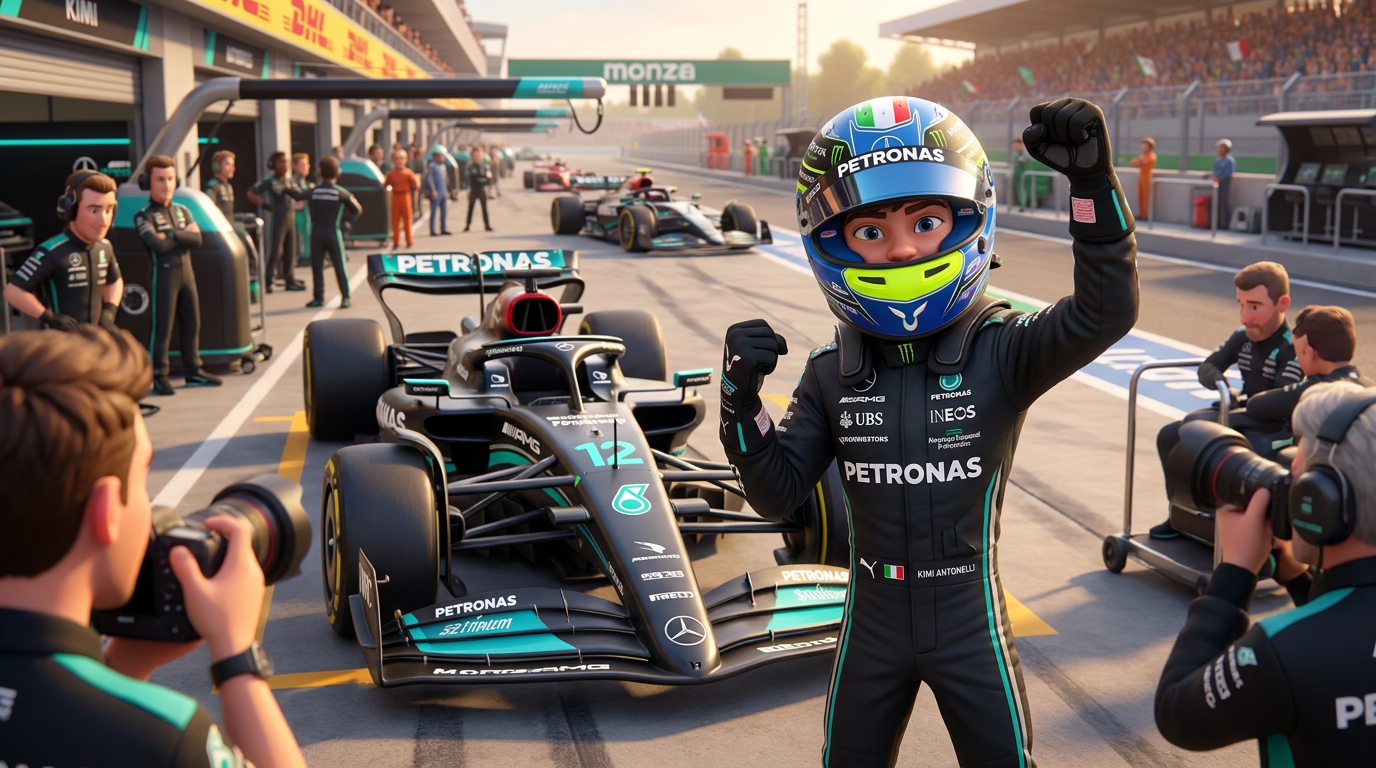
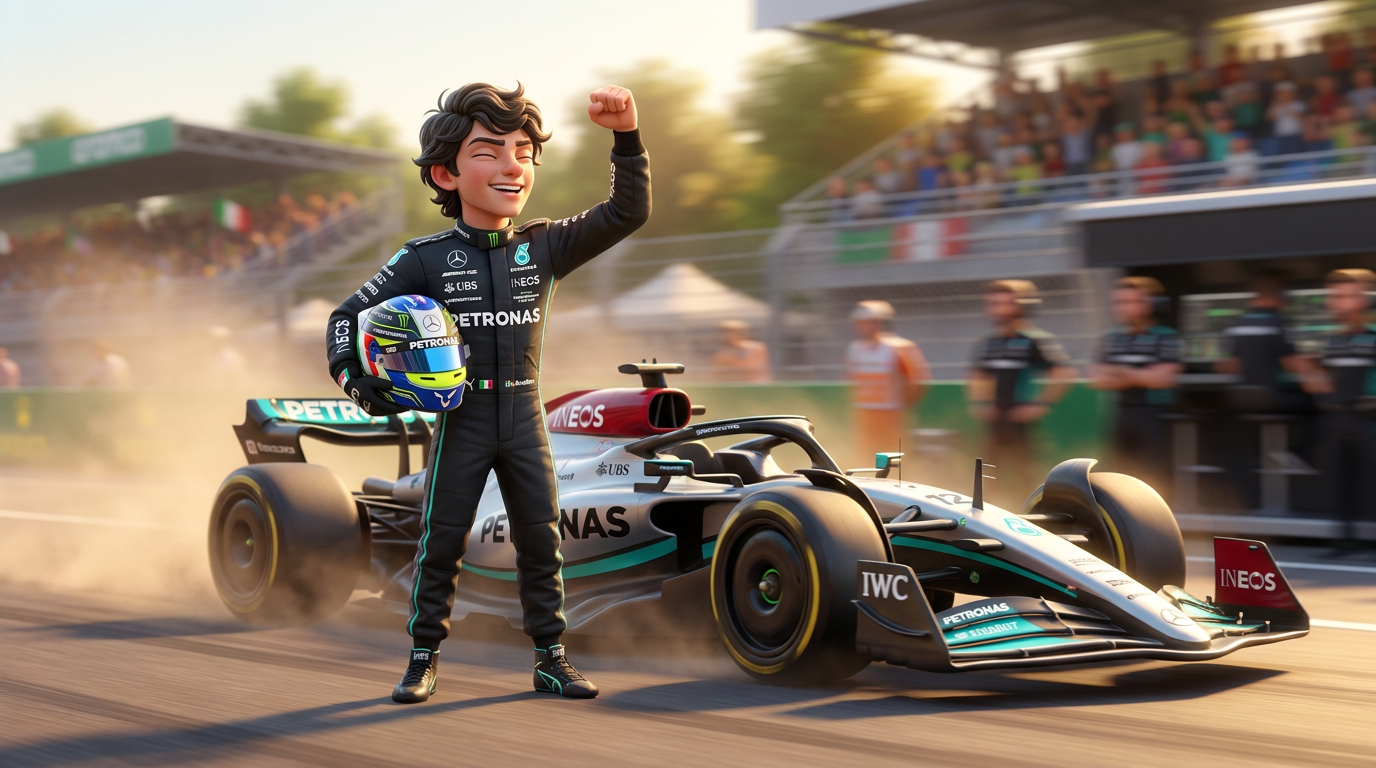
Andrea Kimi Antonelli won the Italian Grand Prix on Sunday, September 6, after starting 19th. That remarkable recovery should define Formula 1’s week. Instead, another pending appeal has pulled the rulebook back toward center stage.
Our verdict is direct. The drivers are delivering a compelling 2026 season, but the sporting system keeps eroding the finality every race result requires.
Antonelli shows what F1 should protect
Antonelli left Monza leading the championship with 267 points. Mercedes teammate George Russell had 201, while Ferrari’s Lewis Hamilton had 191. Lando Norris has 171, Charles Leclerc 155 and Max Verstappen 127.
Every ruling matters with gaps like those. A revised finishing position can shape a title fight, contract discussions and strategic decisions at later races.
Antonelli’s drive also showed why we wouldn’t change the Grand Prix scoring system by awarding subjective bonuses for recovery performances. Winning from 19th already earned the maximum reward available. The difficulty gives the achievement its value, without another panel deciding which victory appeared most impressive.
Appeals are creating the wrong suspense
Audi filed an intention to appeal Yuki Tsunoda’s verdict from the Italian Grand Prix. It followed the Monaco case involving Pierre Gasly, whose podium was later stripped and whose championship total changed after the event.
This is the wrong kind of uncertainty.
Appeals must stay available for factual errors and serious procedural failures. Competitors need recourse. Routine sporting cases, however, shouldn’t leave finishing orders open for weeks, particularly when the relevant evidence was available during the race weekend.
We want a firm 48-hour deadline for appeals involving ordinary sporting infractions. Safety matters, concealed technical breaches and genuinely new evidence should fall outside that limit. All other cases should be resolved quickly enough for teams and fans to trust the published standings.
Plain explanations would restore confidence
Speed alone won’t repair the credibility problem. Major decisions also require short explanations written for people who don’t carry the sporting code around the paddock.
Every ruling that changes a podium or points position should identify the breached rule, summarize the decisive evidence and explain the penalty against relevant precedent. One page is enough. The goal isn’t to eliminate disagreement. The reasoning must be visible.
F1 sells immediate competition. Its governance should meet that standard.
Sprints add another layer of confusion
The Zandvoort sprint standings had Antonelli on 224 points, Hamilton on 171, Russell on 168 and Norris on 134 before the Dutch Grand Prix. After Monza, Antonelli had climbed to 267.
Sprint points are having a substantial influence on the championship, yet the format still combines modest rewards with potentially expensive consequences. Damage or a penalty can carry into the main event, while parc fermé restrictions push teams to balance racing with data collection and Sunday preparation.
We prefer a standalone showcase. Award points to the top five, separate the sprint result from Sunday’s grid and stop routine sprint sanctions from affecting the Grand Prix. That would produce a distinct contest with rules fans can follow without a weekend flowchart.
Keep judgment objective
Some proposed fixes would create further bureaucracy. Publicly filed teammate protocols, for example, would ask officials to interpret private strategy choices. Teams must manage their own drivers and accept the competitive consequences when they fail.
A confidence rating beside the standings would also normalize provisional results instead of fixing them. A championship table should be authoritative. If a classification is under appeal, clearly mark that specific case and resolve it within the deadline.
The next move belongs to rule makers: adopt a 48-hour appeals window, publish concise verdicts and trial a standalone sprint structure before another disputed decision changes a podium long after the trophies have been handed out.