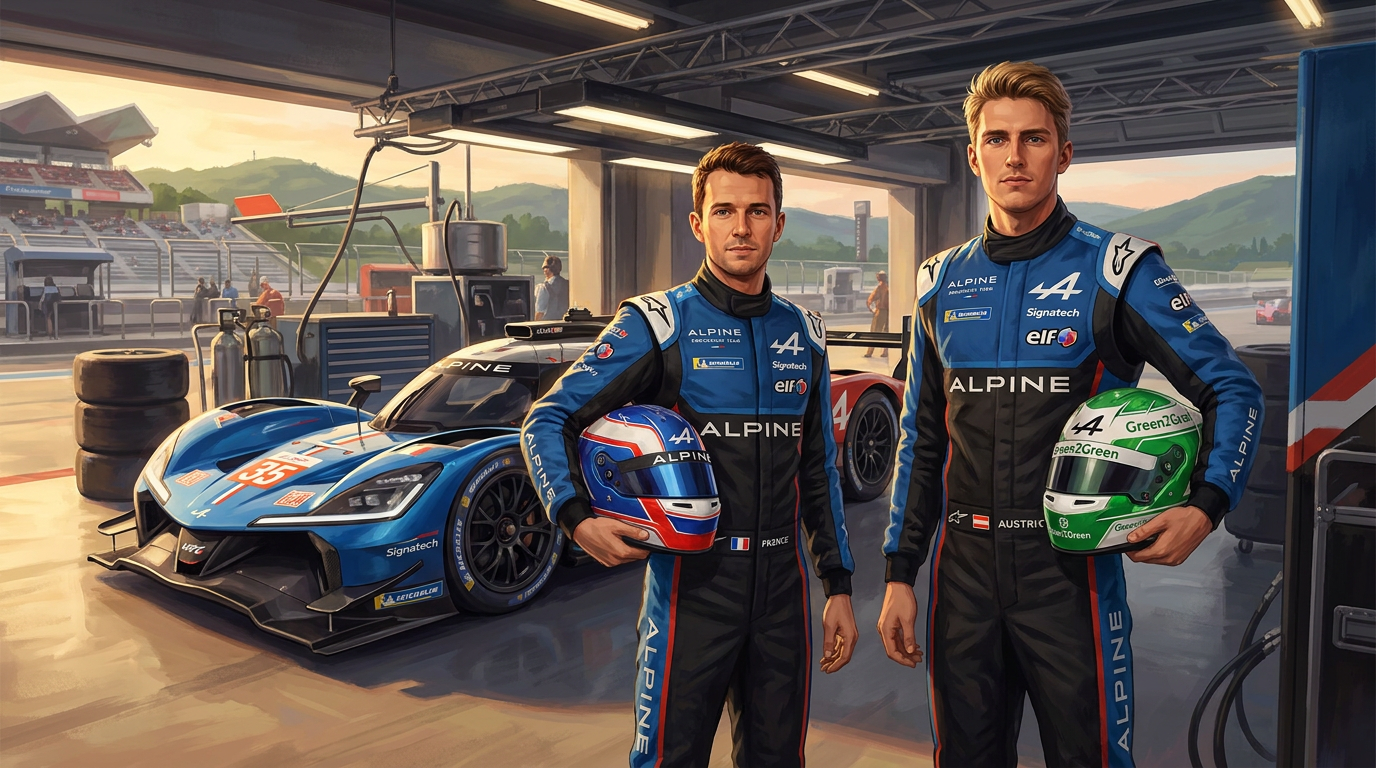
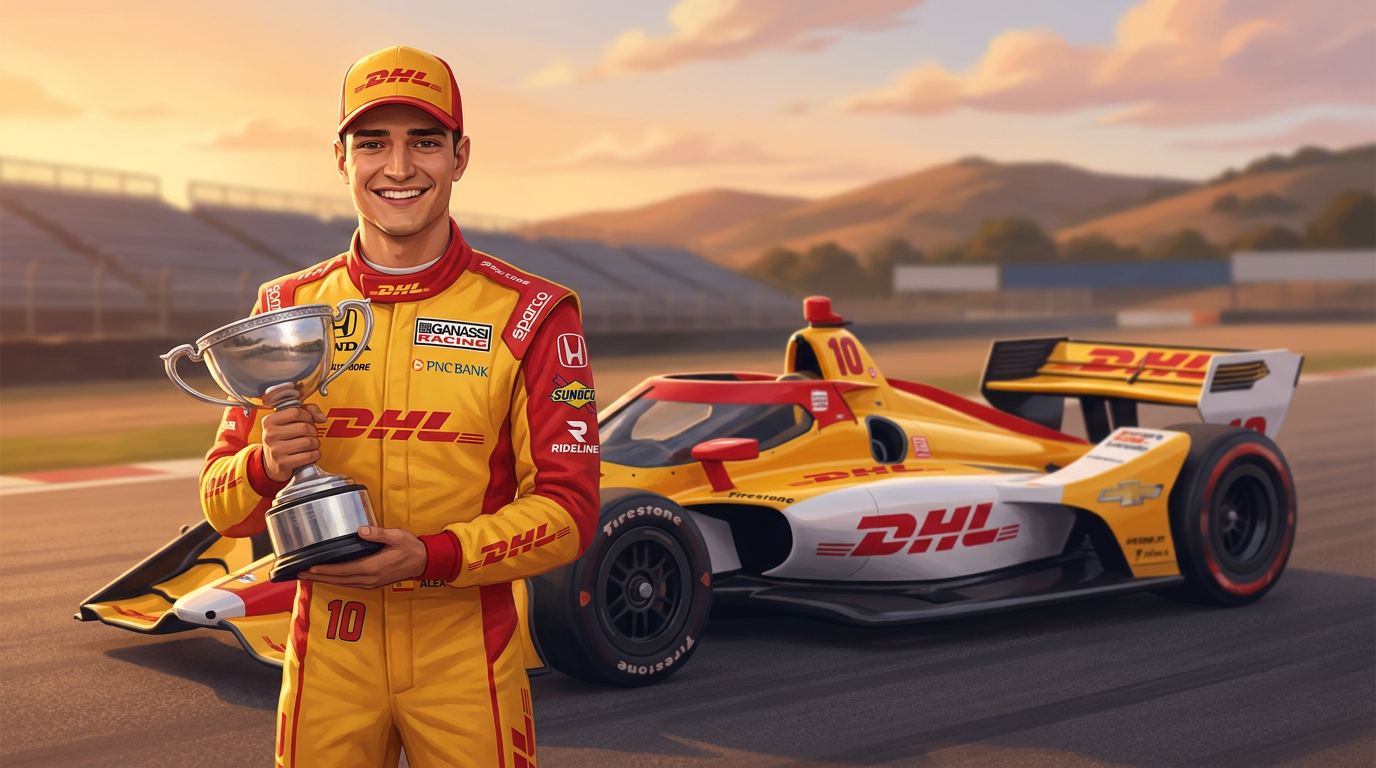
Chip Ganassi Racing moved to the top of IndyCar’s all-time team standings in 2026, securing a record 18th championship after Alex Palou clinched his fifth drivers’ title and taking the organization past Team Penske’s 17.
The season ended at Laguna Seca on September 6 with a clear new historical marker. It also brought the team G. O. A. T. debate into tighter focus. Ganassi now leads in championships, while Penske retains its formidable Indianapolis 500 record and decades of success through multiple eras.
IndyCar now has two measures of supremacy. Ganassi leads the season-long championship comparison. Penske’s reputation is still rooted in Indianapolis, qualifying performance and front-running form across generations.
Ganassi takes the championship advantage
Palou secured Ganassi’s 18th IndyCar championship with 631 points from 18 starts. He won six times, at St. Petersburg, Barber Motorsports Park, Long Beach, Detroit, Nashville Superspeedway and Portland. His eight poles, 12 top-five finishes and 673 laps led reflect the control he held throughout the campaign.
Kyle Kirkwood took second with 545 points, 86 behind Palou. Christian Lundgaard finished third on 535, while Pato O’Ward placed fourth with 522.
For the team comparison, 18 is the decisive number.
Ganassi and Palou also retained the Astor Challenge Cup for a fourth straight season, from 2023 through 2026. Barry Wanser called the strategy for each of Palou’s five championships. That continuity between driver, strategist and team became the foundation for Ganassi’s move ahead of Penske.
Ganassi’s edge is structural, rather than ceremonial. The latest record comes from repeated execution across full seasons, and Palou’s 2026 numbers capture the size of that advantage. His 673 laps led were nearly three times the 220 recorded by championship runner-up Kirkwood.
Penske still sets a different standard
Team Penske’s 17 championships now rank second all time, but its wider claim remains intact. Penske holds 19 Indianapolis 500 poles to Ganassi’s nine, while its driver history features Rick Mears, Al Unser, Sam Hornish Jr., Josef Newgarden and Will Power.
Mears presents the strongest individual Indianapolis qualifying record. His six Indy 500 poles, earned in 1979, 1982, 1986, 1988, 1989 and 1991, remain the driver benchmark. He also shares the record of four race victories with A. J. Foyt, Al Unser and Hélio Castroneves.
Ganassi’s defining drivers tell another story. Jimmy Vasser and Alex Zanardi established the team as a championship force, then Dario Franchitti, Scott Dixon and Palou built its modern record. Dixon claimed six titles across 25 seasons with the organization, creating the most successful driver and team partnership of the IndyCar Series era.
The strengths are distinct. Penske’s argument rests heavily on Indianapolis and longevity. Ganassi’s case now starts with the highest championship total.
Palou delivered the record-breaking push
Palou’s fifth championship moves him within one of Dixon’s six. It also leaves Ganassi with two drivers accounting for 11 combined titles, a concentration of success at the heart of the team’s modern dominance.
His 2026 season covered every circuit type. Palou won street races at St. Petersburg, Long Beach and Detroit, took road-course victories at Barber and Portland, and added a win at Nashville Superspeedway. That breadth carries weight in comparisons with teams from eras dominated by ovals.
Direct historical comparisons are complicated by IndyCar’s structure. The present series began as the Indy Racing League in 1996, merged with Champ Car in 2008, and unified the statistics of both championships and their predecessors. The Indianapolis 500 dates back to 1911.
Championship totals offer the fairest team measure because they recognize performance over a complete schedule. Indianapolis records belong in a separate category, particularly because one race has held exceptional importance for more than a century.
The common-car era tightens the comparison
Ganassi and Penske have contested much of their modern rivalry under closely controlled technical regulations. Dallara began building Indy cars in 1997 and became the sole supplier of new chassis after rival manufacturers left. The IR-12 arrived in 2012 with a negotiated price of $349,000, later becoming known as the DW12 in honor of Dan Wheldon.
Chevrolet and Honda provide different engines, but all teams run a common Dallara chassis.
Those rules put greater weight on engineering detail, setup, strategy and driver performance. That makes Ganassi’s 2026 margin especially significant. Palou secured the championship by 86 points, while Penske’s top driver, David Malukas, placed fifth with 514 points. Scott McLaughlin finished sixth on 482 after winning the September 6 finale and leading 87 of 95 laps.
McLaughlin’s victory confirmed that Penske still had race-winning speed, but the team’s highest championship finisher recorded no victories. Ganassi turned its pace into the season’s biggest prize.
Two crowns shape the debate
By championships, Ganassi now stands as IndyCar’s leading organization. Give greater weight to Indianapolis 500 qualifying, race heritage and success over a longer period, and Penske has a compelling counterargument.
The clearest verdict separates the categories. Ganassi owns the championship crown with 18. Penske holds the Indianapolis 500 pole benchmark with 19, while its driver roster links Mears’ six poles with Newgarden’s victories in 2023 and 2024.
Ganassi will take the Astor Challenge Cup into 2027, while Penske enters the next season one championship short of drawing level.