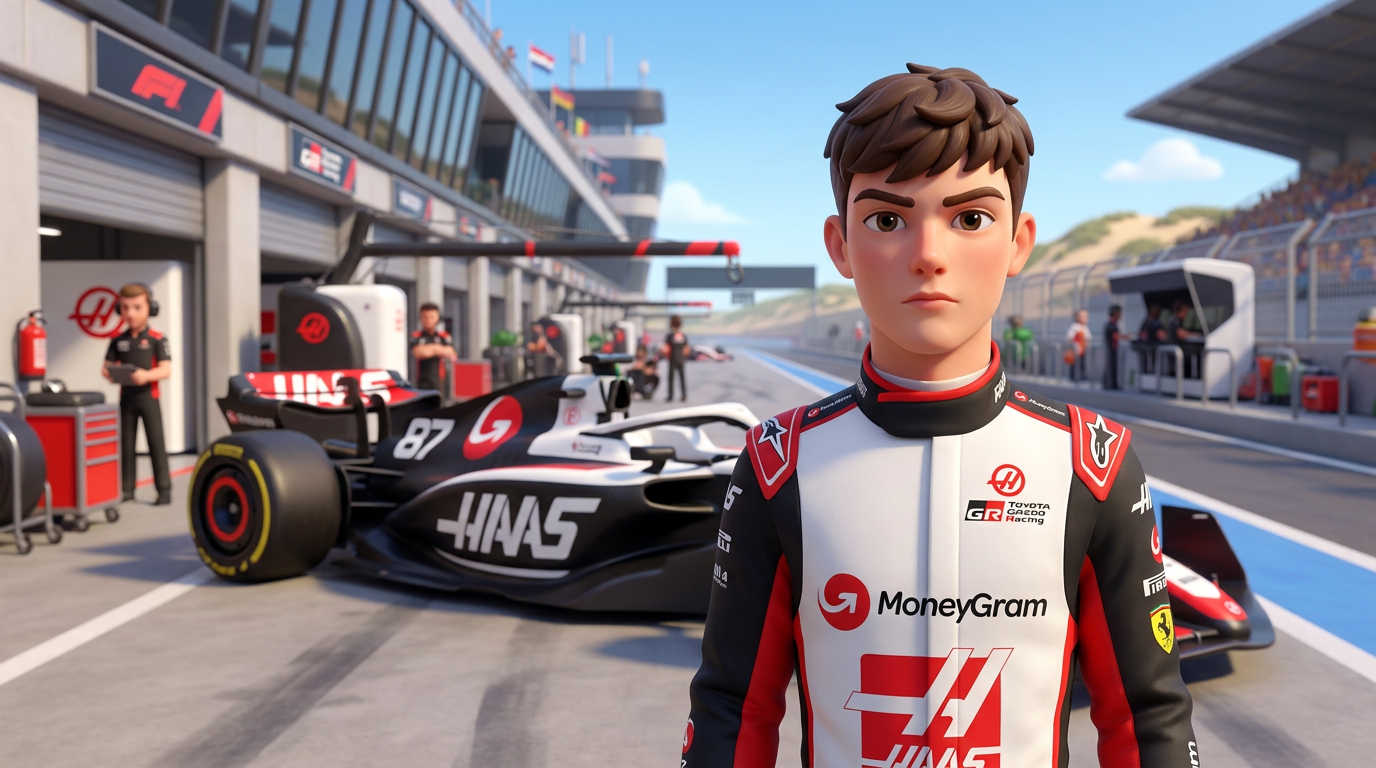
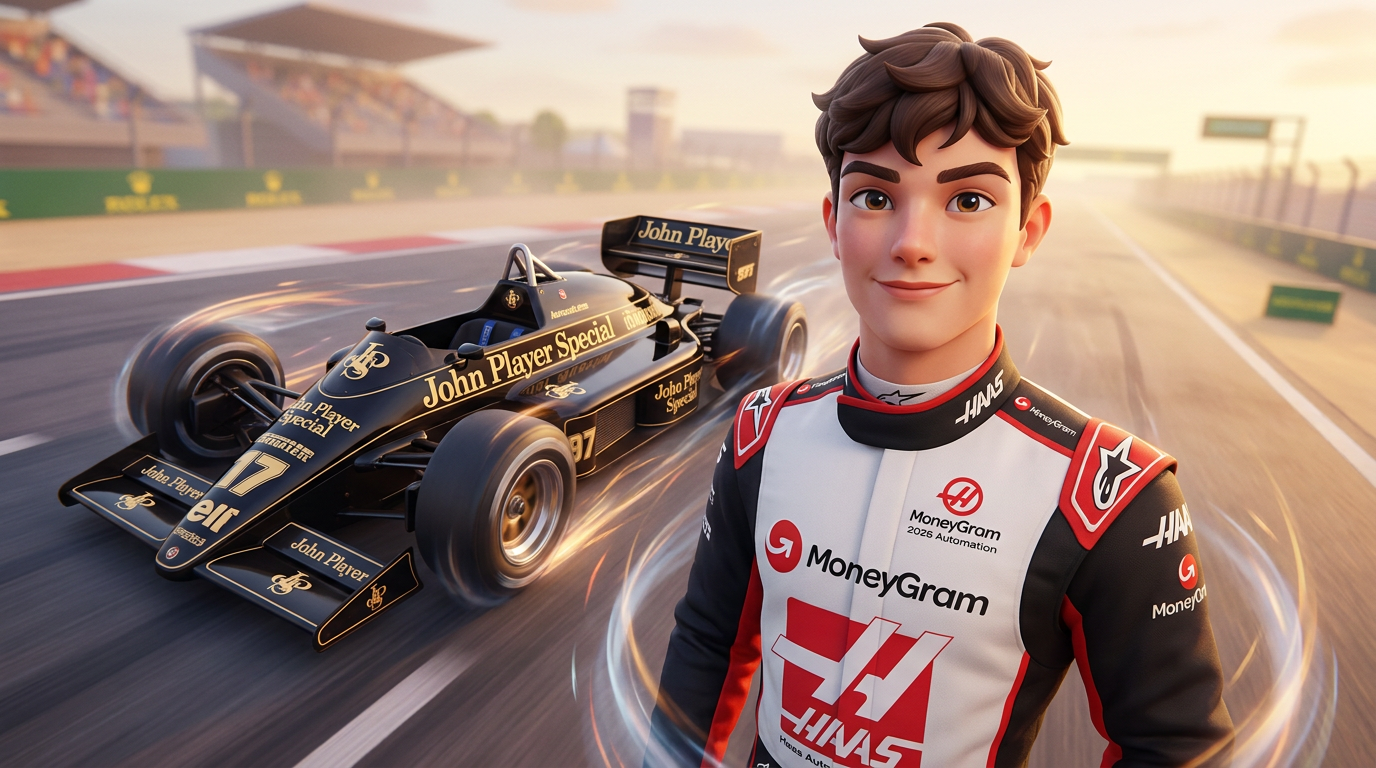
Ollie Bearman’s drive in an Ayrton Senna-era Lotus connects Formula 1 generations and shows why machinery and circumstances matter in GOAT debates.
Ollie Bearman’s recent drive in an Ayrton Senna-era Lotus put Formula 1’s past directly alongside its present. For a young grand prix driver racing 2026 machinery, driving one of the cars associated with a three-time world champion offered a rare, physical comparison between generations.
A link to Senna’s breakthrough years
Senna drove for Lotus from 1985 through 1987, developing from an emerging talent into an established Formula 1 winner. He scored his first Grand Prix victory with the team in Portugal in 1985 and took six wins over his three Lotus seasons.
Those results became a key part of a career that produced three drivers’ championships and 41 Grand Prix victories. Senna later claimed all three titles with McLaren, but Lotus gave him the platform for his first rise into Formula 1’s elite.
Why machinery complicates GOAT debates
Bearman’s outing also exposes the limits of comparing drivers by totals alone. Senna raced with substantially less reliable machinery, shorter calendars and cars that required physical and technical methods far removed from today’s designs.
Modern Formula 1 drivers handle heavier cars, complex energy-management systems and longer schedules. Earlier generations worked with manual gear changes, less sophisticated electronics and fewer layers of cockpit protection. A historic-car demonstration cannot decide which era demanded more, but it makes those differences real.
Lotus has its own historic stature
The car carries significance beyond Senna. Team Lotus won seven constructors’ championships between 1963 and 1978, and its drivers secured six titles. Jim Clark delivered two of those drivers’ crowns, while Lotus became closely associated with influential design under founder Colin Chapman.
Lotus was no longer at its championship peak when Senna arrived. That gives his six victories a different historical weight from wins collected during a team’s dominant cycle, another reason raw totals need context.
Bearman connects two technical eras
Bearman’s regular Formula 1 experience comes in the current ground-effect and hybrid era, a long way from the lighter, more mechanically exposed cars of Senna’s Lotus years. His emotional response, reported after the drive, captured the rarity of feeling that contrast firsthand rather than studying it.
The timing also matters during Formula 1’s summer break. The 2026 season resumes at the Dutch Grand Prix from August 21-23, following 11 races that have already delivered five different winners: Kimi Antonelli, George Russell, Lewis Hamilton, Charles Leclerc and Lando Norris.
Greatness reaches beyond a leaderboard
Senna’s standing in Formula 1 history rests on measurable achievements, including three championships and 41 wins, along with performances delivered within the limits of his era. Bearman’s Lotus experience does not provide a direct competitive comparison. Instead, it supports the fairest basis for any GOAT discussion: assess the numbers, then consider the machinery and circumstances behind them.
Bearman now returns to contemporary competition as Formula 1 heads to Zandvoort for the Dutch Grand Prix from August 21-23.