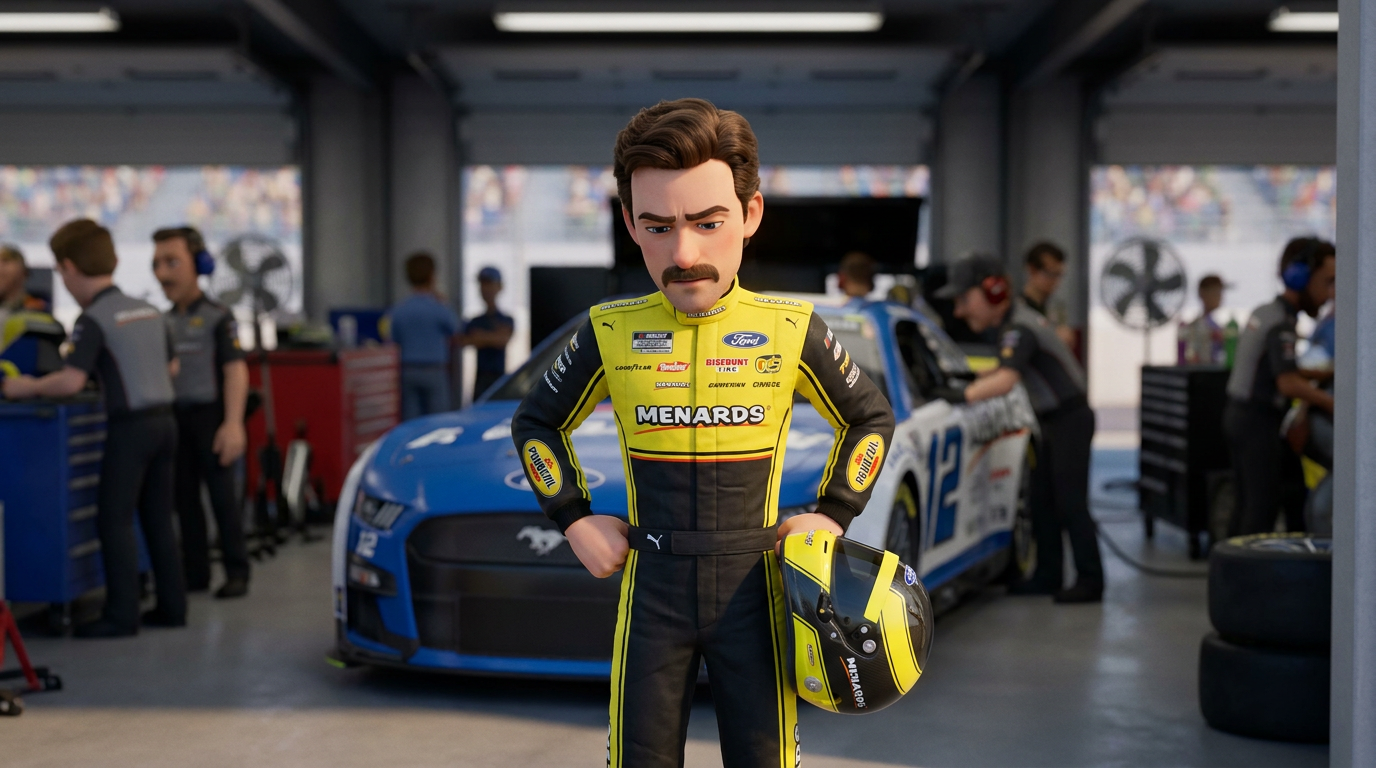
Ryan Blaney’s brake failure, a record 18 cautions and Tyler Reddick’s airborne wreck show why NASCAR must review its Gateway brake package.
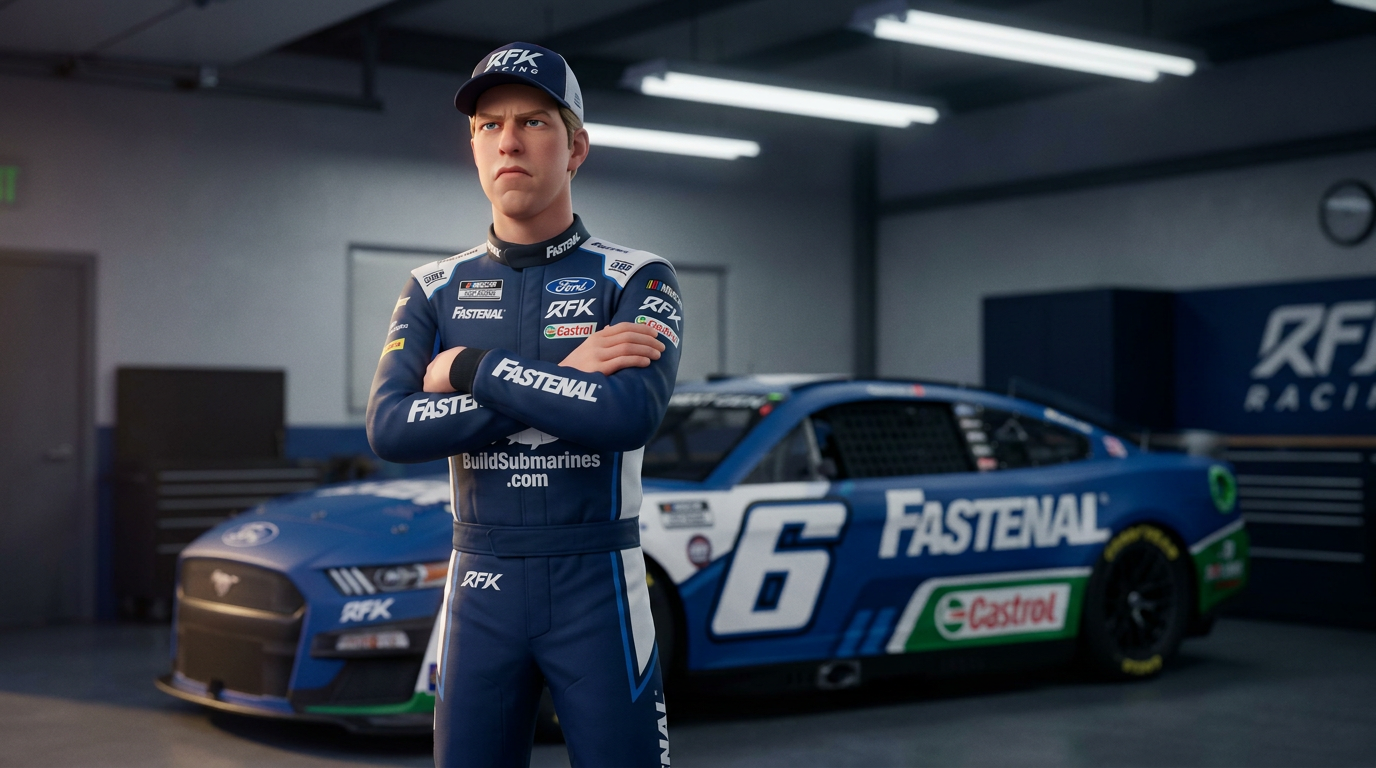
Ryan Blaney was running sixth at World Wide Technology Raceway on Sunday, September 13, when the brakes failed on his No. 12 Team Penske Ford. NASCAR’s response to Gateway should be shaped by that failure, rather than the dramatic finish that followed.
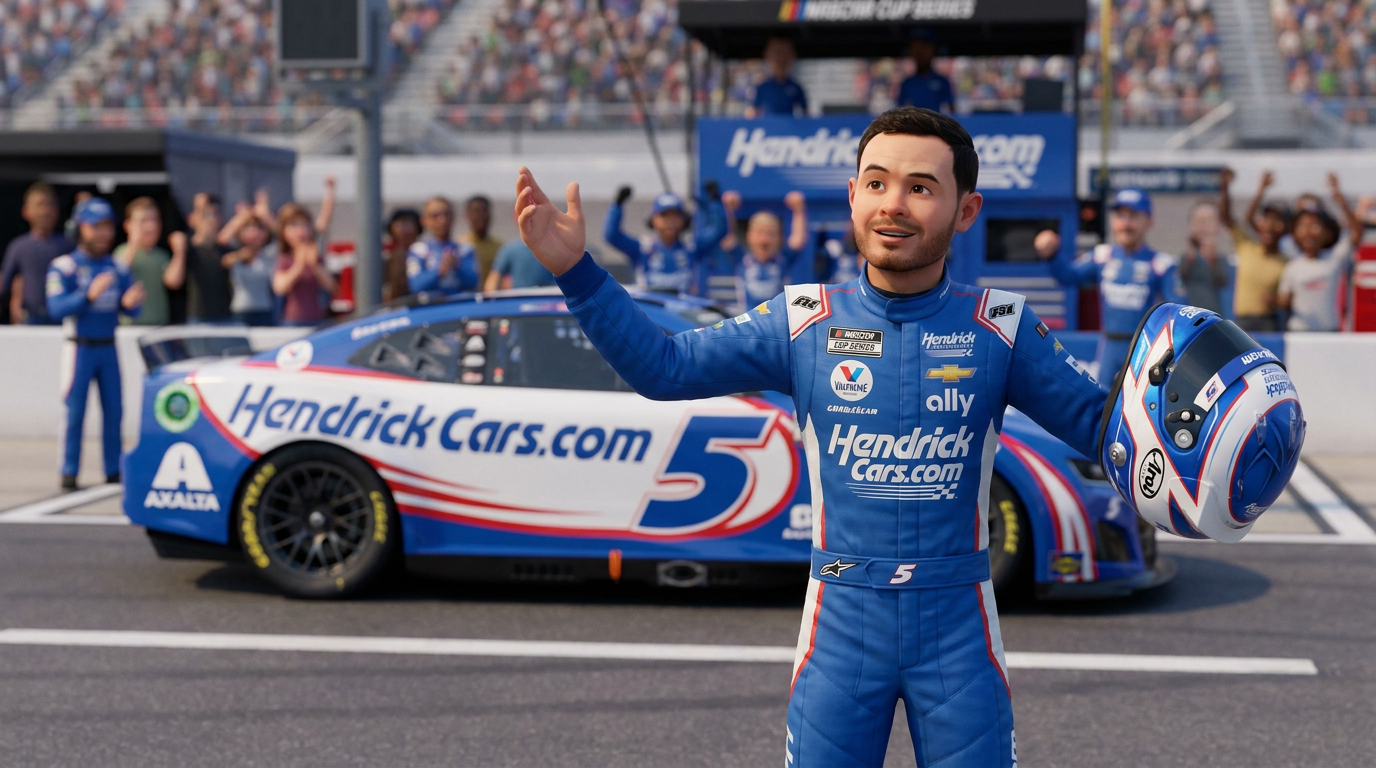
Kyle Larson won in double overtime to snap a 51-race drought, while Alex Bowman completed a Hendrick Motorsports sweep of the top two positions. It was Larson’s first Cup victory in 16 months. The marketable finish, however, cannot erase everything that preceded it.
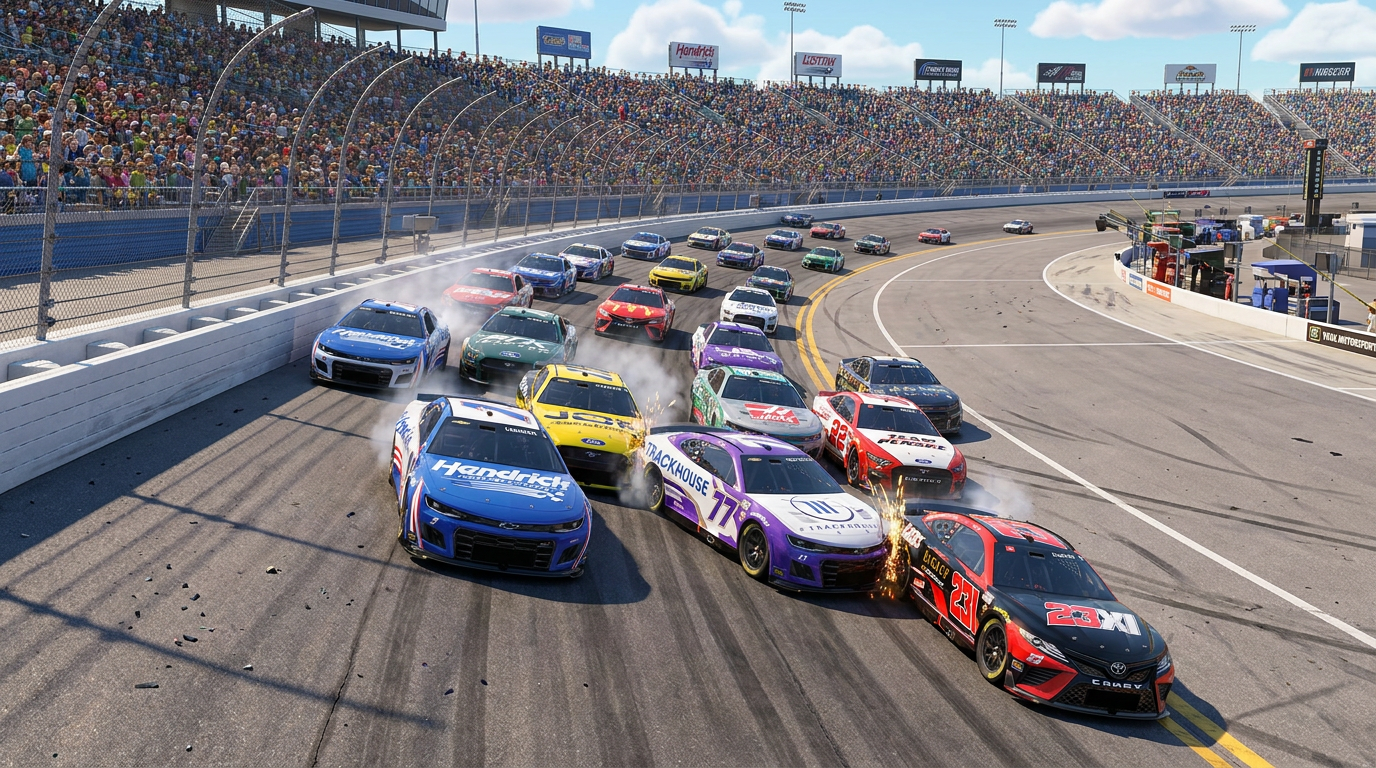
Gateway set a track record with 18 cautions and also had two red flags. Tyler Reddick went airborne. Bubba Wallace was involved in two cautions and called the race “embarrassing” for the drivers.
“Everybody hit everything”.
Wallace’s blunt assessment was right. Our verdict is clear: NASCAR must review the Cup car’s Gateway brake package before the event returns, then require any necessary technical change across the field.
Blaney’s failure changes the argument
Brake trouble at Gateway does not automatically point to defective regulations. Teams choose components and manage cooling, while drivers must balance speed with mechanical survival. Engineering responsibility still rests with each garage.
Blaney’s failure crossed a significant line. This was not a damaged car running near the back. The Team Penske driver sat sixth in the second race of the 2026 Chase when his brakes failed, causing a major sporting penalty and adding another dangerous episode to an already broken-up event.
A title contender should not have to gamble on basic stopping capability.
The points show the cost. Blaney left Gateway second in the standings with 982, trailing Denny Hamlin on 1,062. Reddick remained third with 940 despite going airborne during the race. With 16 drivers fighting for the championship across the final 10 events, a mechanical failure at this point has consequences well beyond one frustrating Sunday.
Eighteen cautions cannot become camouflage
Blaming every Gateway incident on poor judgment would be easy. Wallace’s criticism adds weight to that view, and the drivers clearly played a role in the chaos. Restarts encourage aggression. Double overtime also keeps sending damaged cars and pressured contenders back on the attack.
But a record 18 cautions can bury distinct problems inside one loud statistic. Contact is not the same as brake trouble, and neither is interchangeable with an airborne car. NASCAR must classify every incident by cause instead of writing off the entire afternoon as aggressive driving.
The review must cover brake temperatures, wear patterns and cooling margins for every manufacturer. NASCAR should then provide a clear explanation before the next Gateway race. Fans do not need access to proprietary team data, but they deserve to know whether Blaney’s failure was an isolated case or evidence of a wider technical pattern.
Larson earned the win
None of this takes anything away from Larson.
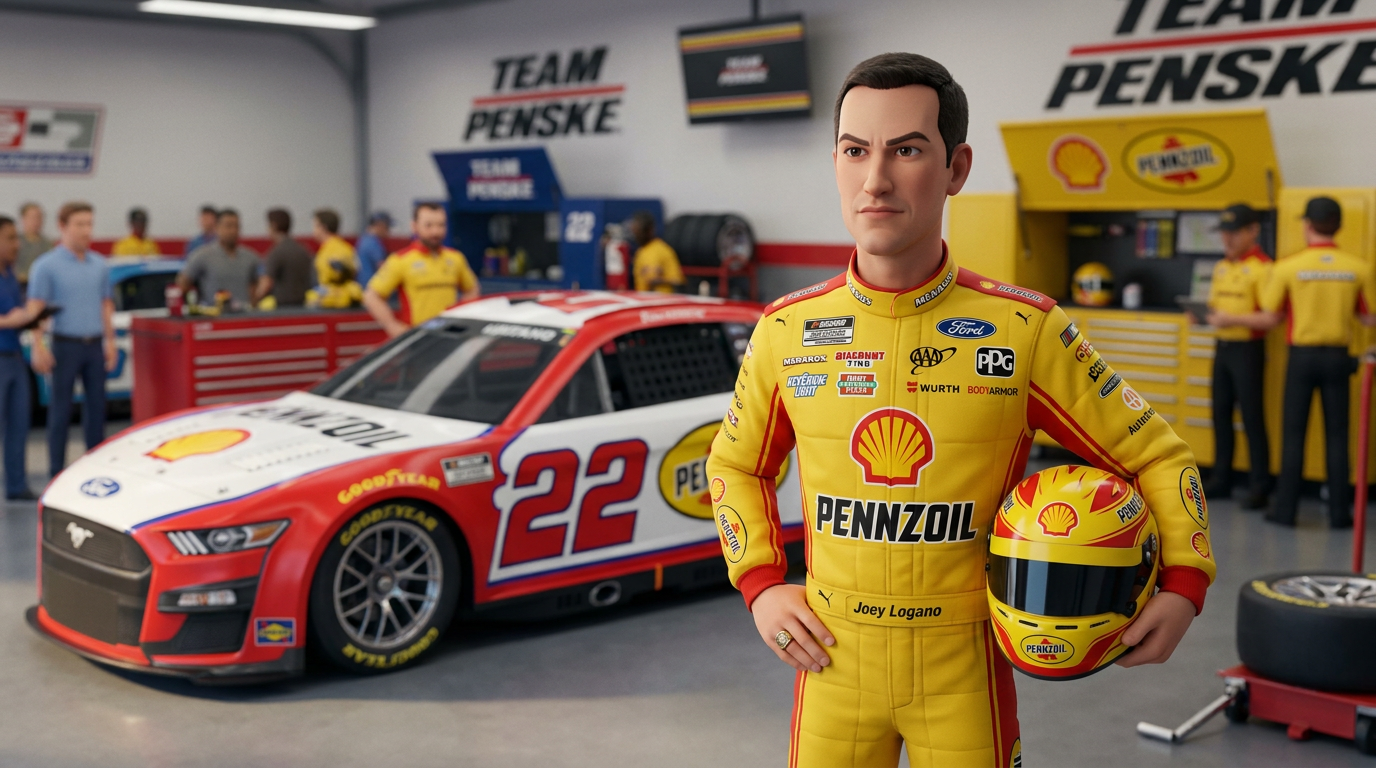
The defending Cup champion defeated Bowman in overtime and earned 63 points, while Bowman scored 38. Joey Logano finished third and collected 45. Larson made it through a race that kept changing, then executed with precision on the final restart.
A technical review is not an attack on attrition. NASCAR has always rewarded teams for building durable cars and drivers for protecting their equipment. Mechanical discipline is part of stock car racing.
There is still a clear distinction between preserving brakes and wondering whether they will work at the end of a straight. NASCAR should demand plenty from the equipment without tolerating an avoidable failure mode, particularly at a track where repeated heavy braking is central to every lap.
NASCAR has a practical fix
The solution is not another competition caution or a procedural gimmick. NASCAR should use the September 13 evidence to set a Gateway-specific safety margin, whether that means revised ducting allowances, different specifications or tighter inspection criteria.
Any change must avoid making the race a flat-out sprint with no mechanical management. The objective is specific: keep braking as a performance variable while lowering the risk of total failure.
Bristol runs from September 17 through September 19 as the next Chase event. Before the Cup Series eventually returns to Gateway, NASCAR must finish its technical review and tell teams precisely what will change.