Gateway’s grid has the talent for a compelling title fight, but NASCAR needs clearer contact rules and less compression in its 10-race Chase.
Gateway puts the problem on display
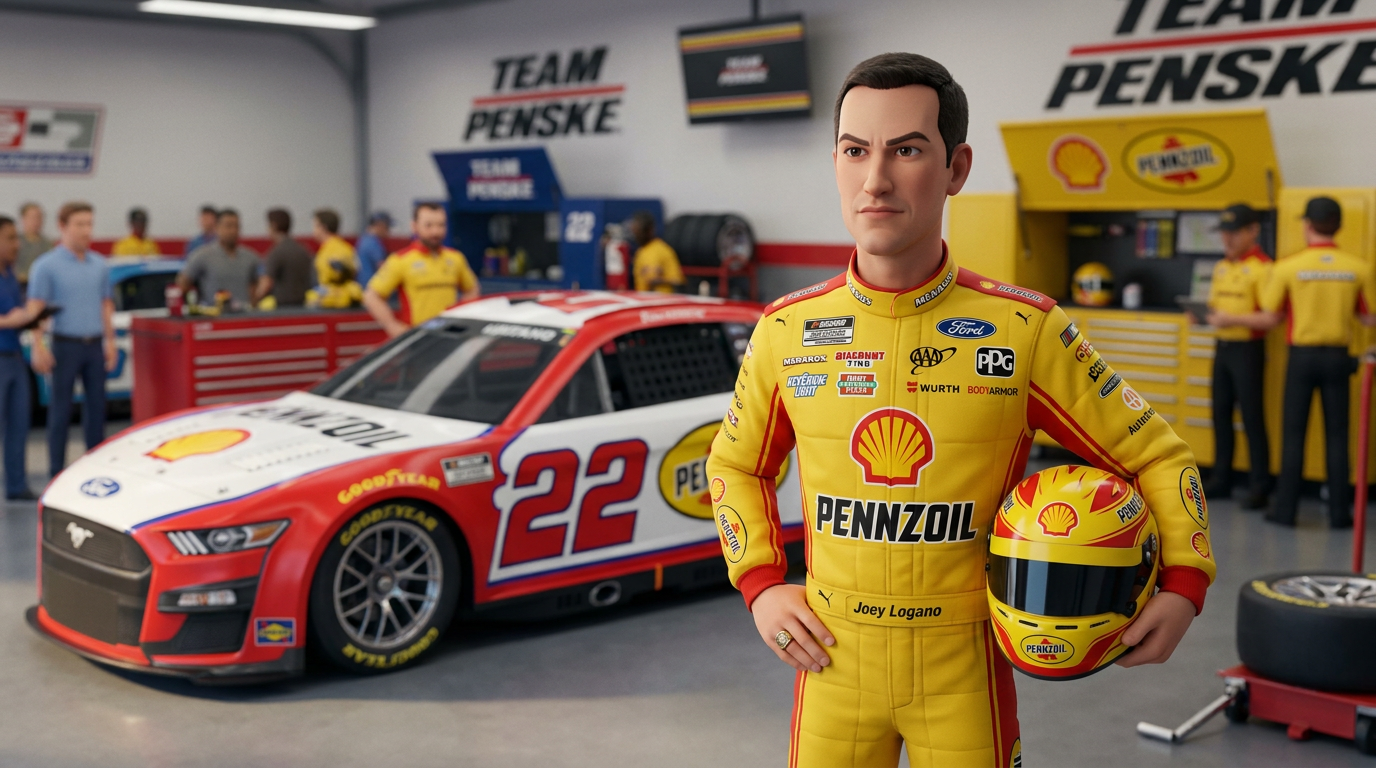
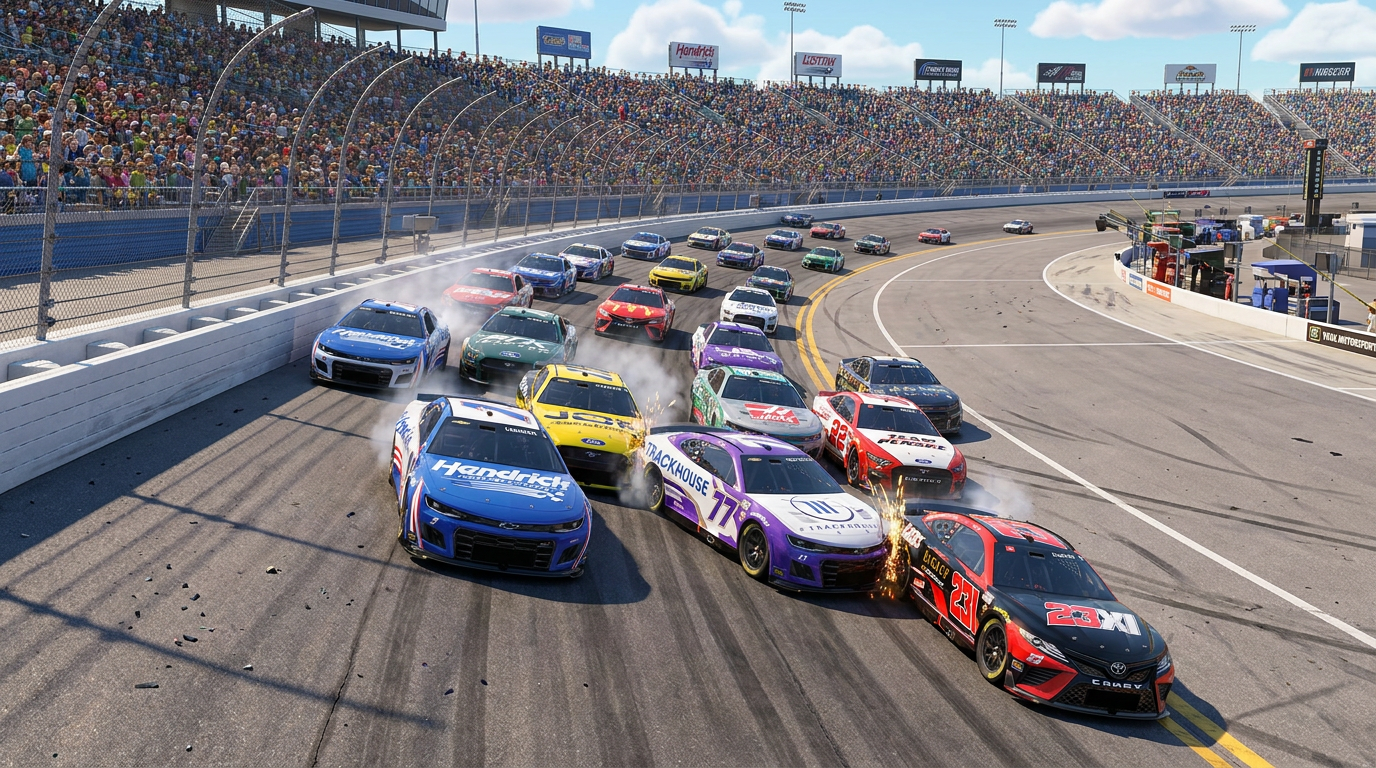
Joey Logano will start Sunday’s Enjoy Illinois 300 from pole, while Denny Hamlin reaches World Wide Technology Raceway atop the Chase with 2,135 points. Performance should define NASCAR’s second postseason race. Instead, uncertainty around driving standards and a tightly compressed championship format keeps getting in the way.
Paddock Buzz has a firm view: NASCAR must publish clearer officiating standards and provide greater protection for season-long performance in the Chase.
Logano secured his second pole of 2026 and the 35th of his Cup career on Saturday, September 12. Kyle Larson joins him on the front row, and Chase drivers occupy all 10 of the leading grid positions. The top teams have delivered.
Strong performances deserve a stronger system
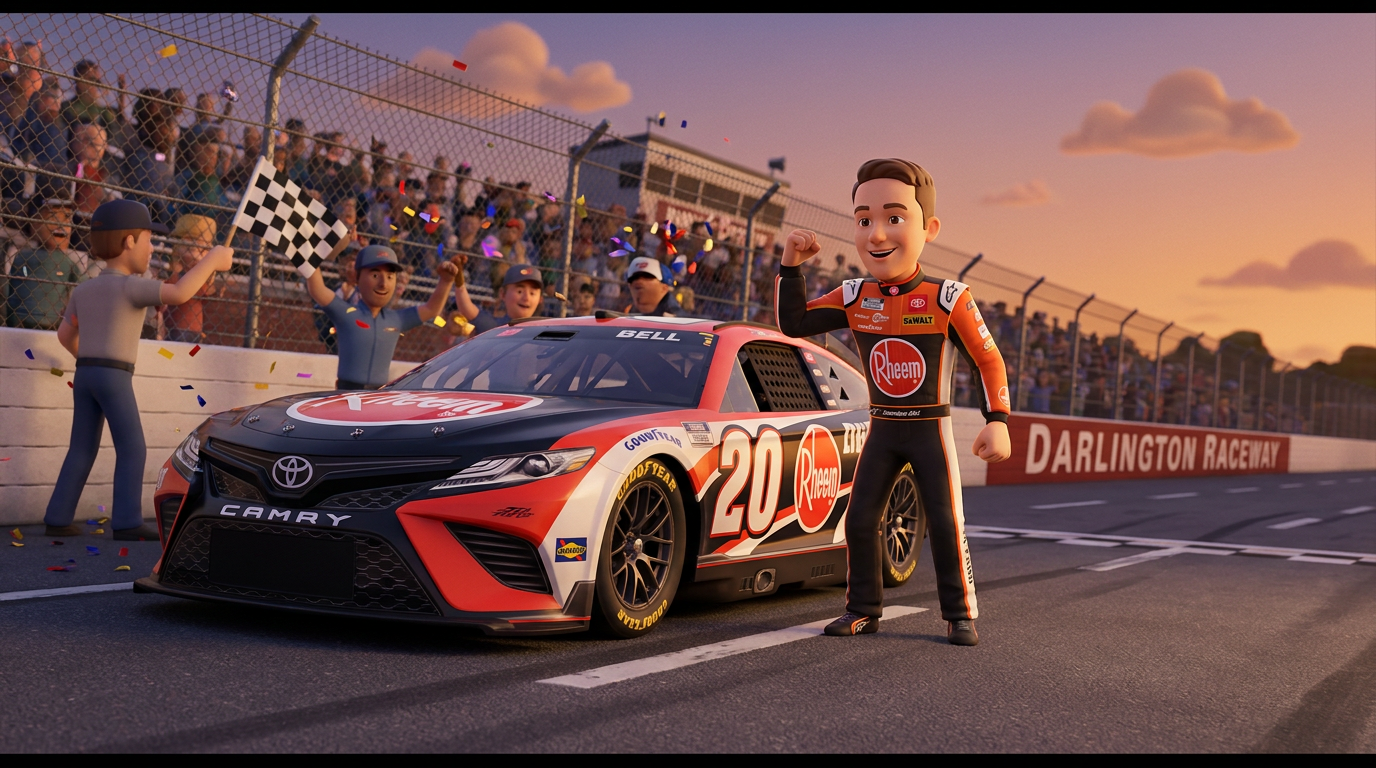
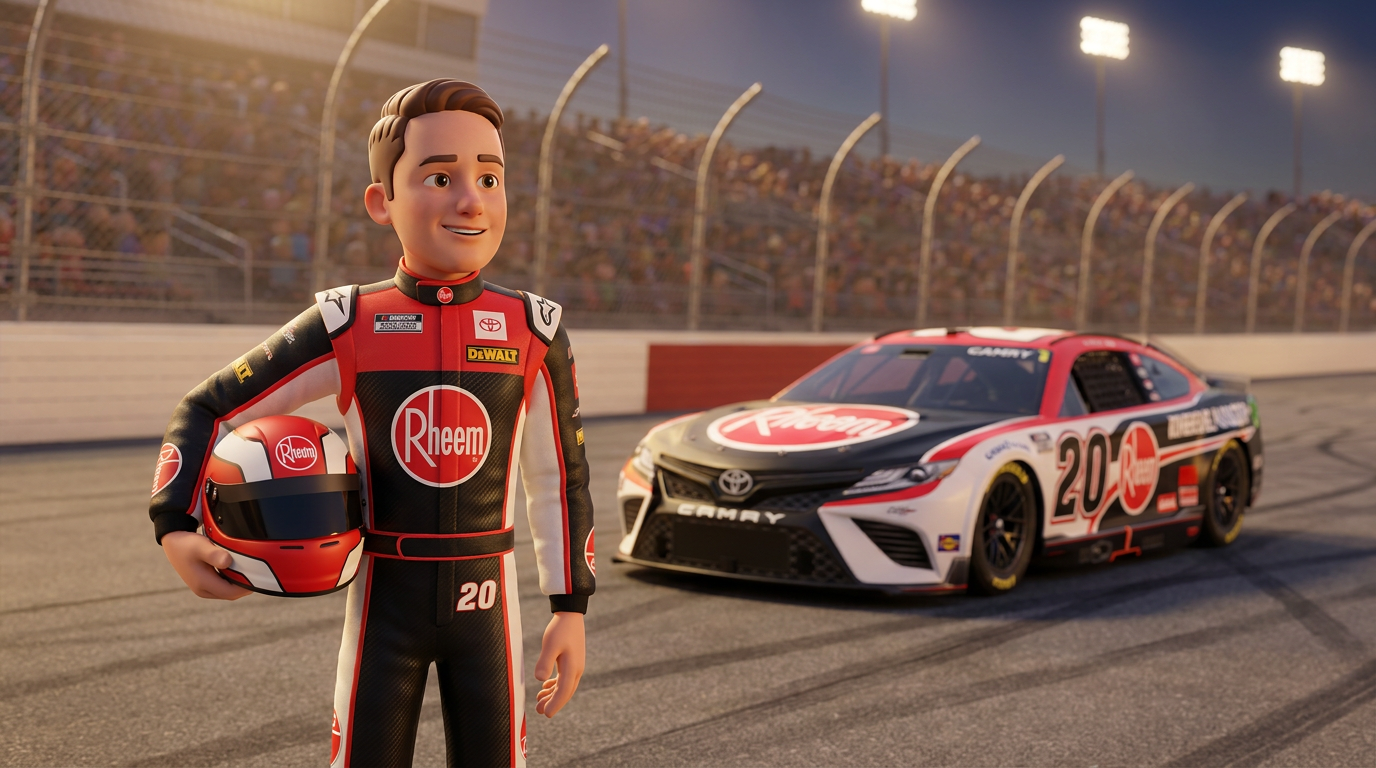
Christopher Bell began the Chase at Darlington on September 6 by passing Larson with 12 laps to go. Bell led 73 laps, won Stage 2 and beat Ty Gibbs by 1.038 seconds to claim his 14th Cup victory. Tyler Reddick took Stage 1 before finishing third.
Toyota heads to Gateway in an excellent position. Hamlin leads Bell by 12 points, Ryan Blaney by 16 and Reddick by 24.
Team Penske is keeping the pressure on. Logano won at Richmond on August 16 after leading 95 of 400 laps, while Austin Cindric recorded his best result of the season in third. Logano now holds prime track position for Sunday’s 240-lap race, split into stages of 45, 95 and 100 laps.
On current form, our performance verdict favors Toyota, though Penske is close enough to capitalize on any mistake. NASCAR should give that fight room to develop instead of presenting volatility as entertainment.
Aggression needs defined consequences
Carson Hocevar’s contact with Brad Keselowski at Darlington showed the flaw in NASCAR’s current approach. Keselowski was spun, then issued a blunt warning: “Watch out.”
Hard contact is part of stock car racing. An uncertain threshold for official intervention shouldn’t be.
Hocevar arrives at Gateway 12th in the standings, 89 points behind Hamlin. One avoidable incident can alter another driver’s championship during a 10-race title contest. NASCAR needs a published penalty ladder that separates racing mistakes from repeated or deliberate conduct, with escalating sanctions when the evidence supports them.
NASCAR should also issue a public officiating report after every Chase race. Each report should identify major calls, explain the reasoning and cite comparable precedents. Fans might still disagree, but they would know the standard race control used.
The Chase compresses too much
Darlington lasted 367 laps. Gateway covers 240. Yet both award points within the same broad framework, despite imposing different strategic demands and levels of exposure to incidents.
We would keep the 10-race Chase and reduce the opening reset. The regular-season leader should retain a meaningful advantage throughout the postseason, rather than receiving protection that can vanish after contact or a badly timed caution.
We would also limit the influence of stage points in shorter races. Stage breaks reward execution, but they interrupt strategy and increase the value of short-run track position. Long-run speed and tire care should carry greater weight, as should pit work.
Stability should extend beyond race control
Sunday’s race is scheduled for 3 p. m. ET on USA Network, with the green flag expected at around 3:10 p. m. ET. For the second consecutive race, the Cup broadcast remains on the same network.
That simple continuity matters. A postseason marketed as a premier sports property needs reliable broadcast windows. Fans shouldn’t have to follow network changes while monitoring cutoff positions.
Technical stability is important as well. Teams will receive 10 tire sets at Gateway. NASCAR should maintain predictable allotments while examining whether stage timing and caution procedures reward genuine tire management. Frequent rule changes bring their own complications, so any revisions must be focused and published well before the next season.
Let the contenders settle it
Hamlin holds the points lead. Bell won the Chase opener. Logano starts from pole at Gateway and has 39 career Cup wins following his Richmond victory.
NASCAR doesn’t need to create extra tension around these drivers. The competition supplies enough. Clear contact rules, transparent reviews and less postseason compression would produce a champion who commands greater respect without stripping aggression from the racing.
The next test comes Sunday across 240 laps at Gateway, where Logano and Larson will lead the field toward the expected 3:10 p. m. ET green flag.