Formula 1’s 2026 rules are reshaping driver decisions as teams weigh adaptability, technical feedback, experience and contract timing.
Formula 1’s 2026 regulations will change the cars and shape which drivers teams recruit, retain and release. With the chassis and power-unit rules resetting together, no competitive order is guaranteed. Driver decisions will hinge on adaptability, technical feedback, experience and contract timing, rather than recent results alone.
A regulation reset brings opportunity and risk
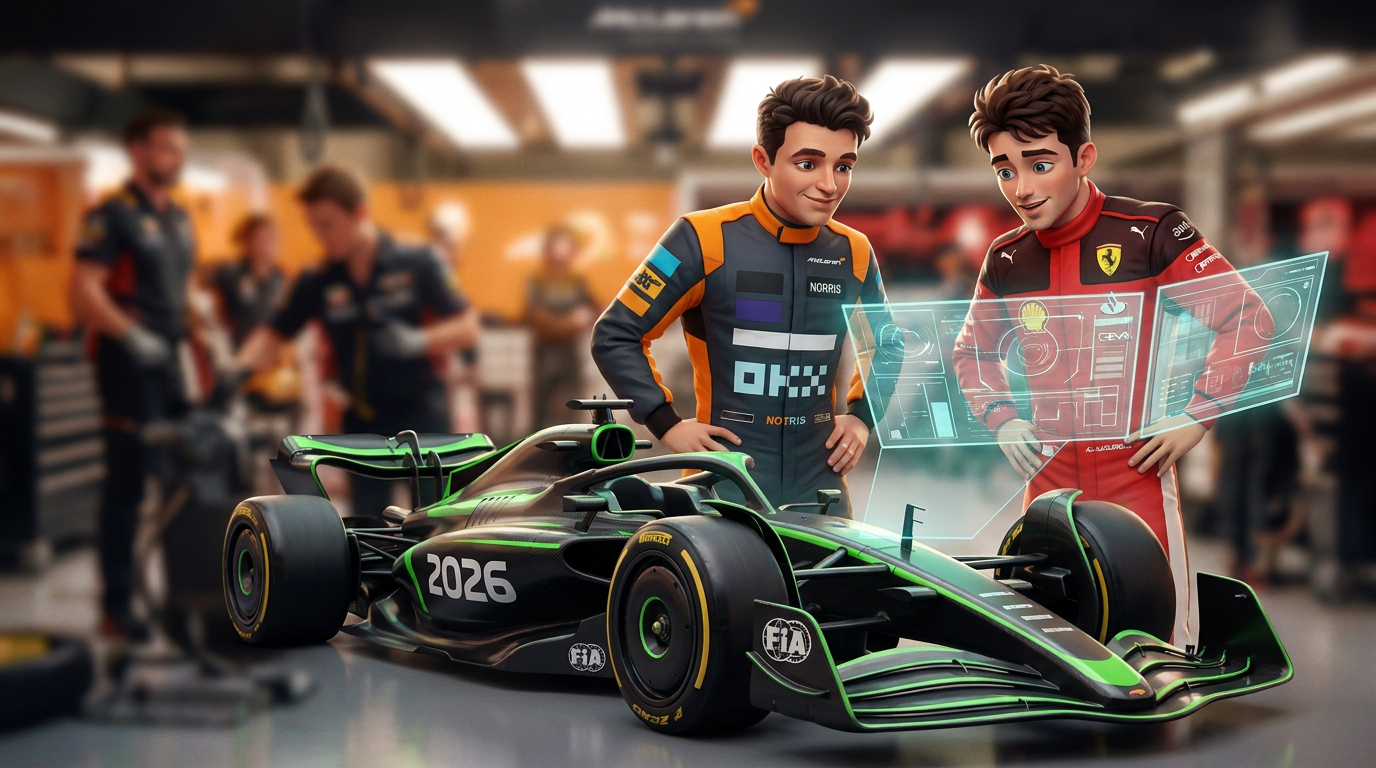
Major rule changes have often reordered Formula 1’s hierarchy, but the 2026 package is particularly significant because substantially revised cars will arrive alongside a new generation of hybrid power units. The engines will place greater emphasis on electrical energy. Meanwhile, the chassis regulations target smaller, lighter machinery and introduce active aerodynamic concepts.
The scale of the changes creates uncertainty. A current front-running team may fall back, while a midfield operation could take a decisive step forward. Drivers and their representatives must assess each project without knowing where any entrant will rank when the new era starts.
Team principals face the same issue.
A driver who thrives in established machinery may not be the right choice to steer development through a fundamental reset. An experienced competitor with strong technical communication, however, may become more valuable even if headline results do not make an overwhelming case.
Contract length sits at the center of that calculation. Deals covering 2026 protect drivers from a volatile market and give teams continuity during a technically demanding transition. Shorter agreements maintain flexibility, although both sides are left exposed if the competitive order changes quickly.
Adaptability becomes a prized attribute
The fastest drivers generally adapt, but 2026 may test that skill in several areas. Changes to aerodynamic behavior, energy deployment and braking characteristics may demand different approaches to corner entry, throttle application and race management. Planned active aerodynamic systems will add another element to extracting performance over a lap.
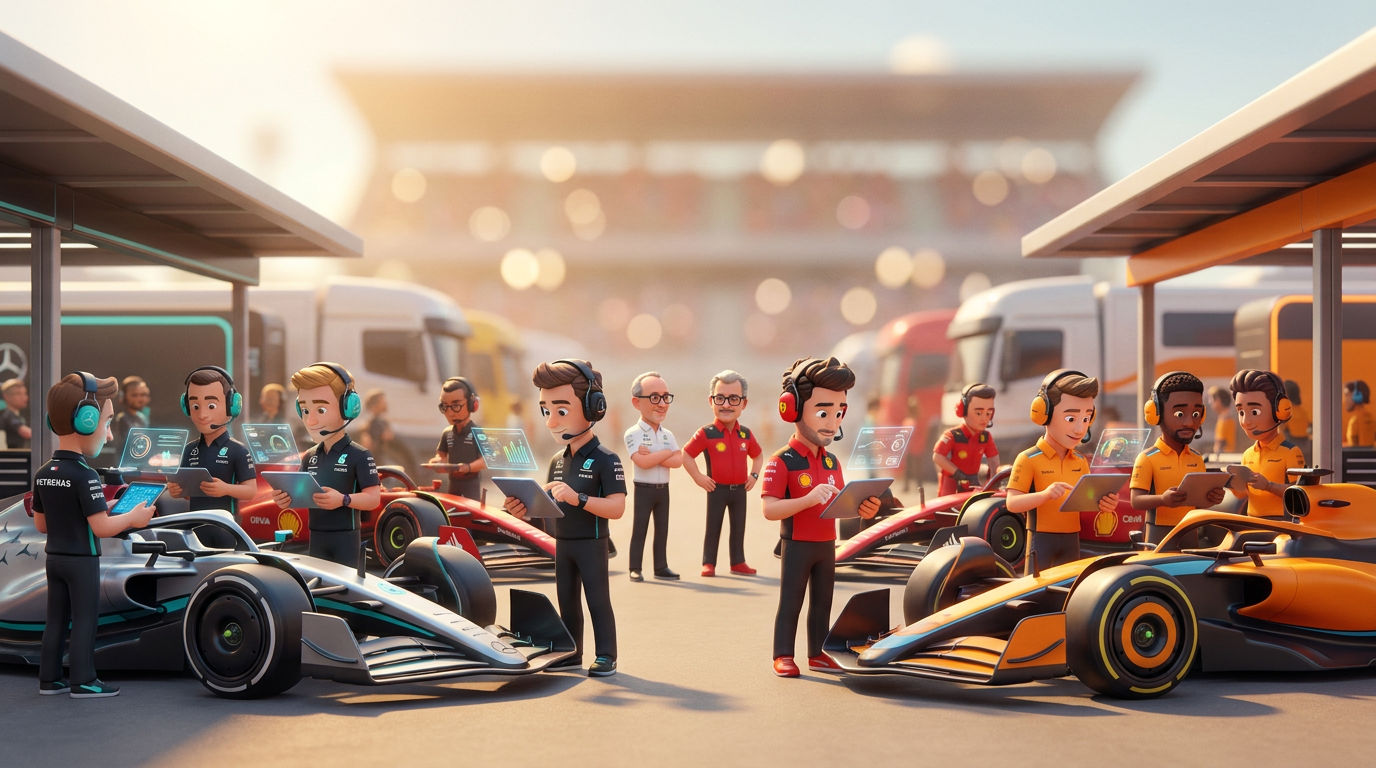
Teams are unlikely to measure adaptability with a single metric. They can instead study how drivers respond to upgrades, shifting balance characteristics and difficult conditions. Simulator work will matter too, as engineers develop models of cars that cannot undergo extensive track testing before their competitive debut.
The most attractive candidates will likely offer a range of qualities:
- Quick adjustment to unfamiliar handling traits and operating procedures.
- Clear, consistent feedback that engineers can apply to development work.
- Effective energy and tyre management without giving up outright pace.
- Simulator confidence and the ability to correlate virtual behavior with the track.
- Composure if early reliability or performance falls short of expectations.
Those demands do not automatically favor veterans over younger drivers. An established racer may have experience across several generations of machinery, while a newcomer may adapt more freely without ingrained expectations. Drivers who show speed and flexibility will hold the strongest negotiating position.
Technical feedback may settle close decisions
Under stable regulations, teams can refine a familiar concept and compare drivers against a mature baseline. A reset disrupts that process. Engineers must work out whether a problem lies in the underlying design, its set-up window or the driver’s technique. Detailed feedback can speed up that diagnosis.
That increases the value of technically engaged drivers. Teams need someone who can describe balance changes precisely, separate aerodynamic instability from mechanical limitations and reliably repeat test programmes. This work attracts less attention than a qualifying lap, but it can direct development throughout a season.
A balanced pairing may therefore offer greater value than two drivers with similar profiles. One seat could go to an experienced development leader, with a younger prospect offering long-term potential in the other. A team could instead retain continuity in both cars, reducing variables while it learns the new package.
Speed is only part of the equation. If the early 2026 cars are difficult to operate consistently, drivers who limit costly errors and preserve mileage will help their teams collect data. Reliability is primarily an engineering concern, but disciplined driving can make scarce testing and practice time more productive.
Power-unit alliances add market complexity
The 2026 power-unit picture brings another consideration. Manufacturer projects and customer relationships can shape where drivers identify the best opportunities, especially when a works team controls chassis development and engine integration. History, though, warns against assuming factory status guarantees immediate success.
Drivers choosing between projects must consider infrastructure, leadership stability and development trajectory alongside brand reputation. Switching power-unit partner may provide substantial upside, but integration risk can hurt performance and reliability. An established partnership may appear safer, yet it can still fall behind if a rival interprets the regulations better.
This uncertainty improves the bargaining position of elite drivers who have multiple options. They can pursue long-term commitments, performance protections or a clearly defined role in directing the project. Drivers with fewer choices may secure a seat by signing early, but that can also bind their careers to an unproven package.
Young drivers encounter a changing pathway
The reset may create rookie opportunities, but teams could also become cautious. Pairing a new driver with a new technical platform introduces two learning curves at once. Organizations pressed to understand their cars quickly may choose proven experience, particularly if there is no stable benchmark elsewhere in the line-up.
Academy talent remains attractive because of cost control and long-term planning. A well-prepared rookie can deliver value across several seasons and may adapt naturally to new systems developed extensively in simulators. Practice outings and private testing in older cars also allow teams to assess preparation, communication and consistency.
Promotion timing is critical for junior drivers. A move before 2026 gives them Formula 1 experience ahead of the reset. Arriving during the new era means they do not have to unlearn the previous generation, although it makes their debut more complex. Neither route is universally safer, increasing the importance of reserve roles and simulator programmes.
The first races will start the next market
The 2026 driver market will continue after the opening grid is set. Once the cars race, evidence will replace assumptions about each team’s strength. Drivers committed to improving projects may find a path to victories, while those tied to struggling programmes could reconsider their futures.
Teams will monitor developments just as closely. Early adaptation, development leadership and resilience may decide who becomes central to a project and who returns to the market. Results will retain the greatest weight, but context will count. Reliability, car behavior and the pace of technical progress will all affect fair comparisons.
The 2026 season will reset the competition and redirect careers. The smartest choices may lack glamour when the contracts are signed. Once the new cars leave the simulator and reach the circuit, Formula 1’s competitive order, along with the value of the drivers trying to master it, will become clearer.