The 2026 MotoGP season is reaching a pivotal phase as riders prepare for the Japanese Grand Prix at Motegi, a round crucial to the championship battle.
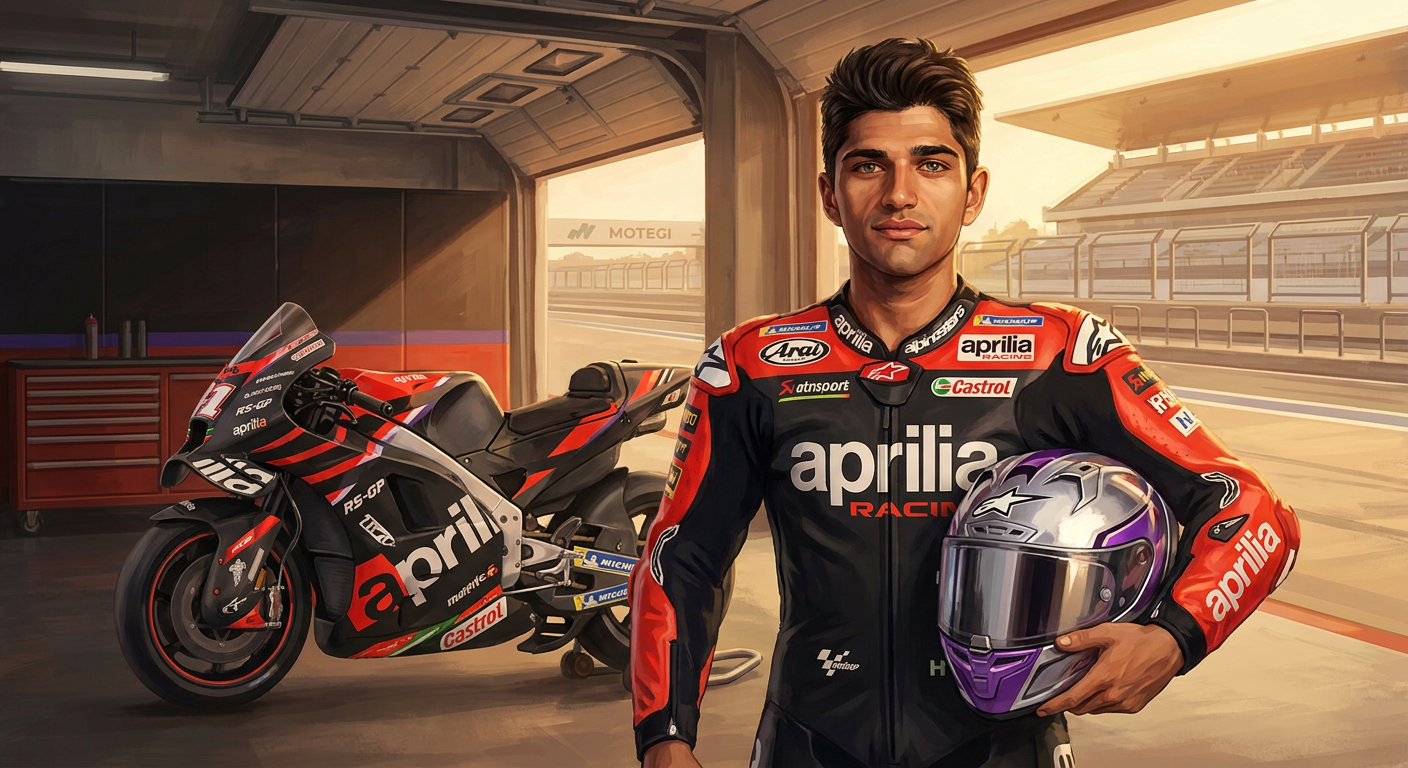
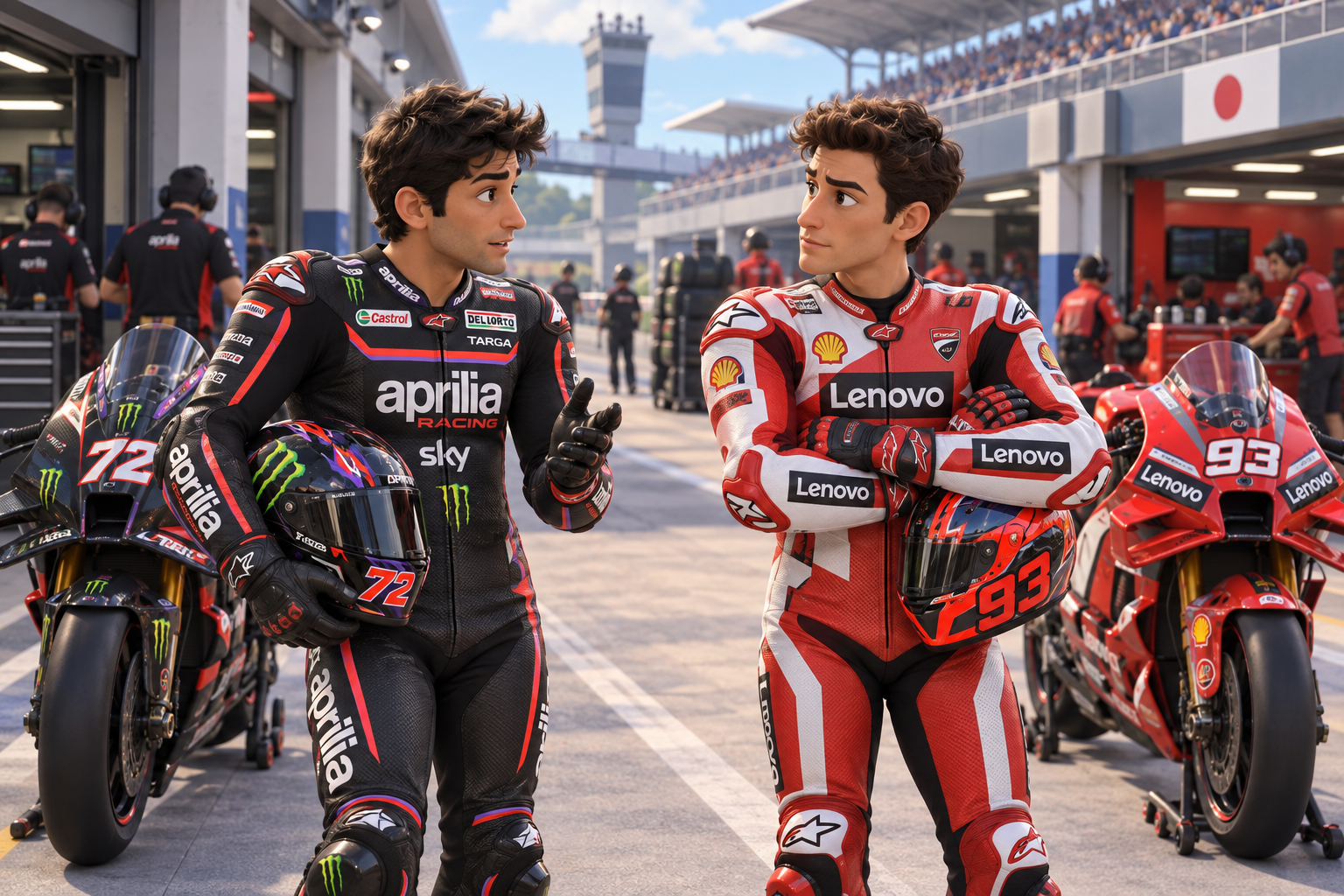
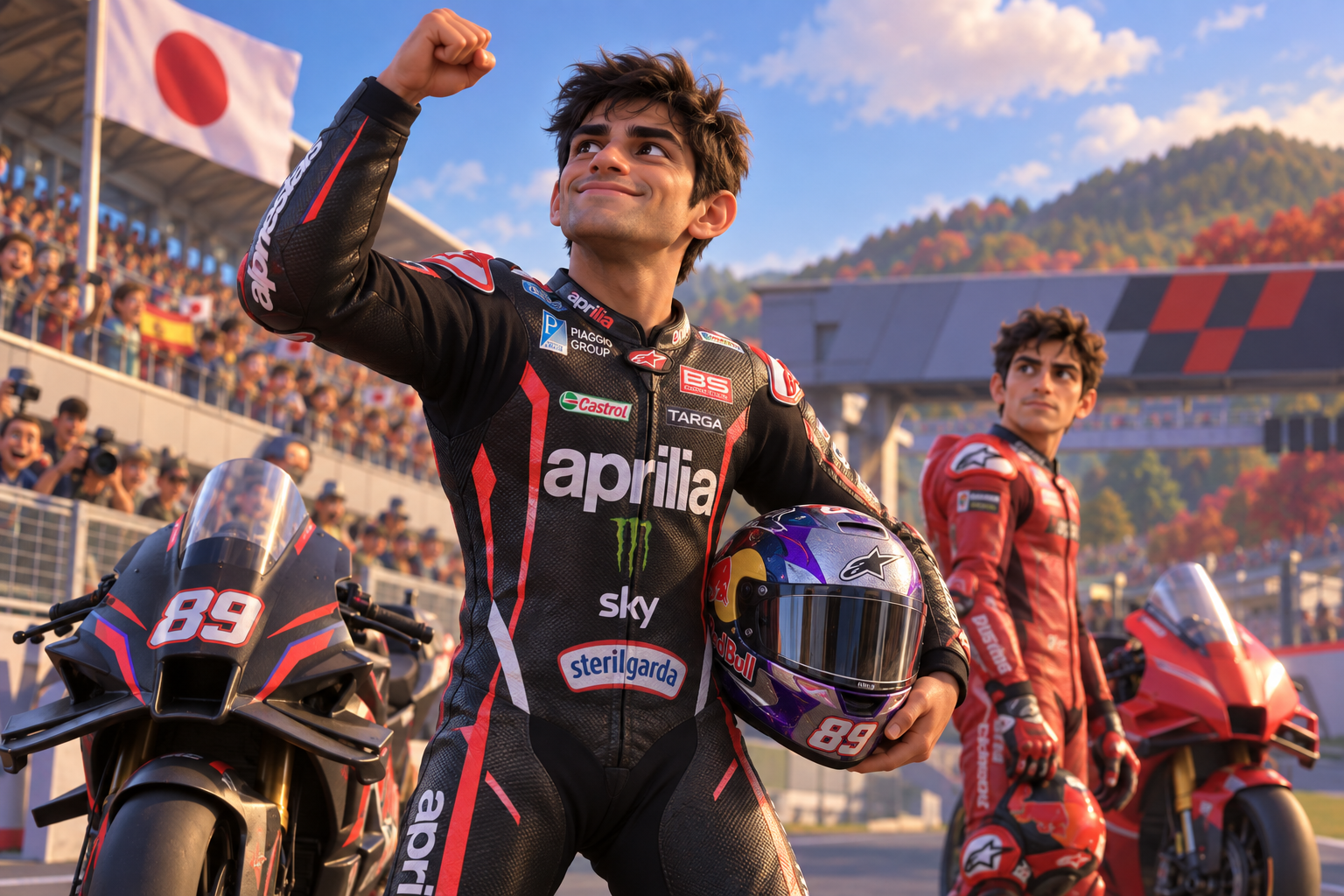
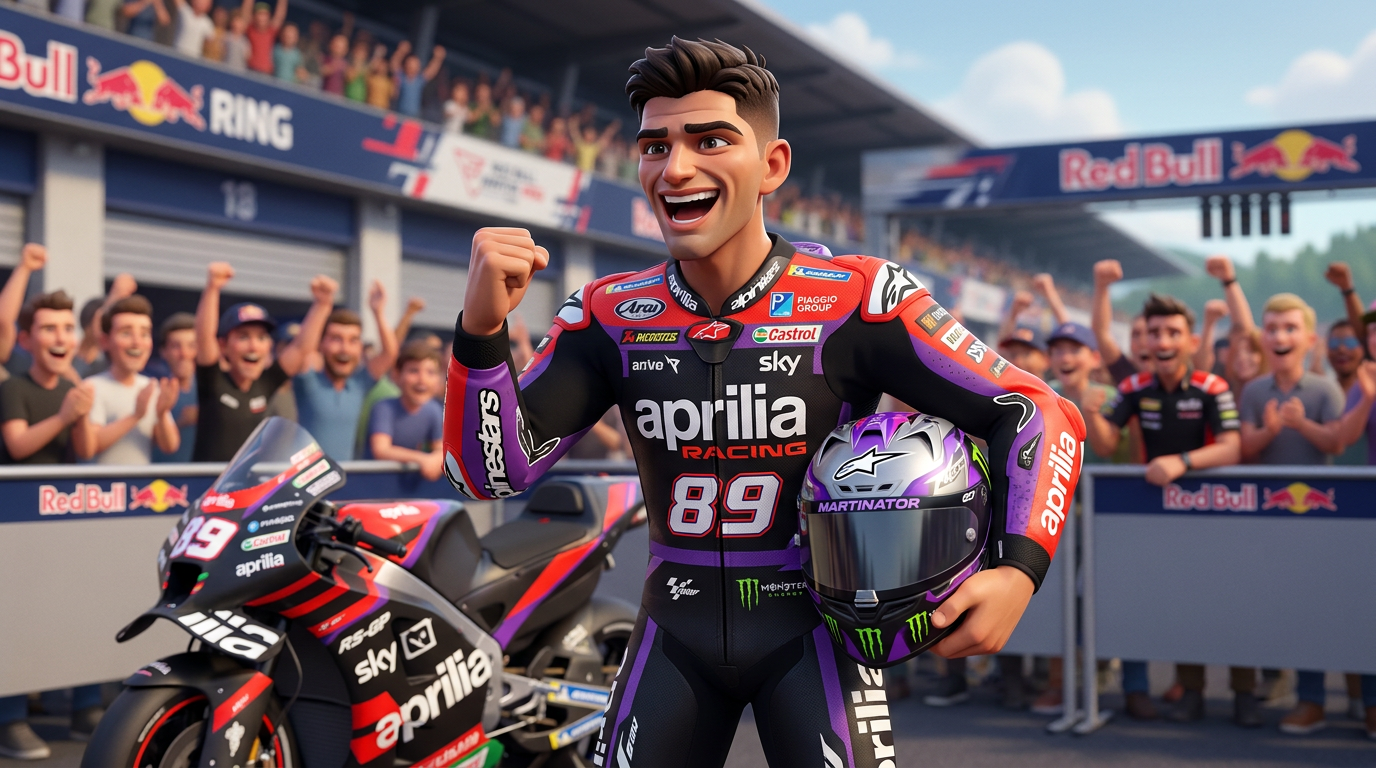
With only seven GPs remaining, the pressure mounts for championship contenders Marc Márquez, Jorge Martín, and Marco Bezzecchi, all demonstrating strong performances in the initial practice session.
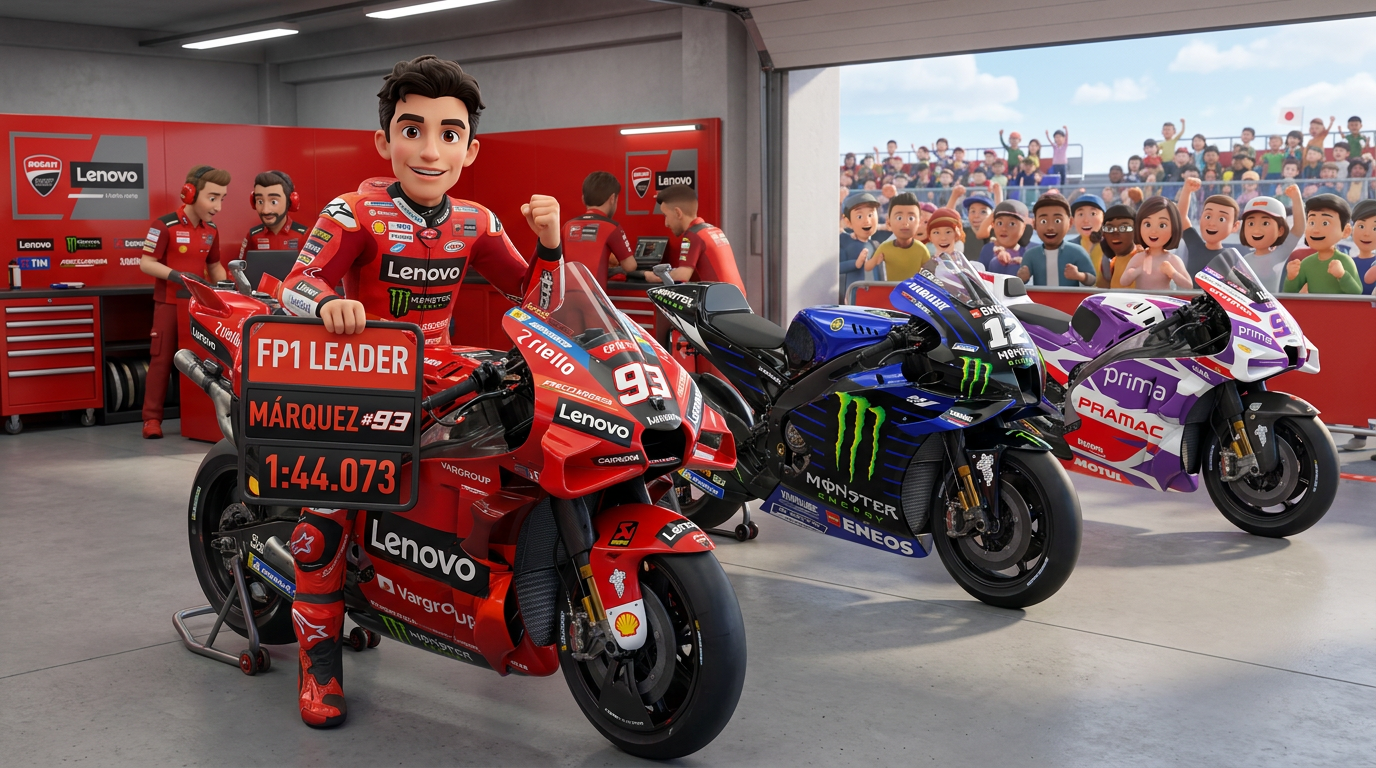
Marc Márquez led the field with a lap time of 1:44.073, narrowly edging out Jorge Martín by 0.099 seconds. His stellar performance in the mixed weather conditions sets a serious tone for the rest of the weekend, highlighting his aggressive approach as he pushes to close the 12-point gap separating him from championship leader Martín. Meanwhile, Aprilia's Marco Bezzecchi is also in the hunt, trailing by 42 points and angling for any opportunity to claw back into contention.
Challenging Track Conditions Influence Strategy
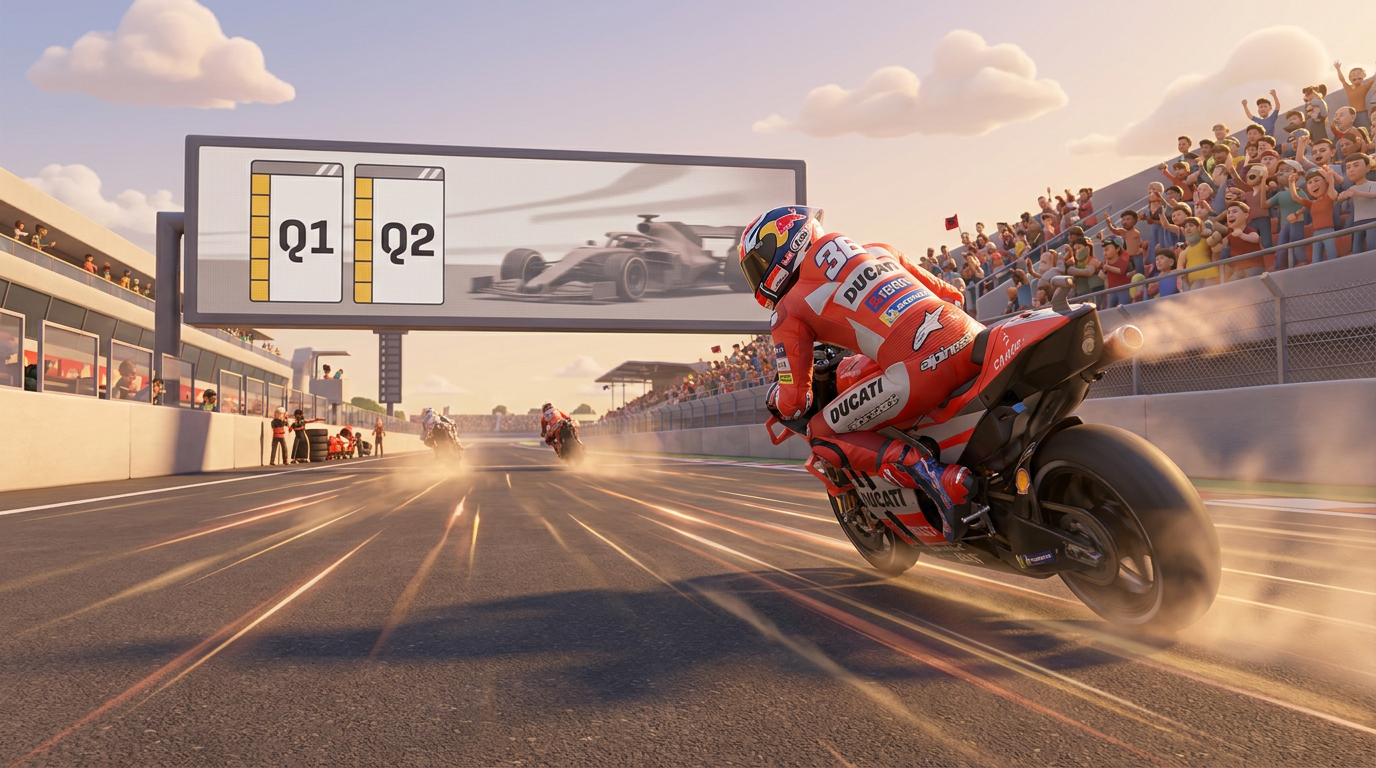
The Japanese GP weekend began with tricky conditions, as the track at the Mobility Resort Motegi started damp, challenging the riders from the outset. The initial wet conditions prompted teams to meticulously manage their setups to optimize grip and manage tire wear on the freshly paved surface. As the sun emerged, conditions improved significantly, allowing riders to finally switch to slick tires and achieve faster lap times in the latter half of the session.
The Importance of Tire Management
In the early session, the damp Motegi track made tire choice critical, forcing teams to adapt their strategies continually. As conditions dried, riders including Márquez and Martín executed their plans by shifting to slicks, which enabled them to post some of the fastest laps of the day. Their ability to effectively manage tire performance was a key factor that set the top riders apart from the rest, emphasizing the necessity of swift adaptation to rapidly changing track conditions.
Aerodynamics and Setup Adjustments
The need for constant setup adjustments was evident as both Ducati and Aprilia teams tweaked their aerodynamic configurations throughout the session. These refinements were crucial to maintaining competitive handling and grip levels as the track conditions evolved. This highlights how intricate details in setup can drastically impact overall performance, particularly when facing unpredictable conditions.
Sector Dominance and Performance Insights
Analysis of sector times revealed that Márquez's dominance was most pronounced in the technical sections of the track. His Ducati's superior acceleration and cornering stability gave him an edge in these areas. Conversely, Jorge Martín capitalized on Aprilia's speed advantage on the straights, showcasing the bike's top-end capabilities.
Implications for the Championship
The FP1 results have intensified the pressure within the championship race. Marc Márquez’s resolve is clear as he states, "From now on we have to attack always," highlighting the aggressive mindset necessary to contend for the title. While there are only seven races left, the tension among the top competitors grows, as every point is increasingly significant.
Marco Bezzecchi’s third-place performance in FP1 signifies his ongoing challenge, although he still faces a considerable gap behind Martín. Team Manager Paolo Bonora from Aprilia underscores the need to strategically "attack when we can" and "keep the fire alive" with both Martín and Bezzecchi in the mix for the title. The varying dynamics among the competing manufacturers and their riders add layers to an already complex championship tussle.
Looking forward, riders and teams will continue to refine their setups during the subsequent sessions, with expectations that conditions will stabilize. This will be crucial for honing race strategies and potentially shifting the momentum in the championship race. The unfolding drama at Motegi sets the stage for what promises to be an exciting conclusion to the 2026 MotoGP season, as each competitive session provides new insights and challenges for the riders in their quest for glory.