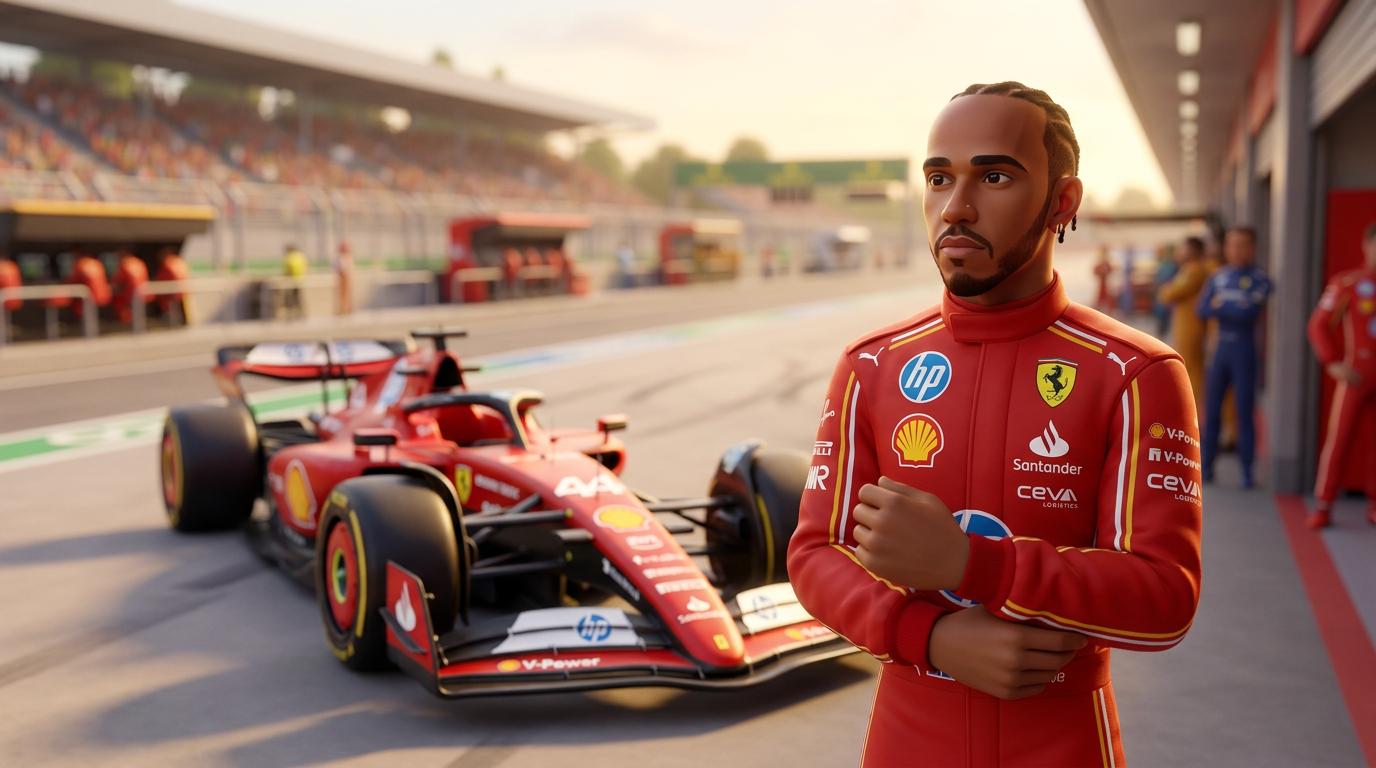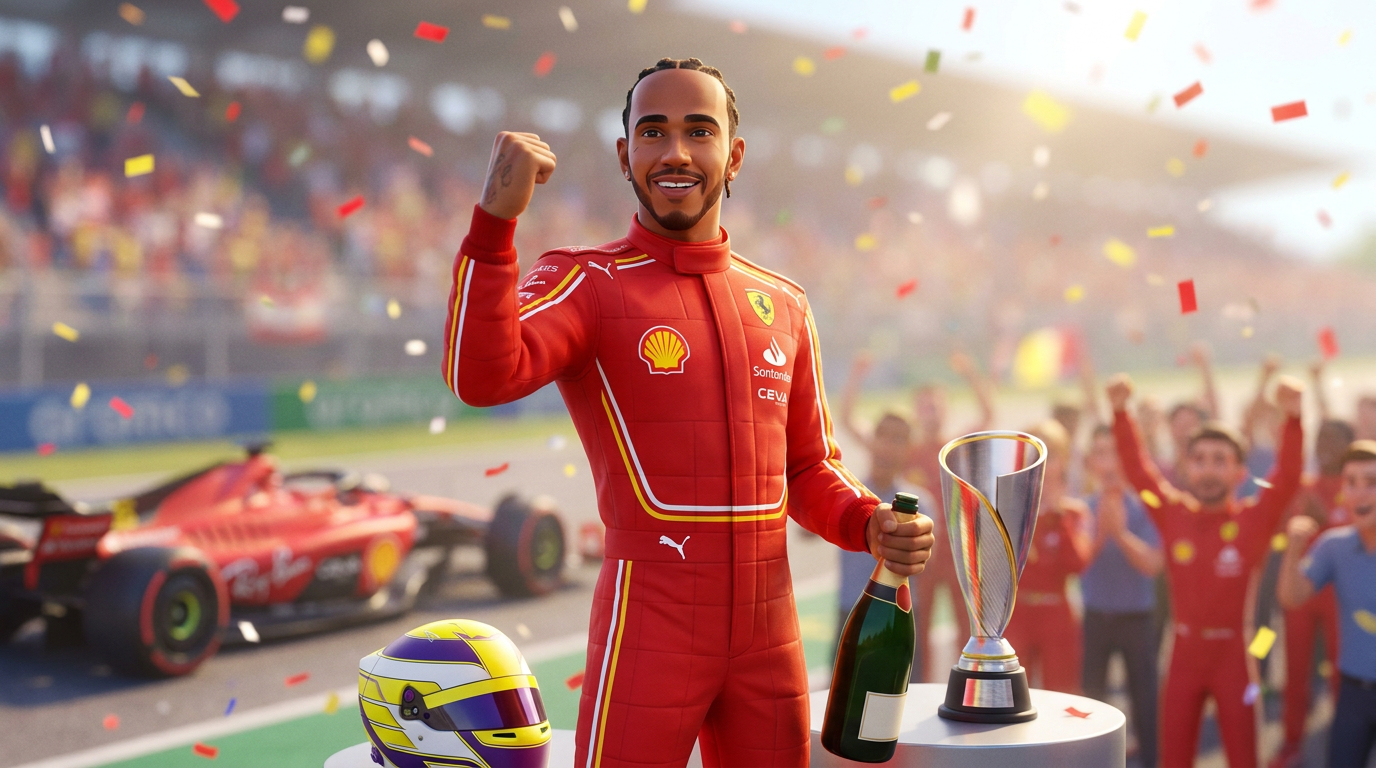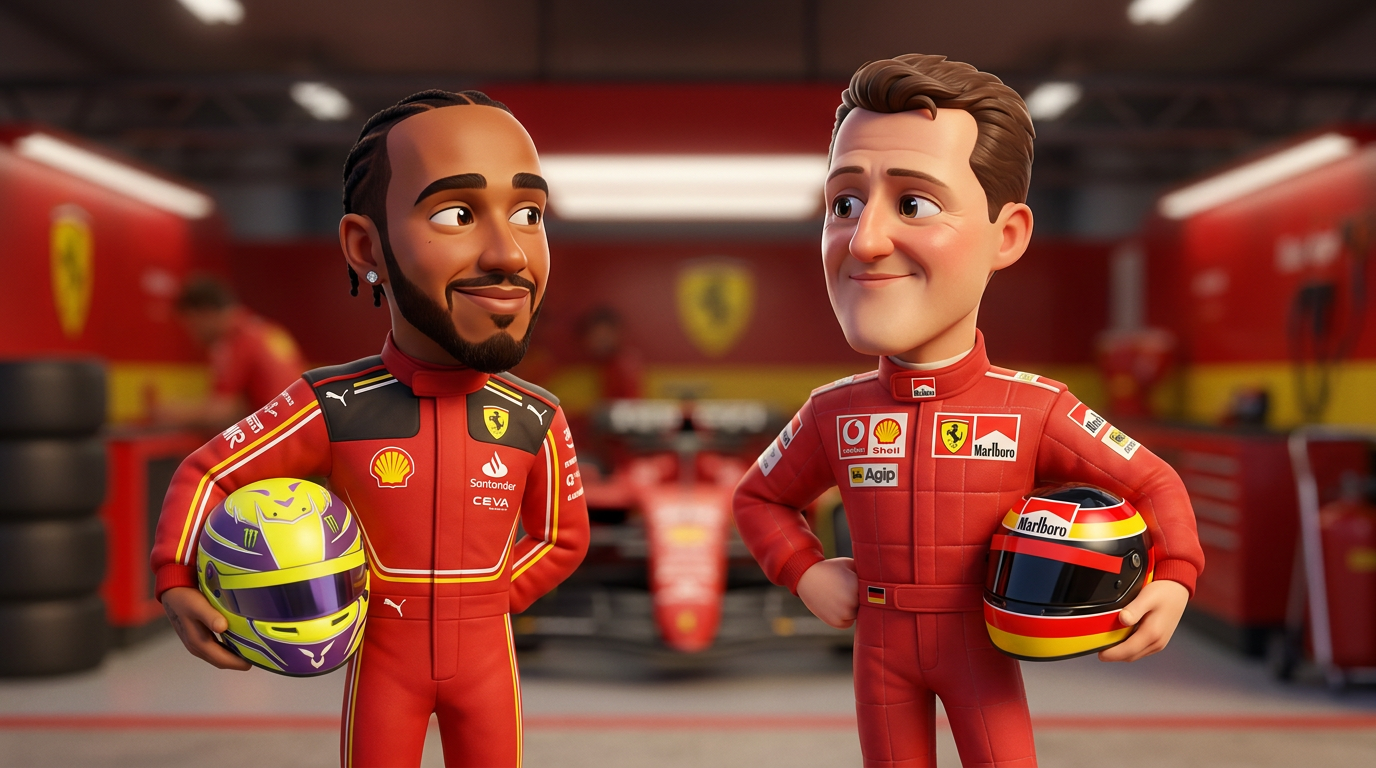
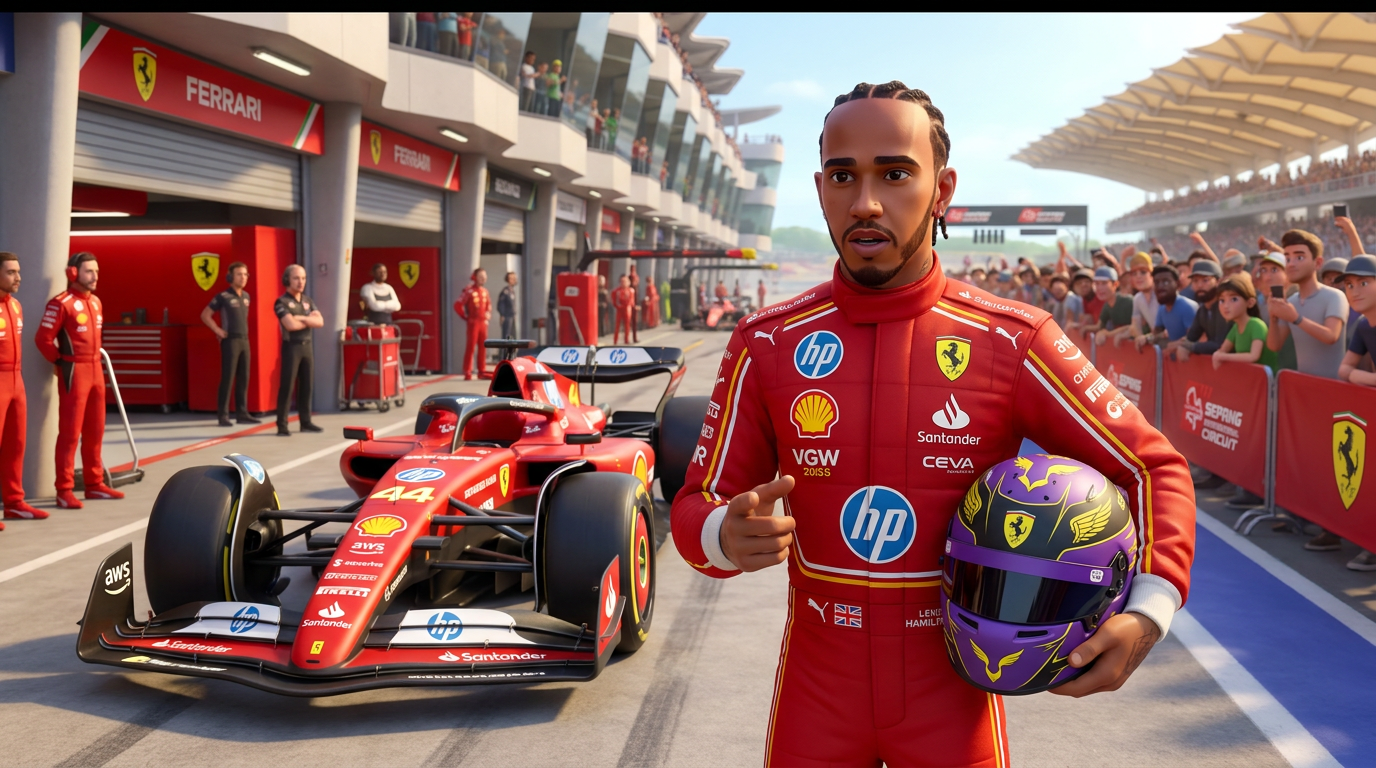
Lewis Hamilton's recent commentary on the performance struggles of Ferrari's SF-26 highlights critical issues surrounding the iconic team’s power unit inefficiencies.
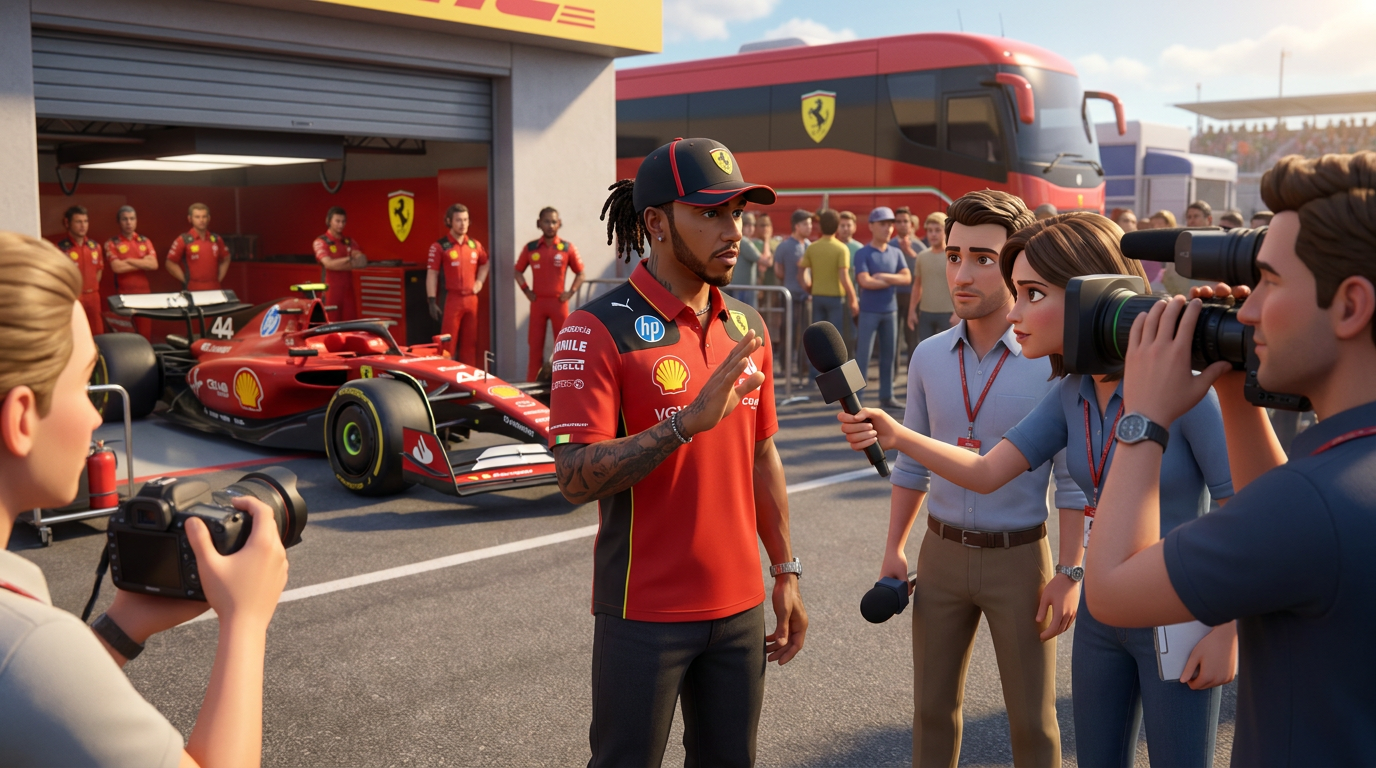
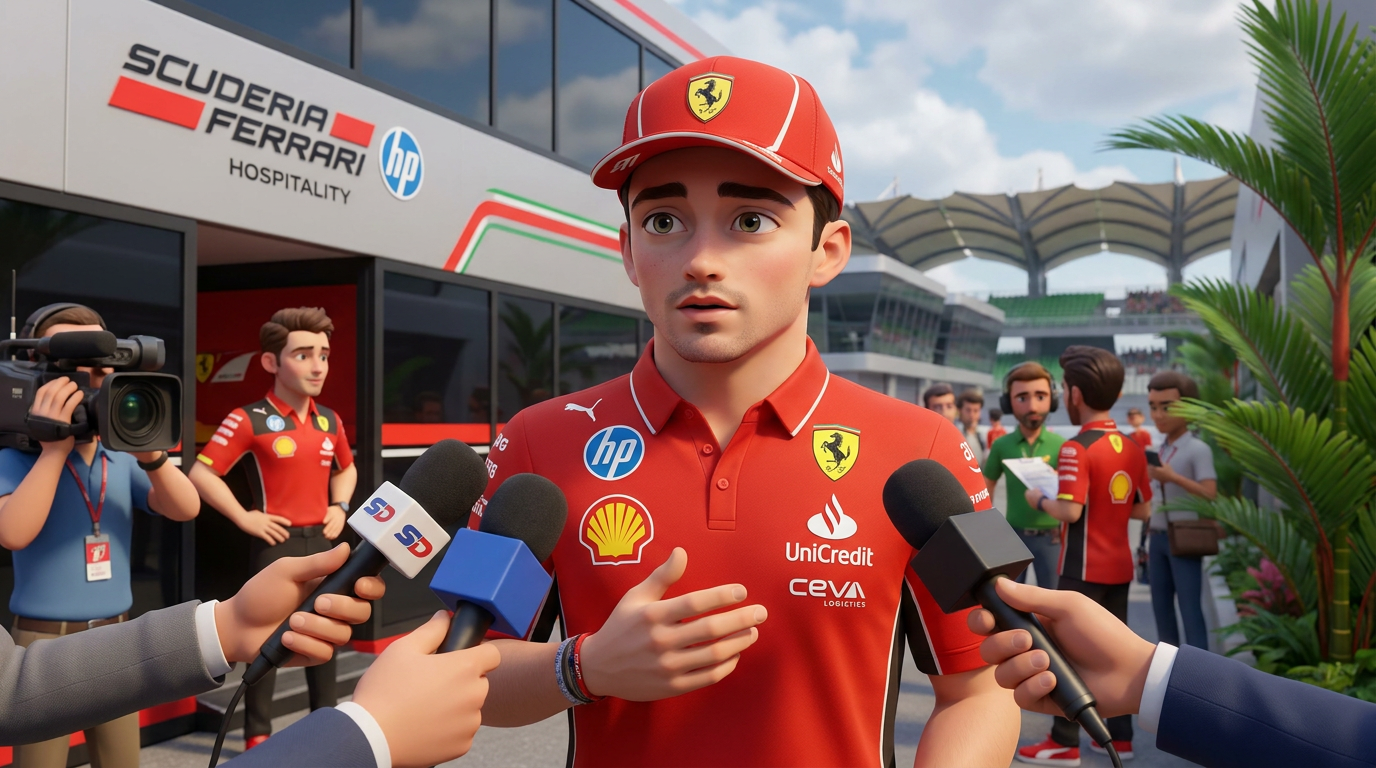
At the heart of Hamilton's insights, revealed during a media session at Sepang, is the claim that Ferrari's engine deficit costs them crucial time on the track, particularly on straight sections where speed is a decisive factor.
The question plaguing Ferrari is whether they can resolve these shortcomings in time to compete effectively in the remaining Formula 1 races. Hamilton detailed the SF-26's power unit as lacking both efficiency and top-end speed, costing the team "between four and six tenths of a second just on the straights." This deficit significantly impacts Ferrari's competitive edge in races, prompting urgent calls for technical improvements.
Engine Efficiency Concerns
Hamilton's observations emphasize the SF-26's limitations in power unit efficiency, which restricts the car's performance during high-speed sectors. Ferrari's aerodynamic advantages have not sufficed to compensate for the power unit's shortfall, leaving the team vulnerable at circuits such as Monza and Baku, where straight-line speed is crucial.
Technical data from various Grand Prix events corroborates Hamilton's assessment. While Ferrari has shown competitive aerodynamic performance in certain sectors, the overall speed achieved on long straights remains significantly behind rivals. This has been a focal point for criticism and reflection within Ferrari's team strategy discussions.
Comparative Performance Analysis
The performance gap between Ferrari and their competitors, particularly in straight-line speed, has become a focal talking point. Ferrari finds itself in a precarious position, with circuits favoring aerodynamic efficiency becoming less forgiving. As a result, this has incited both internal and external pressure for rapid development and deployment of power unit improvements.
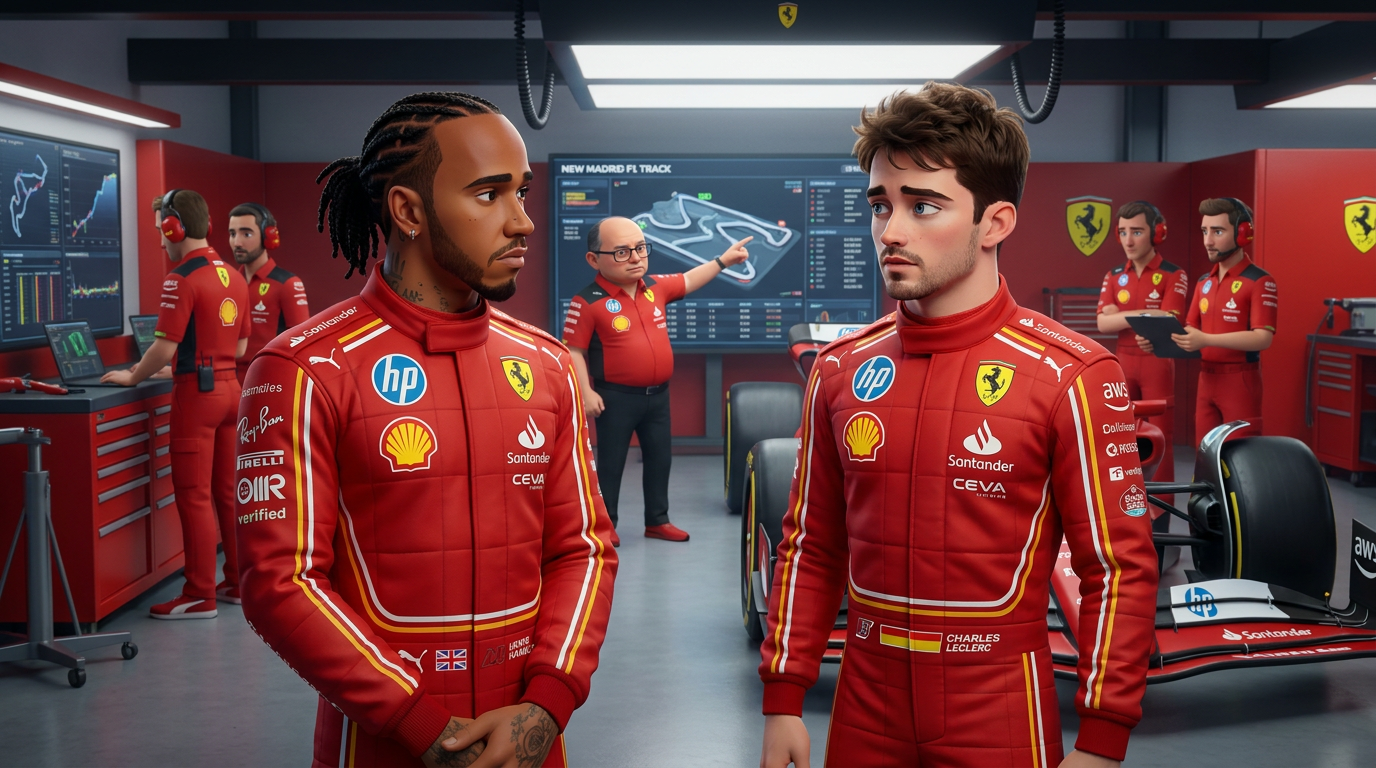
Team principal Frédéric Vasseur, despite speculation about his leadership, has received public backing from key team members, including Hamilton. "A unified approach is essential," Hamilton was quoted as saying, stressing the importance of team stability not only for morale but also in pursuing the technical upgrades necessary to surmount current challenges.
Focus on Team Leadership
Hamilton's defense of Vasseur points to a broader belief in the necessity of leadership continuity. The Italian outfit's ability to address its primary weakness—the power unit—relies heavily on a coordinated effort led by Vasseur. His stewardship over the team aims not only at improving current performance but laying a foundation for future success.
Despite speculation, Vasseur's leadership is seen as critical to fostering an environment where engineering fixes can take root. Stability is viewed as a pivotal element in driving the team towards developing solutions that align with their competitive goals.
Strategic Prospects Moving Forward
As the F1 calendar progresses, with eight Grand Prix weekends remaining, time is of the essence for Ferrari to implement significant power unit upgrades. Circuits lined up for the remainder of the season will test the team's ability to adapt and react, with several places highlighting straight-line speed as a decisive factor.
Ferrari's success at these circuits will largely depend on their capacity to innovate and their execution of power unit enhancements. Improvement plans are imperative given the upcoming races, which are less forgiving of power deficits compared to those that favor handling and aerodynamics.
In the broader scope of this mechanical conundrum, Ferrari's standing within the Constructors’ and Drivers’ Championships remains tenuous. Success hinges on the swift resolution of power unit inefficiencies and could realign the team’s competitive potential through the rest of the season.
Ultimately, Ferrari's predicament underscores a pivotal moment, where technical ingenuity must meet operational efficiency to redefine their trajectory this season. Whether they can rectify these power unit struggles remains a central question, promising to shape narratives both within the paddock and among the wider racing community.