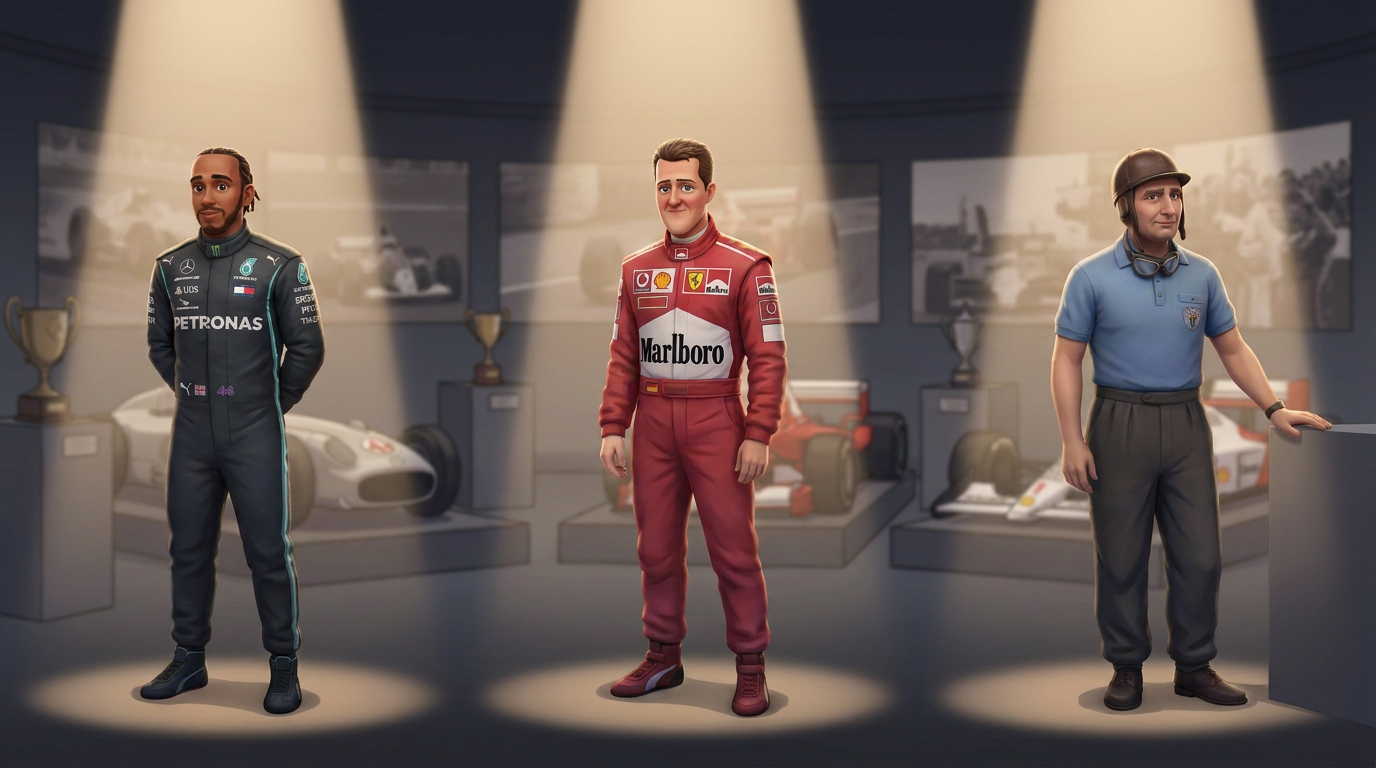
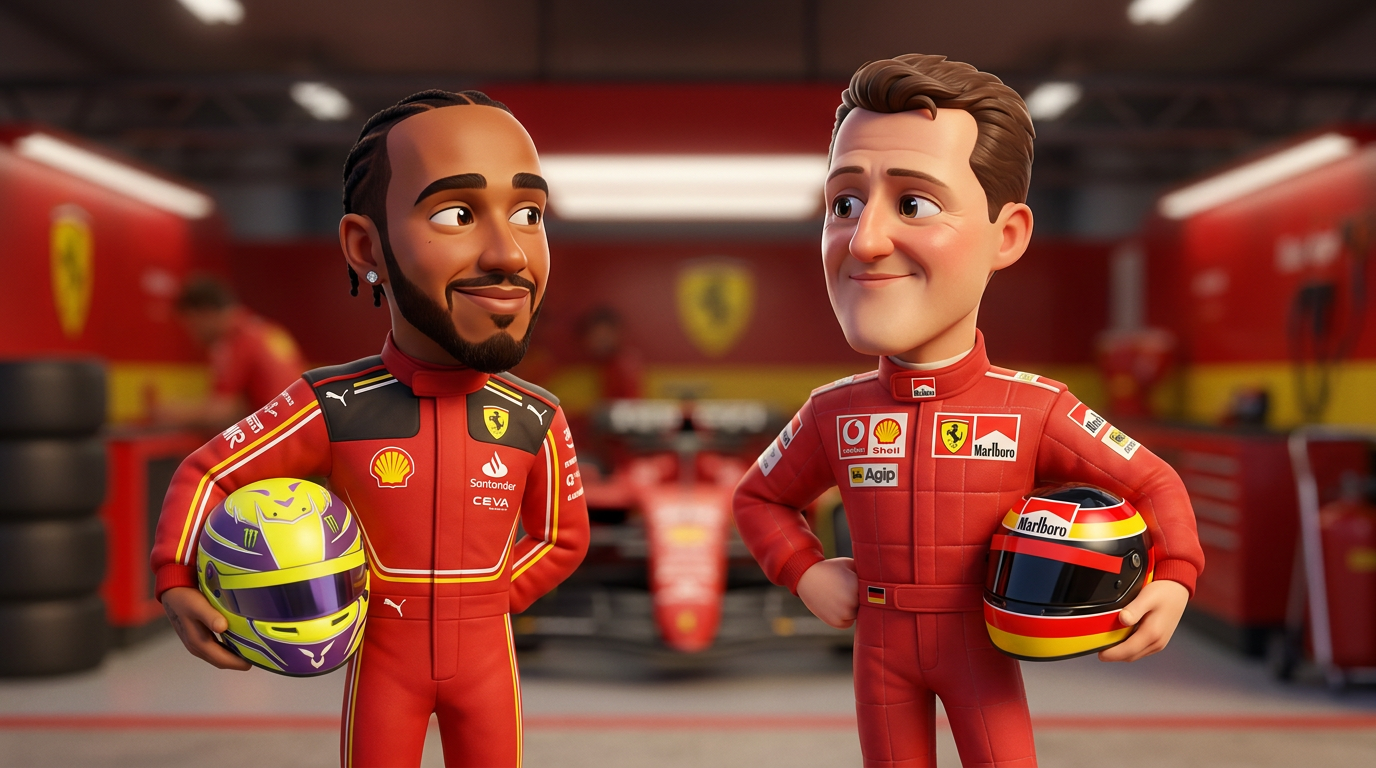
Rob Smedley links Lewis Hamilton and Michael Schumacher through their leadership at Ferrari, adding fresh context to their shared record of seven titles.
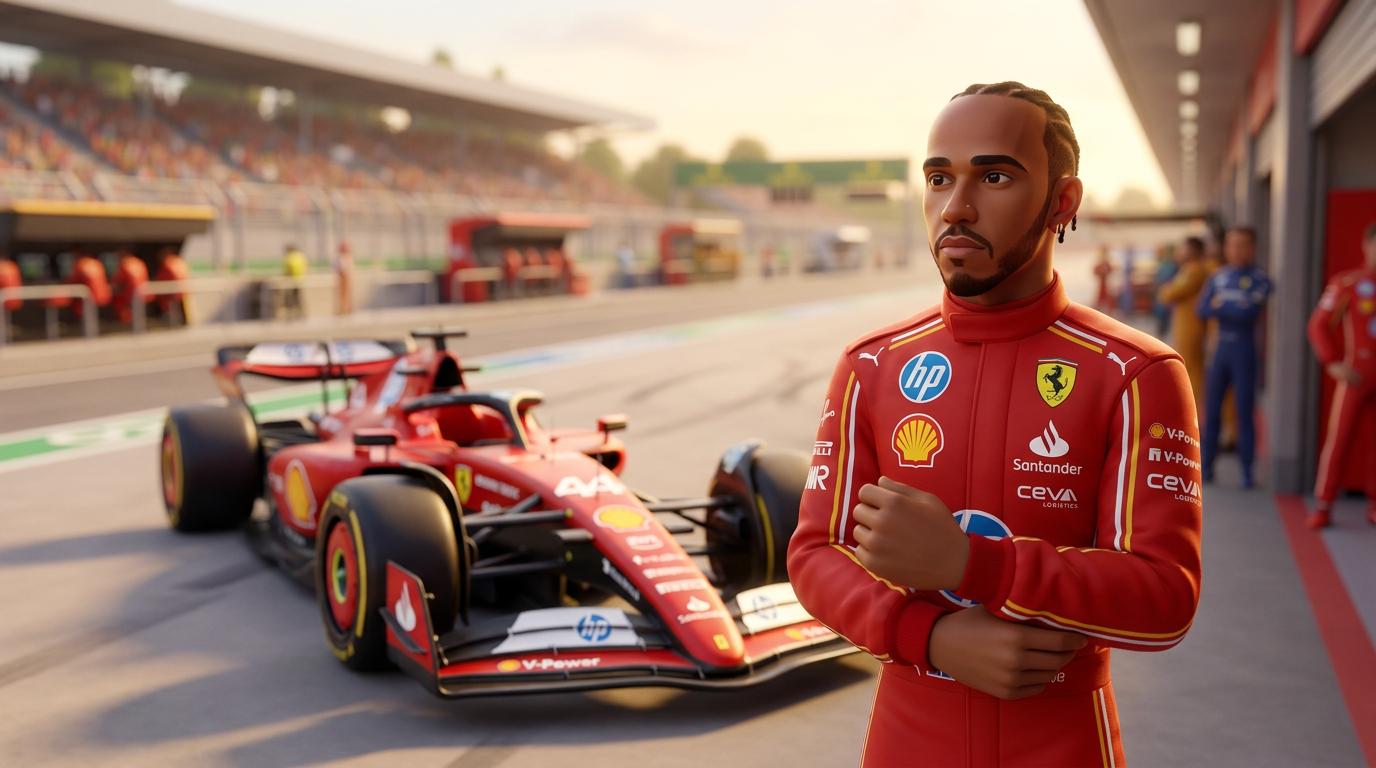
Lewis Hamilton’s latest Ferrari chapter has renewed Formula 1’s defining cross-era comparison. Former Ferrari engineer Rob Smedley says personnel at Maranello see similarities between Hamilton and Michael Schumacher, bringing team-building into a debate often reduced to championships and victories.
The shared benchmark
Hamilton and Schumacher share the top spot on the drivers’ championship list with seven titles apiece. Schumacher won with Benetton in 1994 and 1995, then claimed five consecutive championships for Ferrari from 2000 through 2004.
Hamilton earned his first crown with McLaren in 2008 before adding six more for Mercedes between 2014 and 2020. The totals are identical, but the careers took different paths. Schumacher led Ferrari through its most dominant modern period, while Hamilton became the central driver in Mercedes’ hybrid-era dynasty.
Hamilton holds the victory lead
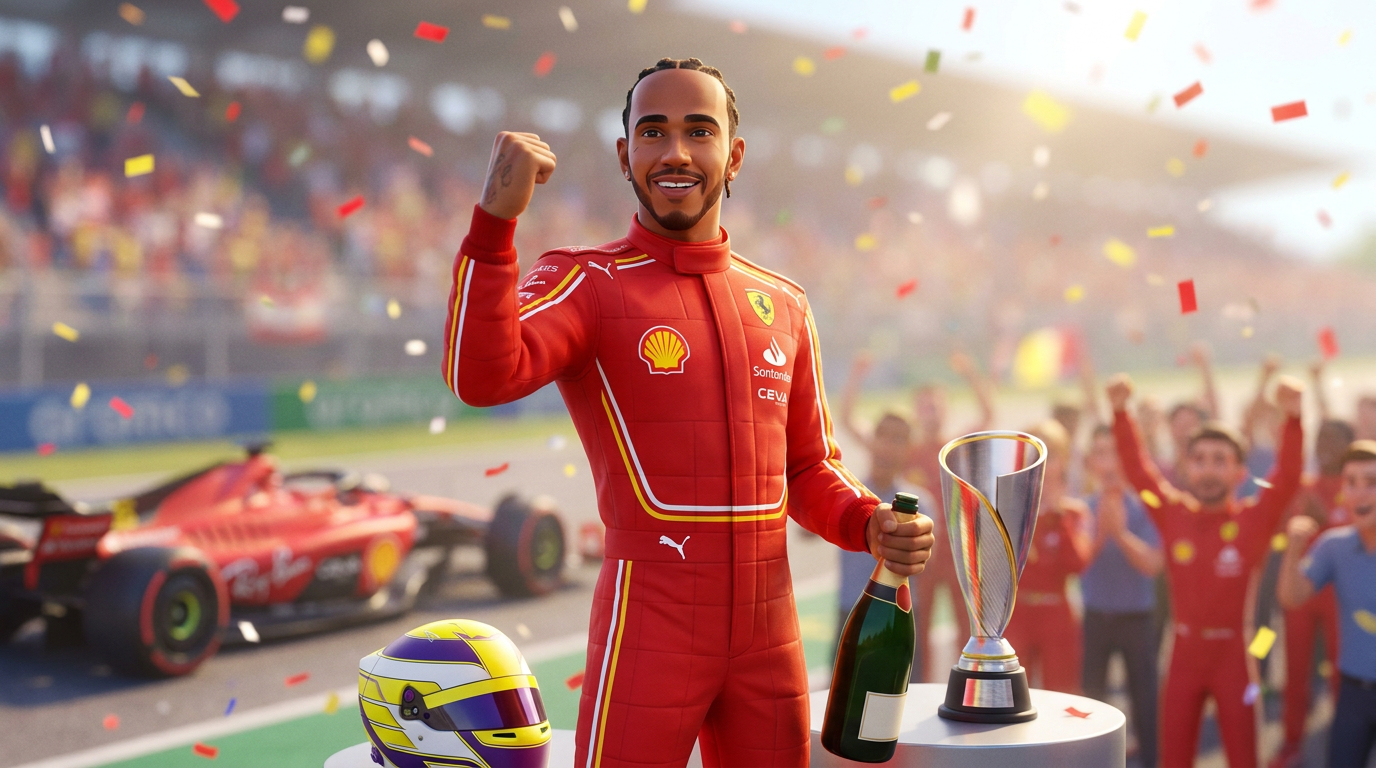
Hamilton passed Schumacher’s previous record of 91 Grand Prix victories in 2020. His 2026 Barcelona-Catalunya win for Ferrari increased the Briton’s total and made him one of six different winners in the season’s opening 11 races.
Schumacher’s 91 victories remain the key historical reference because he pushed the record far beyond Alain Prost’s 51 wins. Hamilton raised the mark again during an era with longer calendars, so raw victory totals matter without providing a complete comparison between generations.
Ferrari changes the comparison
Smedley’s observation moves the focus from statistics to influence. Schumacher joined Ferrari in 1996 and worked within a reorganized operation before delivering the drivers’ title the team had lacked since Jody Scheckter’s 1979 championship.
Hamilton arrived at Ferrari as an established seven-time champion, rather than as a driver entering his competitive prime.
His 2026 victory shows the partnership can win, but matching Schumacher’s Ferrari legacy would demand sustained championship success instead of isolated results.
Different eras, different obstacles
Schumacher competed with refueling strategies and unrestricted in-season testing, during seasons that featured fewer Grands Prix. Hamilton’s career has covered V8, turbo-hybrid and 2026 machinery, along with tighter testing limits, cost controls and substantially longer schedules.
Direct percentages and season-by-season dominance therefore belong alongside the career totals. Schumacher’s five straight Ferrari titles remain unmatched by Hamilton at one team. Hamilton, meanwhile, proved his title-winning range across two constructors with championships for McLaren and Mercedes.
The next measure comes on track
Hamilton’s place alongside Schumacher is already secure in the record book, and Ferrari adds a new test to the comparison. The Dutch Grand Prix is next on August 21-23, with 12 rounds remaining. Every additional victory will strengthen Hamilton’s statistical case, while only a championship campaign can begin to reshape the Ferrari side of the argument.