
Hamilton and Schumacher share the record with seven titles, while Ferrari leads the teams. Formula 1’s all-time order still depends on how each era is judged.
Formula 1’s biggest numbers cannot identify a single greatest driver or team on their own because the championship has changed so much. The schedule has grown, reliability has improved and careers can now cover far more starts than they did in the 1950s. As a result, the leading candidates are divided less by one decisive record and more by the historical criteria used to assess them.
No fresh race result or record-changing milestone appears in the supplied material, so the current all-time picture stays rooted in established championship history. Lewis Hamilton and Michael Schumacher share the drivers’ title record with seven, while Ferrari remains the benchmark constructor for championships and longevity. The order shifts quickly, however, if dominance, peak performance and influence carry greater weight than cumulative totals.
The seven-title dividing line
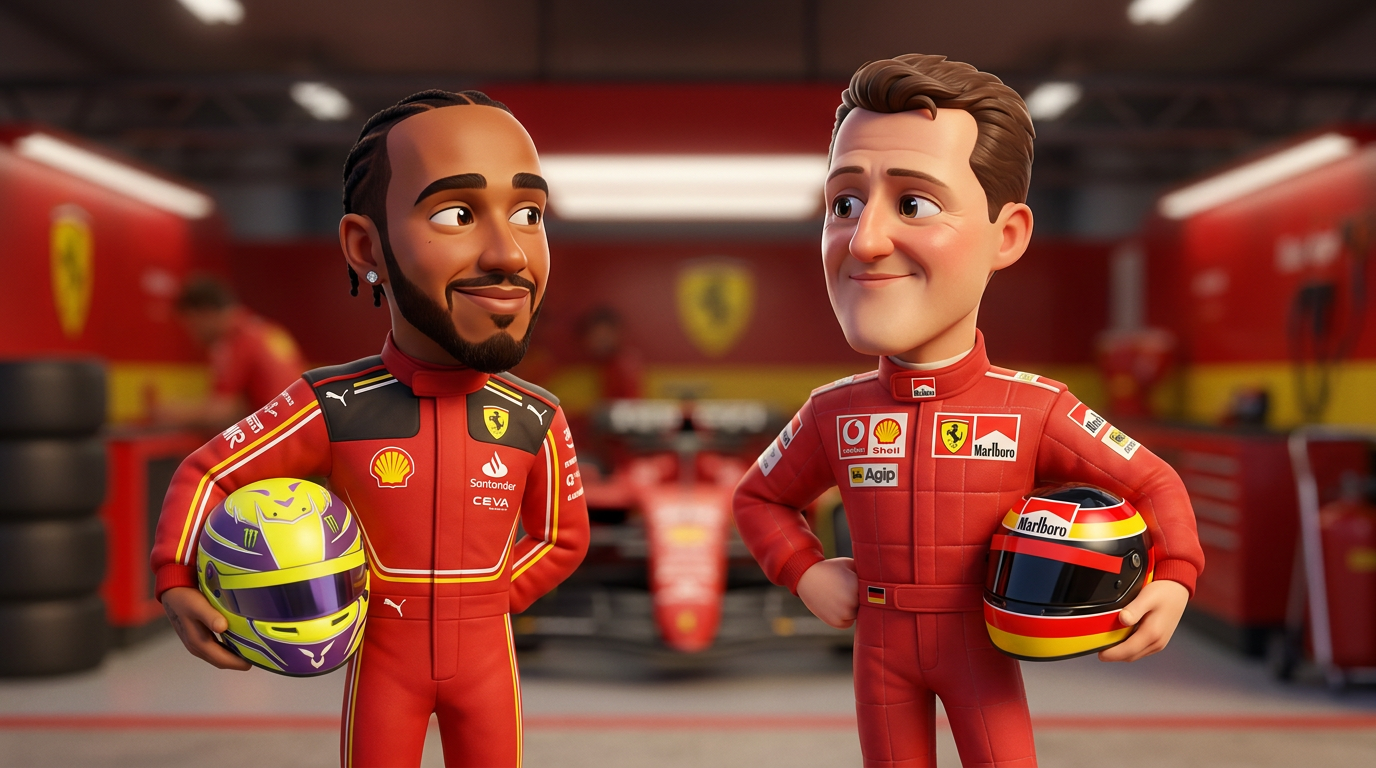
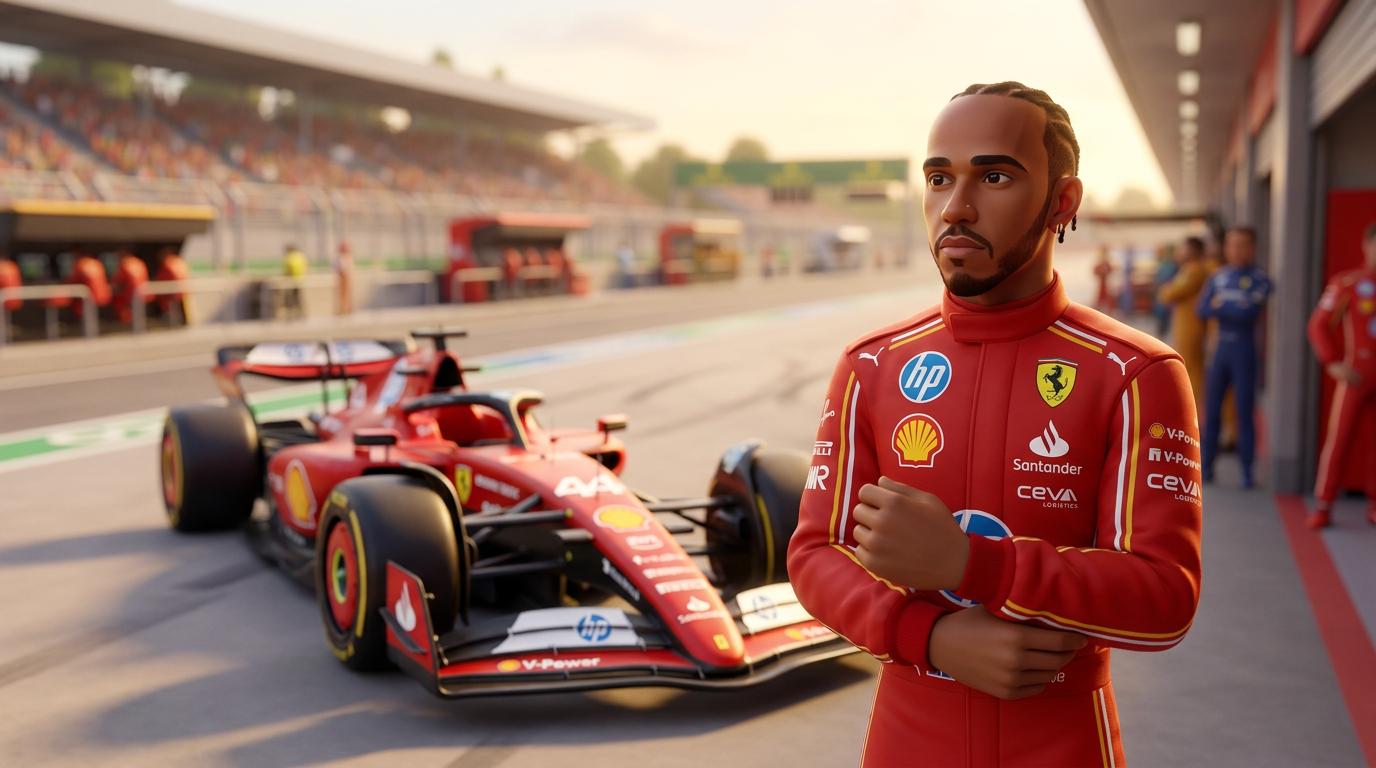
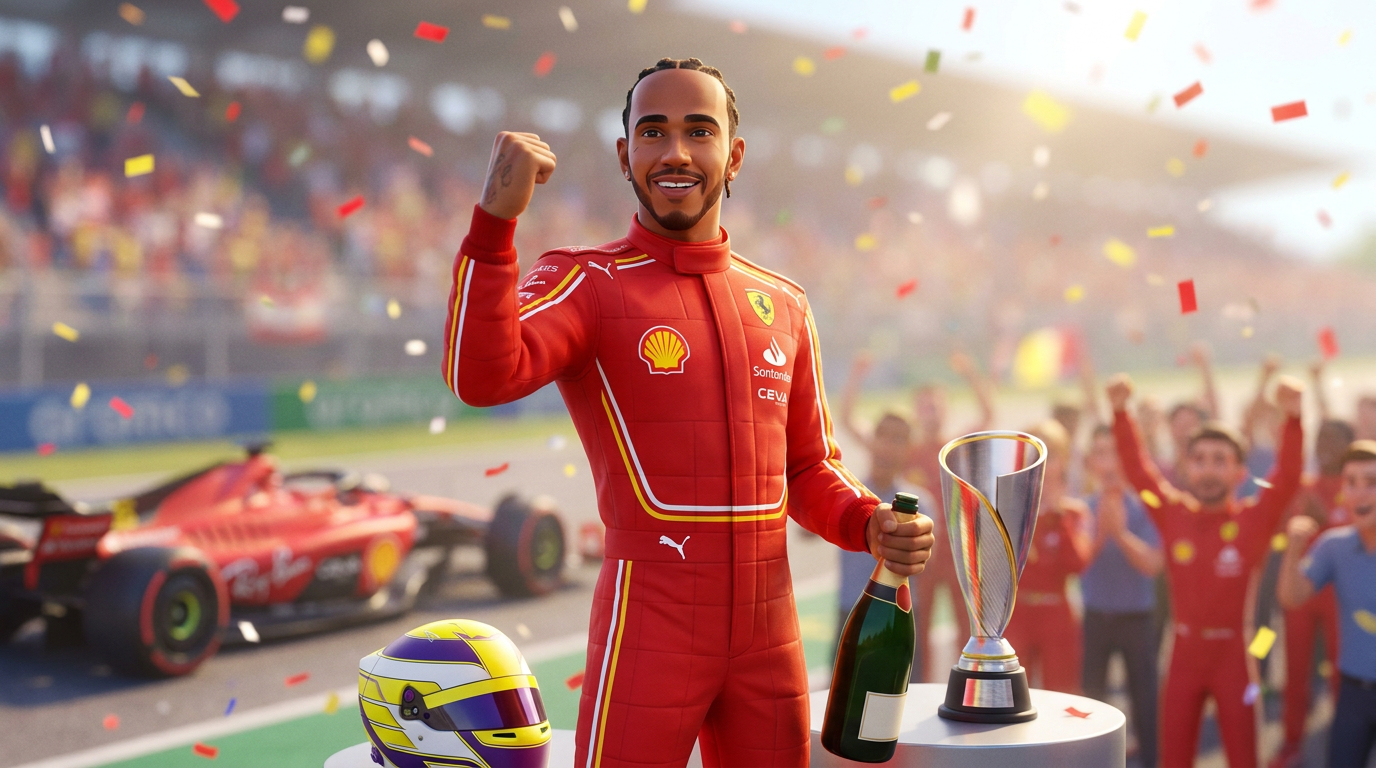
Hamilton and Schumacher sit at the statistical summit with seven world championships apiece. Schumacher won his first two with Benetton in 1994 and 1995, followed by five consecutive titles for Ferrari from 2000 through 2004. Hamilton claimed his first championship with McLaren in 2008, then added six with Mercedes between 2014 and 2020.
They took different paths to the same total. Schumacher helped build Ferrari into the dominant operation of its era, working within a team structure that delivered an unprecedented five consecutive drivers’ crowns. Hamilton became the defining driver of Formula 1’s turbo-hybrid period, turning Mercedes’ technical superiority into sustained championship success and also setting the record for career Grand Prix victories.
Juan Manuel Fangio remains a central figure despite winning fewer titles.
His five championships came during the 1950s, a dangerous period marked by short seasons and frequent moves between teams. Fangio won titles with four constructors: Alfa Romeo, Maserati, Mercedes and Ferrari. That adaptability, paired with five crowns in only seven full championship campaigns, gives him perhaps the strongest case based on efficiency.
Prost, Vettel and the four-title tier
Alain Prost and Sebastian Vettel each earned four championships, though their cases rest on different foundations. Prost took the titles in 1985, 1986, 1989 and 1993 while racing against a generation that included Ayrton Senna, Nelson Piquet and Nigel Mansell. His rivalry with Senna at McLaren remains one of Formula 1’s defining comparisons between teammates.
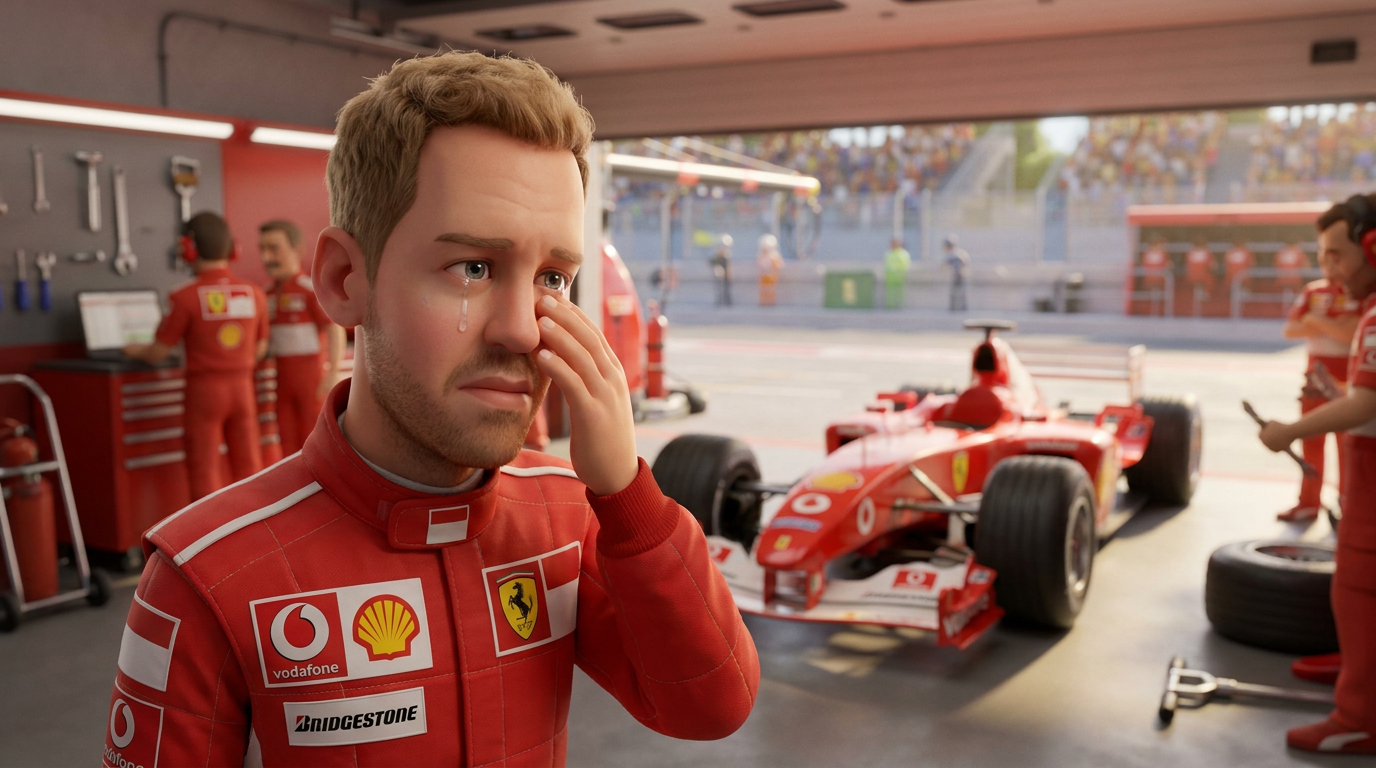
Vettel won all four of his titles consecutively with Red Bull from 2010 through 2013. He became the youngest drivers’ champion in 2010 and delivered one of the sport’s most concentrated runs of success. Critics point to his failure to add another title after Red Bull’s first dominant cycle ended. His supporters emphasize the precision needed to exploit that advantage across four straight seasons.
Jack Brabham, Jackie Stewart, Niki Lauda, Piquet, Senna and Max Verstappen comprise the three-title group through the 2023 season. Brabham owns a distinction no other driver shares: in 1966, he became the only driver to win the world championship in a car bearing his own name.
Why victory totals need context
Modern drivers get many more chances to score. The inaugural 1950 championship featured seven points-paying rounds, including the Indianapolis 500. Recent calendars have included more than 20 Grands Prix, which makes raw totals for wins, podiums and pole positions difficult to compare directly between eras.
Reliability changes the record book, too. Early champions dealt with frequent mechanical failures and much greater physical risk, while current cars generally complete a far higher percentage of race distances. Modern drivers, meanwhile, face intense technical complexity, year-round preparation and exceptionally narrow performance margins.
Meaningful comparisons therefore separate accumulation from conversion. Career totals recognize excellence over long periods, while win rates and title rates measure efficiency. Neither approach tells the full story. Short schedules increase the importance of every result. Longer calendars provide extra opportunities, but they also require consistent execution over a broader season.
Ferrari leads the teams’ historical argument
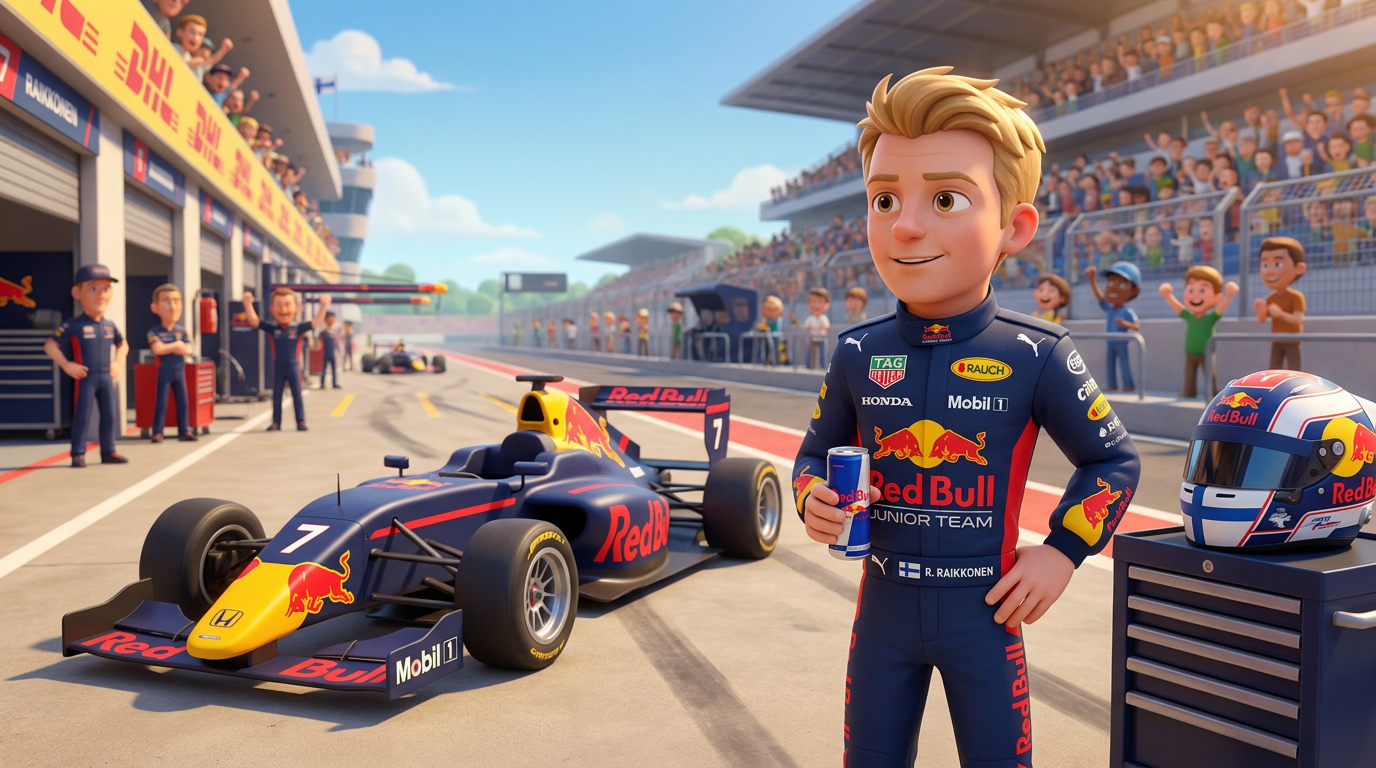
Ferrari’s case in any team ranking starts with unmatched continuity. It has entered every season of the Formula 1 World Championship since 1950 and owns the records for constructors’ championships, race victories and major cumulative participation totals. Its success spans regulations and generations, from Alberto Ascari and Niki Lauda to Schumacher and Kimi Räikkönen.
That longevity separates Ferrari from teams whose greatness came in tighter periods. Williams developed into a championship force from the 1980s into the 1990s. McLaren’s strongest spells included title-winning cars for Prost, Senna, Mika Häkkinen and Hamilton. Mercedes defined the hybrid era’s constructors’ competition by winning eight consecutive team championships from 2014 through 2021.
Red Bull presents a different model. It secured four straight constructors’ titles from 2010 to 2013 before returning to the top in the ground-effect era. Lotus has a strong claim based on innovation. Under Colin Chapman, it paired championship success with ideas that changed race-car design, including influential uses of monocoque construction and ground effect.
No ranking survives every test
A balanced all-time list must account for at least four types of greatness: peak speed, championship conversion, sustained success and impact on Formula 1 itself. Hamilton and Schumacher top the title count. Fangio provides the leading early-era efficiency case, while Prost and Senna represent elite competition in the same machinery. Ferrari’s longevity gives it a team advantage that a shorter dynasty struggles to match.
Active careers will provide the next change to these rankings, rather than another debate about old totals. Every victory, title and competitive season can shift the balance between peak dominance and longevity. Until a fresh milestone arrives, Formula 1’s G. O. A. T. debate stays divided between valid measures instead of producing one final answer.