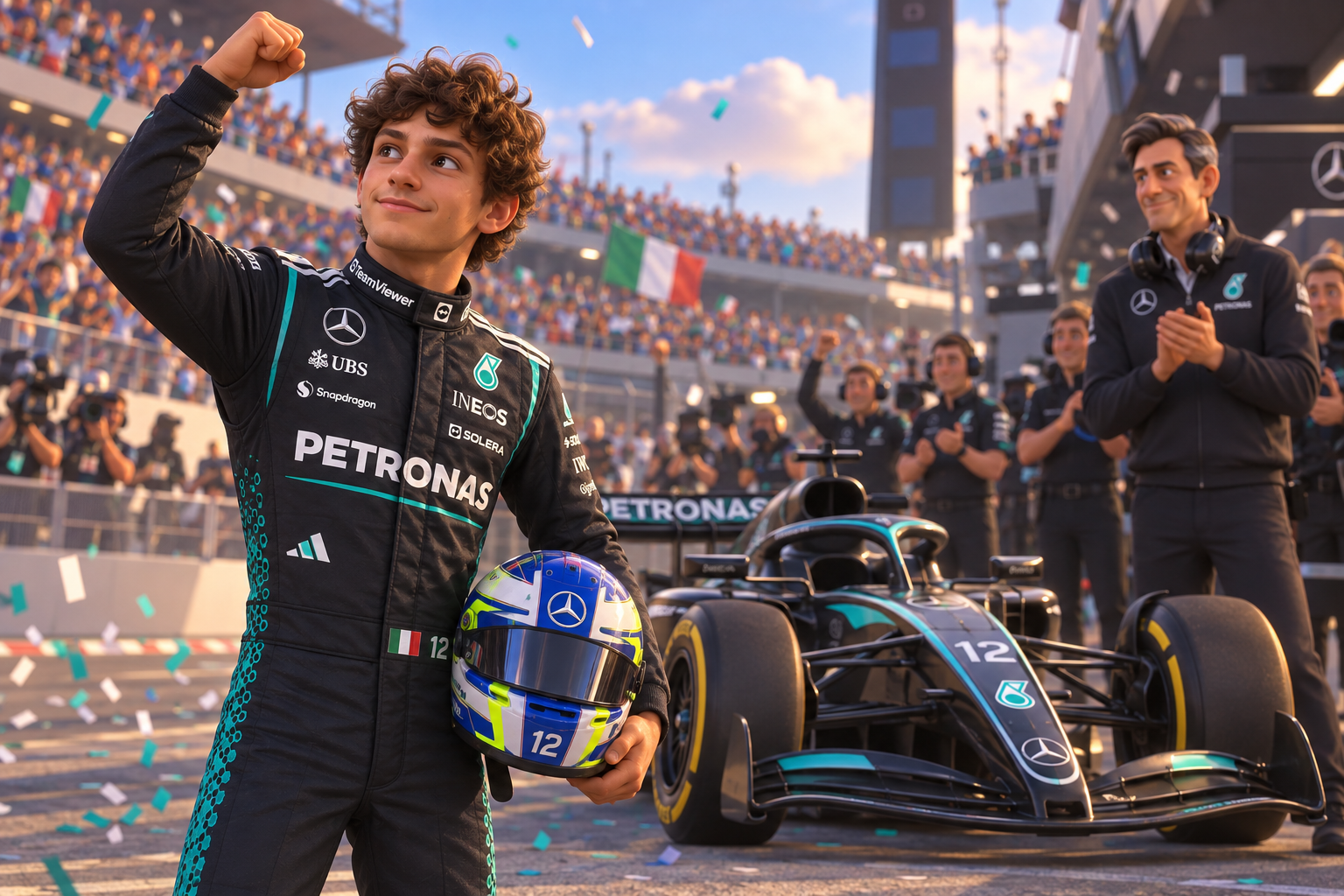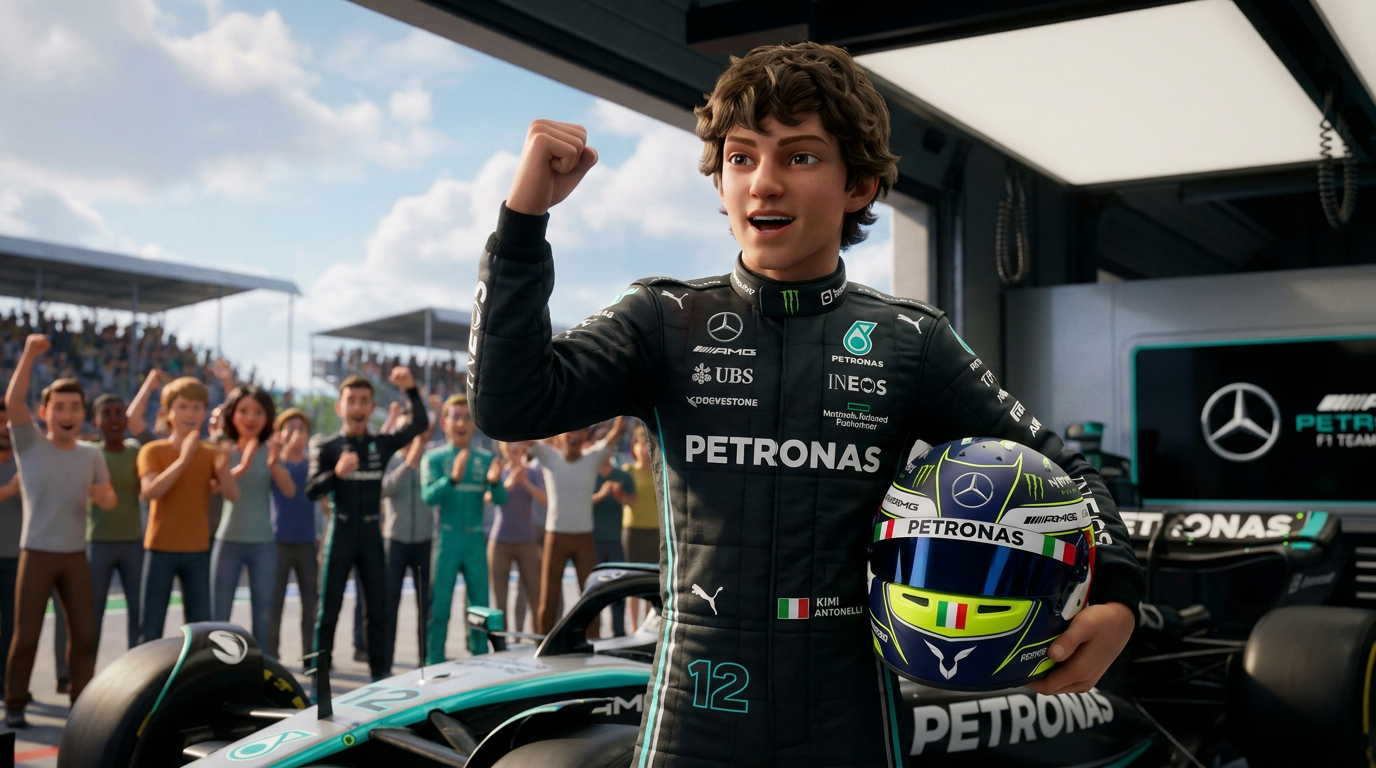
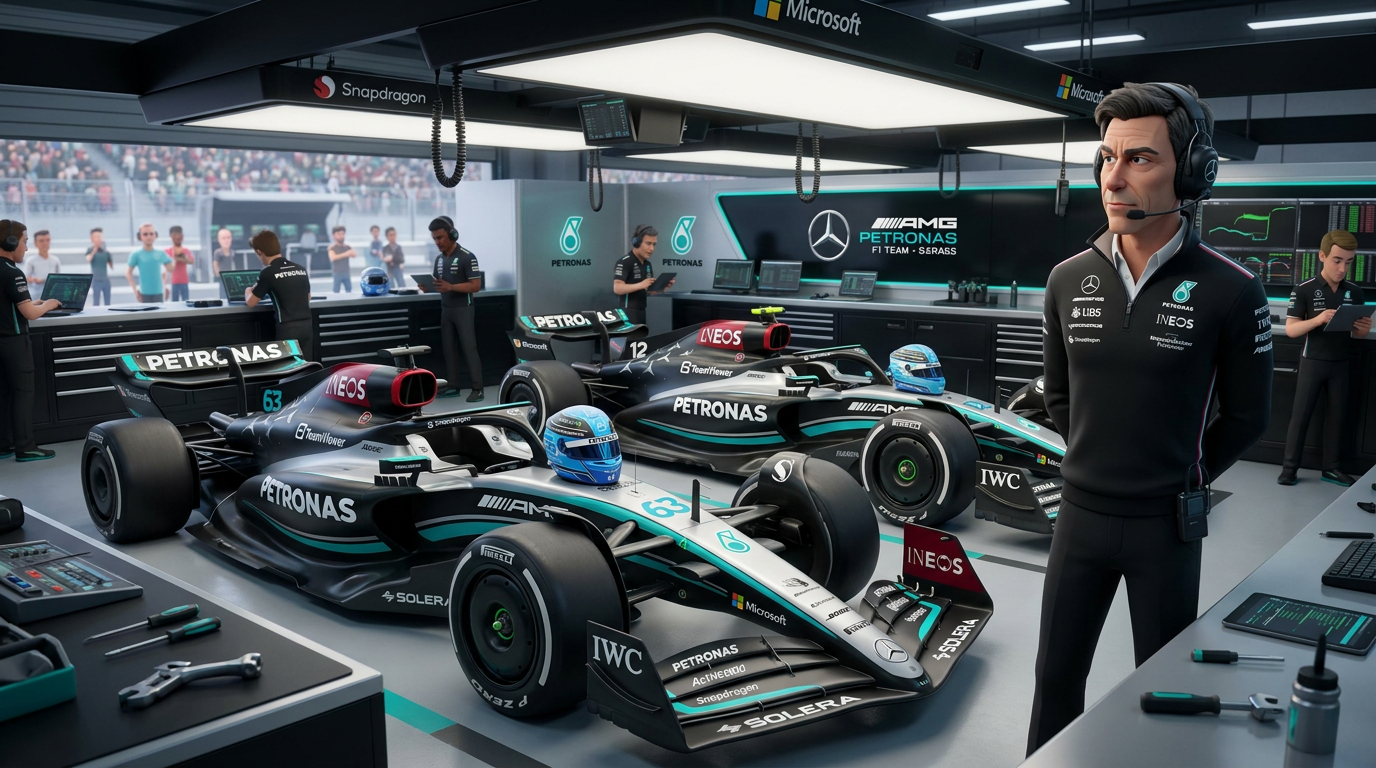
As Mercedes navigates a challenging 2026 Formula 1 season, the team plans to deploy critical upgrades in their quest to bridge the 66-point gap to championship leader Kimi Antonelli.
With the Bahrain Grand Prix taking place at Malaysia's Sepang International Circuit, these enhancements come at a strategic point of the season. Many eyes are on whether these upgrades will potentially position Mercedes as a dominant force in the championship chase.
The crux of this development lies in the details of these technical modifications and their possible impact on the dynamics within the team and the broader championship battle.
Detailed Upgrade Plan
The latest upgrades to the Mercedes W17 are engineered to refine aerodynamic efficiency and boost power unit performance. Team insiders indicate that modifications to the car’s aerodynamic structure, featuring enhancements in the rear wing and floor design, aim to improve downforce while minimizing drag. These adjustments are anticipated to enhance the car’s handling and speed on the fast straights and demanding corners of the Sepang circuit.
Complementing these aerodynamic refinements, the team plans a power unit update later in the season. The synergistic effect of these upgrades is expected to help Mercedes improve reliability and maximize their power output. The engineering teams at Brackley and Brixworth have reportedly been working meticulously to integrate these changes effectively, ensuring they align optimally with the car’s aero package.
Driver Implications
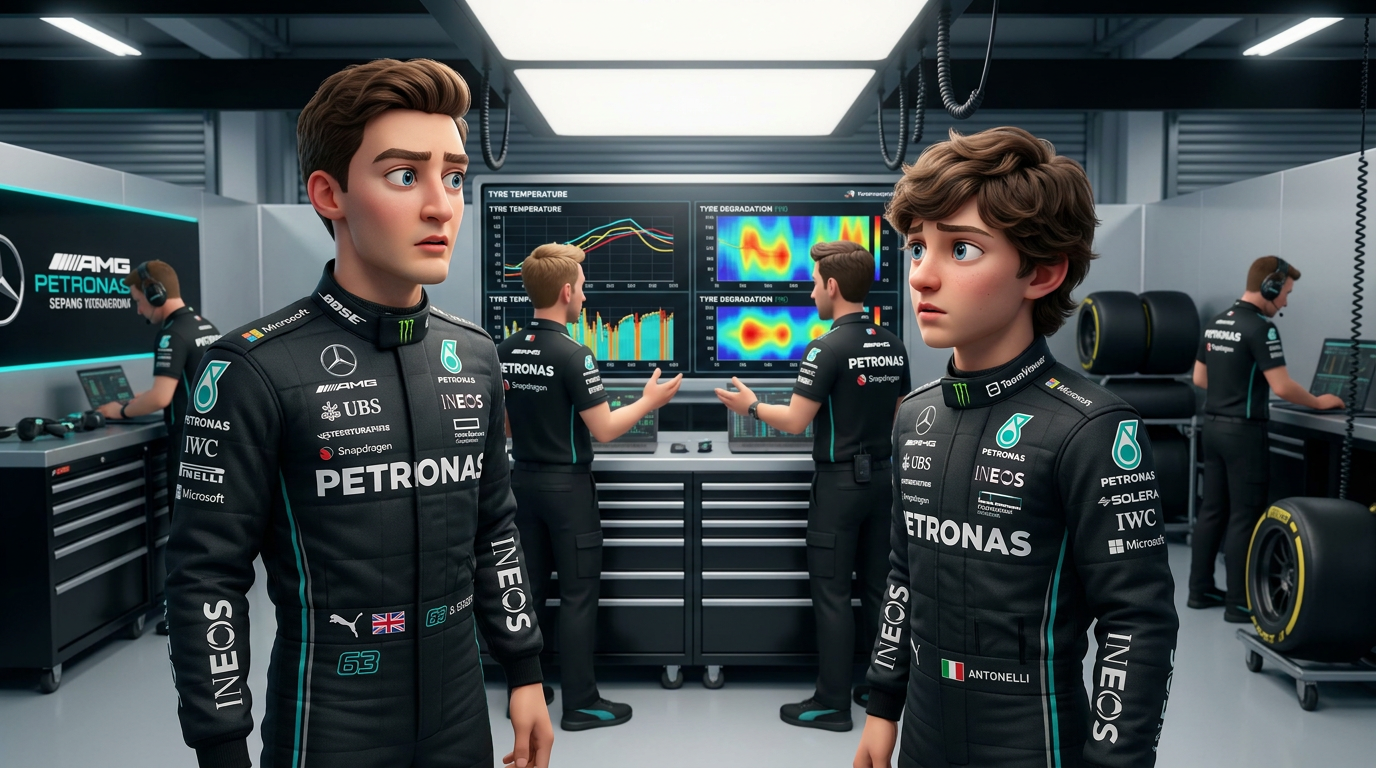
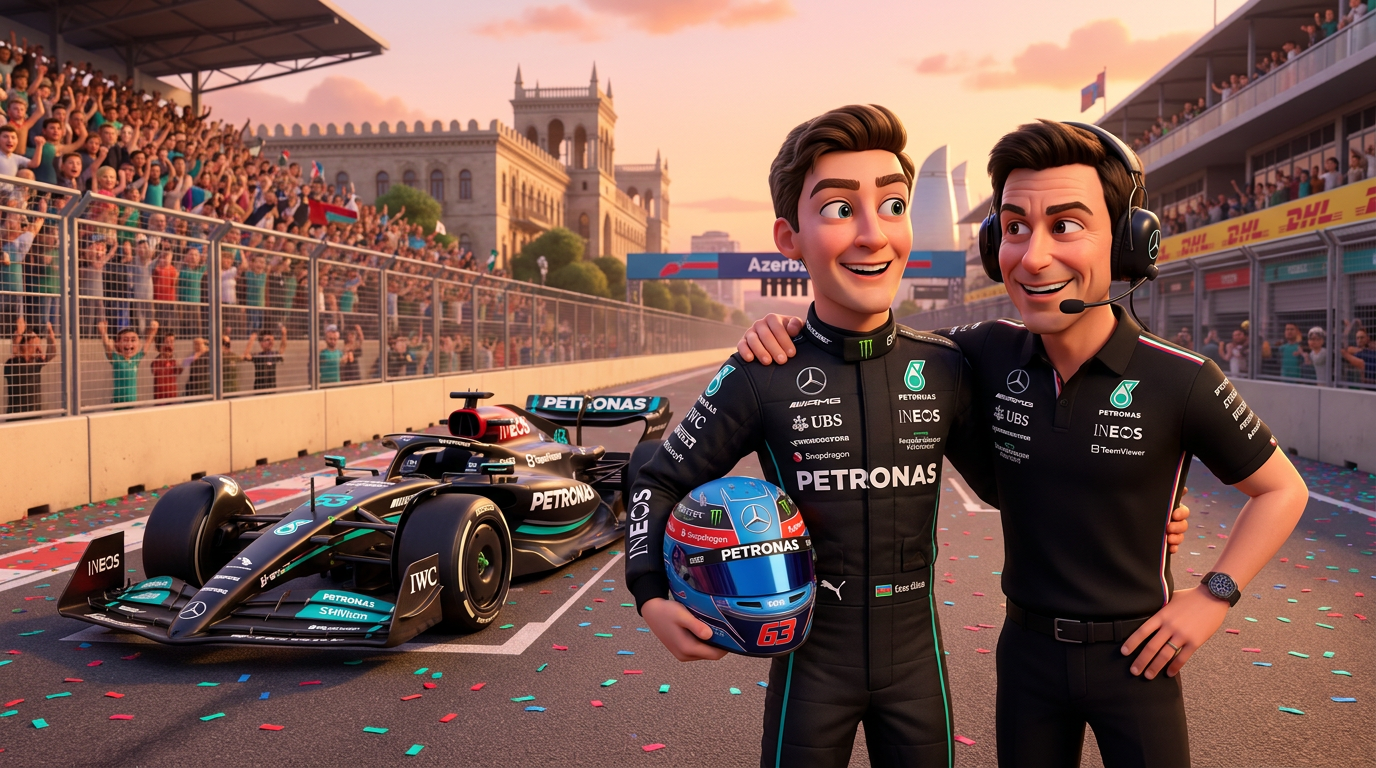
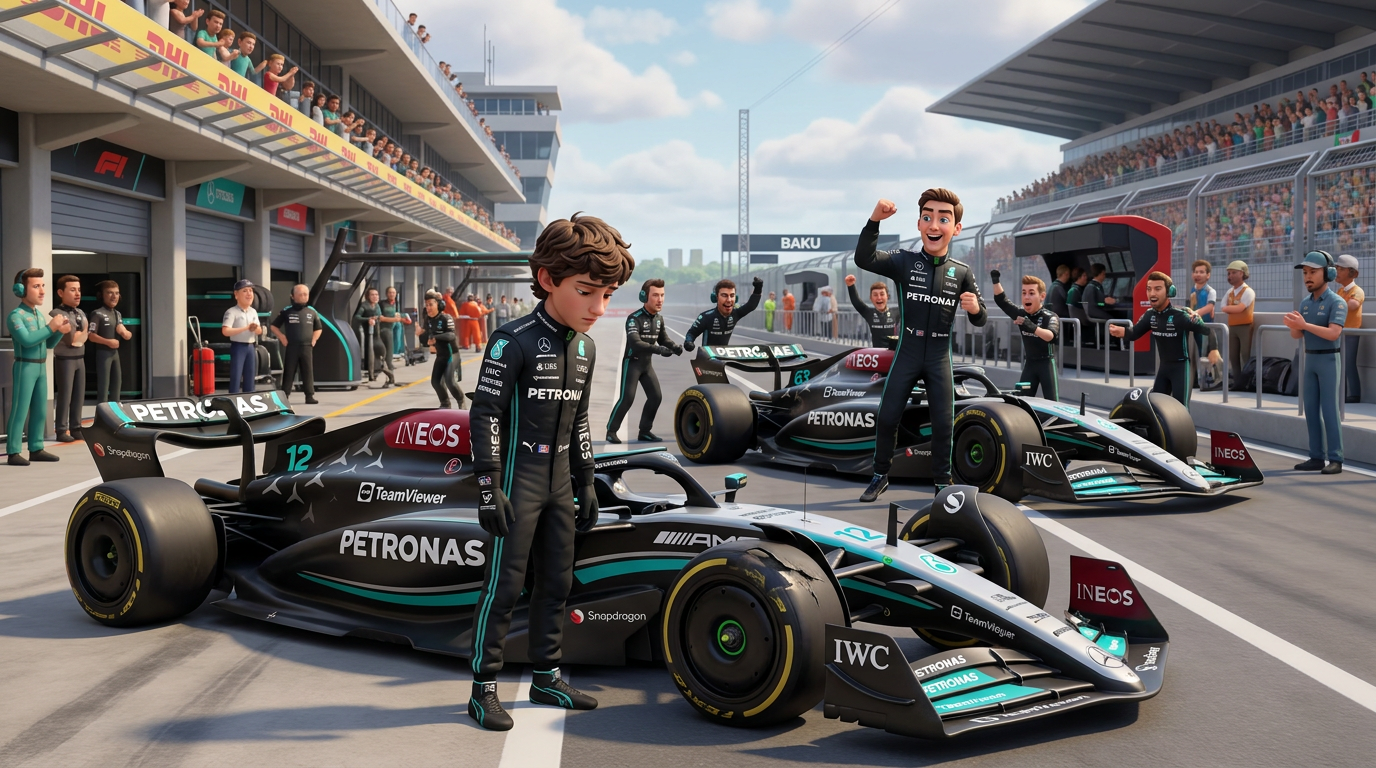
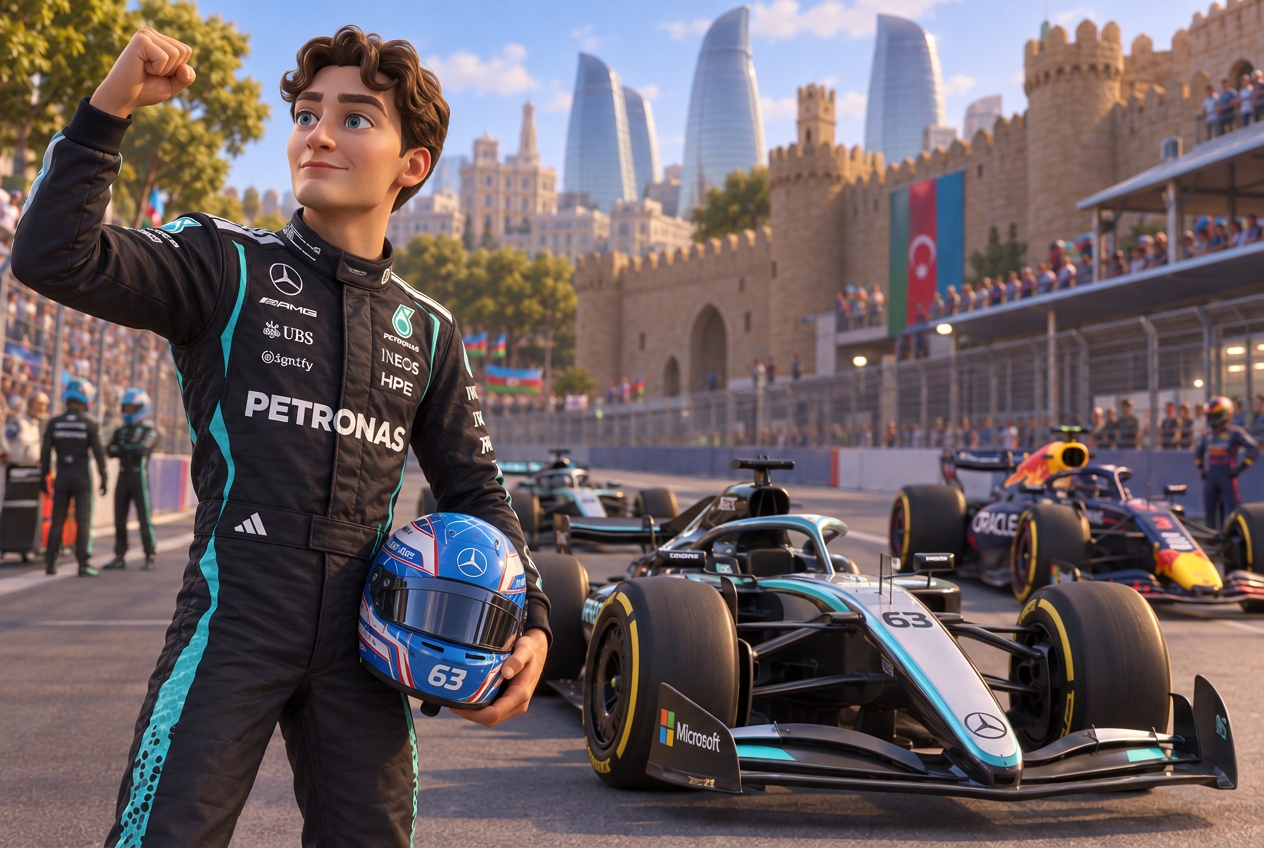
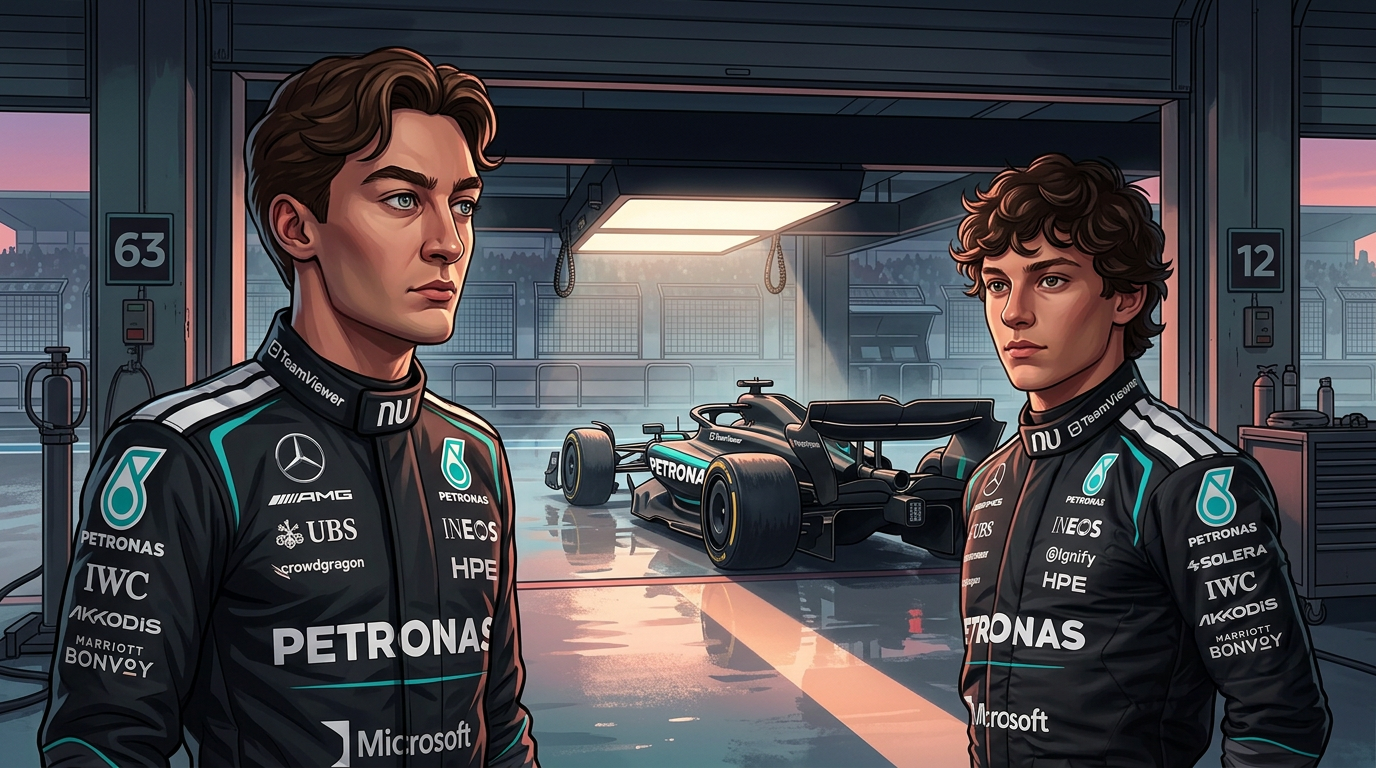
Mercedes Team Principal Toto Wolff has reiterated the importance of maintaining equal treatment between the team’s drivers, George Russell and Kimi Antonelli. The internal dynamics are particularly intense this season, with Russell recently reducing the points deficit following his victory in Baku. Wolff emphasized that both drivers are provided equal opportunities, even as the competition between them tightens.
This approach is seen as crucial, especially if the upgrades yield the anticipated performance gains. A well-balanced internal competition might propel Mercedes to claw back points in the remaining races, positioning them as formidable contenders in the title race.
Strategic Implications
The introduction of these upgrades is not without risk. Historically, mid-season technical developments can dramatically alter the competitive landscape. Should the upgrades perform as forecasted, Mercedes could potentially emerge as a front-runner in the latter stages of the championship. However, any miscalculation could be detrimental, providing opportunities for rivals such as Ferrari and Red Bull to capitalize.
The strategic gamble Mercedes is taking highlights the pressure of staying competitive in a tightly contested season. The team’s success hinges not only on the upgrades’ ability to deliver but also on their execution within race strategies by maximizing tire management and mechanical grip in varying conditions.
Testing the Upgrades
As the teams converge at Sepang, the true test of Mercedes’ upgraded package will play out under Malaysia’s unique climatic conditions. The race weekend presents not only a technical challenge but also a chance for Mercedes to gauge the effectiveness of their enhancements in real-world conditions.
Sepang’s track is notorious for its hot and humid environment, which tests the limits of both driver and machine. Success at this track could set the tone for the remaining races, potentially reshaping the narrative of the championship battle.
Future Prospects
Looking ahead, the trajectory of the 2026 Formula 1 season hangs in the balance. With significant upgrades set to impact performance, how well these changes integrate and deliver during competitive conditions remains a focal point for analysts and fans alike. George Russell's recent performance boost situates him as a pivotal figure in Mercedes' championship aspirations.
While the final results on track will determine the success of Mercedes' strategy, the race at Sepang is poised to be a crucial milestone in their campaign. The potential impacts extend beyond this season, possibly affecting team morale, future strategies, and even the standing dynamics in the drivers' championship. As such, it represents not just a contest of speed, but a battle of technical prowess and strategic ingenuity.