MotoGP wants an F1-style budget cap as factories prepare for the 2027 technical reset, but spending limits, exemptions and enforcement are still undefined.
MotoGP management wants to bring in a Formula 1-style budget cap, putting factory spending under closer scrutiny as the championship heads toward its sweeping 2027 technical reset.
Firm intent, but no timetable
Reporting published on August 12 says series executives “absolutely want” cost controls. However, no spending limit, launch date or final framework has been announced, leaving the proposal under discussion rather than established as approved policy.
That distinction is important.
Manufacturers need answers well before a cap takes effect because race-team operations account for only one portion of MotoGP expenditure. Factory programs also cover research, prototype construction and testing, so the definition of regulated spending will matter as much as the eventual ceiling.
The 2027 reset alters the calculation
MotoGP enters a new technical era in 2027. Introducing a cap around that transition would shape how manufacturers allocate resources as they develop their next-generation machinery.
The timing creates a competitive issue as well. A limit can control future expenditure, but it cannot remove the knowledge, infrastructure or technology built up before the regulations take effect. Series officials would therefore need an auditing system that applies consistently to established factories and smaller projects.
Aprilia demonstrates the value of efficiency
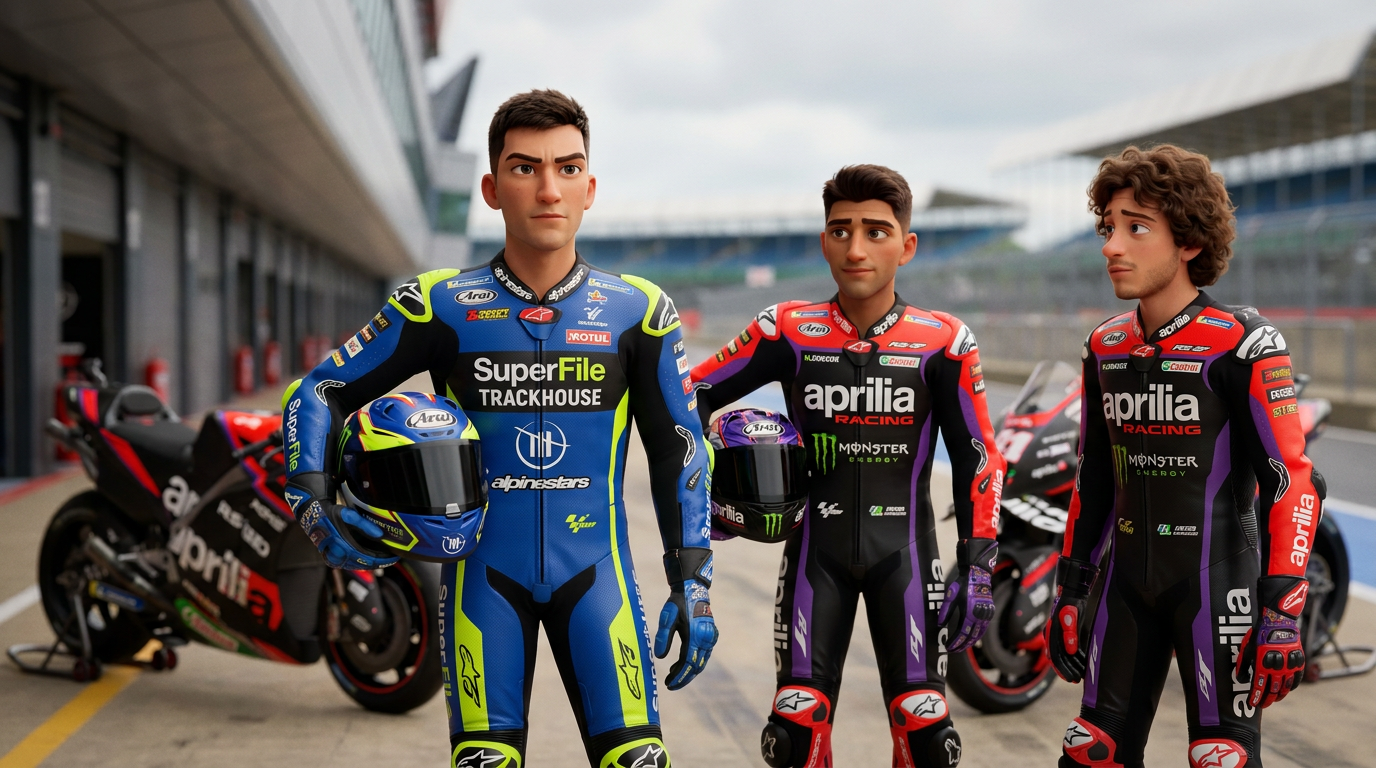
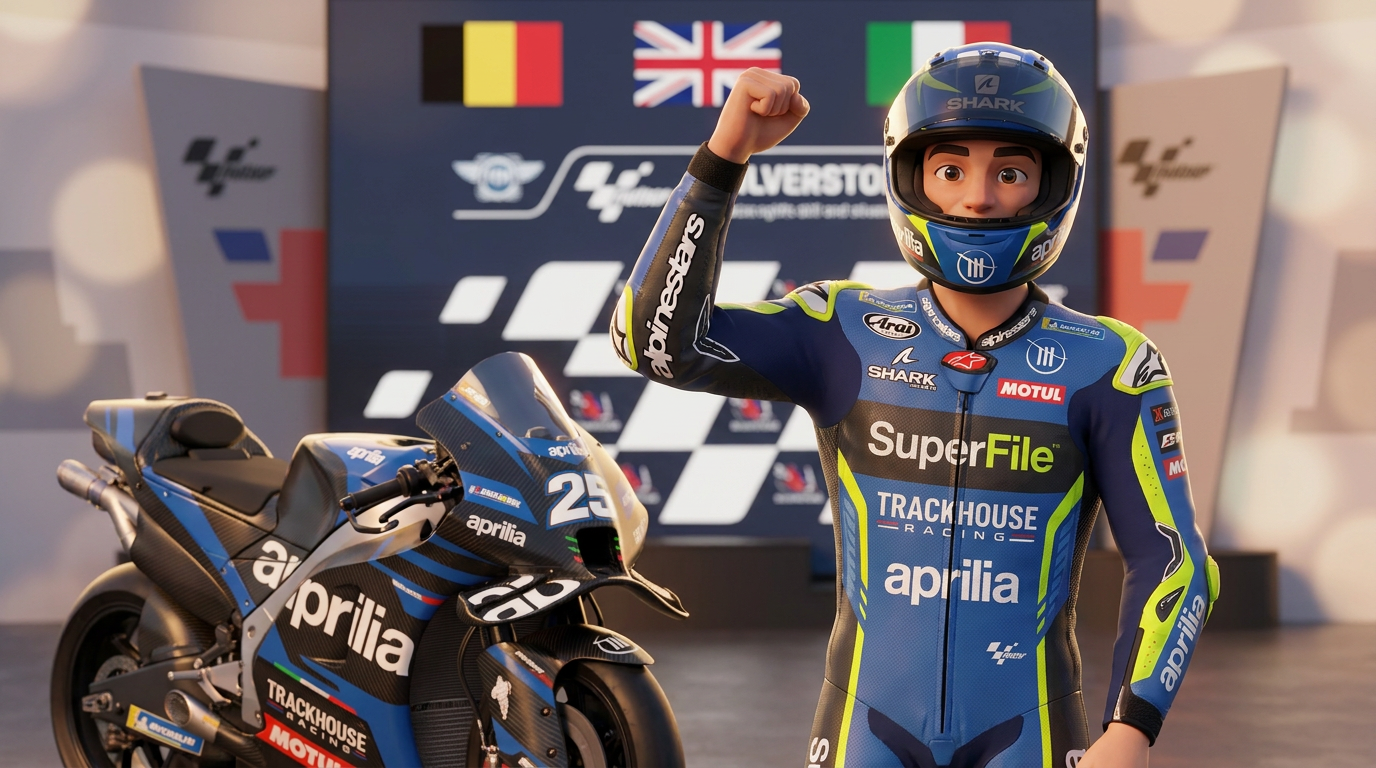
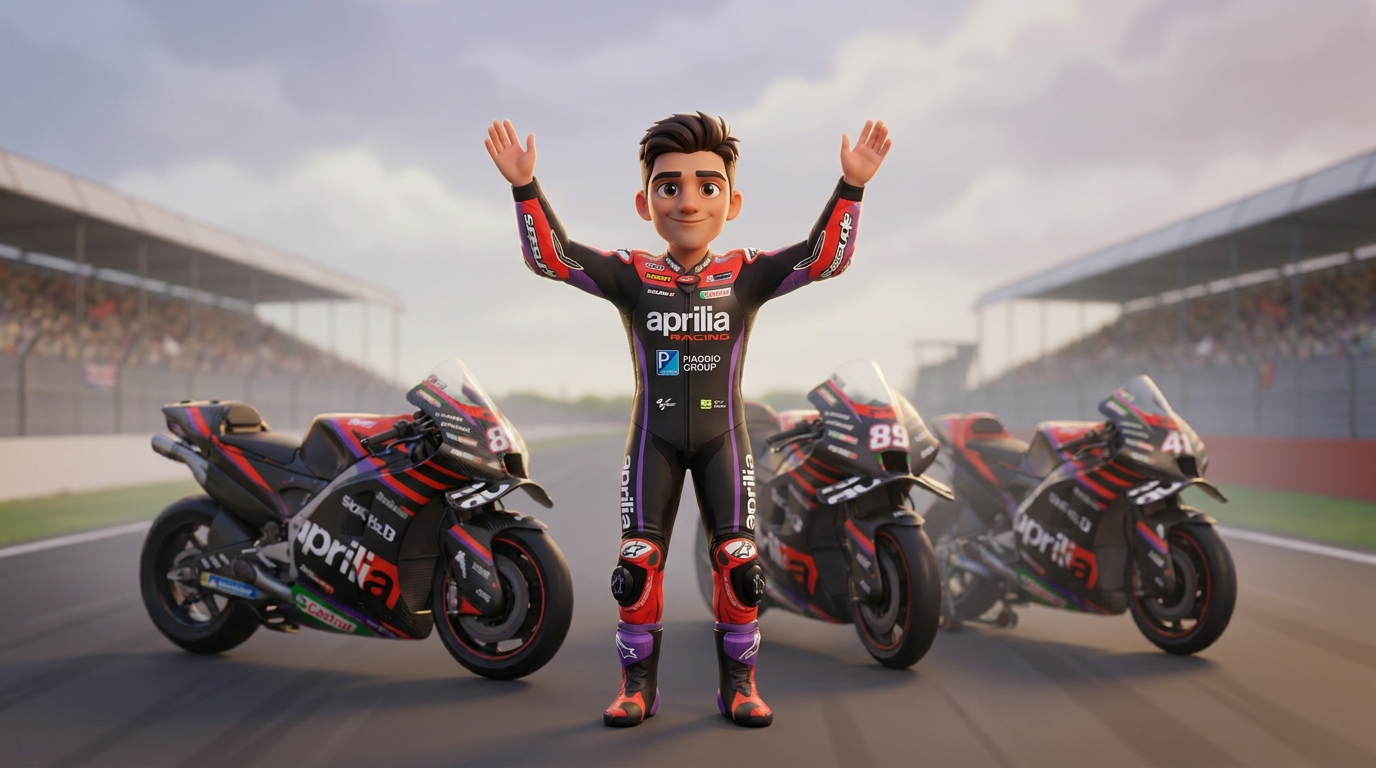
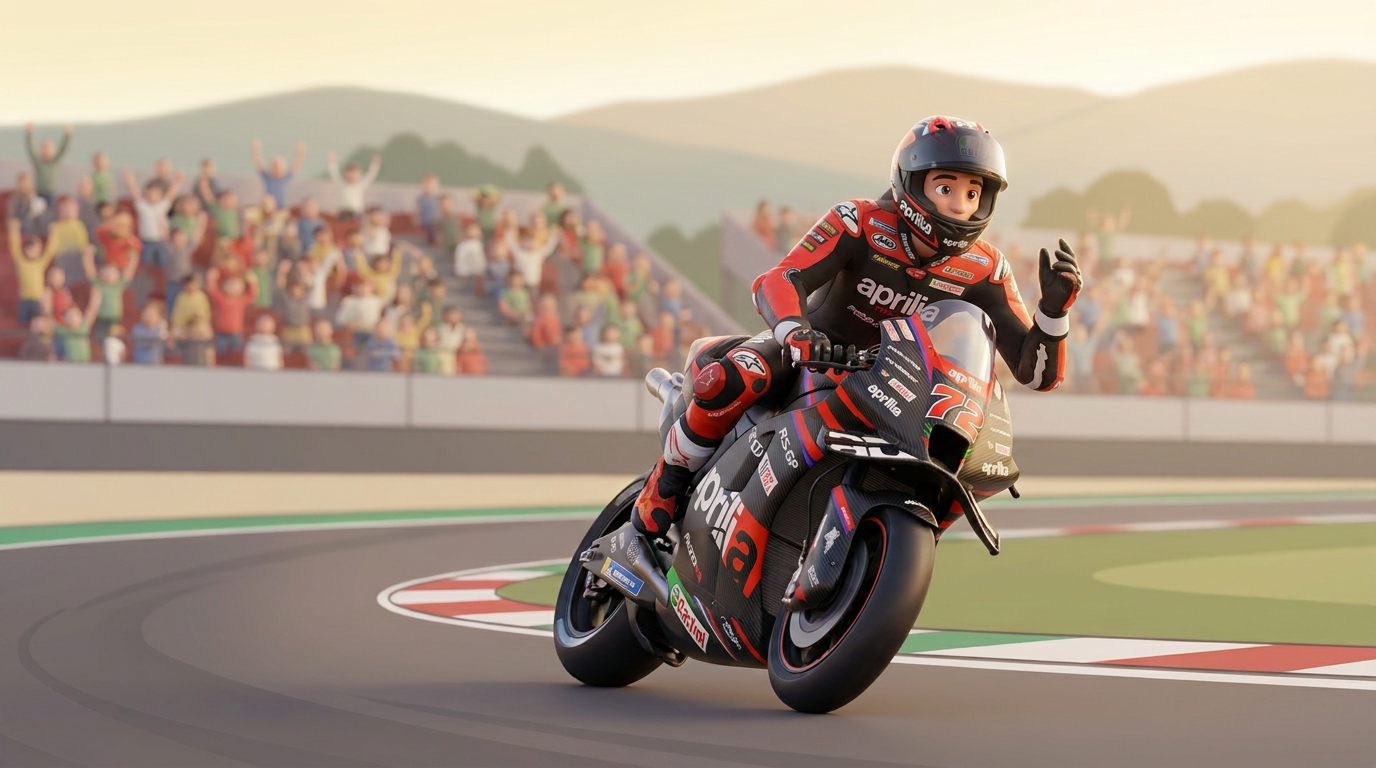
Silverstone offered a timely example of performance extending beyond MotoGP’s traditional benchmark. Aprilia riders occupied all three Sprint podium positions on August 8, then Trackhouse rider Raul Fernandez led the Grand Prix from start to finish on August 9.
Fernandez became the 12th different British Grand Prix winner in 12 editions. Jorge Martin also increased his championship lead during a weekend that showed how a balanced motorcycle and an effective satellite partnership can take on Ducati’s depth.
A budget cap would increase the value of that efficiency, although the series must first determine which satellite-team costs and factory support arrangements are included.
Enforcement will determine credibility
Formula 1 offers the broad reference point, but MotoGP cannot simply reproduce another championship’s rulebook. Motorcycle manufacturers can spread personnel and development work among racing divisions, road-bike departments and external suppliers.
The rules would need to specify how rider salaries, crash damage and safety-related updates are treated. Penalties must also carry weight. Without detailed accounting standards, a cap would create disputes rather than contain costs.
Manufacturers wait for the details
The proposal joins a packed policy agenda that includes the 2027 bikes and discussion of a formal rider transfer window. Unlike the transfer debate, cost control extends directly into the technical structure of every factory.
MotoGP’s next concrete step is to give manufacturers a defined limit, a list of exemptions and an enforcement schedule before any budget cap can enter the regulations.