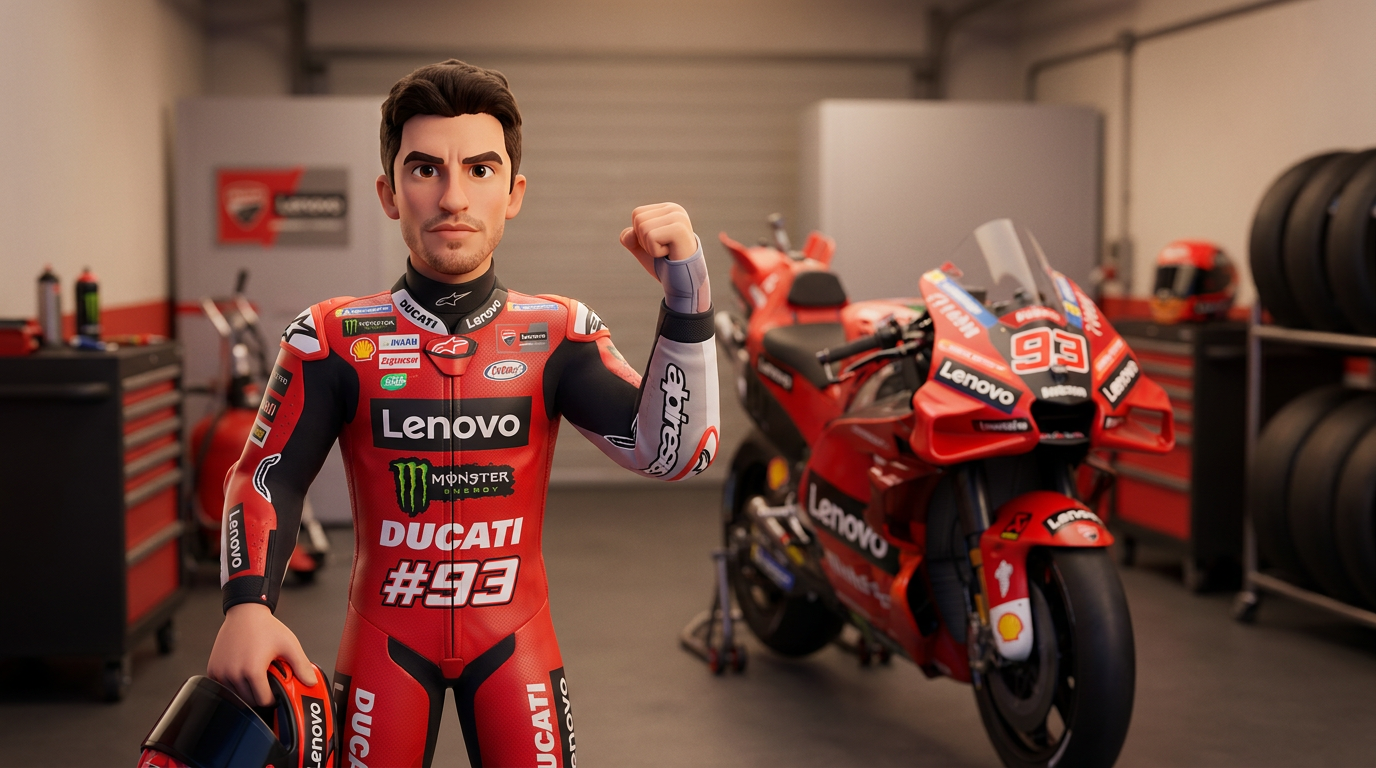
Marc Márquez’s latest medical assessment shows why MotoGP needs independent, conditional clearance rules for riders returning with serious orthopedic injuries.
Marc Márquez won at Aragon on August 30 with a right arm his surgeon now describes as clinically difficult to understand. MotoGP can no longer treat medical clearance as the final word. The championship needs a stricter, independent return protocol for riders with serious orthopedic damage.
A victory shouldn't end the medical debate
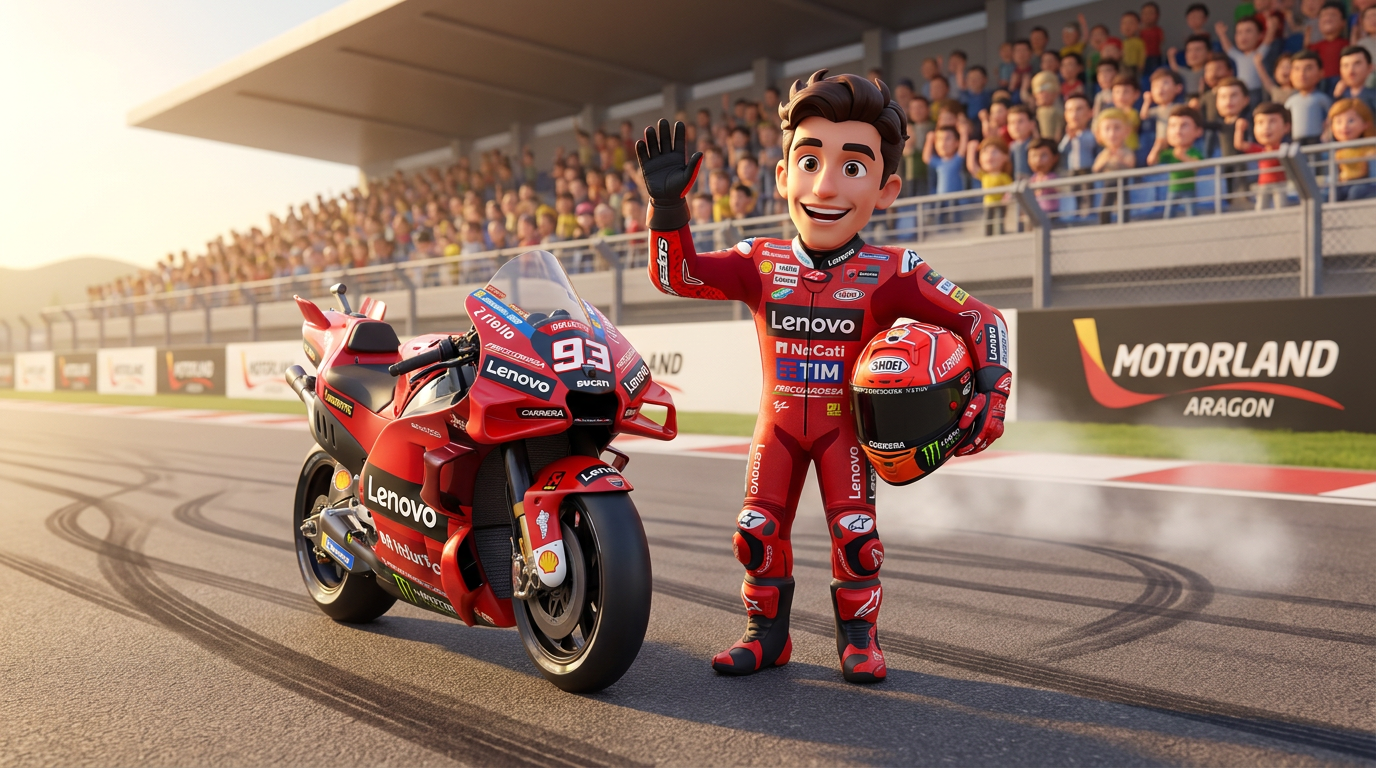
Márquez held off Pedro Acosta and Marco Bezzecchi in the Aragon Grand Prix to claim his eighth premier-class victory at the circuit. The result moved him into second in the championship, with 24 points covering the leading three riders after Round 13.
The latest assessment then came from Dr. Samuel Antuña, who operated on Márquez’s shoulder and discussed his condition on September 7.
“If he were Carlos Alcaraz, he would have retired from tennis.”
That striking comparison from a doctor doesn't establish that Márquez is medically unfit. It does show why fitness cannot be judged through lap times, podiums or pain tolerance.
Márquez is the wrong benchmark
Márquez has spent years making extraordinary physical hardship appear manageable. He underwent four operations after fracturing his right arm in 2020 and has repeatedly raced through consequences that would stop most athletes.
That resilience sets a dangerous standard.
A victory shows that a rider can perform. It doesn't reveal what another crash may do, whether physical compensation is raising the risk elsewhere in the body or whether pain is affecting reactions. MotoGP's medical framework must address those questions before approving a return to competition.
Clearance needs conditions
An independent panel should manage returns from significant injuries, instead of centering the process on a rider's willingness and a binary fit-or-unfit ruling. Serious cases should require follow-up examinations after every race weekend, along with objective thresholds for strength and mobility.
Conditional clearance would also allow doctors to withdraw approval if those measurements deteriorate. The decision must be insulated from team championship pressure and the rider's own appetite for risk.
The FIM publicly lists rider health and safety among its core responsibilities. It now needs a specific orthopedic protocol with published criteria, particularly after repeat surgery or documented muscle loss.
Misano increases the pressure
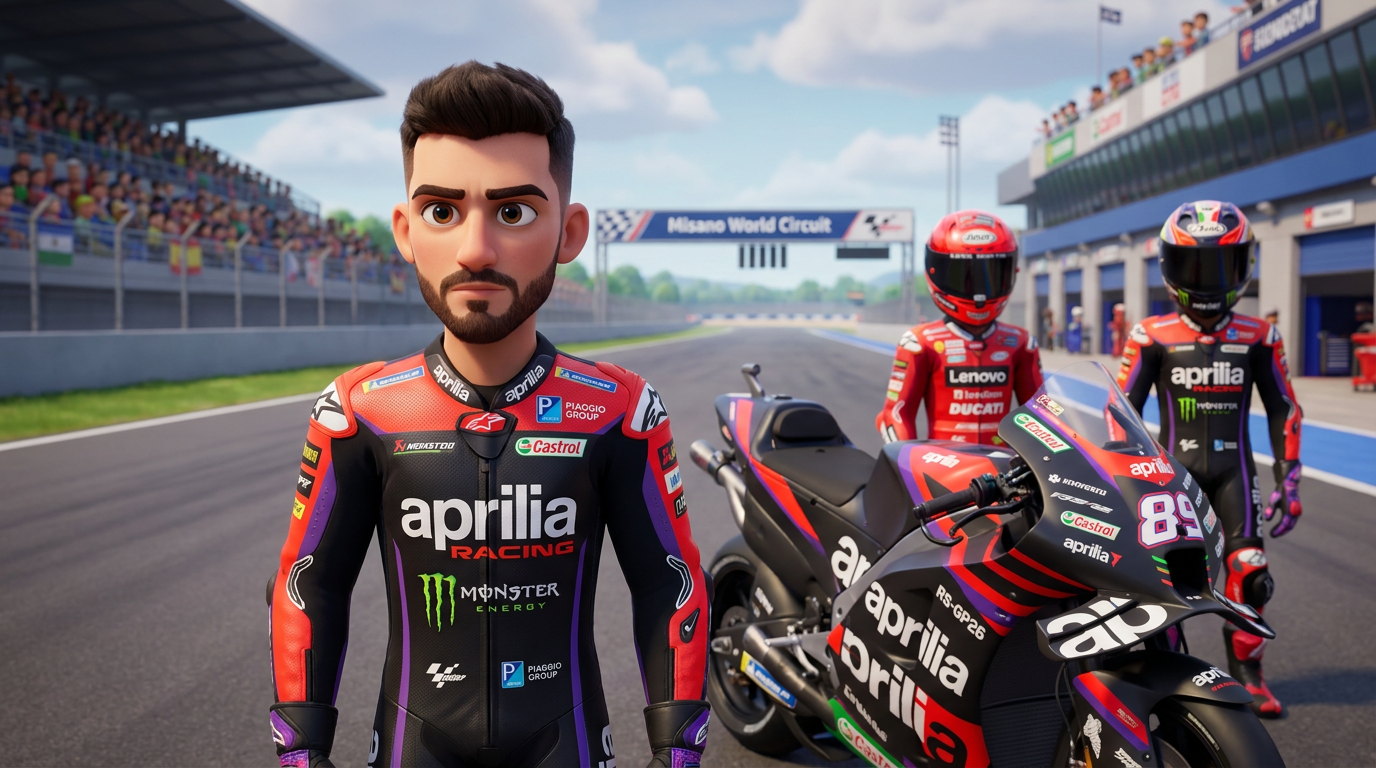
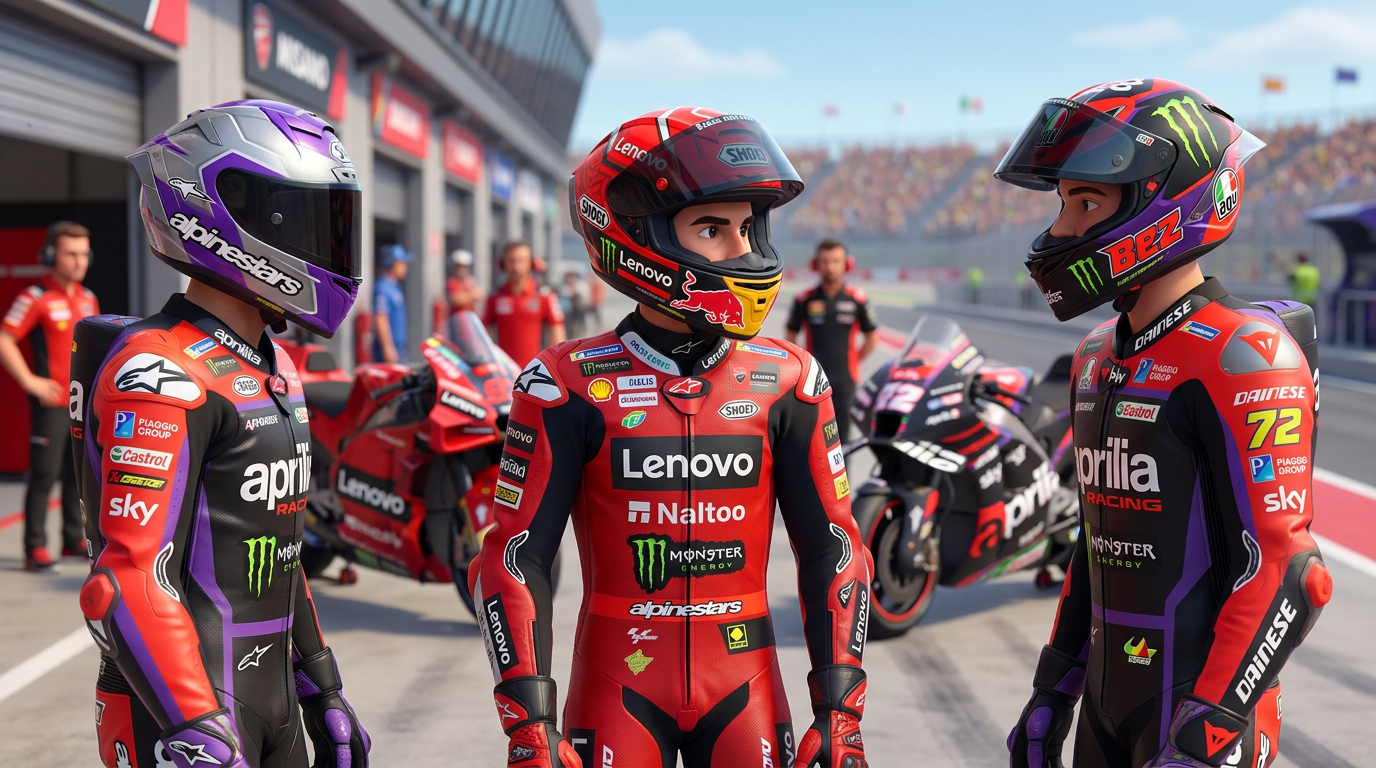
The San Marino Grand Prix starts this week as Round 14, with Márquez part of a three-rider championship spread of only 24 points after Aragon. Jorge Martin, Marco Bezzecchi, Ducati and Aprilia all arrive at Misano with title implications attached to every session.
Medical independence matters most in those circumstances. A close championship encourages riders to conceal weakness and return early. Teams also have strong competitive reasons to accept whatever discomfort a rider says he can handle.
Neither incentive makes anyone dishonest. Both demand stronger guardrails.
MotoGP should act before another crash
Our verdict is clear. Márquez's Aragon win was a remarkable sporting achievement, but MotoGP shouldn't take reassurance from it about his physical condition. Instead, the series must ask why exceptional performance still carries so much weight in evaluations of medical risk.
Misano's opening session will put Márquez and his damaged right arm back on a MotoGP bike this week. Before another rider attempts the same kind of return, the championship should have an independent, conditional clearance system in place.