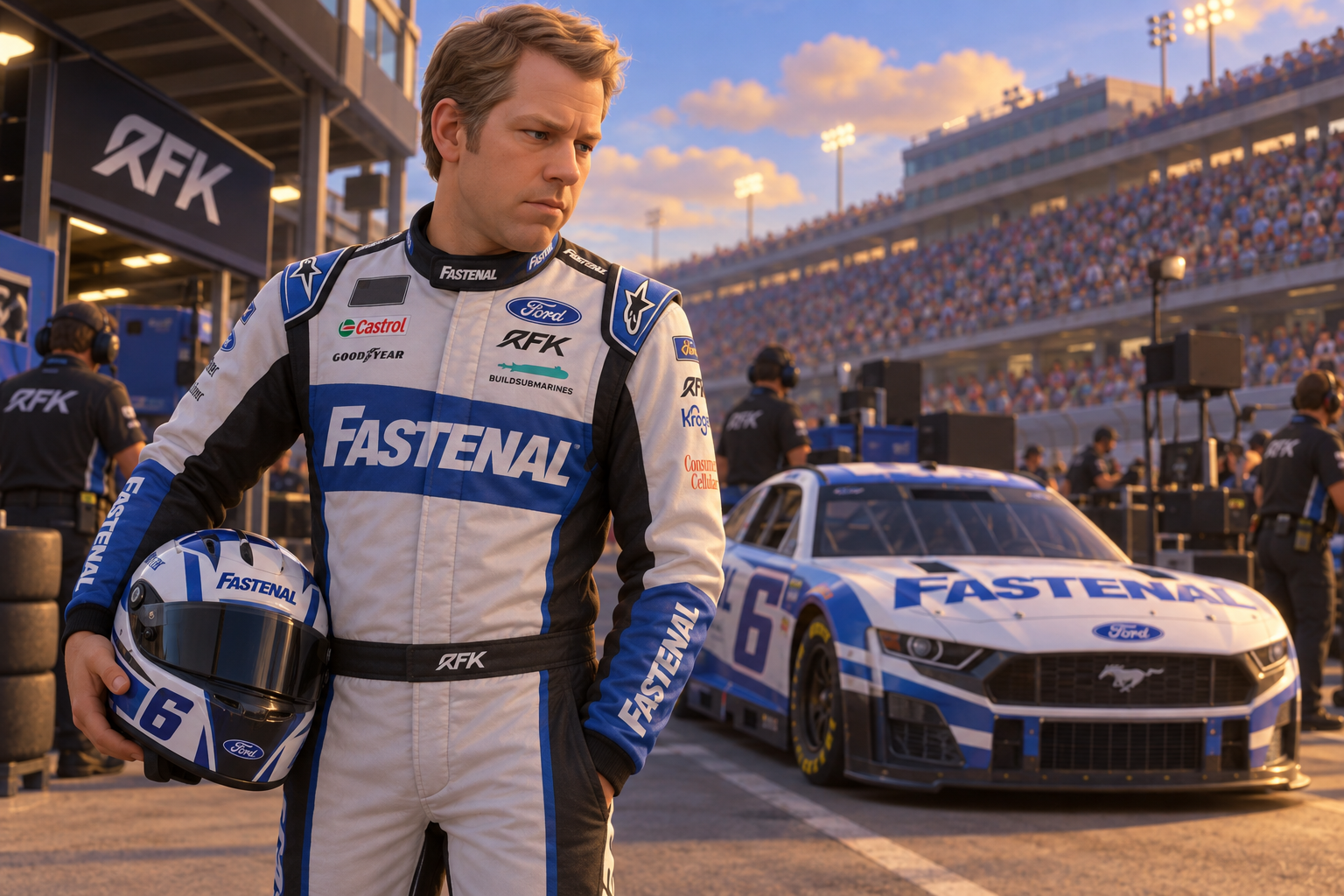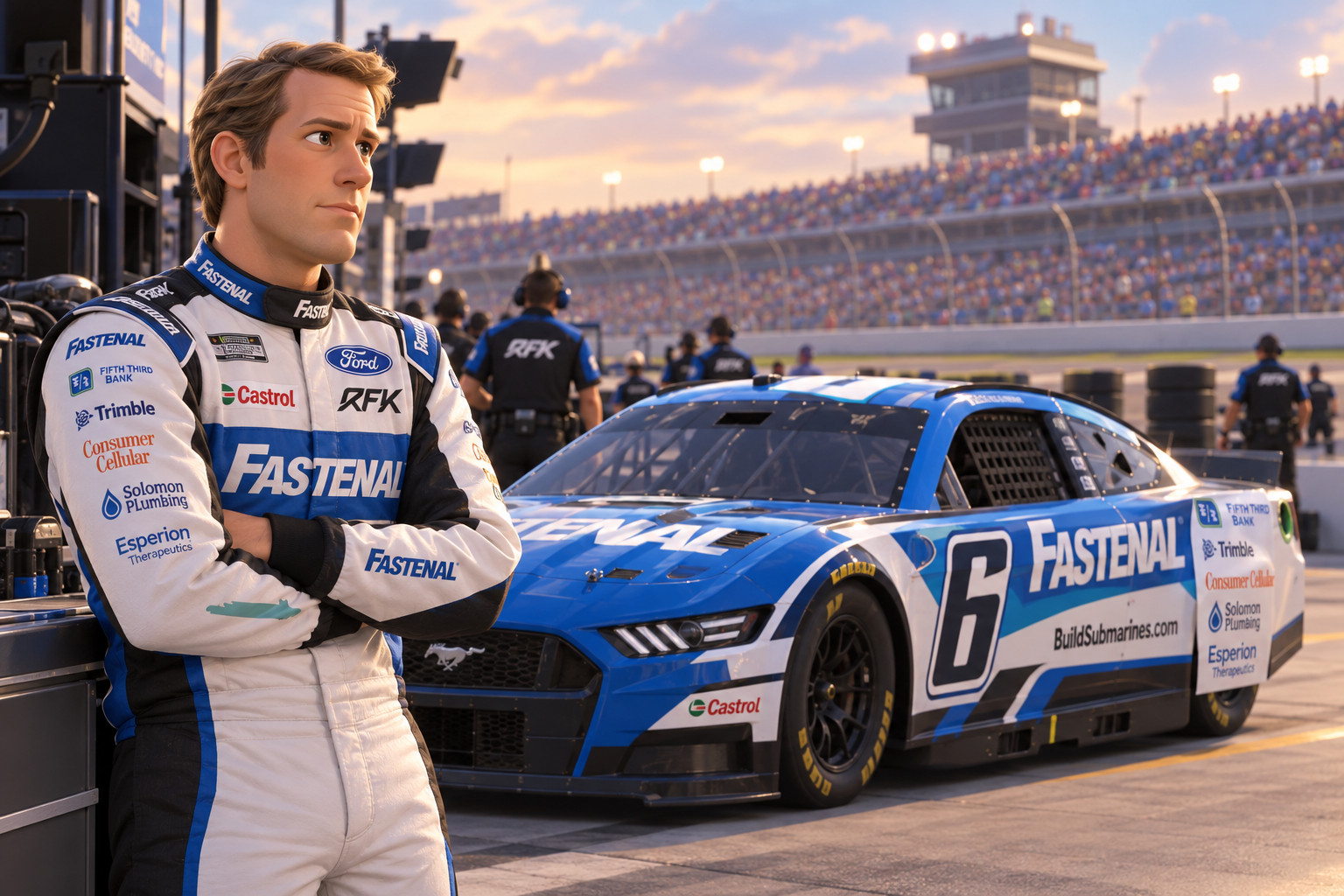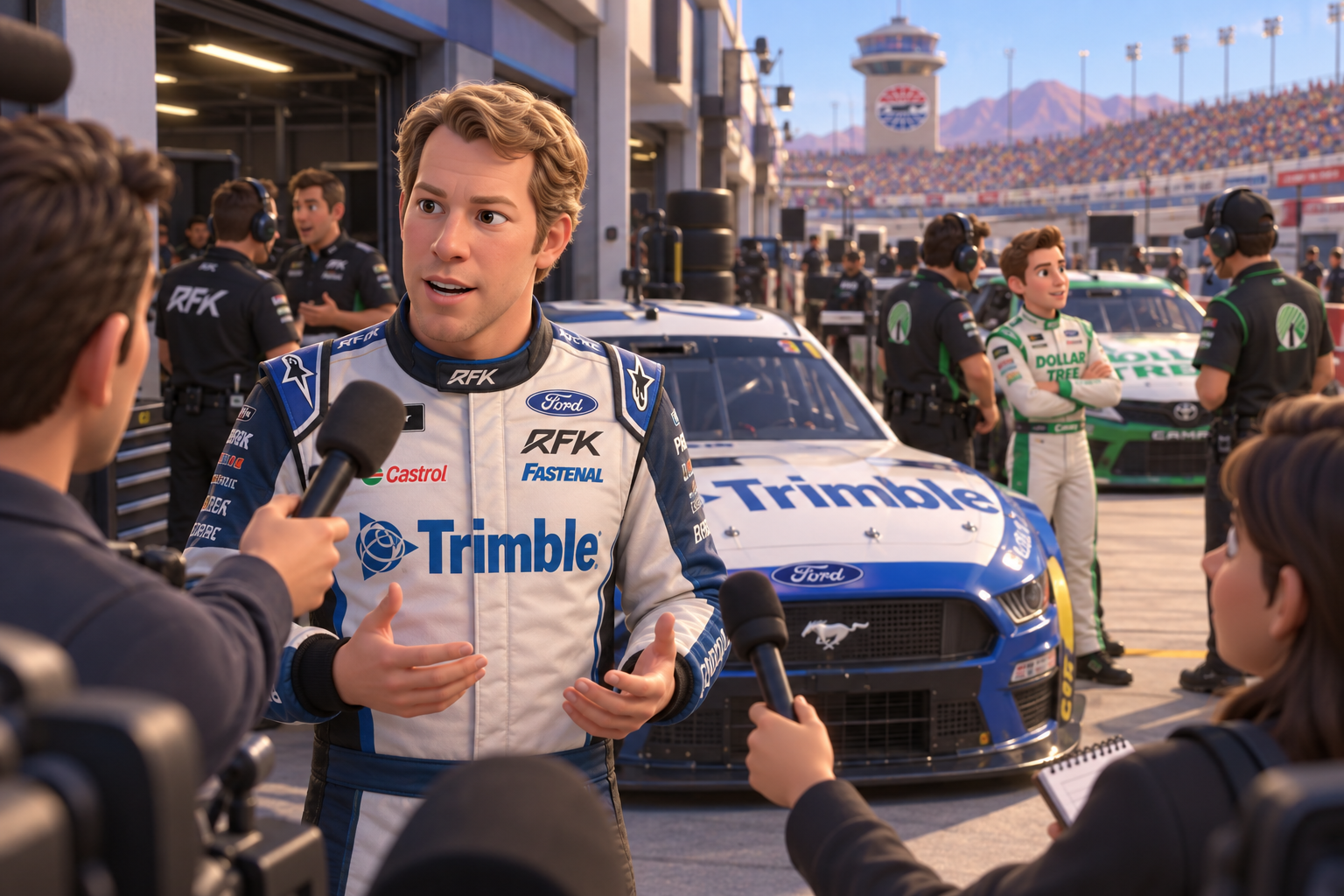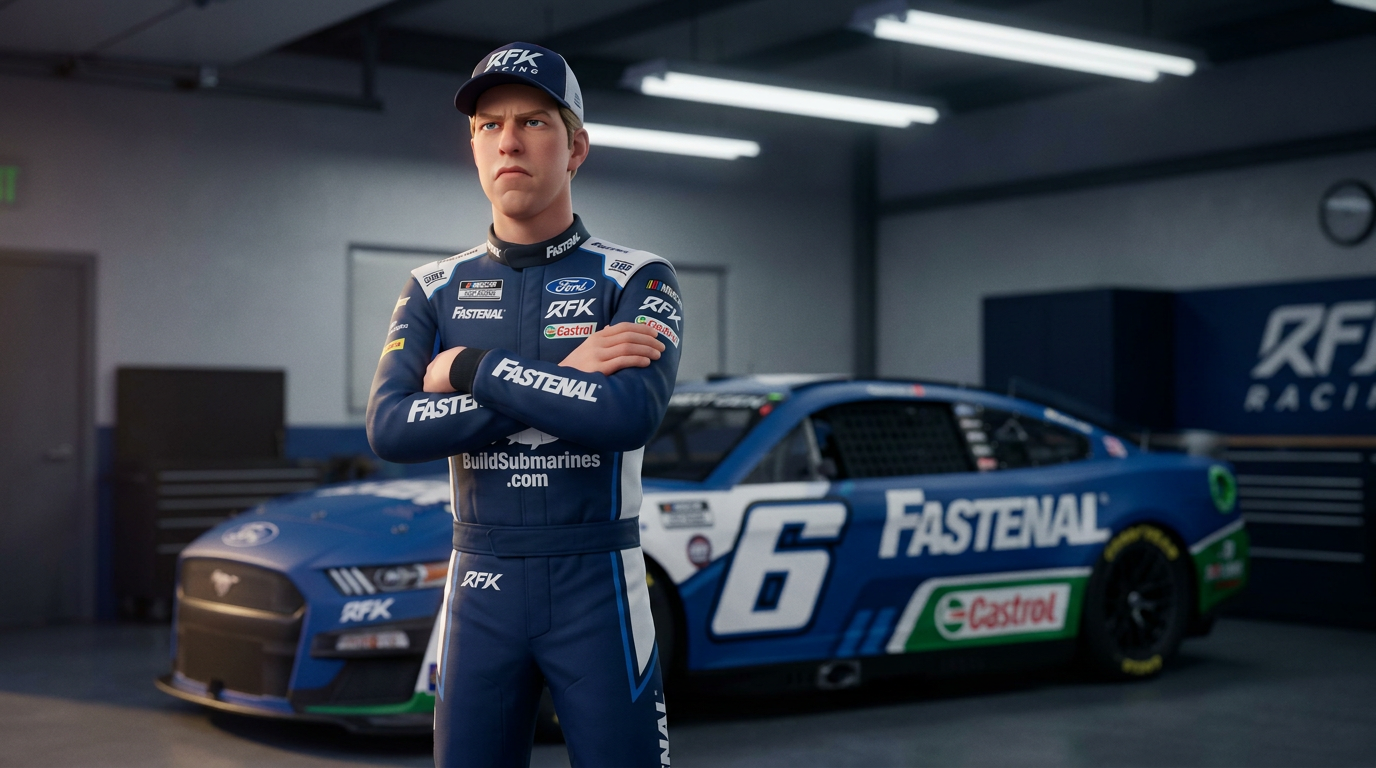
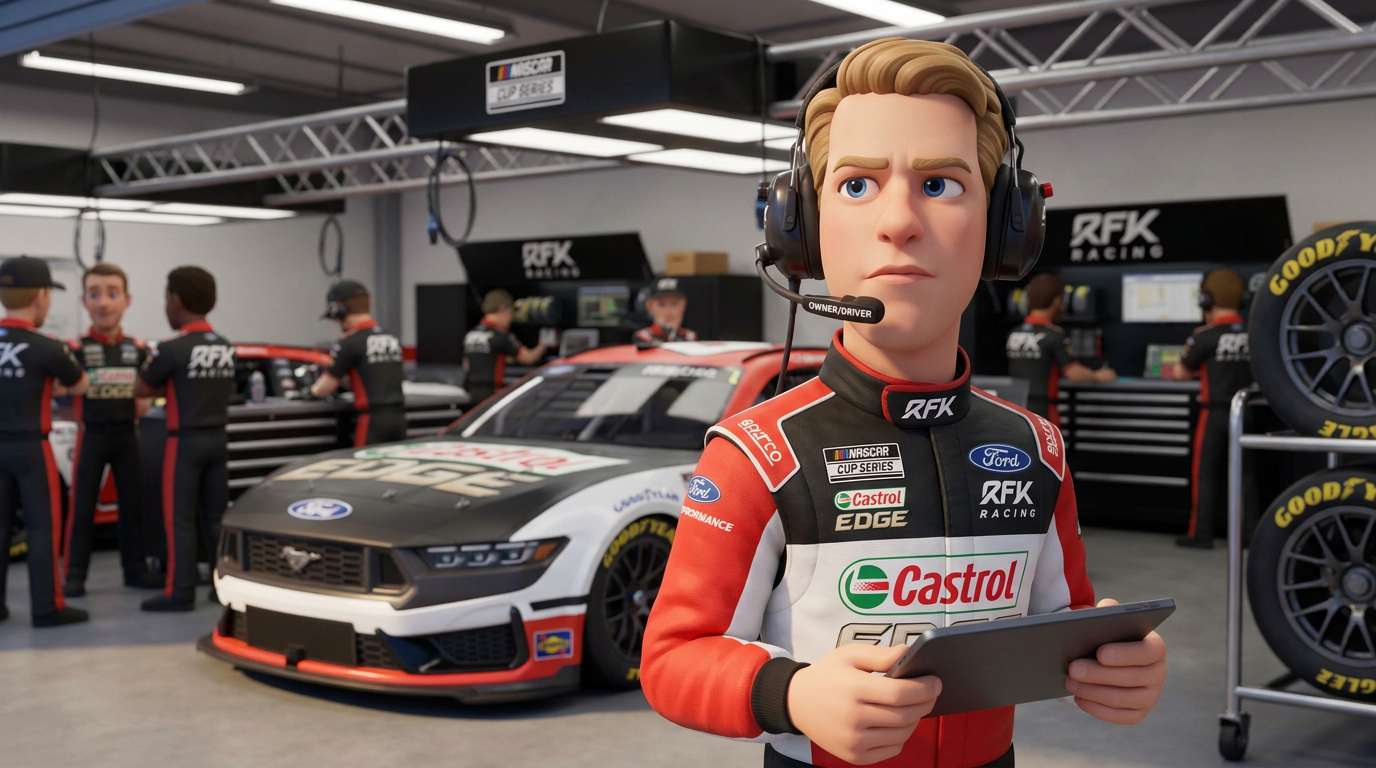
Brad Keselowski is set to leave RFK Racing after the 2026 NASCAR Cup Series season, adding an unusual driver-owner split to the division’s modern history.
NBC Sports reported that he will seek other opportunities after five seasons driving for the organization he joined as a co-owner.
His planned exit recalls several NASCAR partnerships that once appeared permanent before they ended. The record cannot provide alternate outcomes, but it shows why these separations were so difficult to foresee.
Keselowski prepares to leave RFK
Keselowski joined Roush Fenway Racing as a co-owner in 2021 and began driving for the renamed RFK Racing the following season, according to NBC Sports. Motorsport.com reported that he will leave at the end of 2026.
His dual role makes the move different from a standard Silly Season switch. Keselowski previously left Team Penske after 12 consecutive seasons to pursue the driver-owner opportunity at Roush. He won the 2012 Cup championship with Penske and recorded 34 Cup victories for the organization.
His RFK departure leaves a central question unanswered: what would the team’s long-term development have looked like if Keselowski had continued as both driver and co-owner? The available reporting establishes the split, not the answer.
Earnhardt leaves the family team
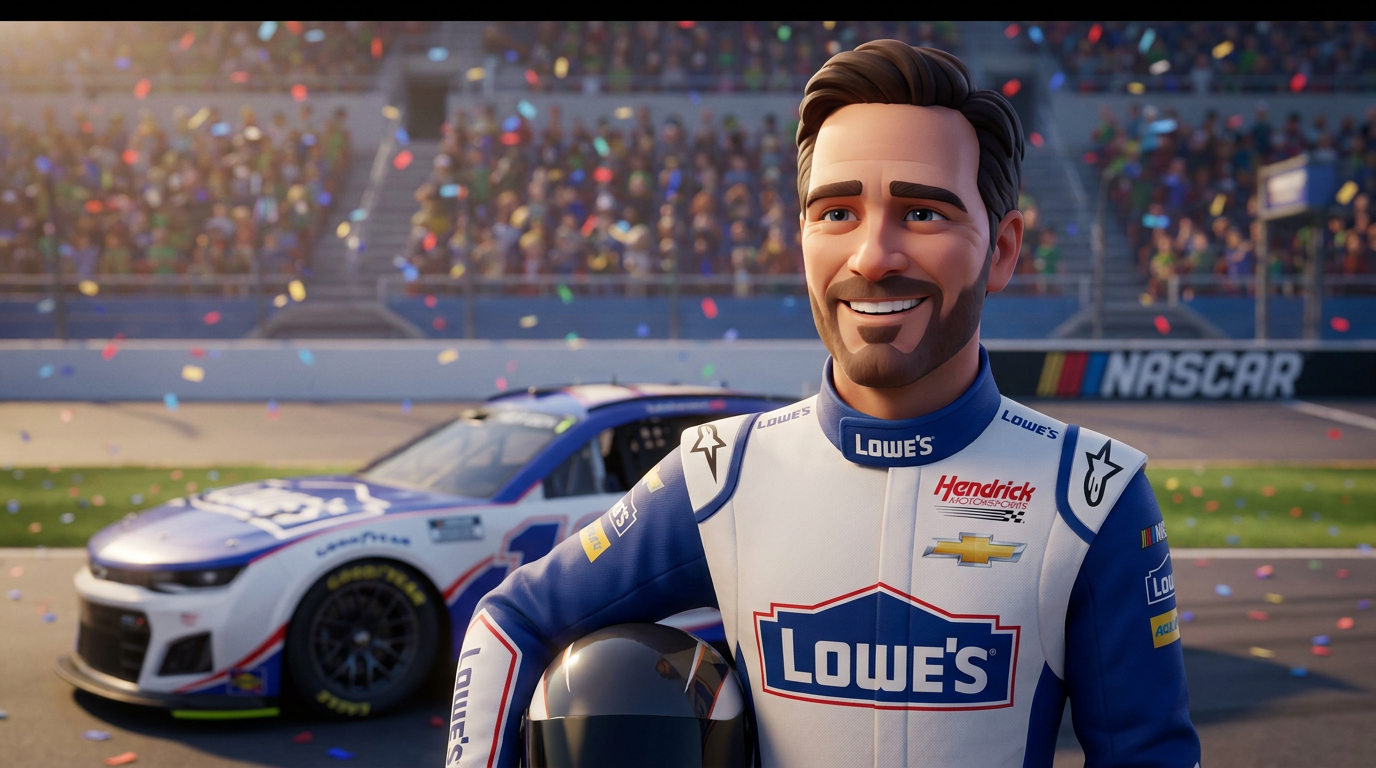
Dale Earnhardt Jr.’s decision to leave Dale Earnhardt Inc. in 2007 remains the defining family-team split of the modern era. His father founded the organization, and Earnhardt drove its red No. 8 Chevrolet from his 1999 Cup debut through 2007.
Earnhardt won 17 of his 26 career Cup races with DEI, including six in 2004. Motorsport.com reported that deteriorating internal relationships and his unsuccessful request for an ownership stake preceded his departure. Teresa Earnhardt, his stepmother and DEI’s majority owner after Dale Earnhardt Sr.’s death, did not grant that stake.
Earnhardt joined Hendrick Motorsports in 2008 and remained there through the end of his full-time career in 2017. Whether he could have changed DEI’s future by staying as a driver and becoming an owner remains an unanswerable question.
Busch and JGR lose their commercial glue
Kyle Busch’s departure from Joe Gibbs Racing after 2022 ended a 15-season partnership that produced two Cup championships, in 2015 and 2019. According to Motorsport.com, Busch won 54 of his 63 career Cup races in JGR’s No. 18 Toyota.
The split followed M&M’s decision not to return as primary sponsor and unsuccessful contract negotiations between Busch and JGR. Ty Gibbs replaced him, and the team changed the car number from 18 to 54. Busch moved to Richard Childress Racing.
Busch remained a race winner in his final season with JGR. Whether another sponsor and an agreed contract would have extended the partnership remains unanswered.
Stewart trades certainty for ownership
Tony Stewart left Joe Gibbs Racing after the 2008 season despite winning 33 races and the 2002 and 2005 Cup championships during 10 seasons with the organization. He took a driver-owner role with the operation that became Stewart-Haas Racing.
Motorsport.com reported that Stewart wanted to own a team and had reservations about JGR’s switch to Toyota because of his connections with General Motors. His move from a proven championship team to an unproven ownership project was a considerable risk.
It succeeded. Stewart won the 2011 Cup title as a driver-owner, and Kevin Harvick delivered another championship for Stewart-Haas in 2014. Staying at JGR might have extended a successful partnership, but NASCAR would not have had the Stewart-Haas story that followed.
Harvick’s departure produces an immediate title
Kevin Harvick spent 13 seasons with Richard Childress Racing after taking over the organization’s Cup entry following Dale Earnhardt’s death in 2001. He won 23 of his 60 career Cup races for RCR before moving to Stewart-Haas Racing in 2014.
The relationship became strained after Harvick announced his planned departure. Following an incident with Ty Dillon in a 2013 Truck Series race at Martinsville, Harvick publicly criticized Richard Childress’ grandsons. Harvick and Childress later reconciled.
The competitive payoff was immediate: Harvick won the Cup championship in his first season with Stewart-Haas. Any question about a longer RCR tenure must account for the title he earned after leaving.
Johnson and Knaus end a record-setting pairing
Not every major split sent the driver to another team. Hendrick Motorsports separated Jimmie Johnson and crew chief Chad Knaus after the 2018 season, ending a 17-year partnership.
Johnson and Knaus won seven Cup championships together, including five in a row from 2006 through 2010, and more than 80 races. Motorsport.com reported that both described the change as a long-discussed decision meant to provide a fresh start rather than an abrupt firing.
Knaus moved to William Byron’s team, while Johnson worked with Kevin Meendering. Their split still raises one of NASCAR’s biggest hypothetical questions: could the partnership have returned to winning form? History provided no answer.
The next move remains open
Keselowski’s planned departure joins splits shaped by ownership ambitions, sponsorship problems, family disputes and competitive resets. His next step is less clear. NBC Sports reported that he will seek other opportunities, but the supplied reporting does not establish his destination. Until one is announced, his future remains open and the latest major NASCAR what-if cannot be answered.