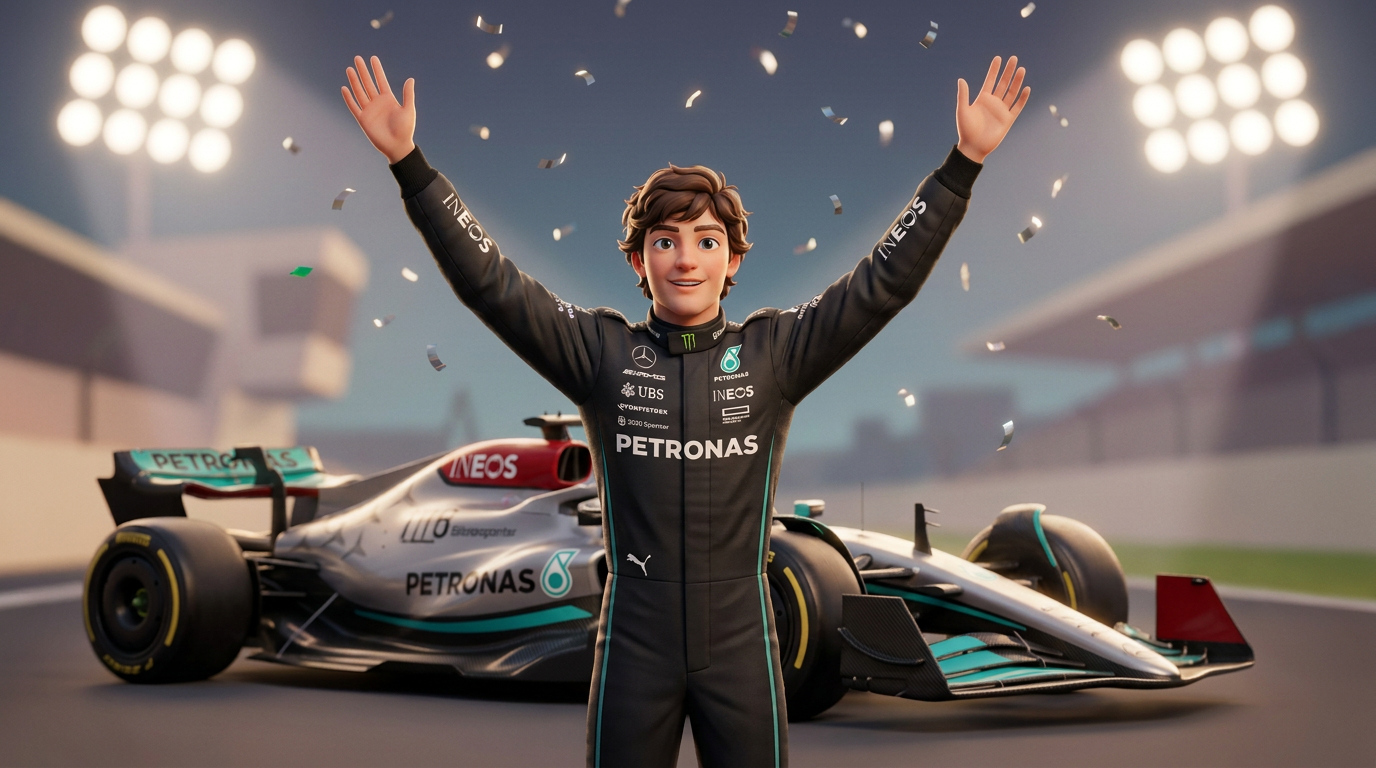
Kimi Antonelli has won six of the first 11 Grands Prix in 2026. Win rate, Mercedes’ strength and long-term success will shape his historical standing.
Kimi Antonelli has raced into Formula 1’s historical conversation. The Mercedes driver has won six of the first 11 Grands Prix in 2026, making his outstanding half-season a useful test of how greatness can be judged across eras.
A commanding share of the season
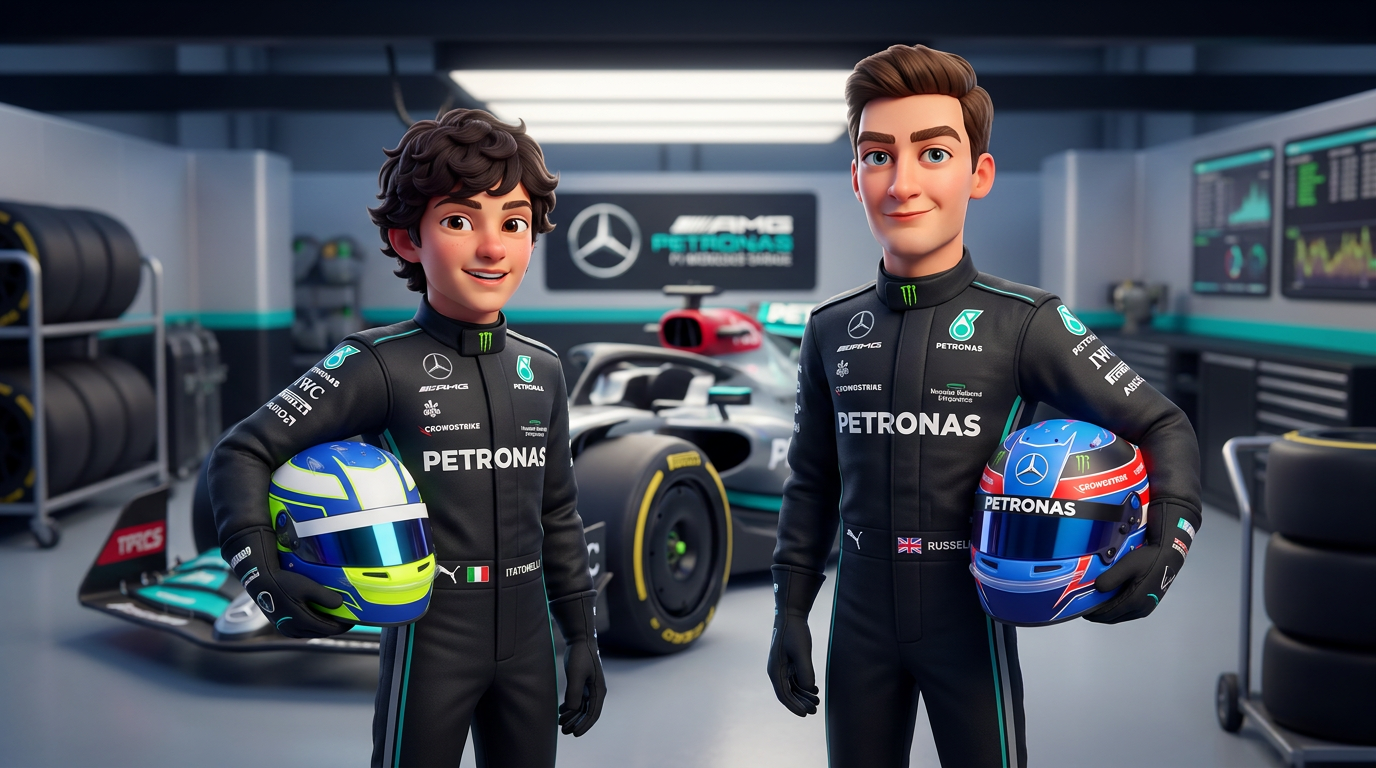
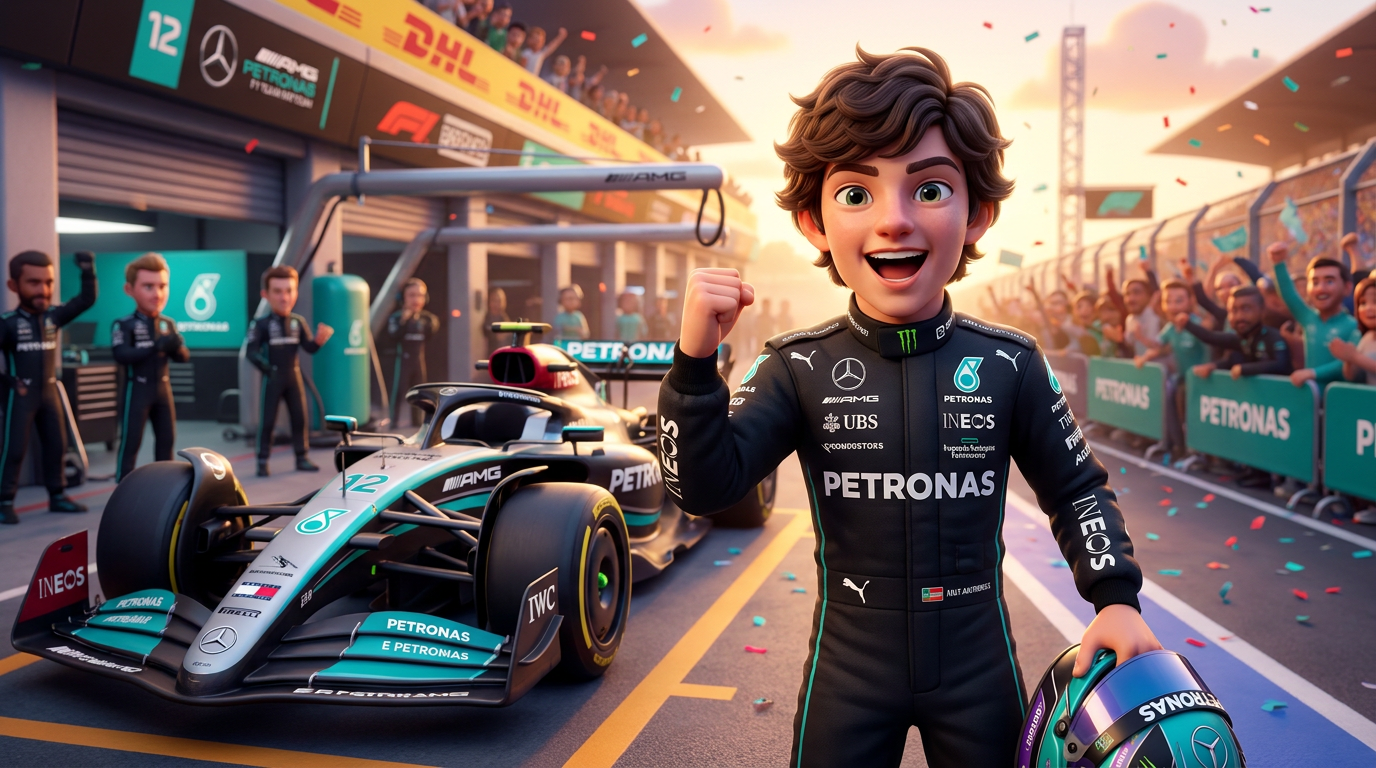
Antonelli won in China, Japan, Miami, Canada, Monaco and Belgium. He has claimed 54.5% of the victories available before the summer break. Mercedes has won eight races overall, including George Russell’s victories in Australia and Austria.
The sequence carries weight, too. Antonelli took five straight victories from China through Monaco. After Lewis Hamilton won in Barcelona-Catalunya and Russell triumphed in Austria, Antonelli finished third in Austria before returning to the top in Belgium.
Those results came on contrasting circuits, from Suzuka’s high-speed precision and Monaco’s confined streets to Miami’s heat and Spa-Francorchamps’ sweeping layout, showing the versatility associated with the championship’s most celebrated drivers.
Why raw totals need context
Wins alone cannot define Antonelli’s place beside Formula 1 legends. The world championship began in 1950, when shorter calendars left drivers with fewer chances to accumulate career totals.
Modern seasons feature substantially more races. Reliability, safety, scoring systems and competitive depth have also changed. Win percentage offers a cleaner snapshot than an unadjusted total, although it still cannot account for differences in machinery.
Team context matters in 2026. Russell has won twice, while Ferrari, McLaren and Mercedes have shared the other results among Hamilton, Charles Leclerc and Lando Norris.
Antonelli’s six victories account for three-quarters of Mercedes’ eight wins. That share within the team strengthens his individual case, though Mercedes’ dominance complicates direct comparisons with drivers who beat superior cars.
The championship remains the ultimate measure
Formula 1’s most enduring greatness is built through sustained achievement, including championships and victories across regulation cycles. Performance against elite teammates also counts, as does resilience without the fastest car. Antonelli’s first half cannot establish that record yet, but it has provided an exceptional foundation.
The Dutch Grand Prix on August 23 starts a 12-race run to Abu Dhabi. If Antonelli stays anywhere near his current 54.5% win rate, his 2026 campaign will warrant comparison with the strongest single-season performances in Formula 1 history, rather than solely with other young stars.