Formula 1 should resist calls to outlaw power unit algorithms and instead make their strategic impact clearer for fans watching races.
Formula 1’s new power units have sharpened debate about software’s influence on racing. The FIA is right to oppose a ban on deployment algorithms. Taking away a crucial control tool wouldn’t make the cars purer. It would make them less efficient and potentially harder to race.
A ban would target the symptom
FIA single-seater director Nikolas Tombazis has argued that banning algorithms would cause more clipping, the abrupt loss of electrical assistance when stored energy runs out. He also noted that the complexity of F1 power units makes optimal deployment extremely difficult for a driver to calculate alone.
That difference matters. Drivers still choose when to attack, defend and conserve, but requiring them to solve an energy-management equation manually at every corner would increase workload without adding meaningful skill. Formula 1 has always used engineering to translate a driver’s intent into performance.
Technology is not the enemy
Competitive evidence shows the human element remains central. Through 11 rounds, six drivers have won races. Kimi Antonelli leads that group with six victories, while George Russell has two. Lewis Hamilton, Charles Leclerc and Lando Norris have also won.
The margins are still gripping. Russell finished 0.427 seconds behind Leclerc at Silverstone. In Belgium, Antonelli beat Leclerc by 1.952 seconds.
Those results still depend on execution, setup, tire management and judgment, rather than simply which computer selects an energy map. Algorithms are also inseparable from the road relevance F1 claims for its hybrid technology. Finding smarter ways to deploy limited electrical energy belongs in the engineering contest.
F1 must explain deployment better
Formula 1 is letting fans down with its presentation. Viewers can identify tire degradation or a damaged wing, while energy clipping often appears as an unexplained collapse in straight-line speed.
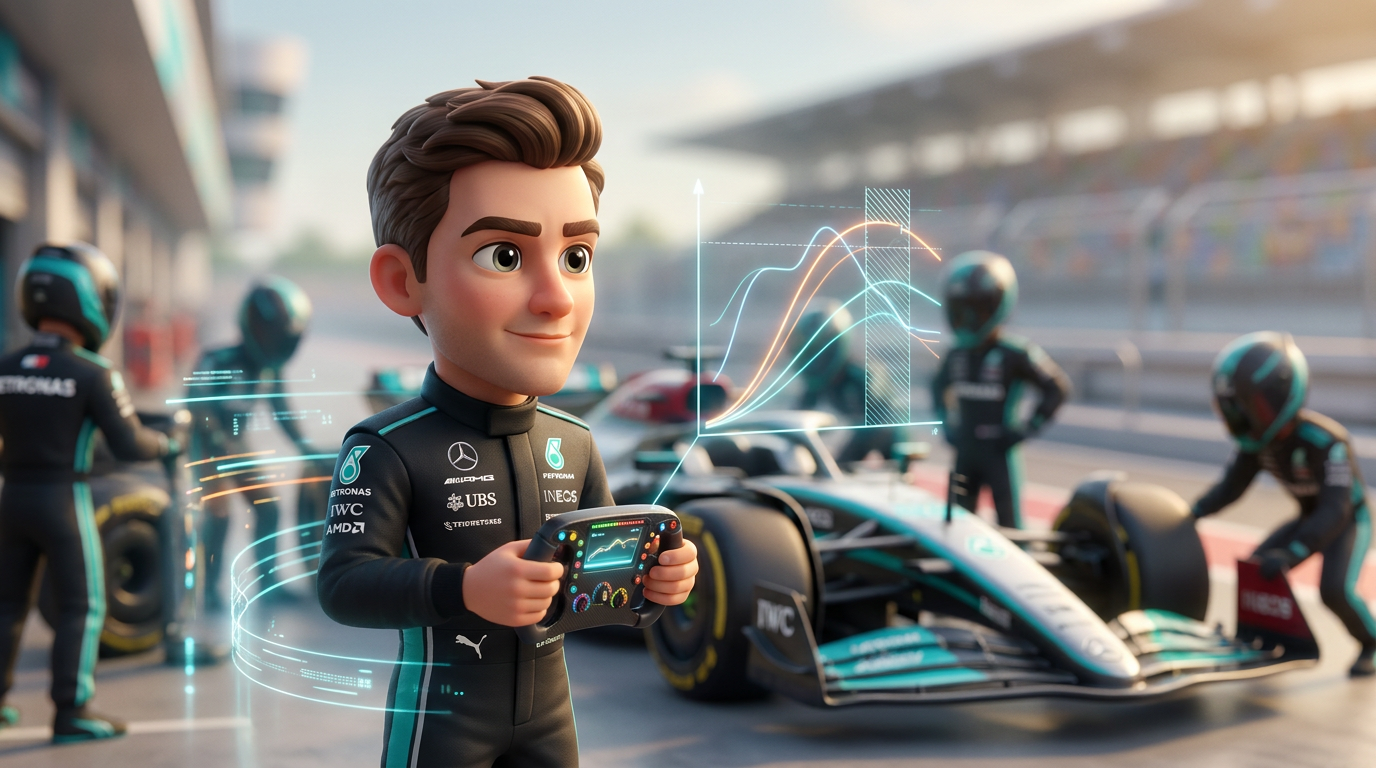
Instead of outlawing algorithms, F1 should offer clearer broadcast graphics showing available electrical energy, harvesting phases and the moments when deployment drops away. The sport can explain those consequences without forcing teams to surrender proprietary code.
The Dutch Grand Prix on August 21-23 starts the next phase of the season. Energy use will remain decisive as teams refine these new cars, and F1 should preserve that technical battle while giving fans better tools to follow it.