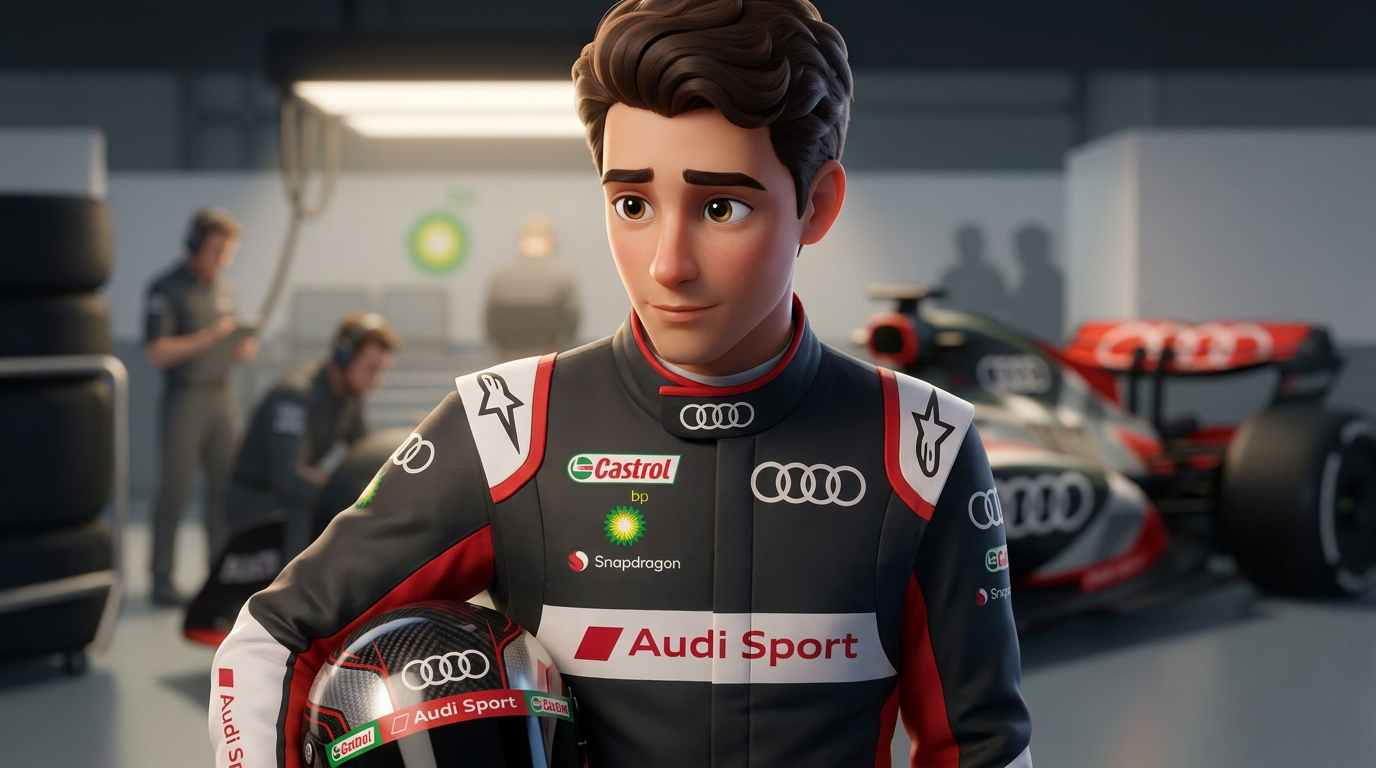
Gabriel Bortoleto is right to reject driving style as an excuse for poor F1 2026 results. Drivers must adapt, while teams must provide evidence and capable cars.
Formula 1’s latest technical reset was certain to draw complaints. The new machinery changes braking, energy management and how drivers find lap time. Gabriel Bortoleto is right, though: blaming the 2026 cars for supposedly conflicting with particular driving styles offers too easy an excuse.
Adaptation is part of the job
Bortoleto has dismissed claims that this generation of cars inherently works against some drivers’ natural techniques. His point matters because adaptability is a defining measure of driver performance.
Every major rules change forces adjustments.
The best drivers understand what the car requires, alter their inputs and help engineers produce a workable setup. One difficult weekend should not condemn a driver. Yet an awkward stylistic fit cannot explain away every prolonged deficit.
Antonelli provides the strongest evidence
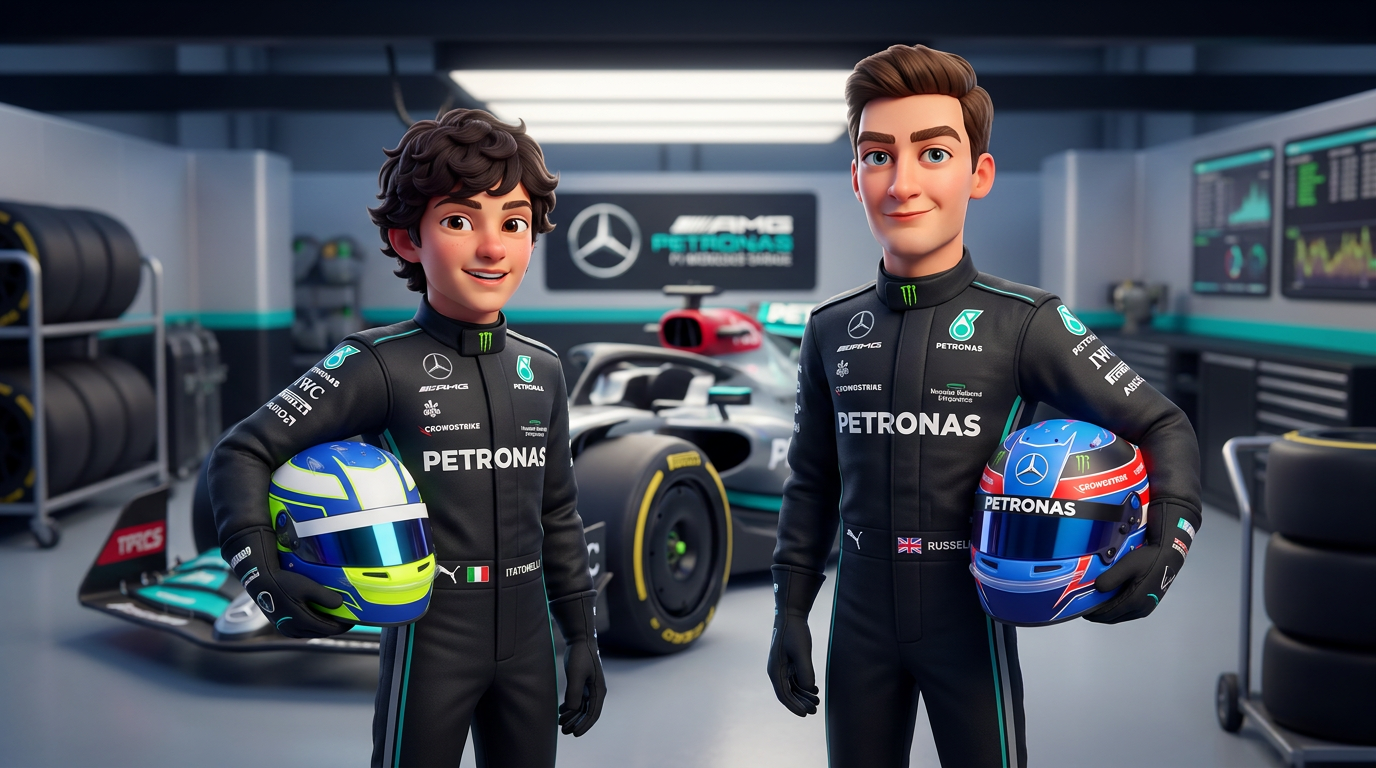
Kimi Antonelli’s season makes the case for adaptation hard to dispute. The Mercedes driver has won six of the first 11 Grands Prix, taking victories in China, Japan, Miami, Canada, Monaco and Belgium.
Those wins cover street circuits, high-speed tracks and races shaped by very different strategic demands. Antonelli has repeatedly turned a competitive package into results across contrasting tests, rather than relying on one narrow operating window.
George Russell has also delivered Mercedes victories in Australia and Austria.
That record reflects strong engineering alongside driver quality, while setting a clear standard. When the car has winning potential, both drivers need to extract it.
Different winners weaken the theory
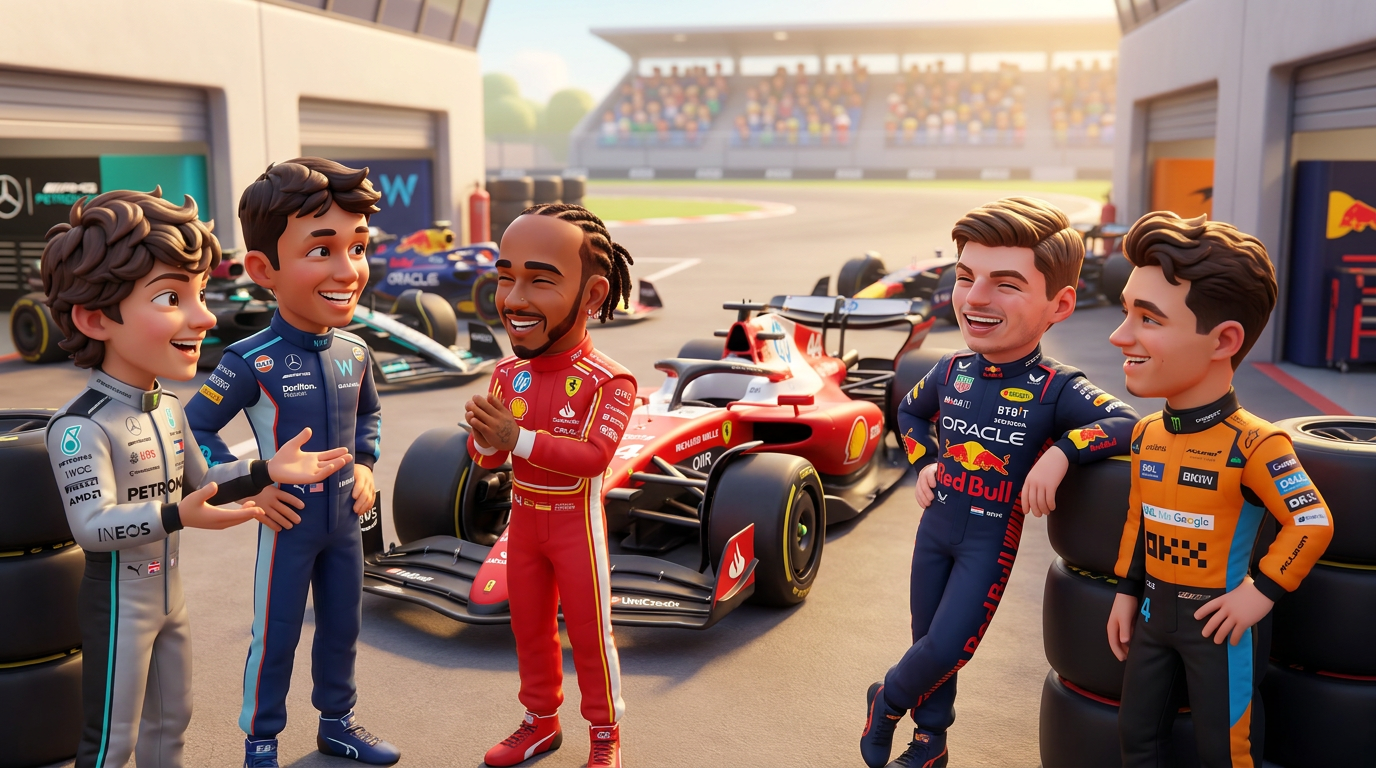
The results do not point to a formula that favors a single technique. Lewis Hamilton won at Barcelona-Catalunya, Charles Leclerc triumphed at Silverstone and Lando Norris claimed Hungary. Across the opening 11 rounds, five drivers from Mercedes, Ferrari and McLaren have taken victories.
The podium record widens the sample. Oscar Piastri, Max Verstappen and Pierre Gasly have each finished in the top three. That range indicates the regulations have not created one universal driving template, although some cars and drivers have adapted faster than others.
Teams still carry responsibility
Rejecting the driving-style excuse does not clear constructors of responsibility. Teams must provide predictable braking, usable balance and confidence as drivers move through changing corner phases.
Setup direction, simulator correlation and development decisions can make an apparent mismatch worse.
The problem is using “driving style” as an all-purpose verdict. It may describe a symptom without establishing whether the underlying cause is technique, setup, car behavior or engineering communication. Teams should present evidence instead of reaching for a protective label.
Zandvoort will restart the examination
The Dutch Grand Prix on August 21-23 opens the second half of the season. Monza and the Spanish Grand Prix follow, giving teams and drivers three distinct circuits that will quickly expose weaknesses.
Formula 1’s assessment should stay demanding and fair. Judge adaptation across several venues, account for the machinery and stop treating personal style as destiny. Bortoleto’s position is right. During radical technical change, versatility should count as performance, rather than excuse its absence.