Formula 1 has 22 compelling drivers, but tightly controlled media appearances keep flattening their personalities. F1 should give them room to speak freely.
Formula 1’s official site is celebrating the experts within each driver’s circle, including managers and sports psychologists. The sport should also consider how that bubble prevents fans from seeing its 22 drivers as people.
The grid has plenty to say
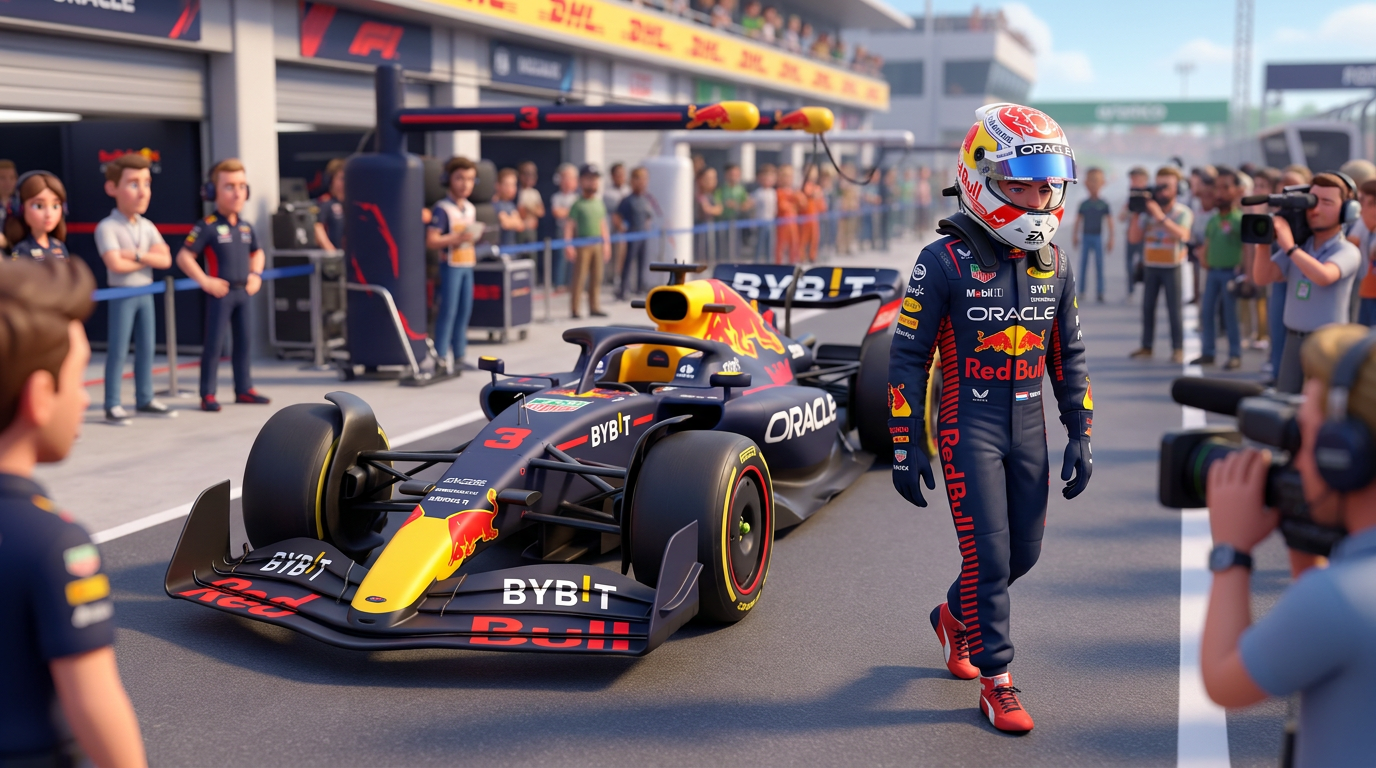
Alex Albon’s recent Red Bull joke on F1’s “Grill the Grid” gave fans another taste of the humor drivers can show when a format leaves them room. Max Verstappen has also discussed his enthusiasm for endurance racing and his desire to avoid “superstar” status.
Those moments connect because they’re specific.
Still, standard race-weekend interviews tend to produce standard answers. Drivers talk about tire preparation, balance and execution, then move on. The technical detail matters, but Formula 1 loses something when caution defines its public voice.
Corporate control is flattening everyone
Teams have valid interests to protect. One careless sentence can distract hundreds of employees, upset a partner or give a rival ammunition. Driver managers and communications staff are paid to limit those risks.
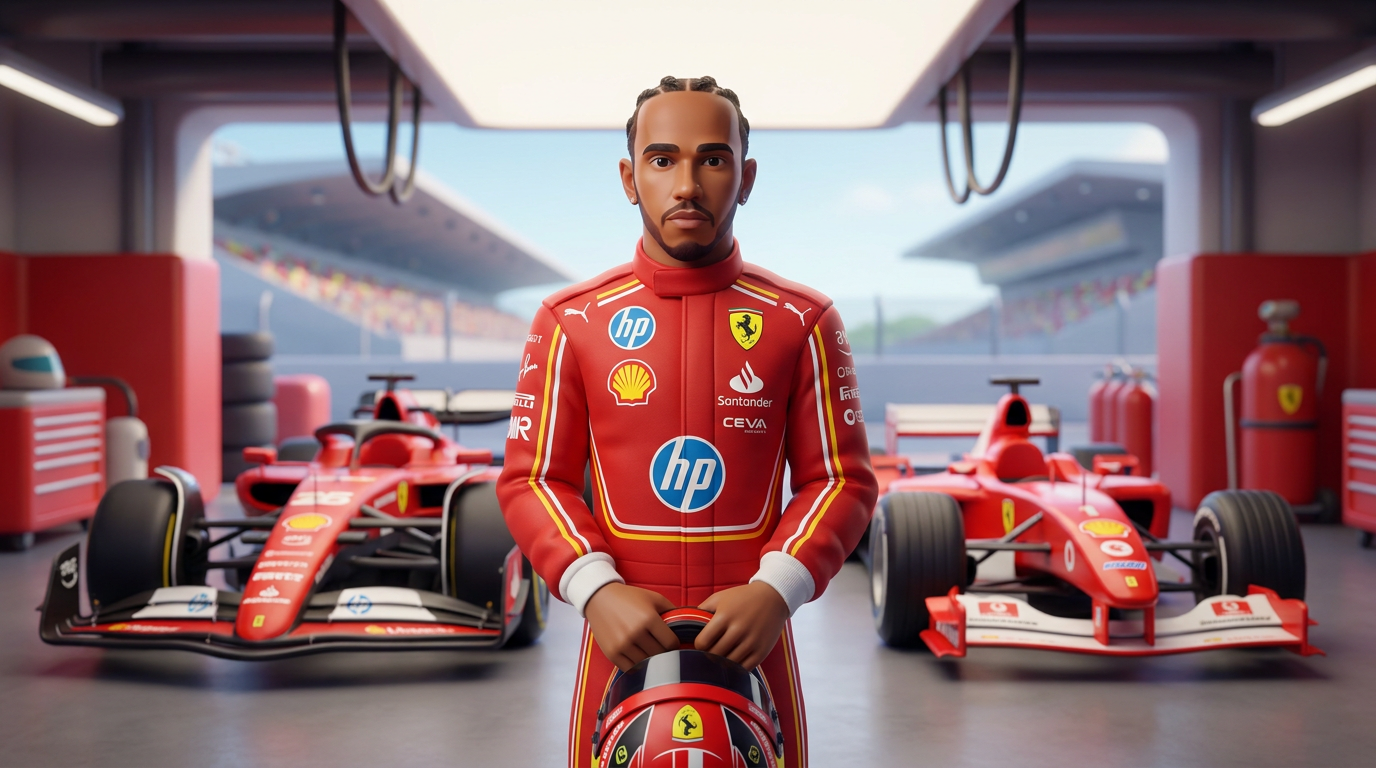
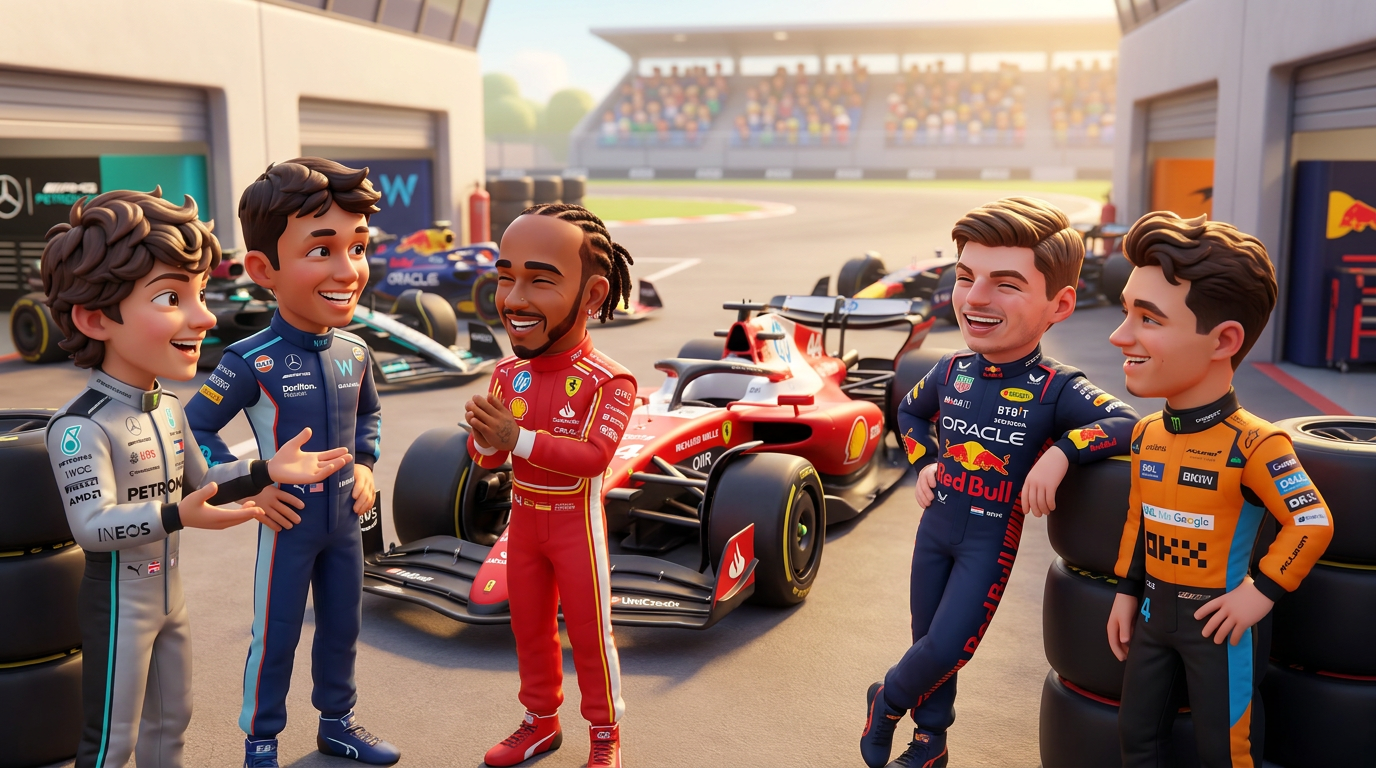
Constant control comes at a price. The 2026 grid features a dominant young winner in Kimi Antonelli, established champions such as Lewis Hamilton and Verstappen, and newcomers trying to form identities under intense scrutiny. Antonelli has won six of the first 11 Grands Prix. Fans deserve to know the person behind that remarkable record, rather than seeing only a polished Mercedes representative.
Fans notice authenticity
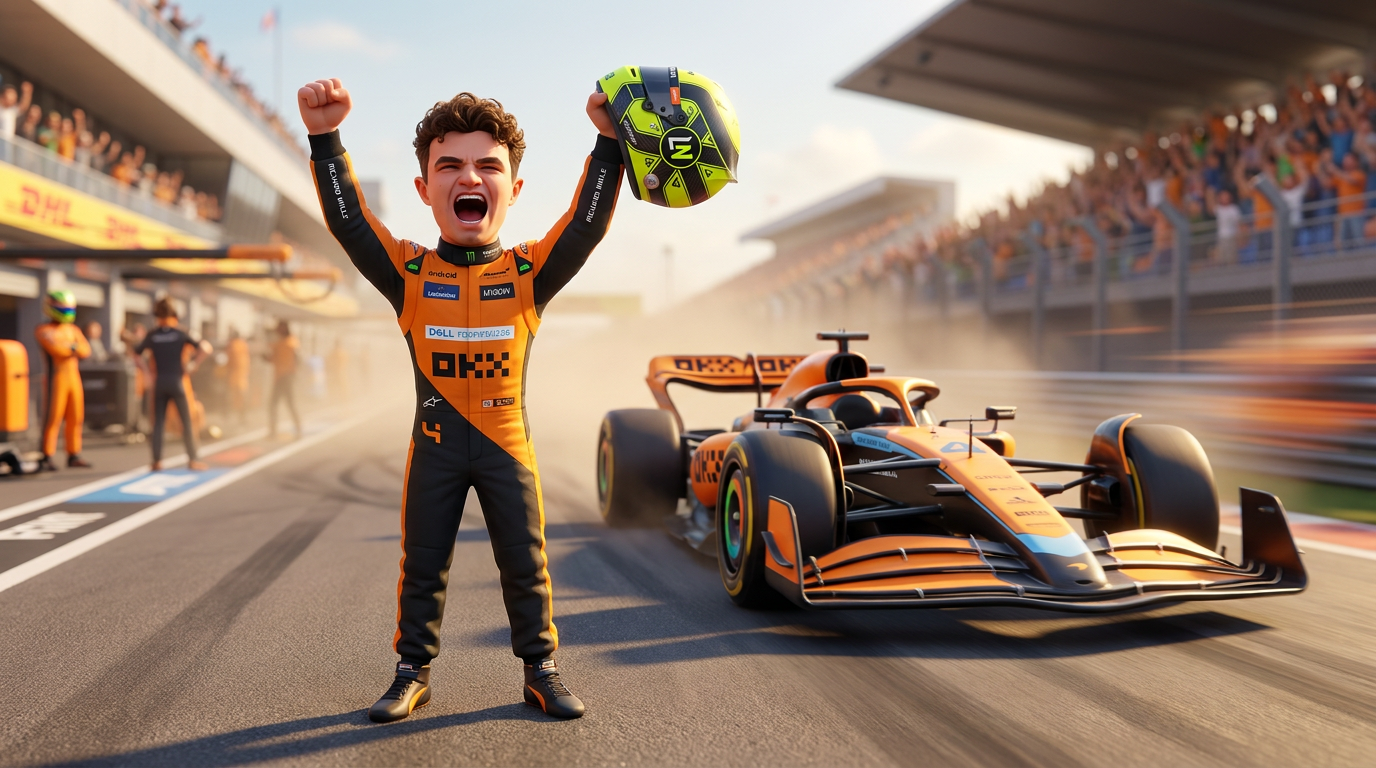
Lando Norris claimed McLaren’s first victory of 2026 in Hungary, beating Verstappen by 15.08 seconds in the 70-lap race. His candid discussions about pressure and self-doubt have long distinguished him from drivers who fall back on safe phrases.
That honesty attracts criticism. It also gives fans a reason to invest. They understand what a result means because Norris has shown them its emotional cost.
F1 shouldn’t expect every driver to confess. It should provide an environment where individuality isn’t viewed as a communications failure.
F1 needs better formats
We want fewer mandatory interviews based on identical prompts. Some should be replaced by longer conversations held away from the immediate pressure of qualifying and races. Give drivers room to discuss interests beyond F1, question one another and explain disagreements without trimming every answer into a 20-second clip.
The calendar has space now. Hungary was Round 11 on July 26, and the Dutch Grand Prix doesn’t start until August 21. That four-week break is ideal for thoughtful, driver-led features instead of another flow of managed vacation posts.
Teams should accept some risk
Unscripted access will produce the occasional awkward answer. That’s the deal. Formula 1 asks fans to care deeply about people racing across 23 Grands Prix, yet it too often presents those drivers through layers of approval.
The next media test arrives at Zandvoort from August 21 to 23. F1 and its teams should allow the drivers who arrive there to sound like themselves.