Formula 1 wants shorter races in 2027, but cost and packaging concerns cannot outweigh the need for evidence that the sporting product will improve.
Formula 1 is preparing to shorten most Grands Prix from 305 kilometers to roughly 290 in 2027. The proposal merits conditional support, but the championship must first show that removing distance will create harder racing instead of hiding flaws in its energy rules.
A practical fix with a sporting cost
All 11 teams have agreed to a reduction of about 5 percent, equal to 2 or 3 laps at most circuits. Monaco would keep its existing 260-kilometer distance.
The proposal comes after a late power unit revision that increases fuel flow and the combustion element of the hybrid package. The larger fuel tanks otherwise required would force teams into expensive chassis repackaging. Shorter races provide a cheaper way out, although the change still needs approval through the championship's regulatory process.
The engineering logic is sound. For fans, it isn't enough.
Grand Prix distance matters
A 305-kilometer race tests tire life, strategy and driver concentration within a familiar format. Reducing that distance to about 290 kilometers shifts the point at which undercuts become viable and narrows the window for a late recovery.
That doesn't make the proposal wrong by default. Long lift-and-coast phases aren't sacred, and watching drivers manage an energy target provides little entertainment when attacking is effectively prohibited. A shorter race with sustained competition is better than a longer one dictated by extreme conservation.
Our objection is that Formula 1 wants to alter the contest before publishing evidence that distance is the actual problem. Its case currently relies heavily on packaging and cost. Sporting regulations must put the race first.
Monza showed what deserves protection
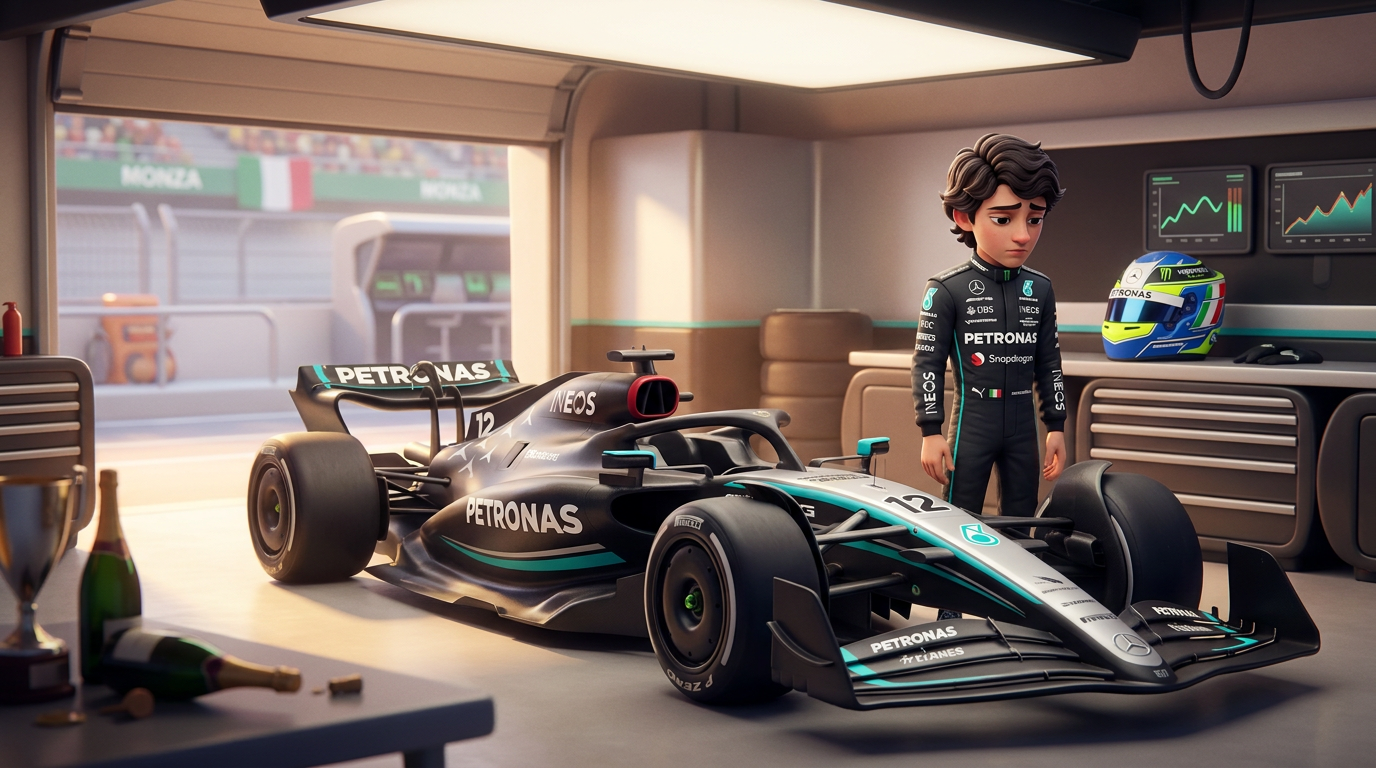
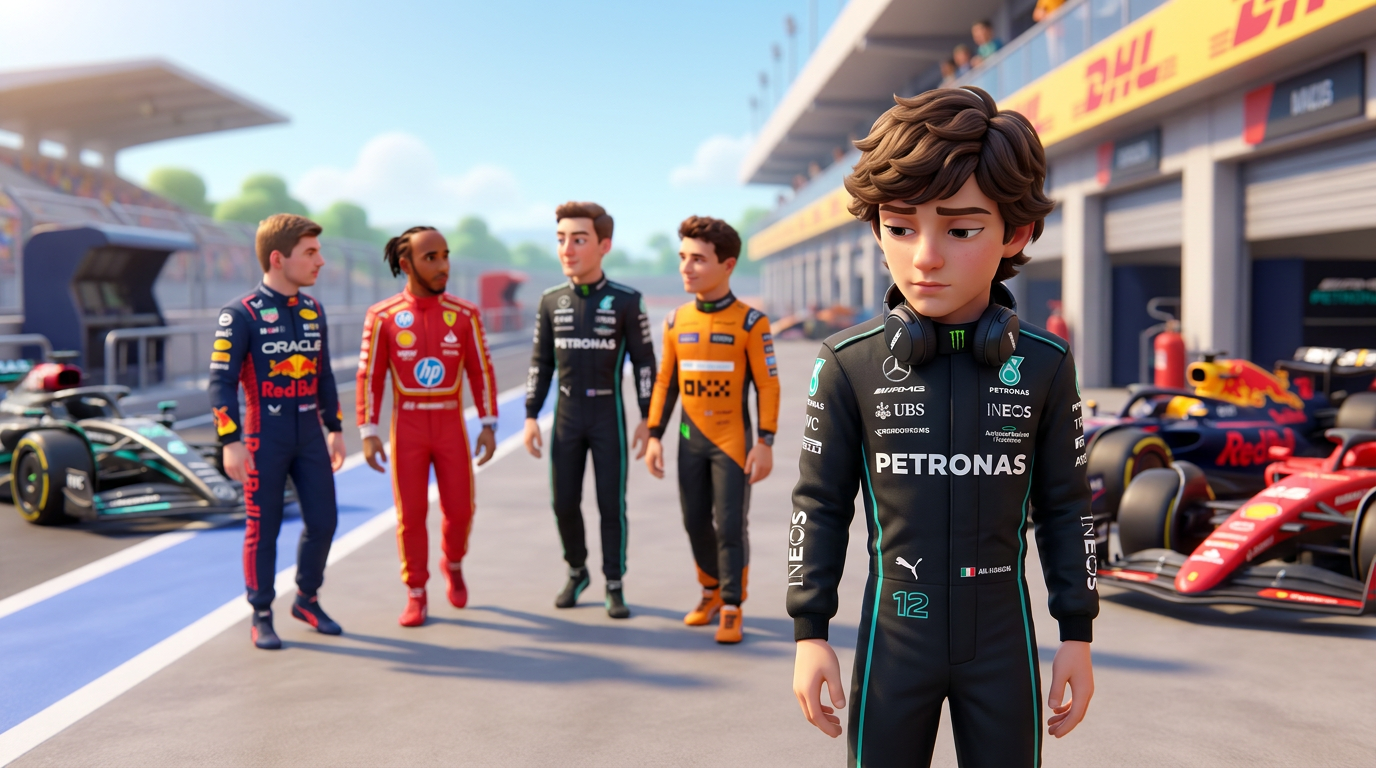
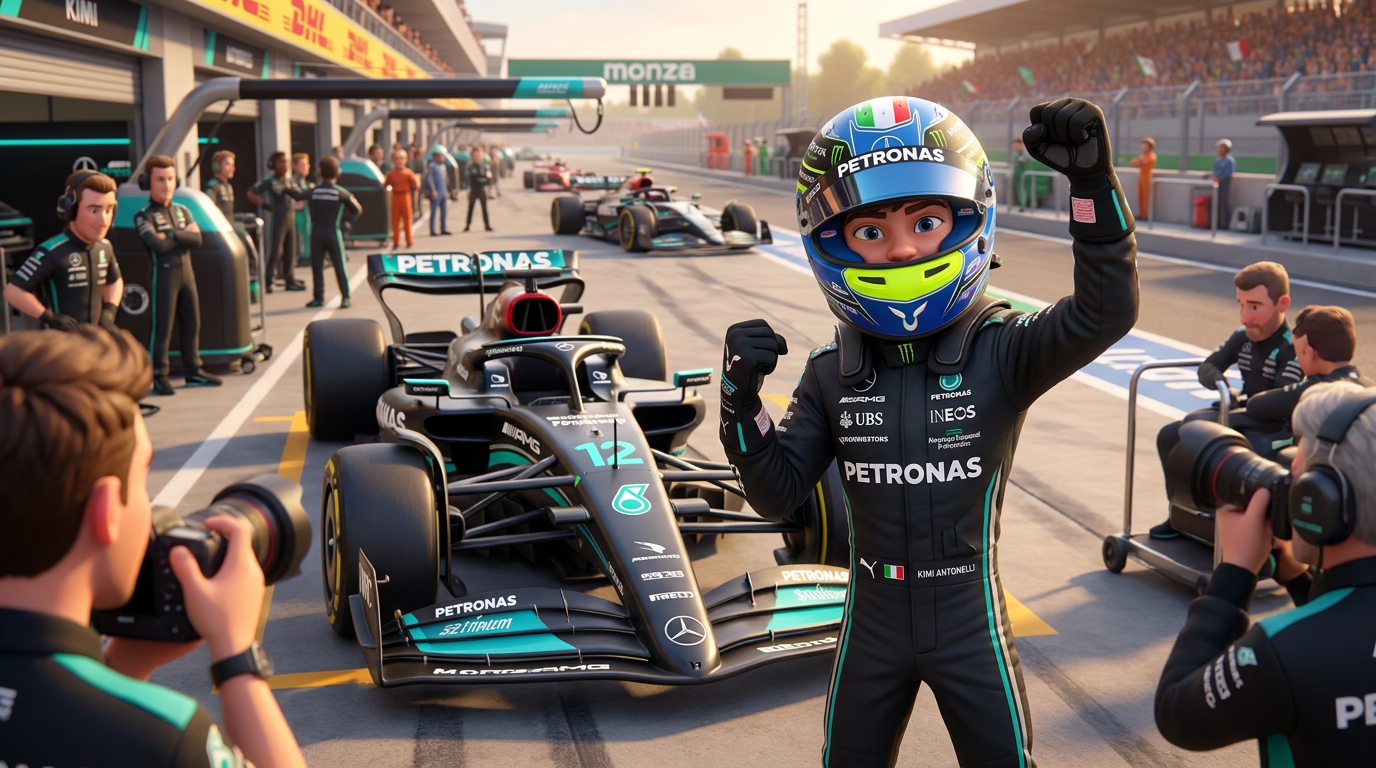
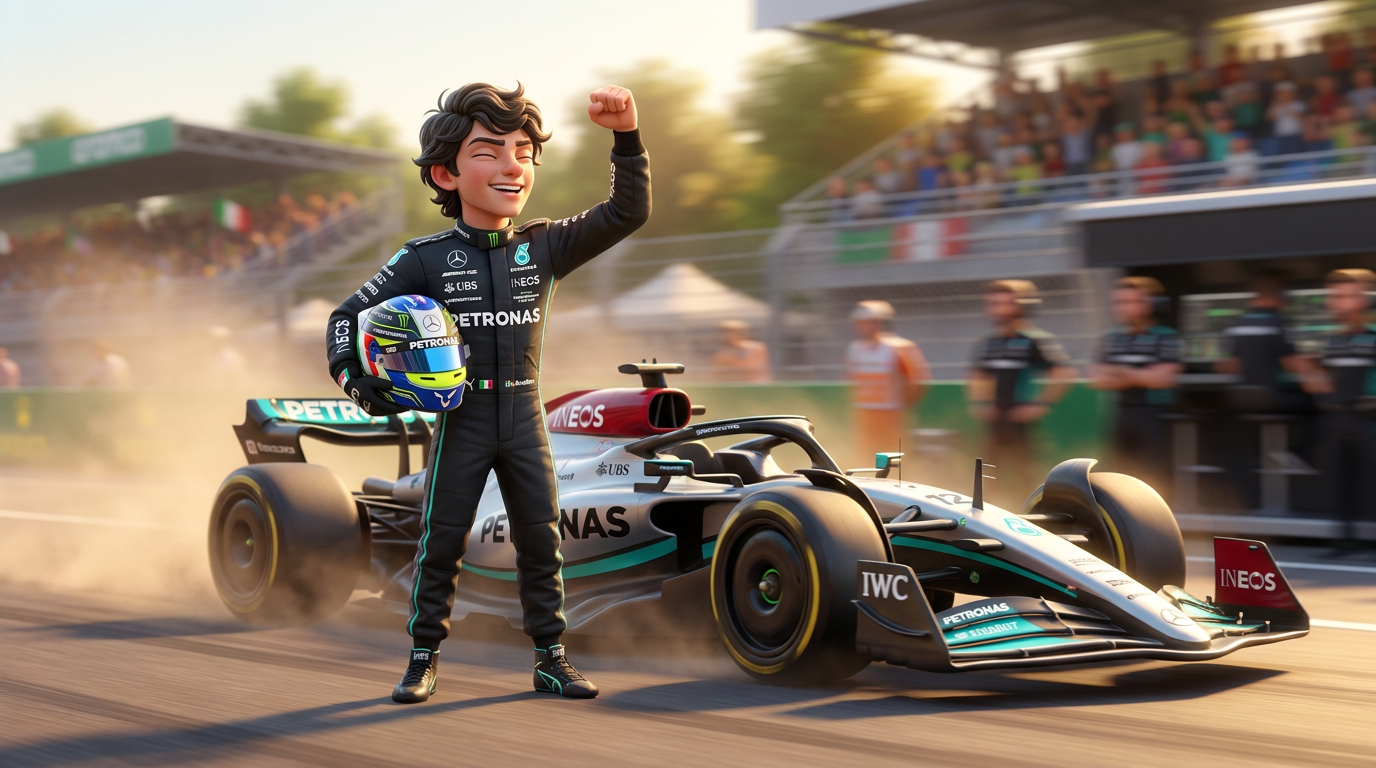
Andrea Kimi Antonelli won the 2026 Italian Grand Prix from 19th on the grid after an engine change penalty. The Mercedes driver departed Monza with a 66-point championship lead over George Russell, up from 59 after the Dutch Grand Prix.
That recovery showed the value of sufficient race distance. Antonelli had enough time to work through traffic and convert superior pace into a result. Take away laps, and opportunities for that type of comeback disappear with them.
The opposing case is clear. If the new energy formula demands prolonged saving across 305 kilometers, the stated distance becomes misleading. The cars may complete every lap, but the drivers aren't fighting through each one at representative pace.
Publish the comparison
Formula 1 should conduct simulations and publish circuit-specific comparisons before approving the 2027 change. Fans should see projected fuel-saving percentages and lap-time loss across both 305 and 290 kilometers. The analysis must also explain how each format changes overtaking opportunities and strategic variation.
Those numbers would show whether the proposal improves competition or merely avoids fitting larger tanks.
The championship has already received an extra cost-cap allowance for 2026 chassis work tied to energy management. Transparency is therefore essential. Teams cannot rely on cost containment as their sole justification without explaining why the existing allowance cannot protect traditional race distances.
Our verdict is conditional
We support 290-kilometer Grands Prix only if the data shows a meaningful reduction in lift-and-coast running without harming strategy or comeback drives. If it does, losing 2 or 3 laps is a defensible trade for allowing drivers to push harder.
If the evidence points only to a cheaper packaging solution, Formula 1 should revise the power unit requirements and retain 305 kilometers. Regulators must now place comparative race data in public view before the 2027 proposal reaches its final vote.