
Kimi Antonelli used a Lap 22 Safety Car stop to win at Suzuka by 13.722 seconds, beating Oscar Piastri and taking the championship lead.
Antonelli turns recovery into victory
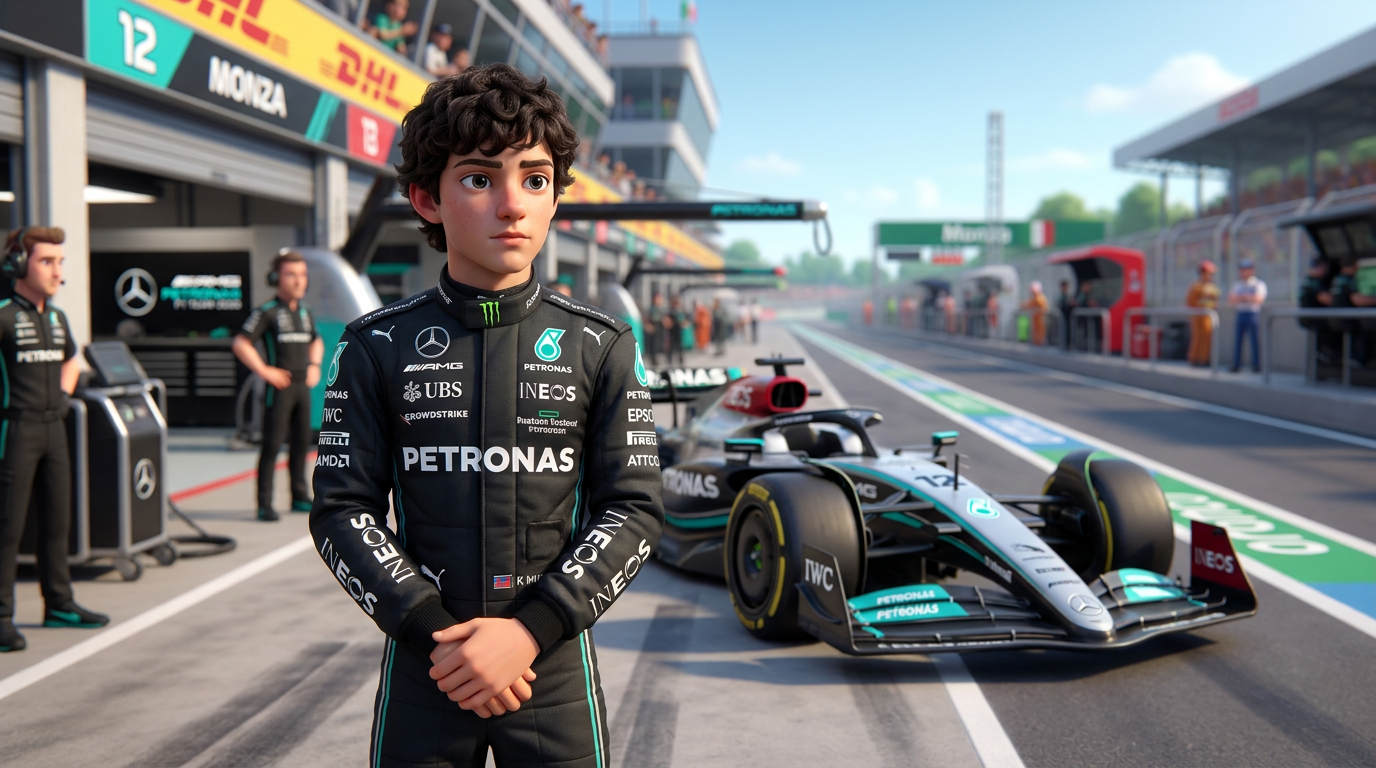
Kimi Antonelli won the 2026 Japanese Grand Prix for Mercedes after a decisive Safety Car intervention reshuffled the order at Suzuka. He then controlled the run to the chequered flag.
The Italian completed 53 laps in 1:28:03.403, finishing 13.722 seconds ahead of Oscar Piastri. Charles Leclerc took third for Ferrari, 15.270 seconds behind Antonelli, while George Russell followed in fourth, another 0.484 seconds back.
It was Antonelli’s second consecutive Formula 1 victory. At 19 years and 216 days, he became the first teenager to win successive grands prix and the youngest driver to lead the world championship.
Fortune played a part in putting Antonelli first, but his winning margin showed timing alone did not secure the result. He managed the restart, then completed the remaining distance without offering Piastri a way back into contention.
Piastri takes charge at the start
Piastri made a strong launch when the lights went out and led into Turn 1. Both Mercedes drivers started slowly. Russell slipped to fourth and Antonelli fell to sixth, leaving the pair to recover rather than control the race from the front.
Russell became Piastri’s main challenger early on. He closed on the McLaren and fought for the lead, but could not complete a pass at a circuit where track position carried particular value.
Antonelli worked his way back into the strategic contest. Piastri’s start initially gave McLaren control, although the timing of the leaders’ pit stops soon became more important than the early running order.
Piastri and Russell both pitted as the stops began. Antonelli remained on track and inherited a provisional lead, putting him in the ideal position when the race changed on Lap 22.
Safety Car opens the decisive window
A heavy crash for Haas driver Ollie Bearman triggered the Safety Car on Lap 22. Antonelli had yet to stop, so he pitted under neutralization and rejoined in first place, ahead of those who had already stopped under green-flag conditions.
The intervention wiped out the track-position advantage held by Piastri and Russell. It became the decisive strategic point of the Japanese Grand Prix, rewarding Mercedes for leaving Antonelli out while the initial leaders made their stops.
Antonelli still needed to finish the job. He delivered a clean restart, held first place and steadily built a cushion over Piastri. The Mercedes crossed the line more than 13 seconds clear after turning a Safety Car-assisted chance into a commanding final stint.
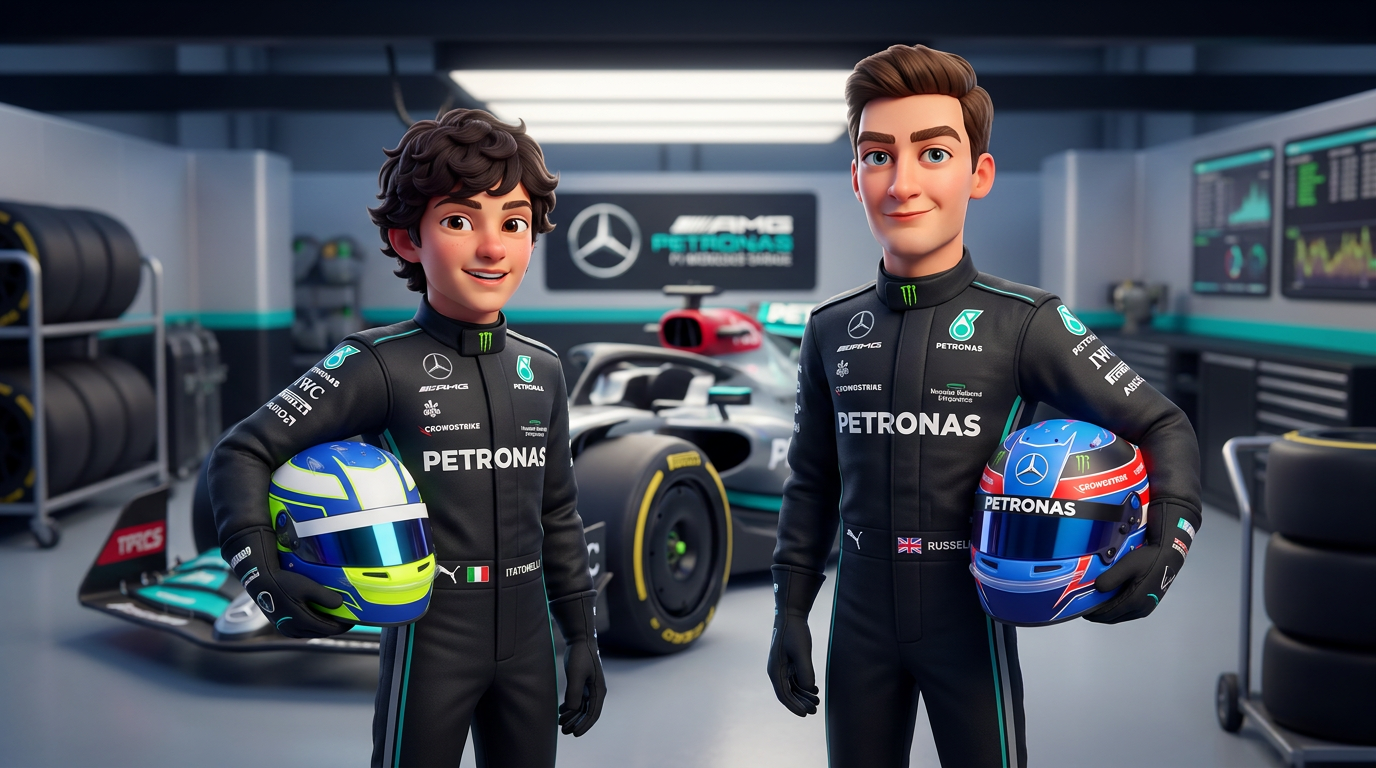
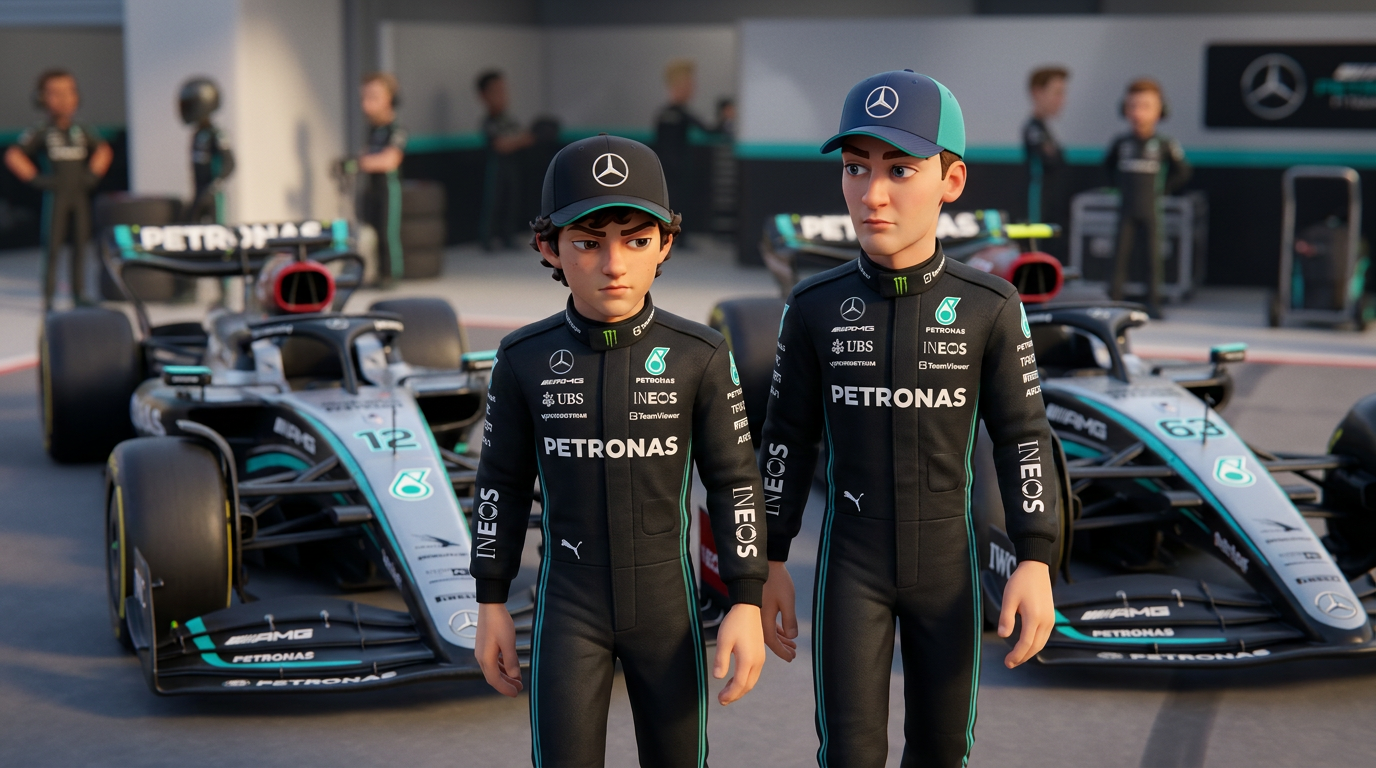
The timing hurt Russell in particular. After pressuring Piastri before the neutralization, he was left fighting for the lower podium positions rather than the win. Mercedes still secured first and fourth, as Antonelli earned 25 points and Russell added 12.
Piastri and Leclerc complete the podium
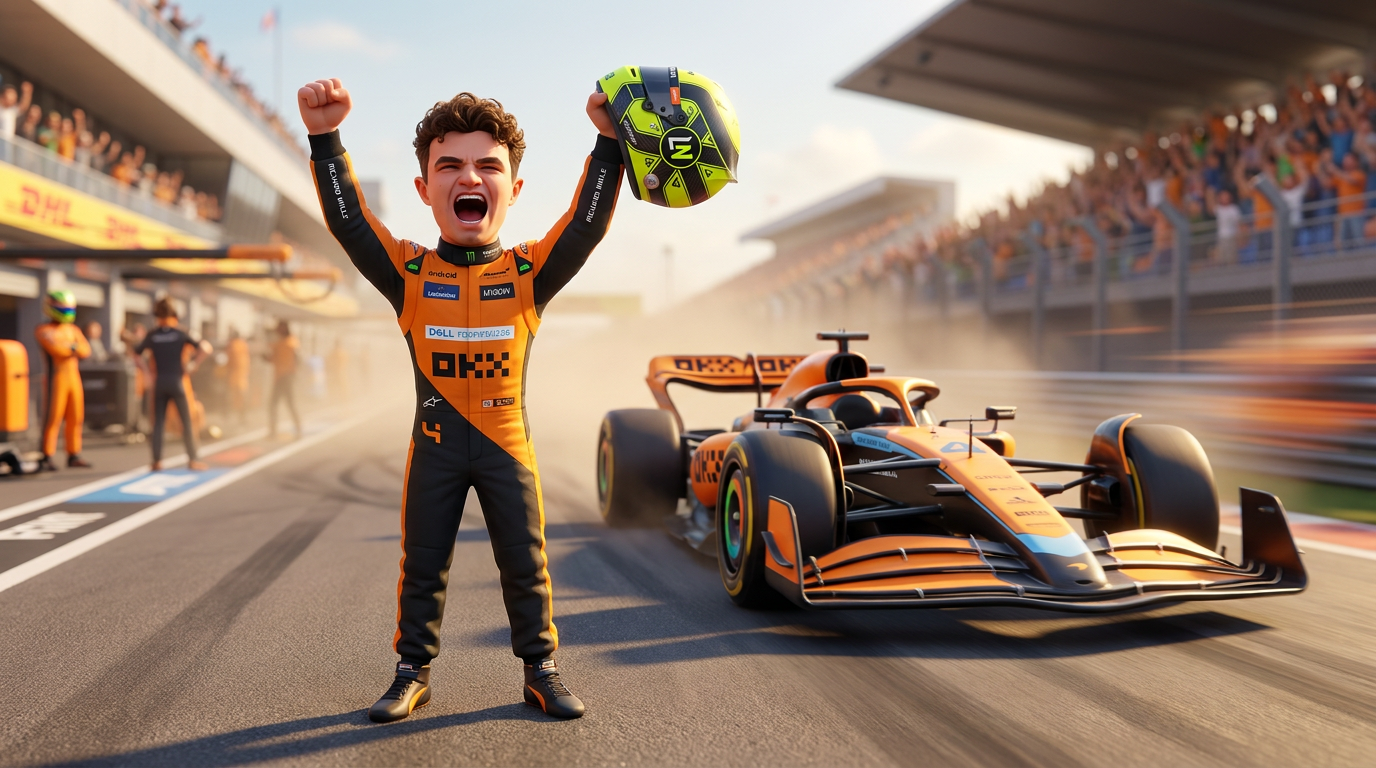
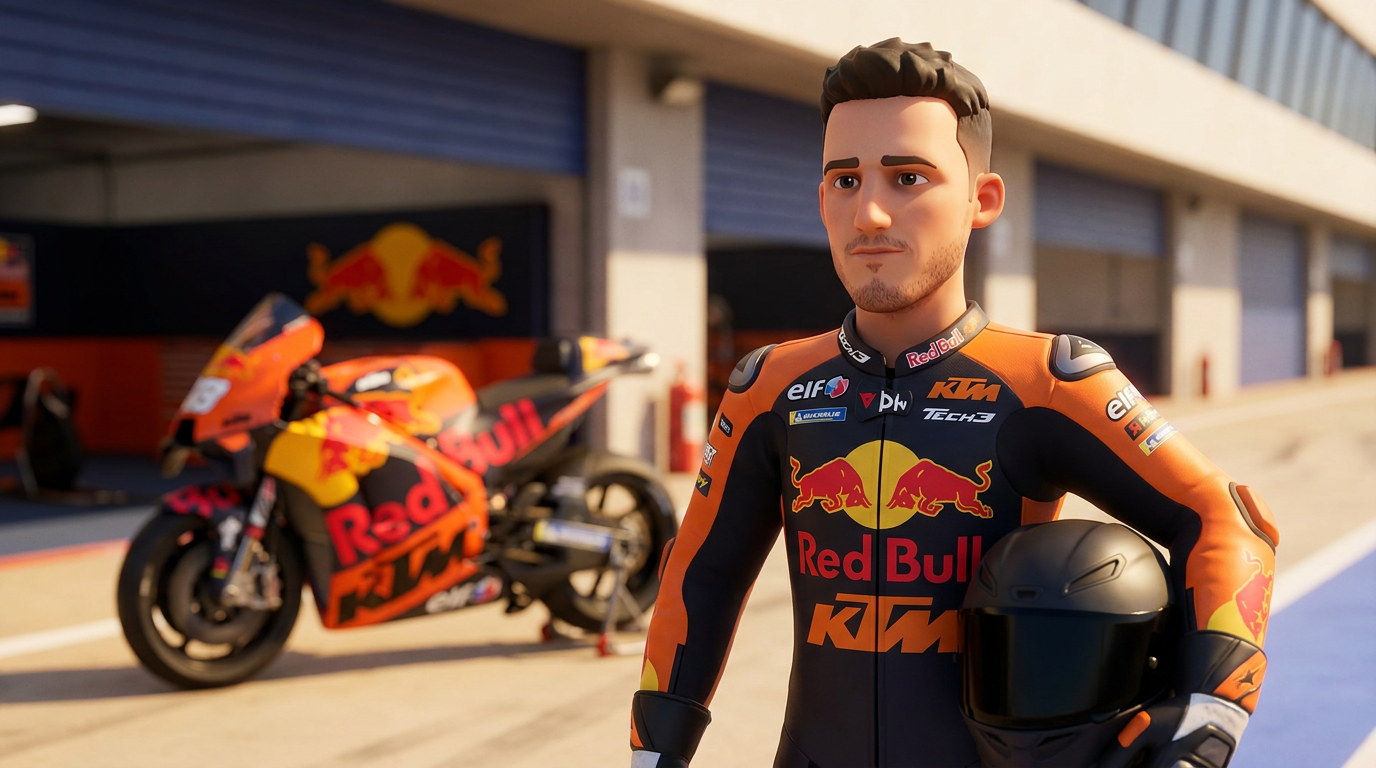
Second place gave Piastri his first finish of the season and delivered McLaren’s first podium of the campaign. The Australian lost the lead during the Safety Car sequence, but converted his quick start into 18 points and kept Leclerc behind through the finish.
Leclerc put Ferrari on the podium after holding off sustained pressure from Russell. Their finishing gap reflected the close battle. Leclerc crossed the line 15.270 seconds behind Antonelli, with Russell 15.754 seconds back.
Lando Norris finished fifth for McLaren after a tight late fight with Lewis Hamilton. The Ferrari driver placed sixth, 1.558 seconds behind Norris, giving both teams two cars inside the top six.
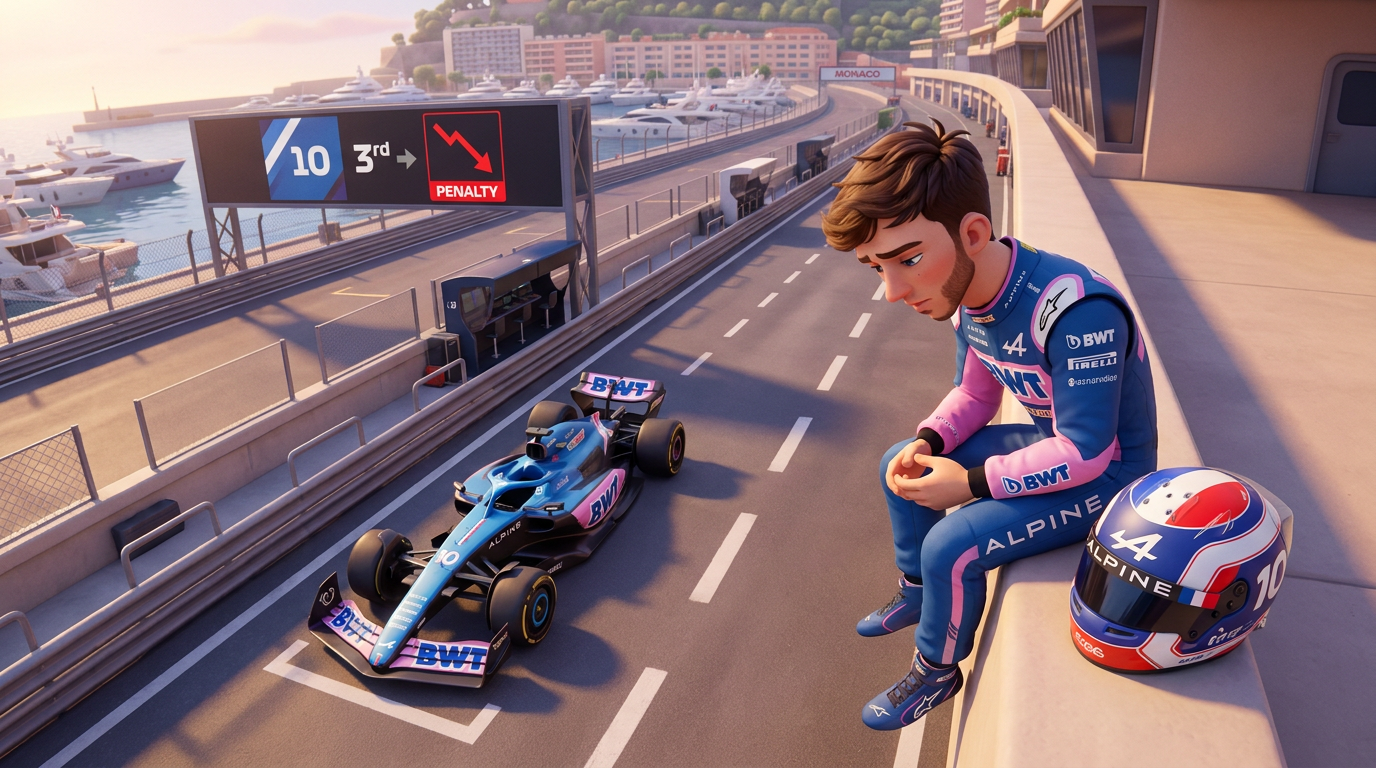
Pierre Gasly took seventh for Alpine, only 0.337 seconds ahead of Max Verstappen in eighth. Liam Lawson earned two points for Racing Bulls in ninth, while Esteban Ocon collected the final point for Haas in 10th.
Championship lead changes hands
The victory lifted Antonelli to the top of the Drivers’ Championship after the season’s third race. He departed Suzuka nine points ahead of Mercedes teammate Russell, pairing the championship lead with his second straight win.
Mercedes also showed strength beyond pure pace. Both cars recovered from losing places at the start, Russell pressured the early leader and Antonelli stayed in contention long enough for the alternative strategy to work. The Safety Car created the chance. The team and driver took it cleanly.
McLaren can take encouragement from Piastri’s start, his control of the opening phase and the team’s first podium of 2026. Ferrari again placed both cars high in the points, with Leclerc defending third and Hamilton completing the top six.
Antonelli left Suzuka with another trophy and the championship lead. His recovery from a difficult opening phase, composed restart and decisive margin also made Formula 1 history.