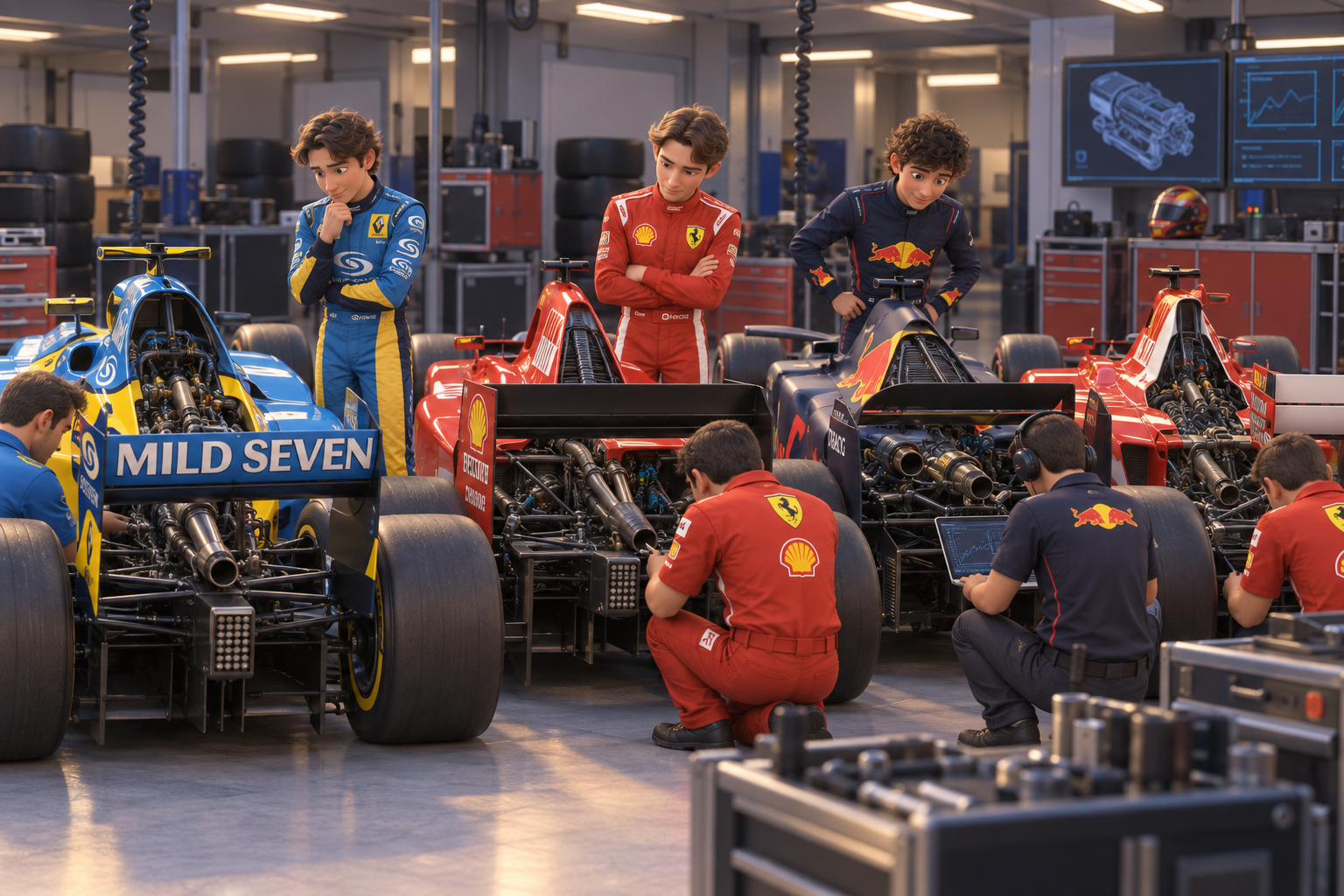
Formula 1 is currently at a pivotal juncture, balancing technological advancements with maintaining the purity of driver-focused competition.
This crucial balancing act poses the question: how does F1 retain its legendary allure while pushing for innovation and sustainability?
This article delves into whether F1's current trajectory overemphasizes technological reliance at the expense of driver skill. Through recent race performances and regulatory shifts, we explore the need for recalibration and propose what changes could be implemented before 2027 to preserve the essence of the sport.
Recent Performances: Dominance and Discontent
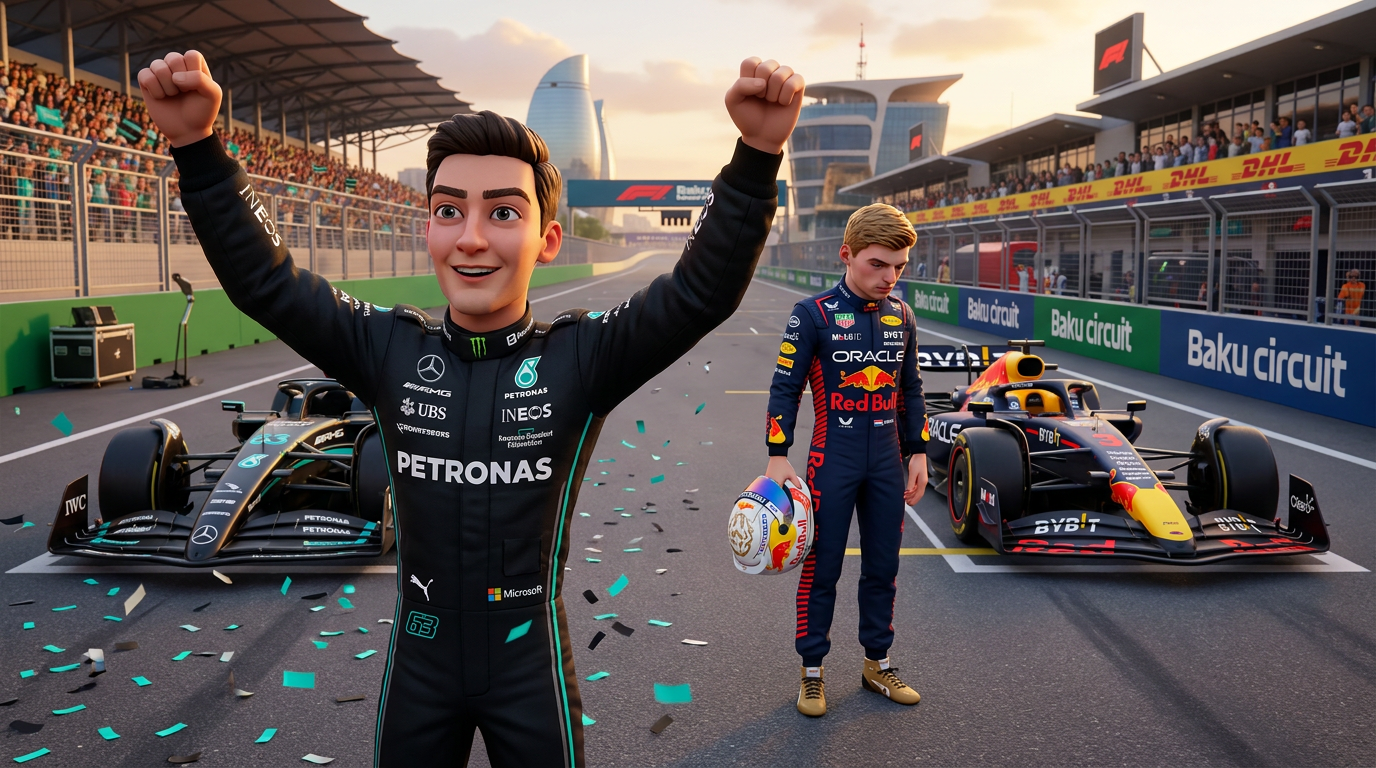
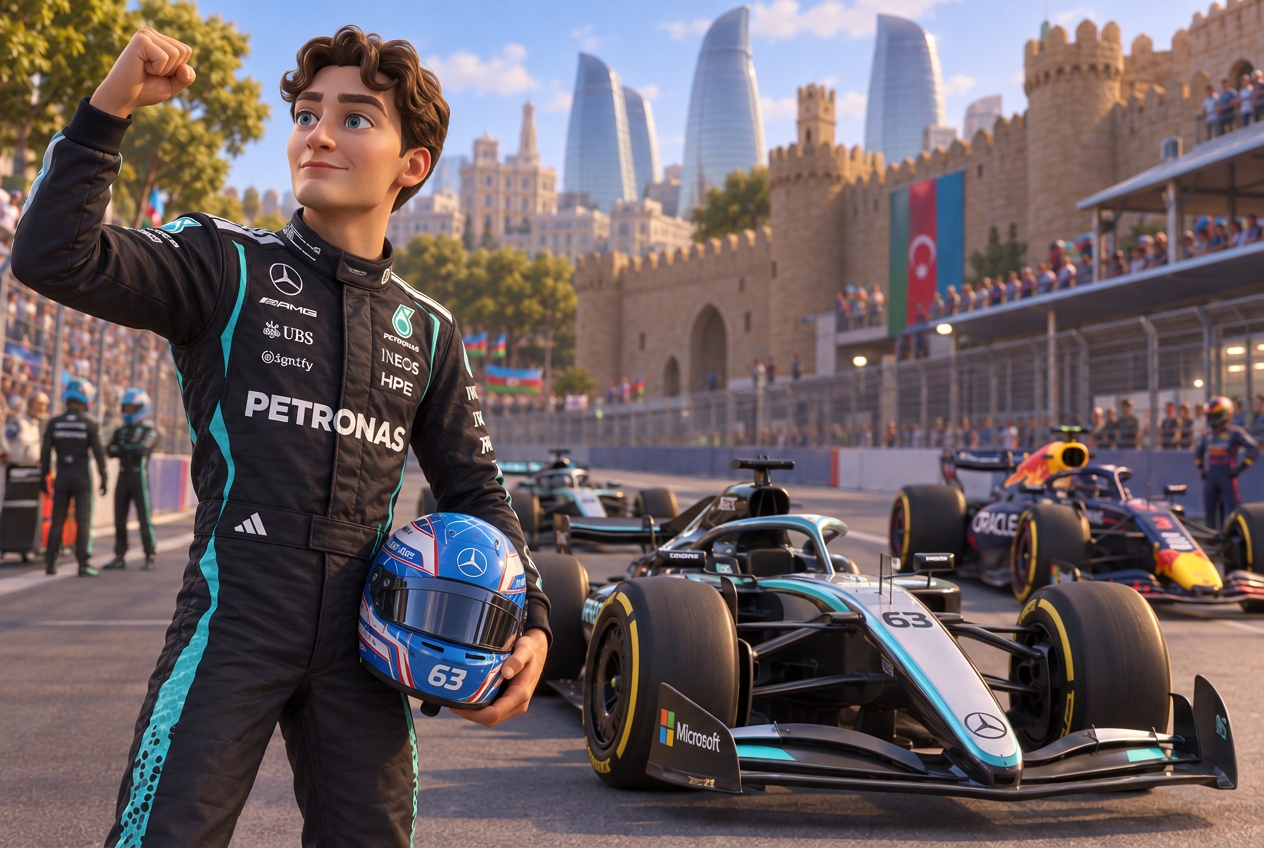
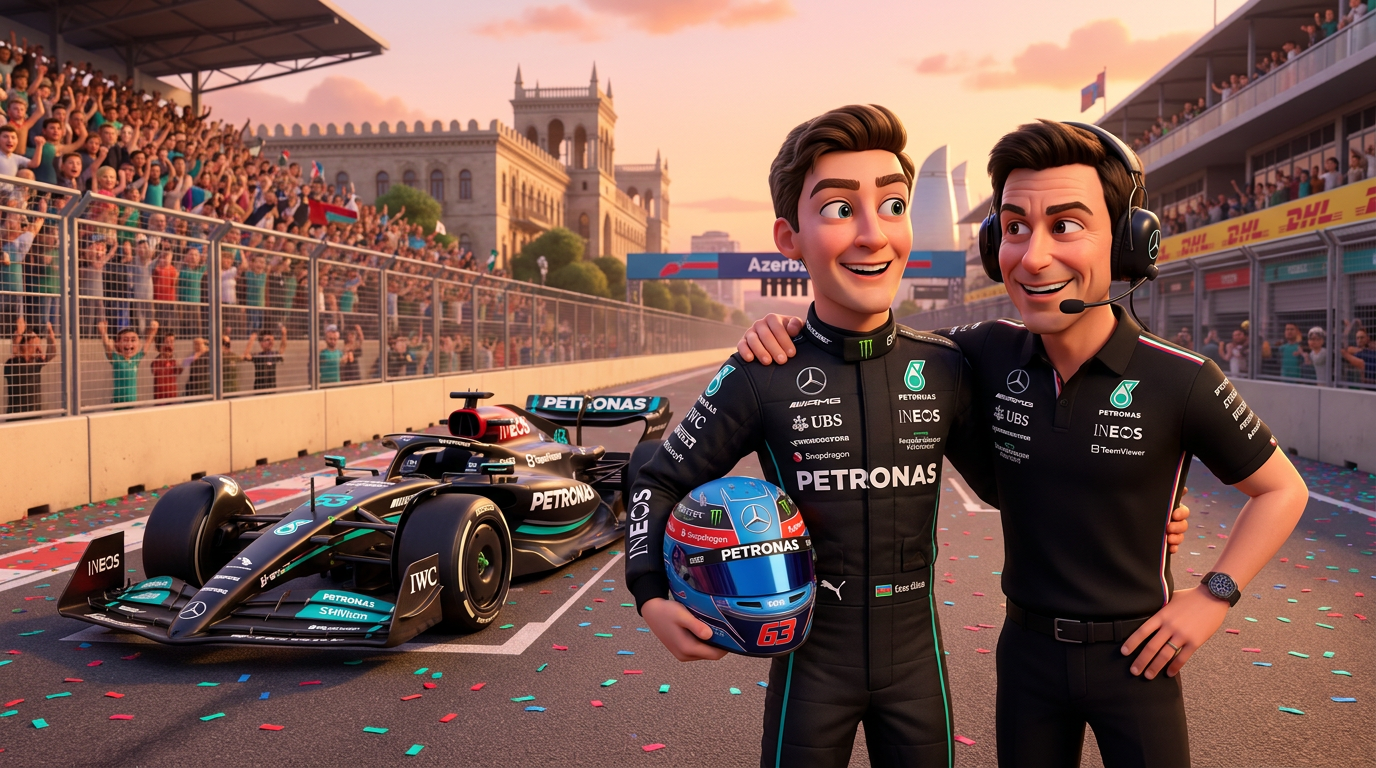
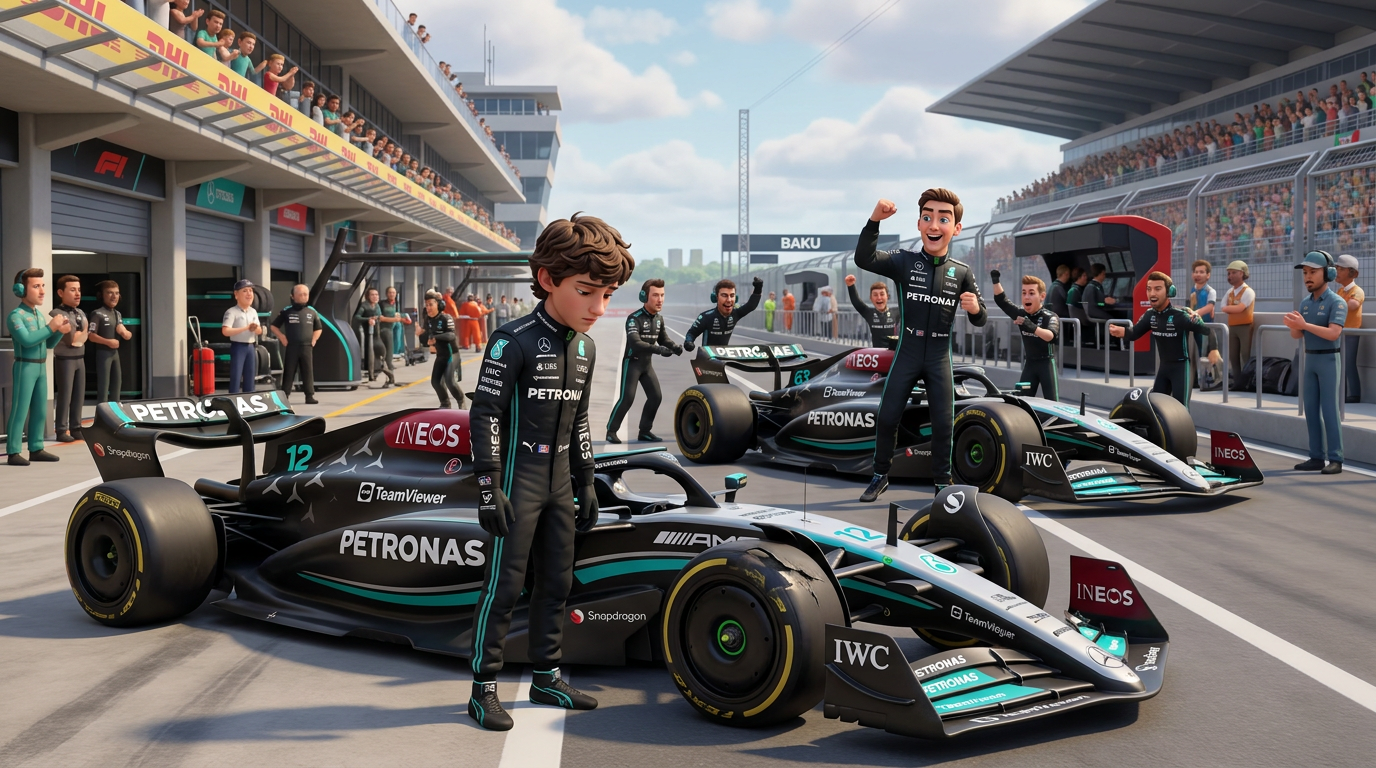
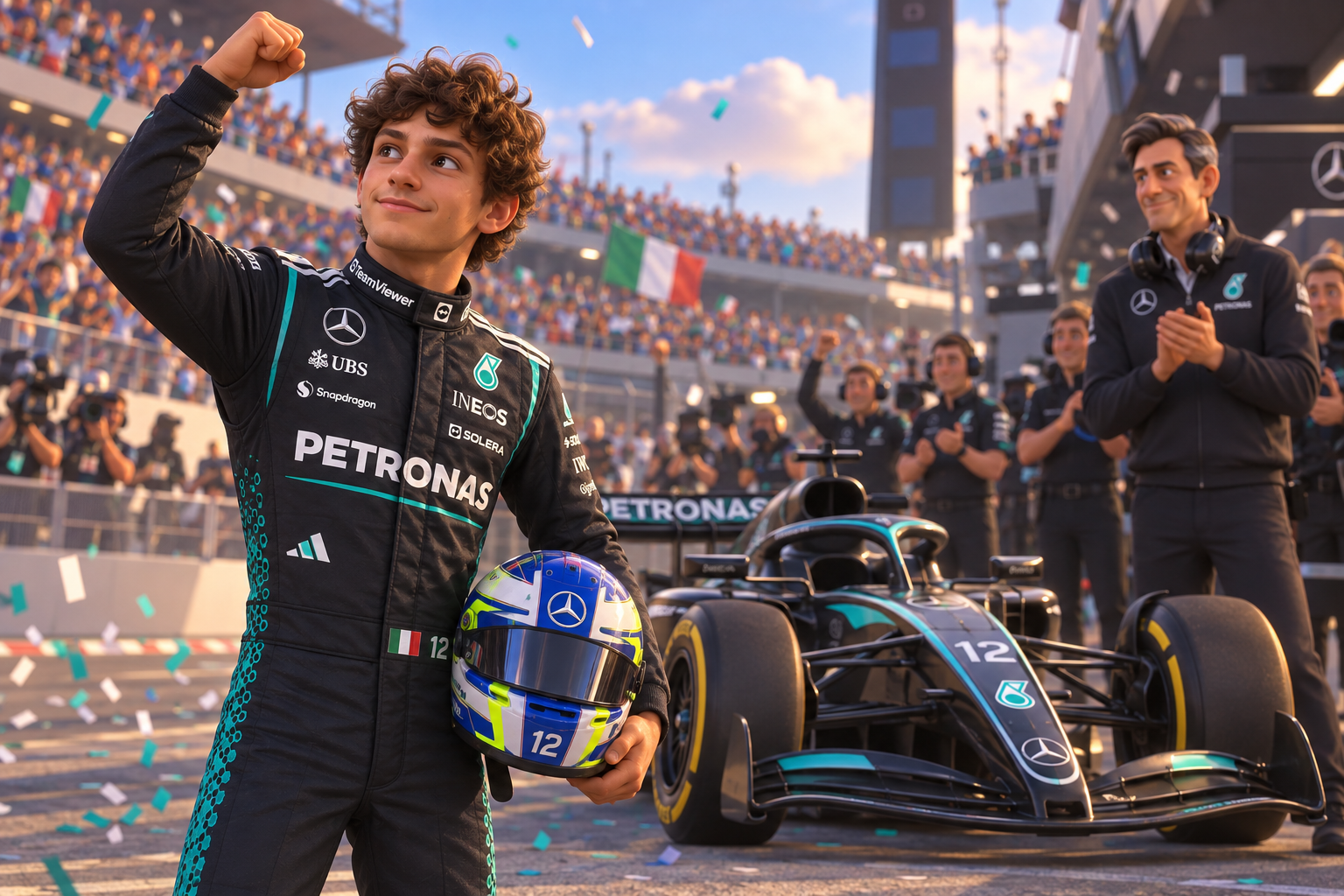
George Russell's recent victory in Baku beautifully underscored the current F1 dilemma. His pole-to-flag win, narrowly holding off Max Verstappen by 0.196 seconds, was a display of sheer driver skill and competitive racing. Russell's pace was dominant, as he secured his third win of the 2026 season, asserting Mercedes' prowess on race day. Despite Russell's triumph, the broader narrative lies in assessing whether success is predominantly weighted towards engineering over driving talent.
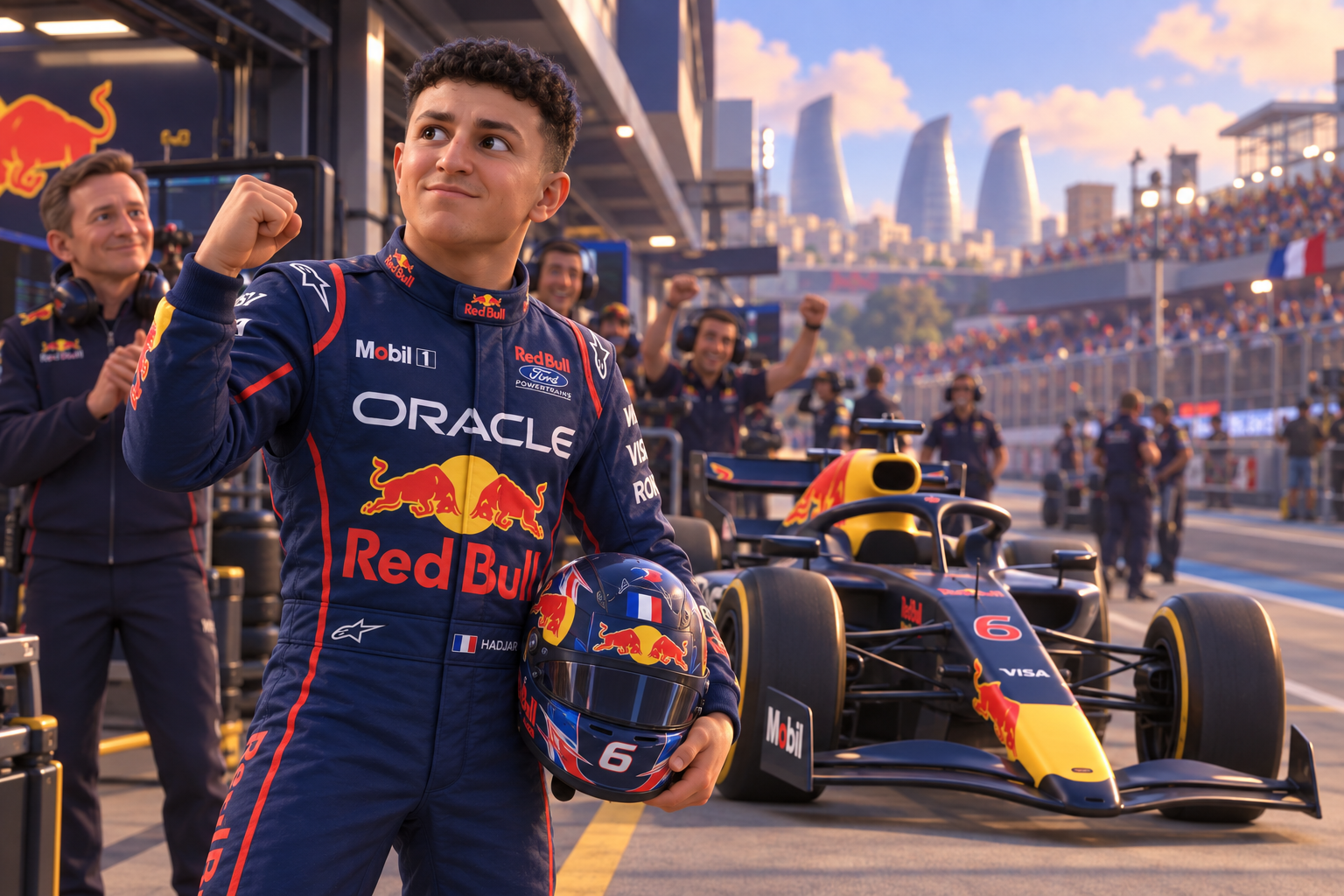
Max Verstappen's drive from a subpar qualifying position to challenge Russell highlighted his racing mettle. However, Verstappen's ascent through the grid was as much due to strategic energy management as it was his skill at the wheel. Verstappen himself compared F1’s new direction to "Formula E on steroids," pointing at the trade-off between performance and technical complexity.
Technological Tweaks: Not Revolution
The recent regulatory updates, including reducing race distances and new stipulations for races disrupted by red flags, suggest incremental improvements without inducing transformative change. Particularly, the removal of gearbox homologation allows teams more flexibility, though it doesn't constitute the overhaul many in the paddock were longing for.
Significantly, 2026 regulations prioritize electric propulsion over the traditional combustion engine. This shift has proven challenging for teams and drivers, with energy management becoming increasingly complex. It raises concerns that F1’s soul, characterized by its visceral energy and sound, might be compromised in the pursuit of efficiency.
The Artistry of Driving: Diminished
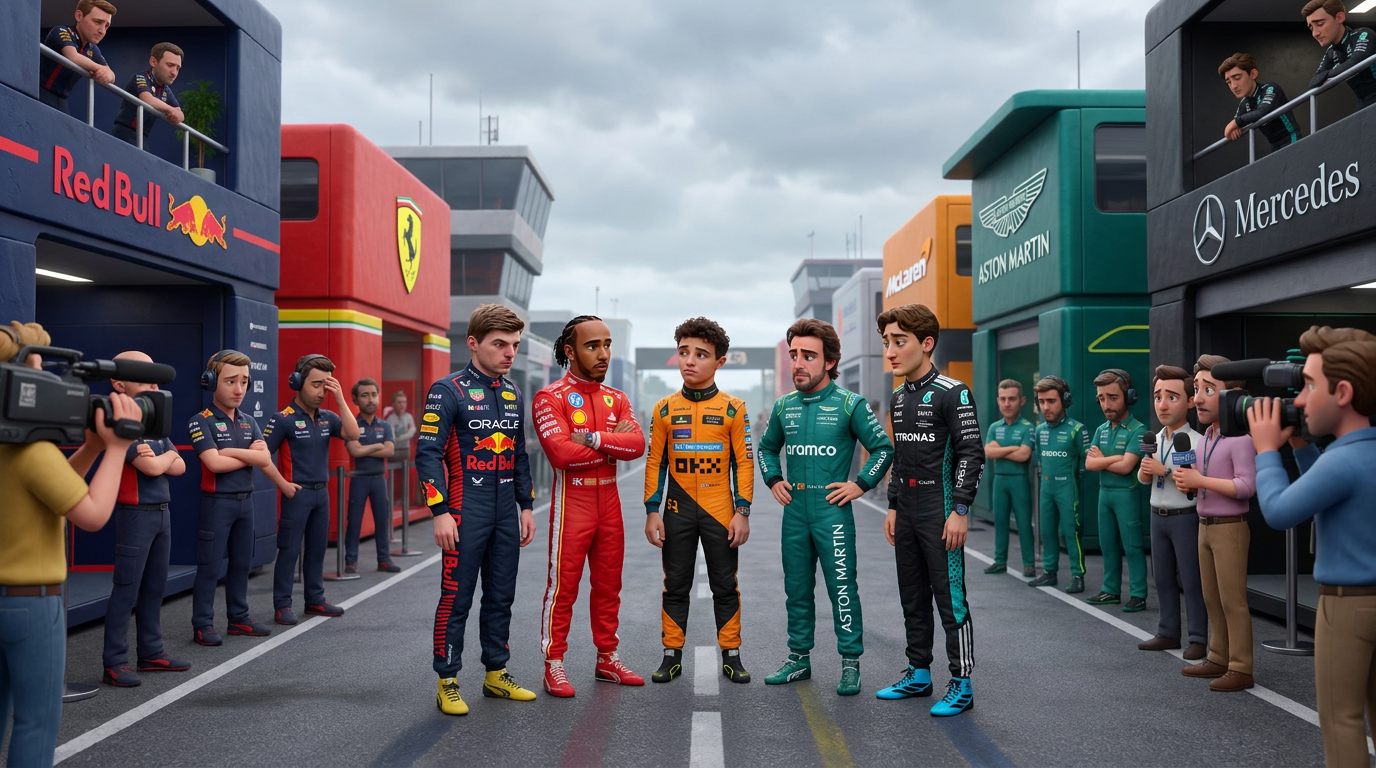
Many drivers, including Charles Leclerc and Fernando Alonso, have articulated their frustrations regarding regulations that seem to diminish their autonomy over overtaking dynamics and vehicle control. Alonso has been particularly vociferous, describing new regulations as "killing" track character and excitement. Such sentiments echo a concern that driver talent is being overshadowed by engineering and strategy-centric racing.
Fans yearning for a return to a purer form of racing — where drivers’ instincts and skills are paramount — are vocal about this need. Leclerc’s post-race reflections in Baku underscored this tension as he highlighted the performance disparity driven by Red Bull and McLaren's upgrades — a disparity not matched by Ferrari’s stagnation.
What Should Change?
Adjust the Electric-Combustion Balance: Elevate the role of the internal combustion engine to facilitate greater driver engagement during races.
Simplify Energy Systems: More driver control over throttle and boost levels should be allowed, minimizing reliance on automated systems.
Enhance Driver Input: Strengthen drivers' influence in regulatory discussions to ensure rules bolster, rather than inhibit, their craft.
Preserve Circuit Character: Reassess track regulations to maintain the individuality and challenge inherent to each circuit.
Ensure Transparency: Clearly communicate regulatory changes and their impact on team performance to prevent perceived inequalities.
The Path Forward for Formula 1
Formula 1 stands at a profound crossroads: it should not become a proving ground for technical algorithms over driver instinct and artistry. To preserve the essence of exhilarating motorsport, F1 must prioritize elements that spark excitement and unpredictability.
Decisions made by Formula 1 leadership moving forward are crucial. They will determine if the balance between technological advancement and the intrinsic excitement—based on driver skill and racing spirit—can be restored. Returning to a scene where drivers are hailed, tracks challenge, and races transcend mere technical mastery is key to maintaining F1's legendary status.
The onus is on the sport to ensure that innovation doesn't eclipse the artistry of driving, thus ensuring F1 remains vibrant and enduring in the years to come.