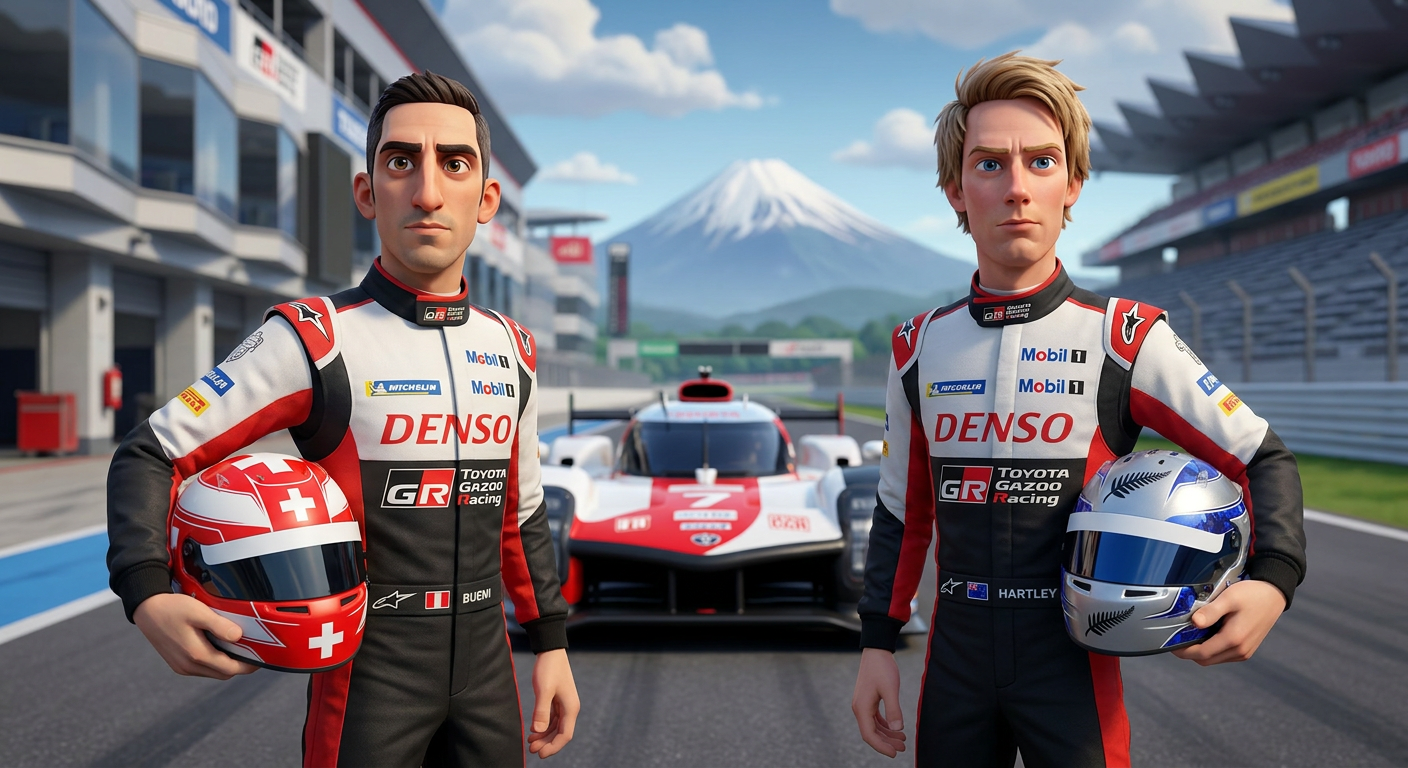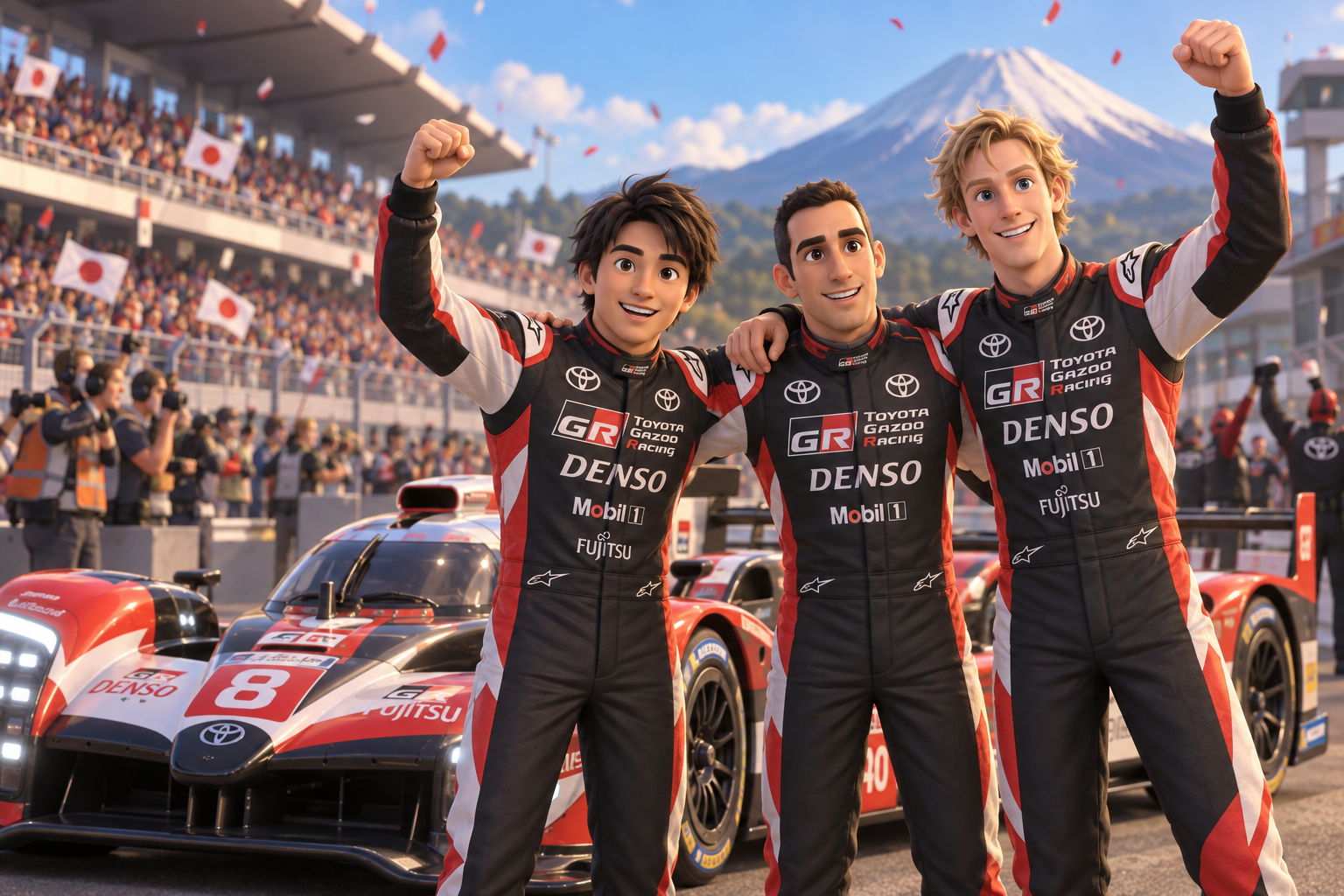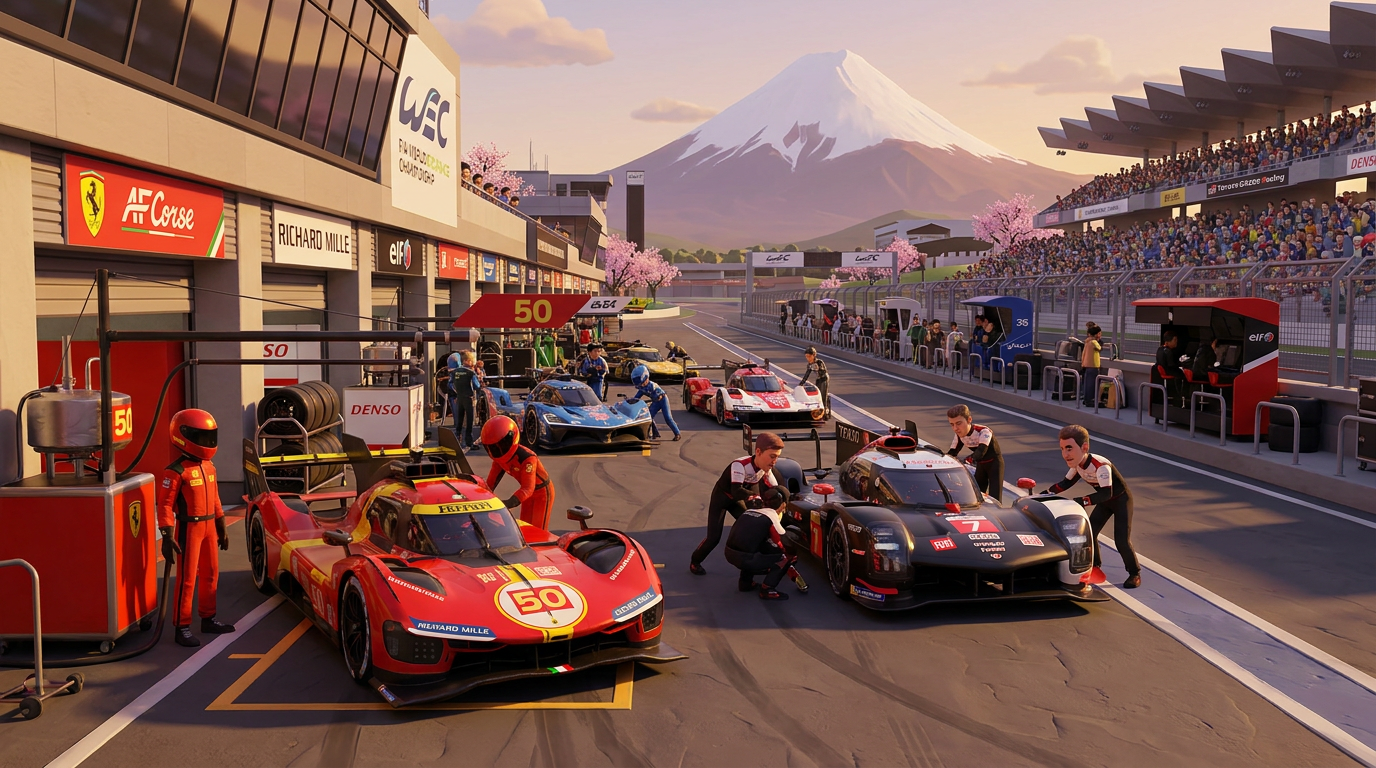
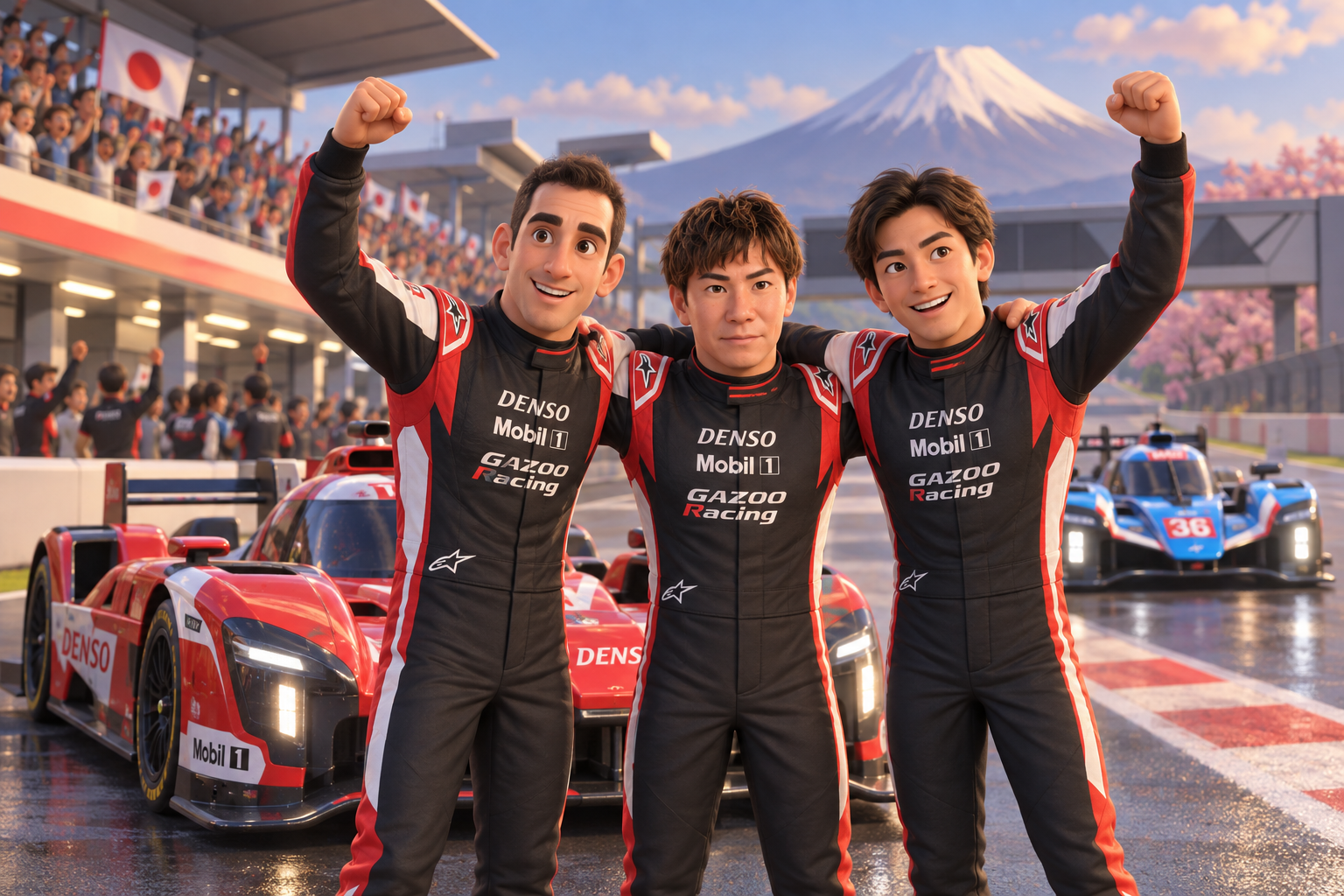
In the world of FIA World Endurance Championship (WEC), Toyota's recent victory at the 6 Hours of Fuji is a prime example of how strategic execution can outweigh raw pace.
While traditionally, speed has been a deciding factor, this win highlights a pivotal shift towards strategy-driven success. In this article, we explore how Toyota managed a win with the fifth-fastest car, what this means for their championship hopes, and the potential implications for rival teams.
Strategy Triumphs at Fuji
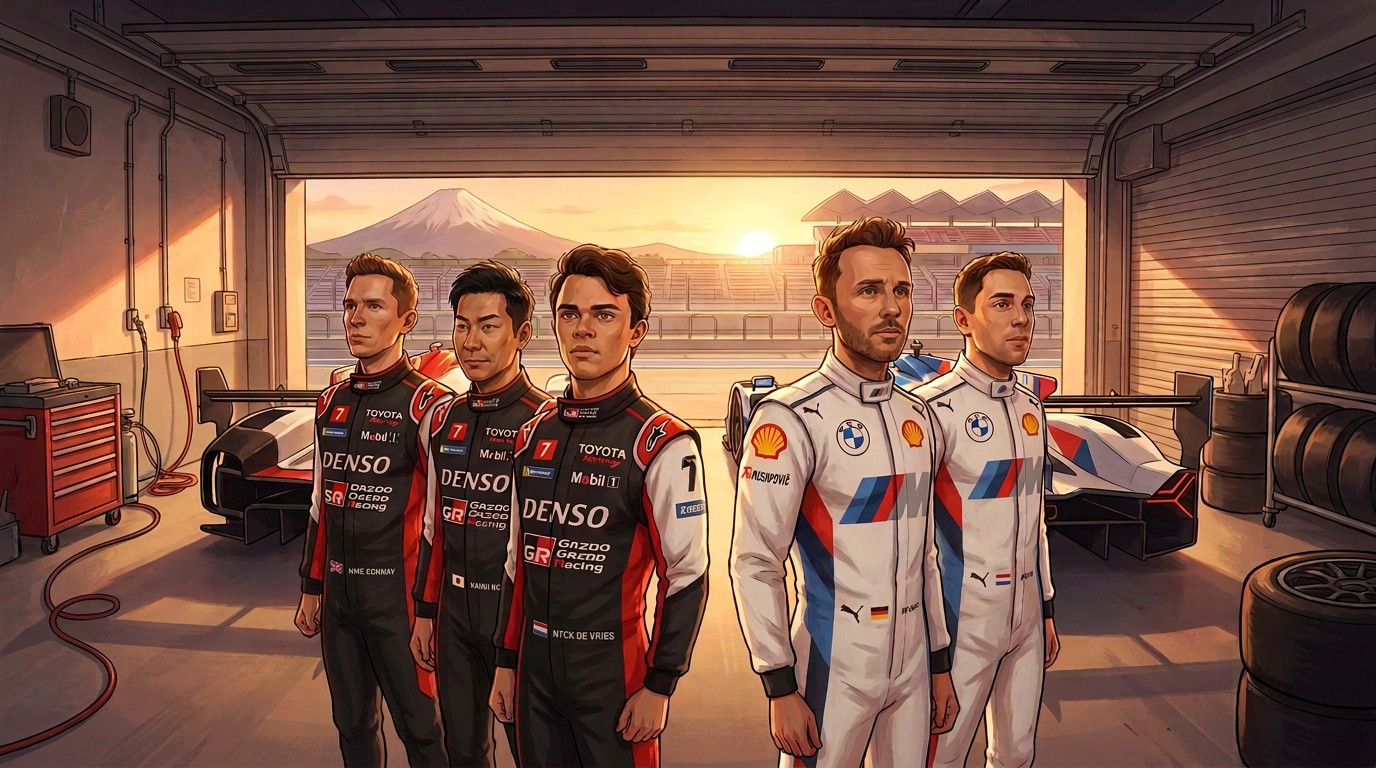
Toyota’s victory at the Fuji Speedway was not due to having the fastest car, as Sebastien Buemi confirmed that the #8 Toyota was only the fifth-fastest vehicle there. Despite this, Toyota's strategic decisions—particularly during the closing stages—were crucial in securing their win. The team opted for a bold move during the final safety car period, where they chose to short-fuel the car and skip a tire change, capitalizing on potential time savings. This decision allowed Ryō Hirakawa, Sébastien Buemi, and Brendon Hartley to jump from sixth to first, highlighting the critical role of strategy in endurance racing.
Tactical Execution and Smart Pit Strategy
During the final hour of the race, the team decided not to change tires and to short-fuel Hirakawa during the safety car period, anticipating extended caution due to an on-track incident. Toyota's assumption that the safety car period would last longer paid off, as it allowed them to leapfrog their rivals who opted for a more conservative approach. This decision not only propelled the #8 car to victory but also boosted them to a significant championship lead. Buemi reflected on the victory, emphasizing, "It wasn’t luck. It was down to making the right decisions."
Analyzing the Pace and Sector Performance
Throughout the race, Alpine seemed poised for a strong finish, often leading the pack. However, Toyota's ability to maintain a competitive pace, despite being slower on average, was commendable. This was achieved by adeptly managing fuel loads and tire wear. Their performance data, however, showed areas needing improvement, such as rear tire grip and sector times, indicating the need for enhancing mechanical grip and aerodynamic efficiency moving forward.
Sector and Performance Comparison
While Toyota excelled in strategic decision-making, the performance data from Fuji highlighted the necessity for improvements in specific technical areas. Both the rear tire grip and sector times suggested a need for better mechanical grip and aerodynamic efficiency to optimize their overall race performance. These challenges identify focus areas for development as they continue to compete against faster opponents like Porsche and Ferrari.
Title Implications
The Fuji win marked Toyota's 10th home victory and placed Hirakawa, Hartley, and Buemi at the top of both Drivers’ and Manufacturers’ standings. This strategic edge could be crucial for Toyota as the championship progresses into its later stages. Given Buemi's viewpoint that success was due to decision-making rather than luck, the team's strategic composure might secure them the title over their competitors who are relying more on raw performance.
Looking Forward
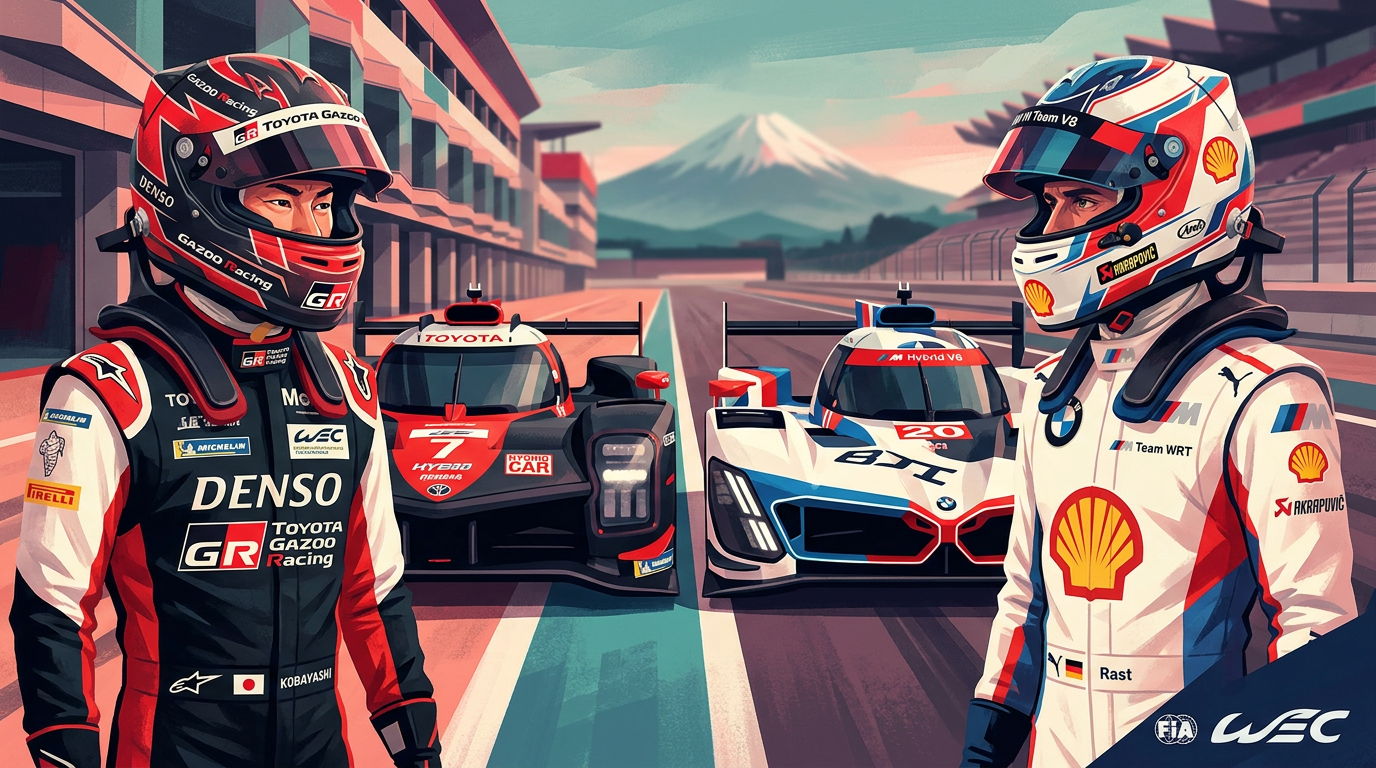
With the championship moving next to Barcelona, Toyota's recent success serves as an example for rivals like BMW and Ferrari. These teams, strong in terms of raw pace, will need to minimize strategic errors to capitalize on their strengths. As the WEC title fight intensifies, combining strategy and speed becomes essential. Buemi’s emphasis on "making the right decisions" underlines that strategic astuteness will shape the remaining rounds.
Three rounds remain in the 2026 FIA World Endurance Championship: Barcelona (October 16-18) and Monza (November 6-8), where the competition will only get fiercer. As teams adapt to Toyota's successful tactics, the dynamics of the championship could shift, making for an exciting conclusion to the season.