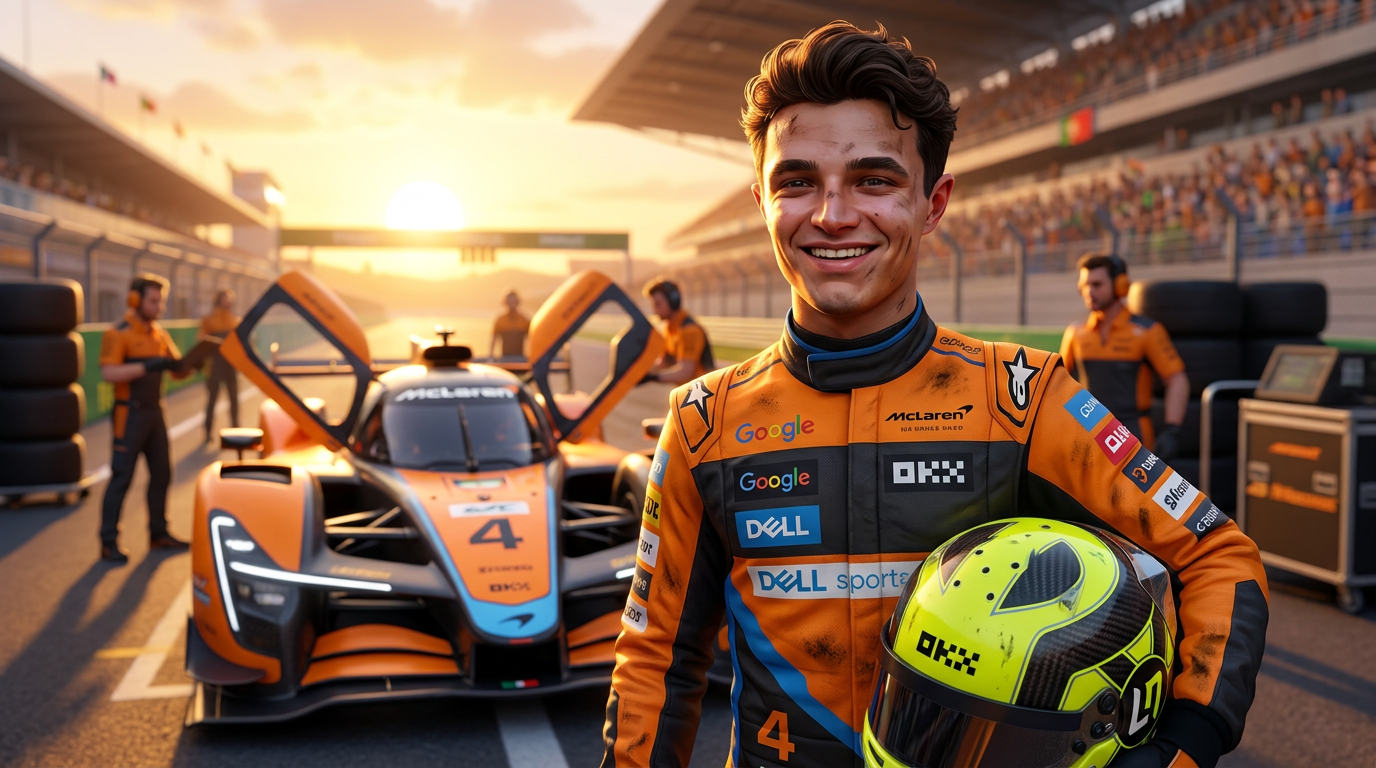
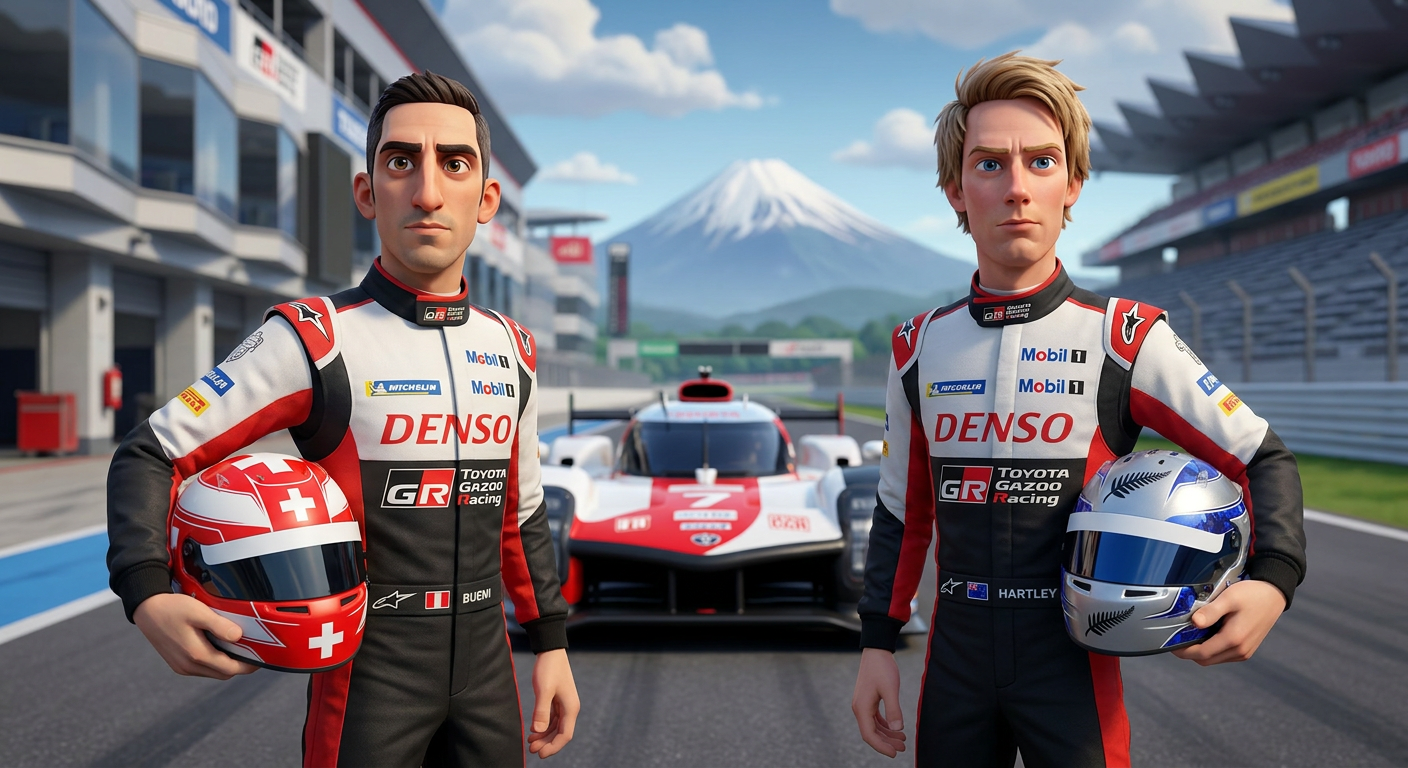
Buemi and Hartley share modern WEC’s record with four titles each. Fuji will test their standing as Toyota battles BMW and Ferrari in Hypercar.
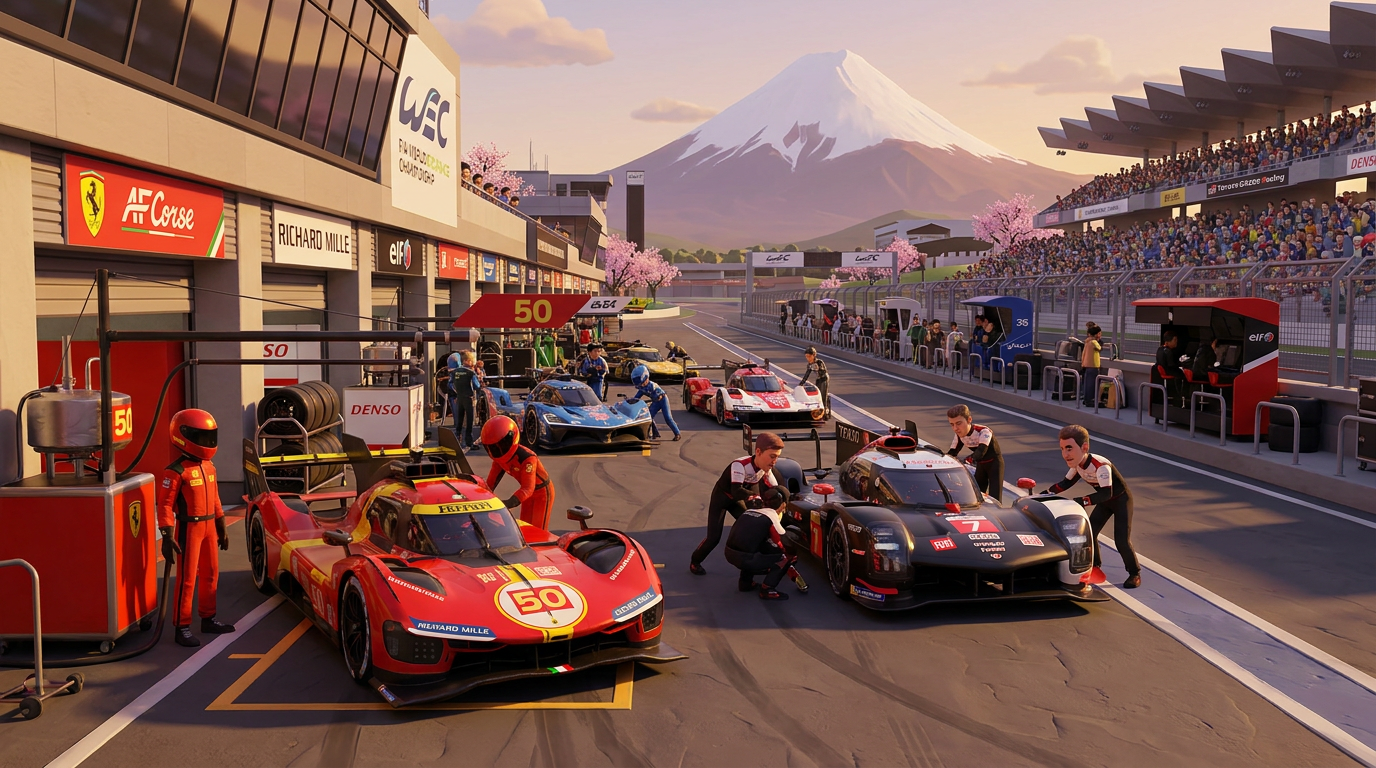
Sébastien Buemi and Brendon Hartley will reach Fuji Speedway with the best championship statistic in modern FIA World Endurance Championship history. Both have claimed the overall drivers’ crown four times, sharing the record for the series since 2012. Their next test is the 6 Hours of Fuji on September 27, with Toyota locked in a three-way manufacturers’ battle against BMW and Ferrari.
That mix of individual success and current pressure gives Fuji added significance in the WEC G. O. A. T. debate. Another championship won against today’s Hypercar field would hold greater competitive value than simply placing a fifth title in the record book.
Four titles set the benchmark
Buemi and Hartley lead all other overall WEC drivers in championships. Timo Bernhard, Mike Conway, Kamui Kobayashi and José María López have two each, giving the leaders double their totals through the completed title records supplied to 2024.
The differences between their careers are important. Buemi became a central part of Toyota’s rise through the hybrid LMP1 and Hypercar eras. Hartley won with Porsche before finding further success at Toyota, establishing championship credentials with two manufacturers.
Their head-to-head is unusually balanced.
Buemi’s case is built on continuity and influence within the championship’s dominant modern operation. Hartley offers portability, with titles across two factory programs and distinct technical cycles. The same total therefore supports two views of greatness. One values sustained excellence within a dynasty. The other places extra weight on winning after switching teams.
Toyota’s record bolsters both cases
Toyota had secured seven overall World Manufacturers’ Championships through 2024, the highest confirmed total in modern WEC. Any assessment of Buemi or Hartley must account for that machinery, the engineering organization and its operational depth.
That context doesn’t reduce the drivers’ standing. It frames the comparison.
An endurance racing drivers’ championship relies on a shared car, a crew and reliability across races lasting hours. Repeatability is the clearest measure. Buemi and Hartley remained at the front through regulation changes, while teammates including Conway, Kobayashi, López and Ryō Hirakawa also earned multiple titles.
Toyota’s dominance produces the toughest issue in any ranking of its drivers. Were Buemi and Hartley the decisive foundation, or the main beneficiaries of the championship’s strongest long-term team? Four titles address part of that question because neither driver accumulated his total during a single, short rules cycle. Hartley’s Porsche success also provides a direct answer to any Toyota-only explanation.
WEC greatness reaches beyond the overall crown
An overall-only ranking excludes a major part of the championship. James Calado, Alessandro Pier Guidi, François Perrodo and Marco Sørensen share the WEC record for LMGTE-class drivers’ titles with three apiece. Julien Canal and Nicolas Lapierre top the LMP2 championship count with two each.
Those records need a separate scale.
Pier Guidi and Calado established their reputations in GT racing, where traffic management and class strategy influence every race. Perrodo earned his three titles on the amateur-based side of the GT structure. Lapierre’s two LMP2 crowns supplement a career spanning prototype categories.
Buemi and Hartley lead the overall driver ranking, but a championship-wide G. O. A. T. table should retain separate class leaders instead of treating every title as though it were fought under identical conditions. Since 2012, the WEC has awarded overall, prototype and GT championships across changing class structures. Raw totals require labels.
Ferrari provides the GT counterweight
Toyota’s seven overall manufacturer championships establish it as modern WEC’s top-level benchmark. Ferrari offers the strongest class-based response, with seven LMGTE manufacturers’ and Cup titles through 2024.
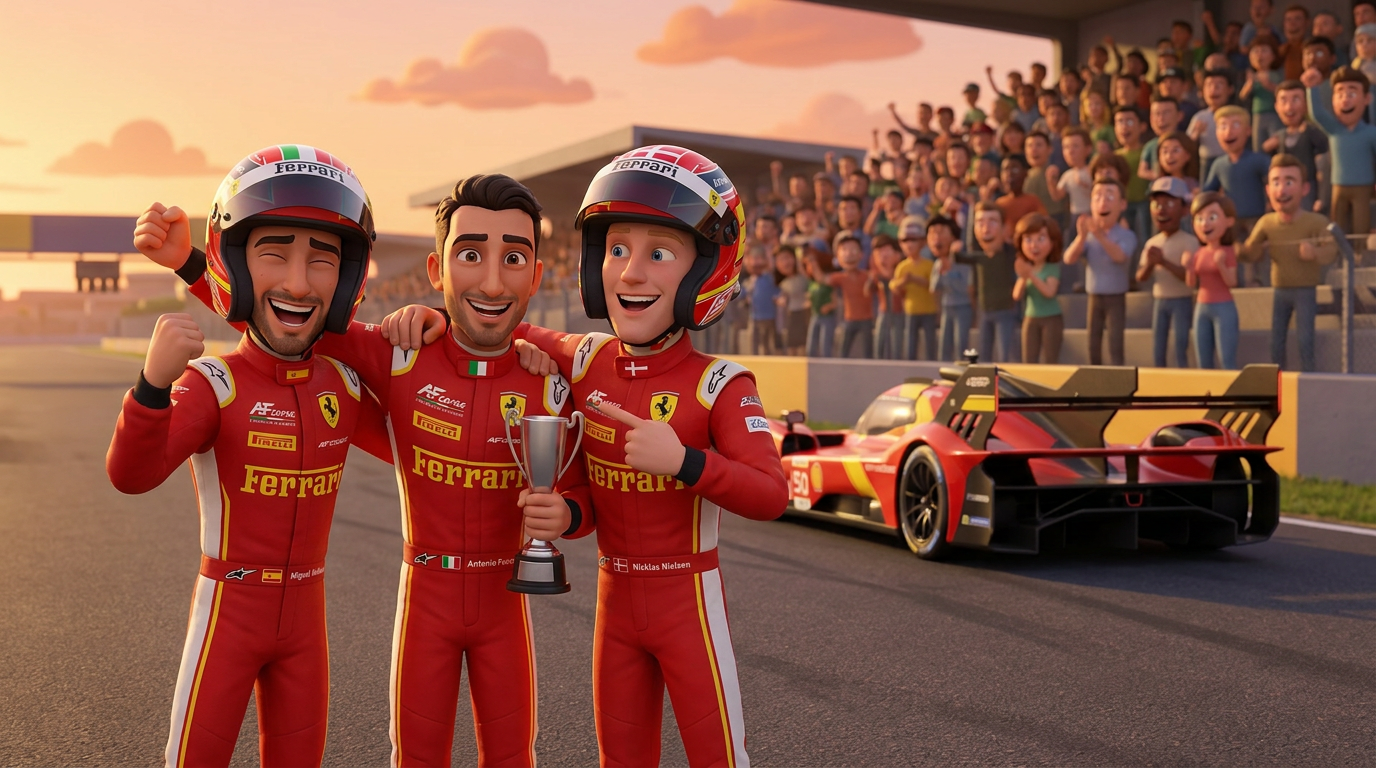
The symmetry is clear. Toyota built its record in the overall prototype contest. Ferrari’s total came through sustained GT success before its Hypercar program opened another front in the rivalry.
Audi and Porsche need to be assessed differently. Audi’s modern WEC effort was concentrated between 2012 and 2016, while Porsche’s factory LMP1 program ran from 2014 through 2017. Both also own major Le Mans records established outside the modern championship period. Those results count in broader endurance comparisons, but transferring them wholesale into a WEC table would misrepresent a series launched in 2012.
Toyota therefore leads the modern championship case, while Ferrari heads its GT branch. Audi or Porsche closes the gap once the discussion extends beyond WEC to wider endurance history.
Fuji supplies a tougher test
The 2026 season gives those historical rankings their strongest current test. Toyota leads the manufacturers’ standings ahead of BMW and Ferrari. Cadillac sits fourth after taking a runner-up finish less than five seconds from victory on home ground at COTA.
Ferrari’s first win of its title-defending 2026 campaign has brought it into the final fight. BMW remains between Toyota and Ferrari in the standings. WEC features fourteen manufacturers, a level of depth that distinguishes the current Hypercar era from the smaller factory fields Toyota encountered during portions of its dominant run.
Competition density doesn’t alter earlier championships. It does affect how a new title would be valued. Success in 2026 carries a scarcity premium because Toyota must overcome established rivals in a wider manufacturer field.
Fuji’s weekend starts with Free Practice 1 on September 25. Hypercar qualifying and Hyperpole follow on September 26, before the 6 Hours of Fuji begins at 11:00 on September 27.