Austin delivered a dramatic title swing, but WEC’s six-hour-heavy calendar needs another 10 to 12-hour race beyond Le Mans.
Ferrari won the six-hour Lone Star Le Mans on September 7, but Austin also reinforced our concern about the 2026 FIA World Endurance Championship. With Barcelona and Monza replacing longer events in Qatar and Bahrain, the schedule now places too much emphasis on one narrow form of endurance racing.
Our position is straightforward. WEC needs another race of at least 10 hours beyond Le Mans.
Austin showed what six hours rewards
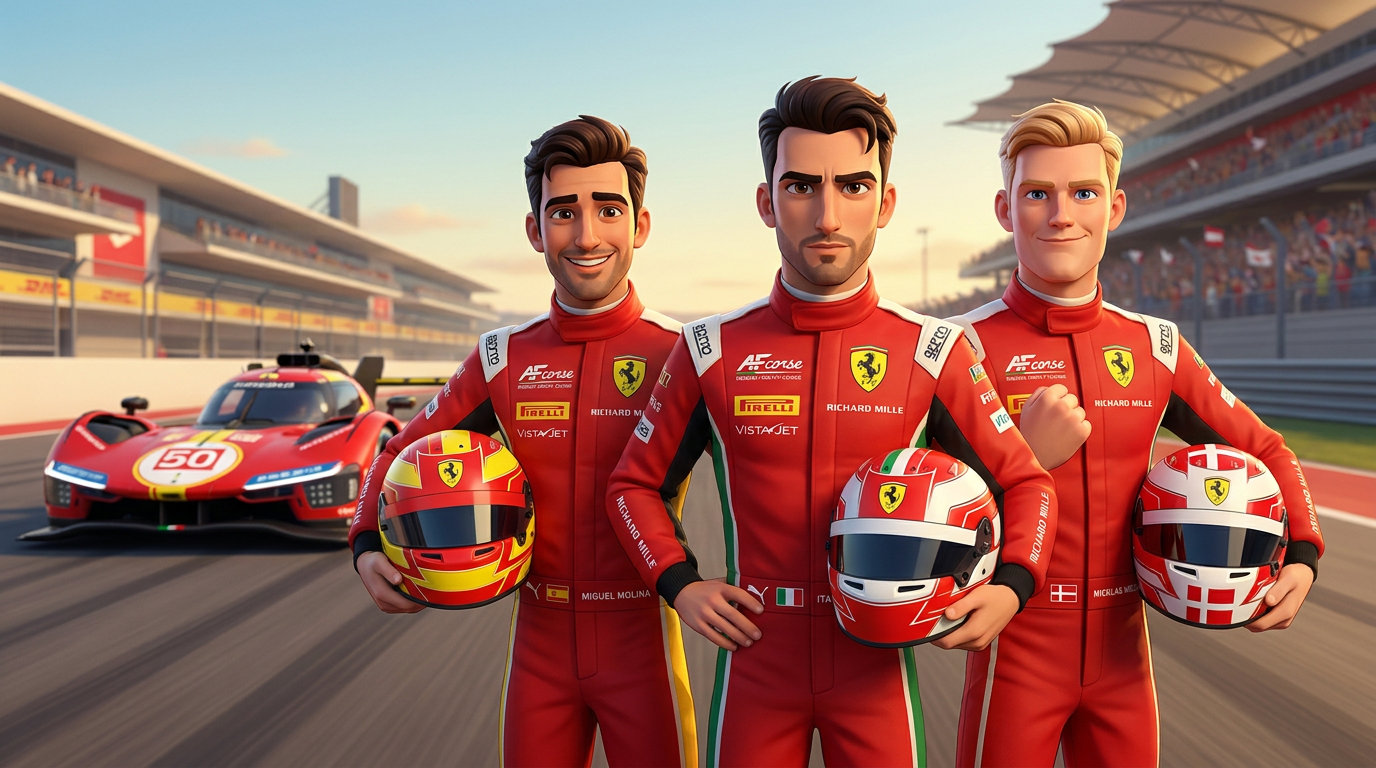
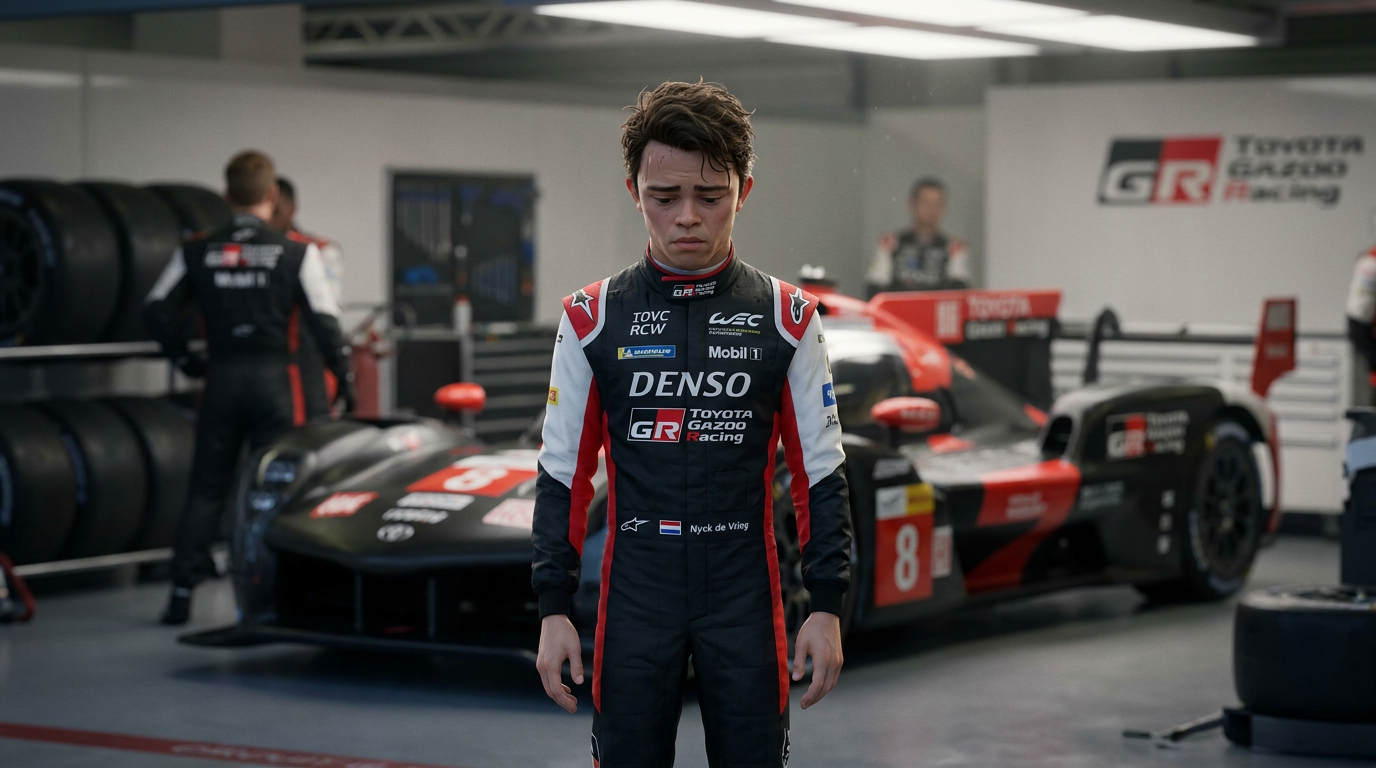
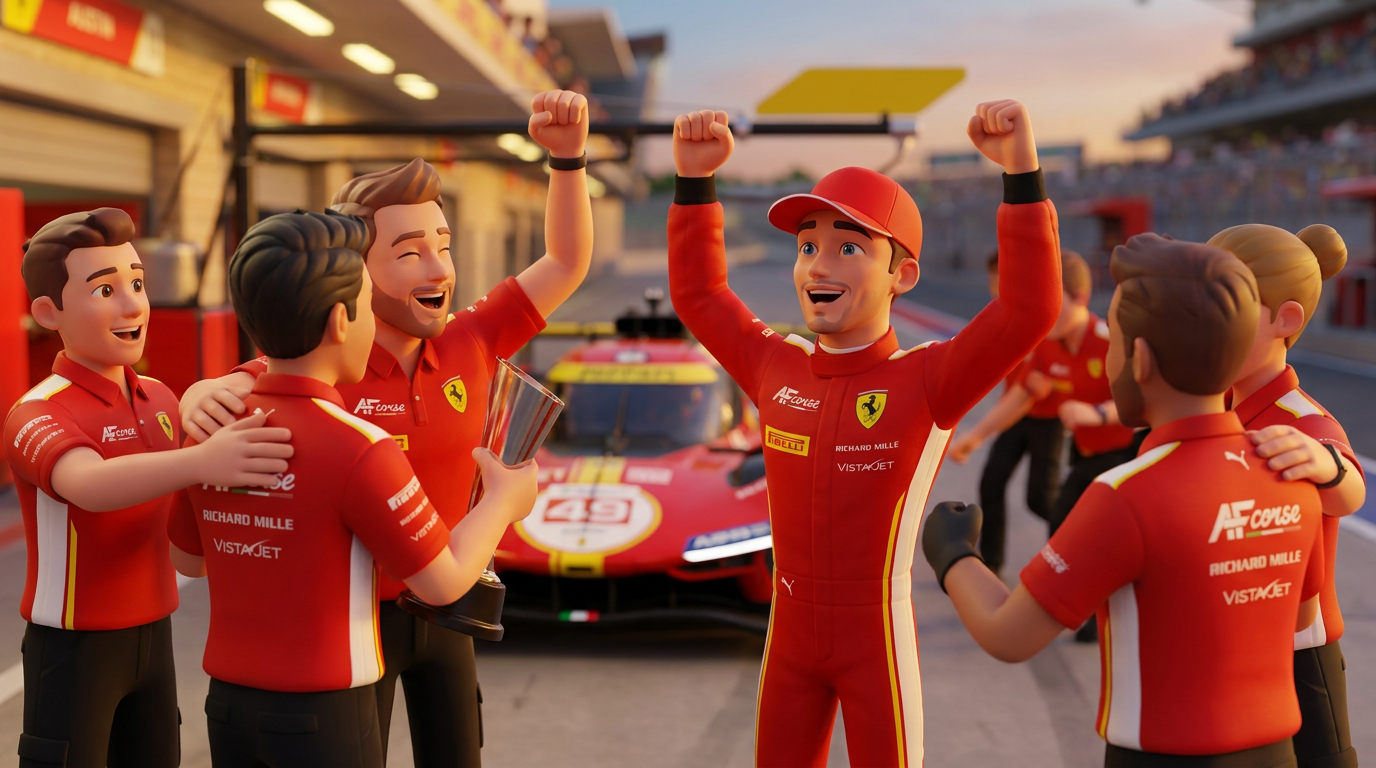
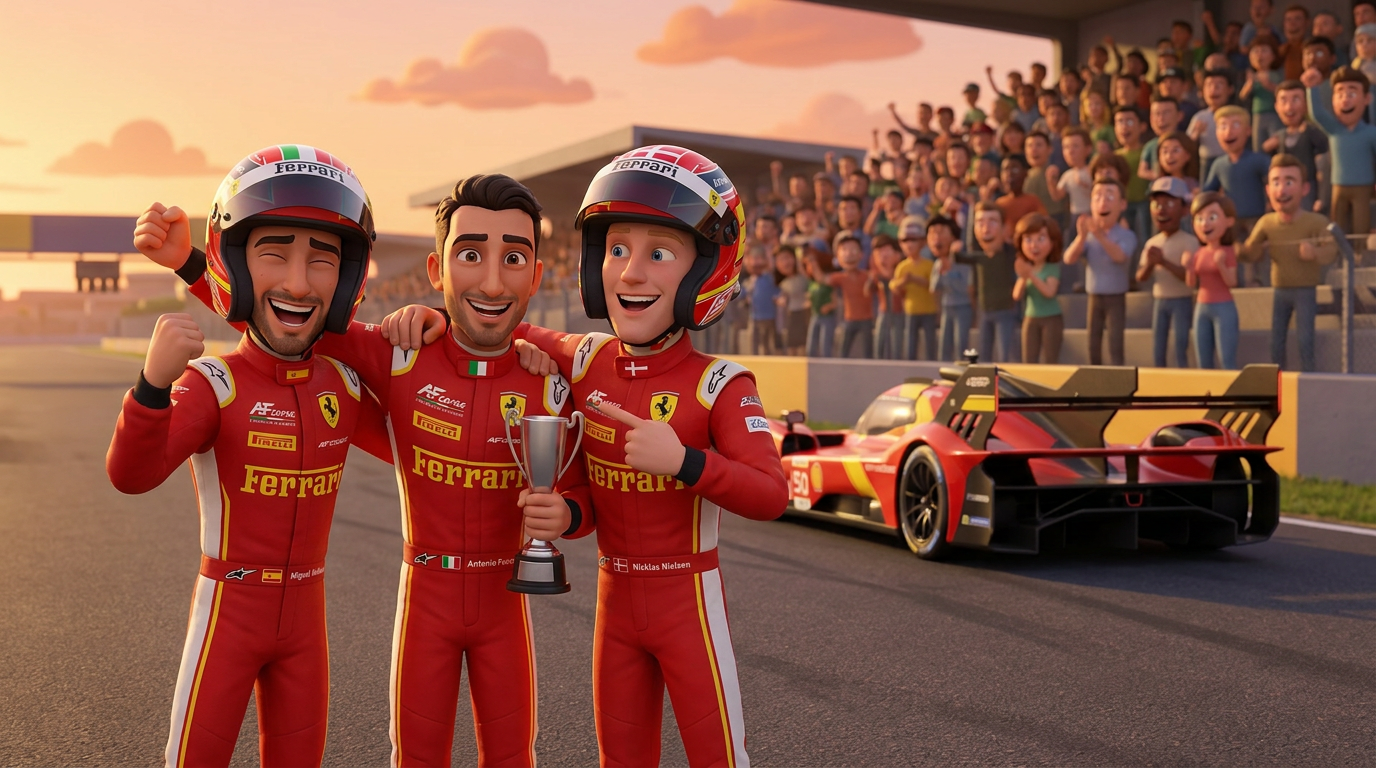
The #50 Ferrari 499P of Fuoco, Molina and Nielsen finished 4.7 seconds ahead of the #38 Cadillac V-Series. R. It looked like a classic close finish, but the outcome turned on a hydraulic failure for the leading #8 Toyota inside the final 10 minutes.
Ferrari stayed close enough to take advantage. Its crew delivered under pressure and secured the car’s first victory since the 2025 Qatar 1812km. Cadillac also turned front-row speed into a second-place finish.
Even so, the race primarily rewarded qualifying position, routine stops without mistakes and sprint-style execution. Each is a legitimate test. They shouldn’t define most of an endurance championship’s calendar.
Le Mans cannot carry the identity alone
The geopolitical reasons for Qatar and Bahrain leaving the 2026 schedule extend beyond racing. WEC had to react, and Barcelona and Monza are credible circuits. The issue is the format, not the venue.
Adding another pair of six-hour races puts too much responsibility on the 24 Hours of Le Mans to preserve the championship’s defining challenge. One event tests overnight consistency, fatigue management and durability at a level the rest of the season rarely reaches.
The result is two distinct versions of WEC. Le Mans is an extreme endurance race. An increasing share of the remaining calendar looks like extended sprint racing with driver changes.
The title table reflects compressed volatility
Austin produced huge swings. Conway, Kobayashi and de Vries held on to 75 points, level with Frijns and Rast. Van der Linde had 65, while Buemi, Hartley and Hirakawa sat on 64 after the #8 Toyota lost a likely win.
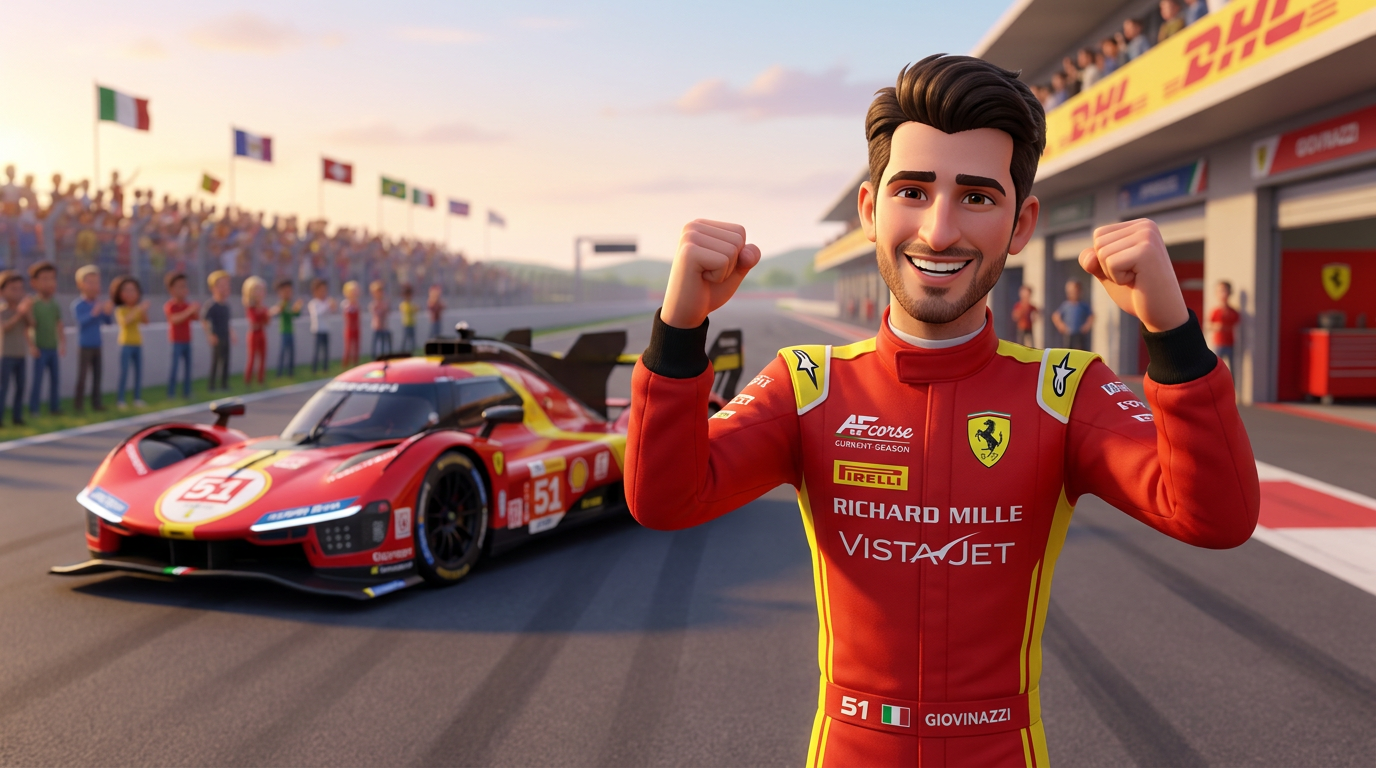
Giovinazzi put the #51 Ferrari on pole after matching Aitken’s 1:52.445 qualifying lap and taking the tiebreak. That Ferrari ended the race in 11th. BMW’s leading contenders also went scoreless, compressing a championship that otherwise might have produced clearer performance trends.
The racing is exciting, but volatility and variety aren’t the same thing. A 10 or 12-hour event would force teams to address different challenges instead of repeating the same six-hour formula at another track.
Longer races expose complete programs
Ferrari has front-running speed and two capable crews, though Austin again exposed uneven execution across its cars. Toyota’s #8 had race-winning pace before its hydraulic failure. BMW has developed into a title contender, but its difficult weekends still affect multiple entries.
A longer race would examine those strengths and weaknesses in greater depth. Reliability would matter more. Traffic management would change over extra stints, and nighttime running could alter track conditions and strategic choices.
It would give Alpine, Cadillac and Genesis another path into contention as well. A schedule filled with similar six-hour events naturally benefits the factories best prepared to perfect repeatable pit cycles and maintain track position. Longer races allow durability and adaptable race craft to carry greater influence.
BoP transparency still matters
Calendar changes won’t resolve the recurring Balance of Performance debate. WEC should release fan-readable technical notes before each event and post-race assessments explaining whether it achieved its targeted performance compression.
The reason is clear when Ferrari and Cadillac can set identical 1:52.445 Hyperpole laps while Genesis trails by 0.561 seconds. Fans should be able to distinguish engineering progress from regulatory intervention without having to interpret vague explanations.
That transparency should support varied competition, not replace it. Even the best rulebook cannot make six hours feel like 12.
WEC should commit now
We want WEC to publish a commitment to add one 10 to 12-hour race beyond Le Mans when conditions allow. It could extend an existing round or choose a venue suited to meaningful nighttime running.
The championship’s next races will carry forward the 75-point battle between Toyota’s #7 crew and BMW’s Frijns and Rast. WEC’s next calendar decision should make sure those contenders face another true long-distance test before a future title is decided.