Ferrari’s late Austin victory shows why reliability, qualifying speed and championship longevity need different weight in any WEC greatness ranking.
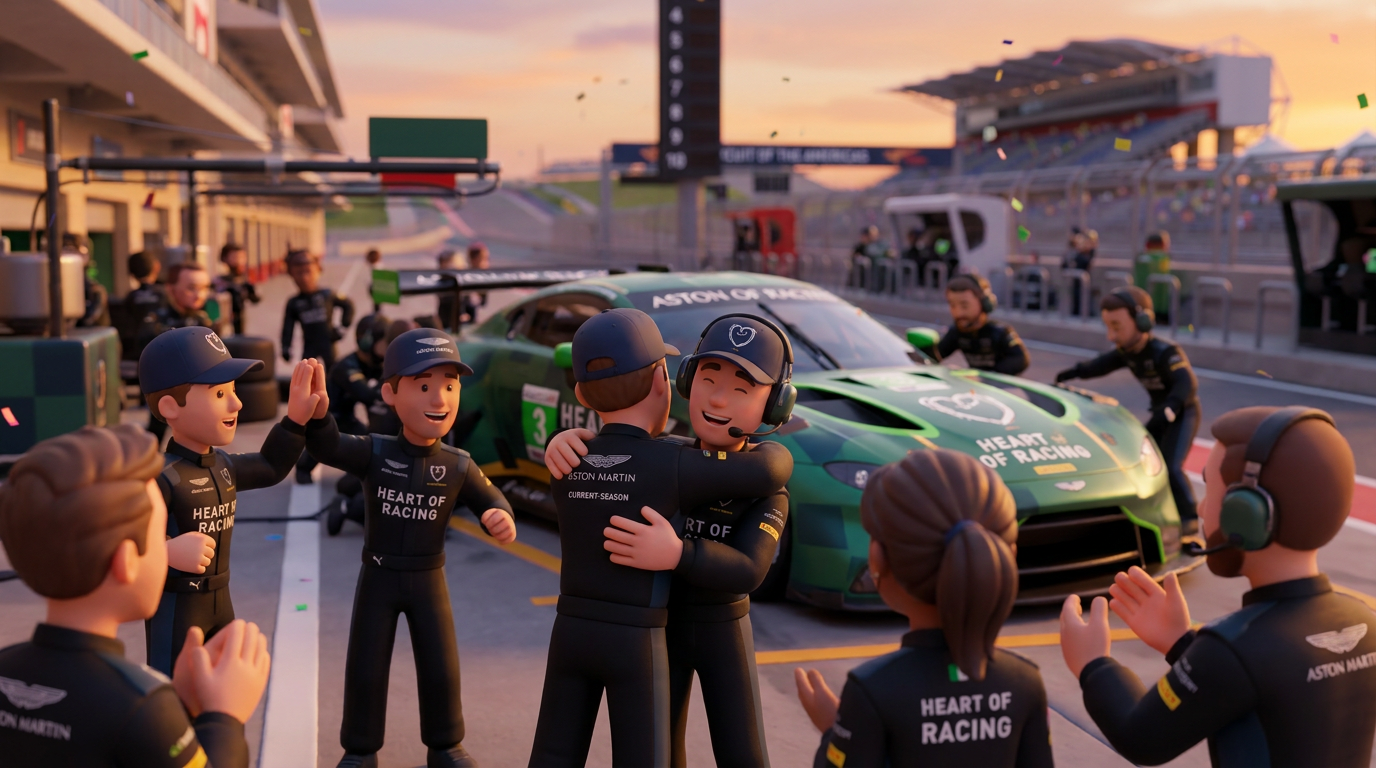
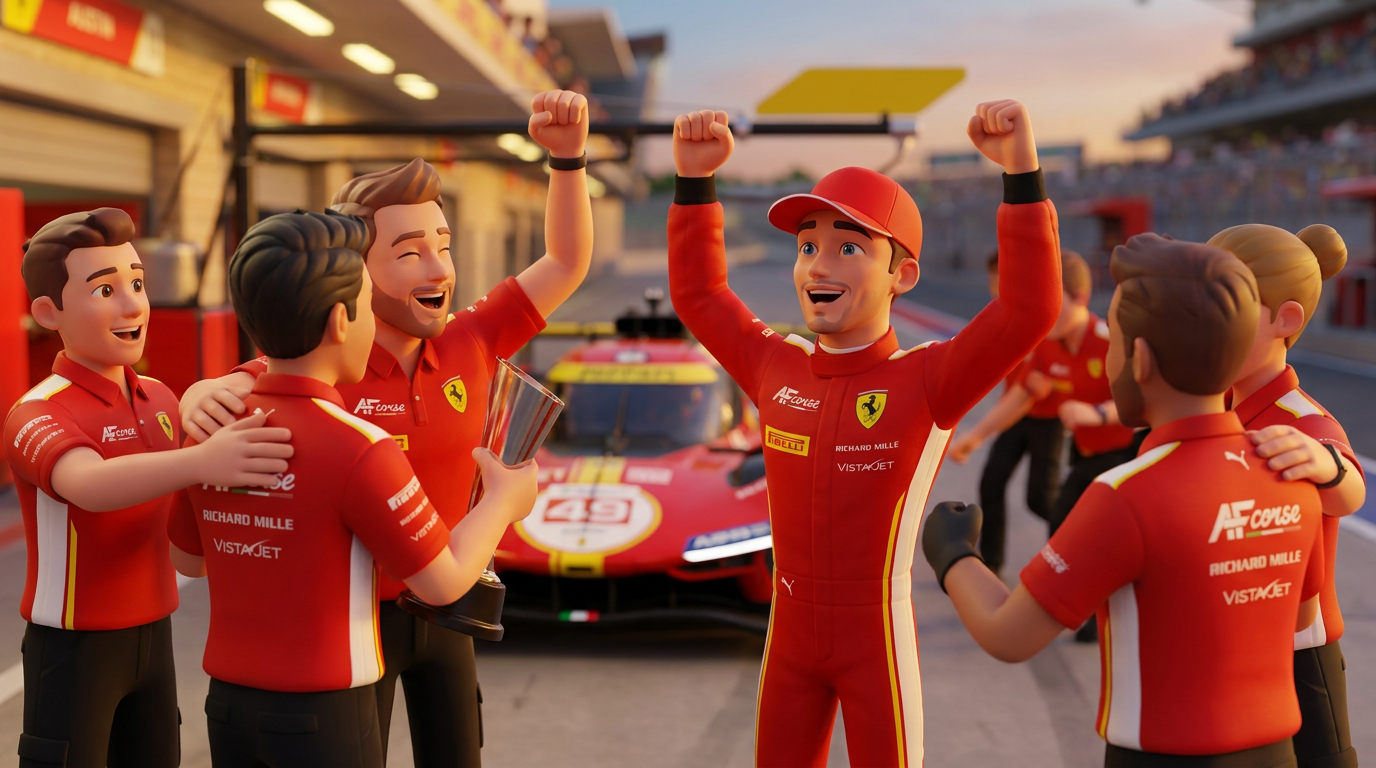
Ferrari won the Lone Star Le Mans at Austin on September 6 after a late hydraulic failure denied Toyota, turning a likely defeat into another victory for the reigning world champion manufacturer.
That reversal matters in any ranking of FIA World Endurance Championship greatness. It distinguishes the fastest entry from the winner and shows how raw victory totals can obscure the qualities endurance racing is designed to measure.
Austin separated speed from survival
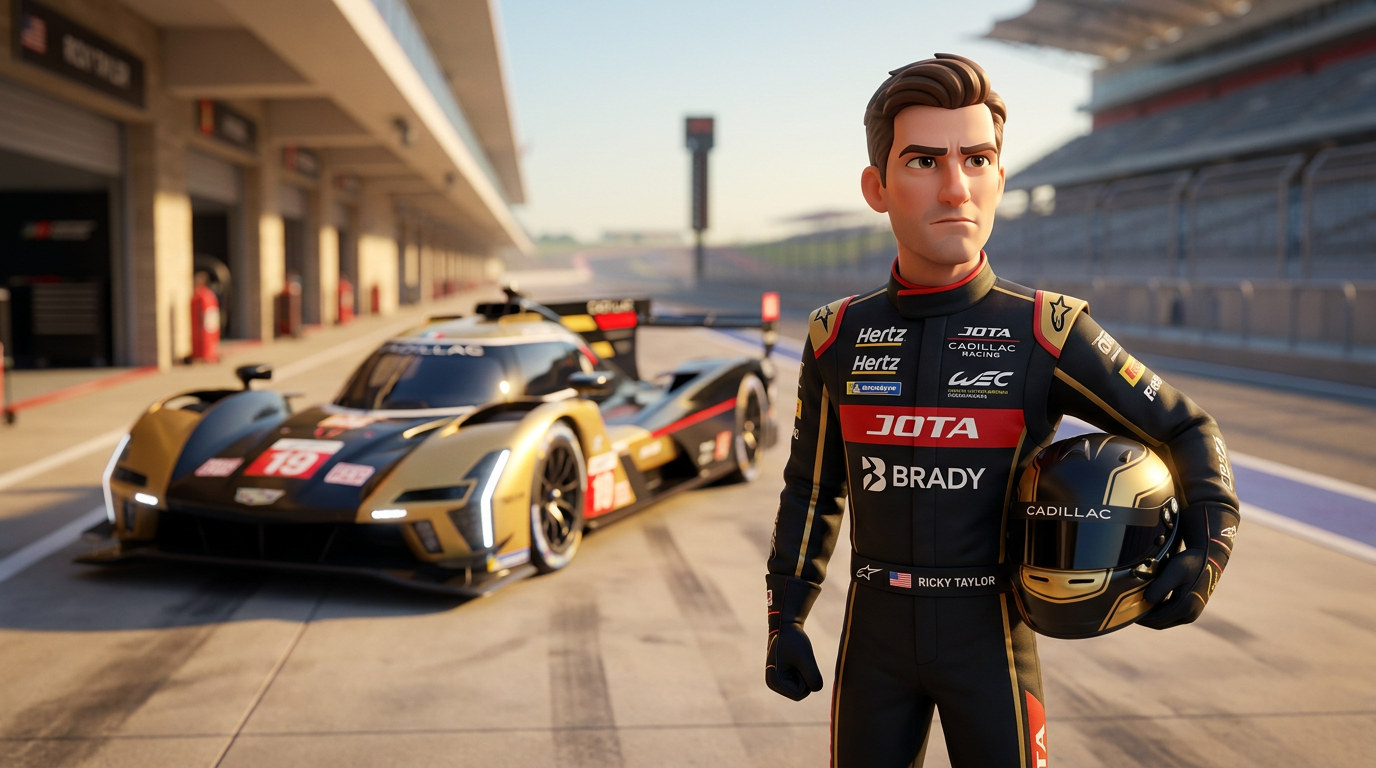
Ferrari started from pole after setting an identical qualifying time to Cadillac. Toyota then put itself in position to win before a late hydraulic problem intervened.
Austin produced three distinct measures of performance. Cadillac matched the benchmark over one qualifying lap, Toyota built the strongest race-winning position, and Ferrari seized the opportunity to claim the confirmed victory.
Only one achievement enters the win column.
Ferrari adds another form of authority
Ferrari entered 2026 as the 2025 WEC world champion manufacturer. Its Austin success extends a period built on championship-level results rather than one isolated upset.
That distinction deserves weight. A G. O. A. T. formula for endurance racing must reward repeated title contention and execution across different circuits, along with the ability to collect wins when a rival breaks.
Ferrari’s strongest current argument centers on conversion. It took pole at COTA, stayed close enough to capitalize, then banked the result when Toyota’s race unraveled.
Toyota’s defeat retains historical meaning
Toyota arrived in Texas after the No. 7 car won the 24 Hours of Le Mans, while the No. 8 finished third. Those results had moved the Japanese manufacturer to the top of the Hypercar standings after three rounds.
Austin did not erase that record.
The result exposes a central ranking problem. Reliability is part of performance, especially in endurance racing, but a mechanical failure does not prove the losing car lacked pace. Toyota’s late hydraulic issue cost it the result, while its Le Mans victory remains the season’s largest confirmed achievement in the supplied record.
The ranking model needs separate columns
A credible all-time comparison should avoid blending every accomplishment into one total.
- Championship authority: Reward manufacturer titles, using Ferrari’s 2025 crown as the current reference point.
- Major-race performance: Assign the 24 Hours of Le Mans distinct value, including Toyota’s 2026 victory with the No. 7.
- Race conversion: Count victories such as Ferrari’s September 6 Austin result, where staying in contention created the opening.
- Qualifying speed: Record Ferrari and Cadillac’s identical COTA times without treating pole as equal to a race win.
This structure creates a fairer comparison between teams whose peaks came under different regulations. It also stops one dramatic failure from rewriting an entire season.
Fuji provides the next data point
Ferrari leaves Austin with the win. Toyota departs with evidence of race-leading strength and the cost of failing to finish the job.
The next WEC round is scheduled for September 27 in Japan. Fuji will provide the next confirmed result in a season where Ferrari’s conversion rate and Toyota’s recovery now matter as much as their outright pace.