Ferrari capitalized at COTA, but Toyota’s late failure showed why reliability, rather than manufactured parity, should decide this close WEC fight.
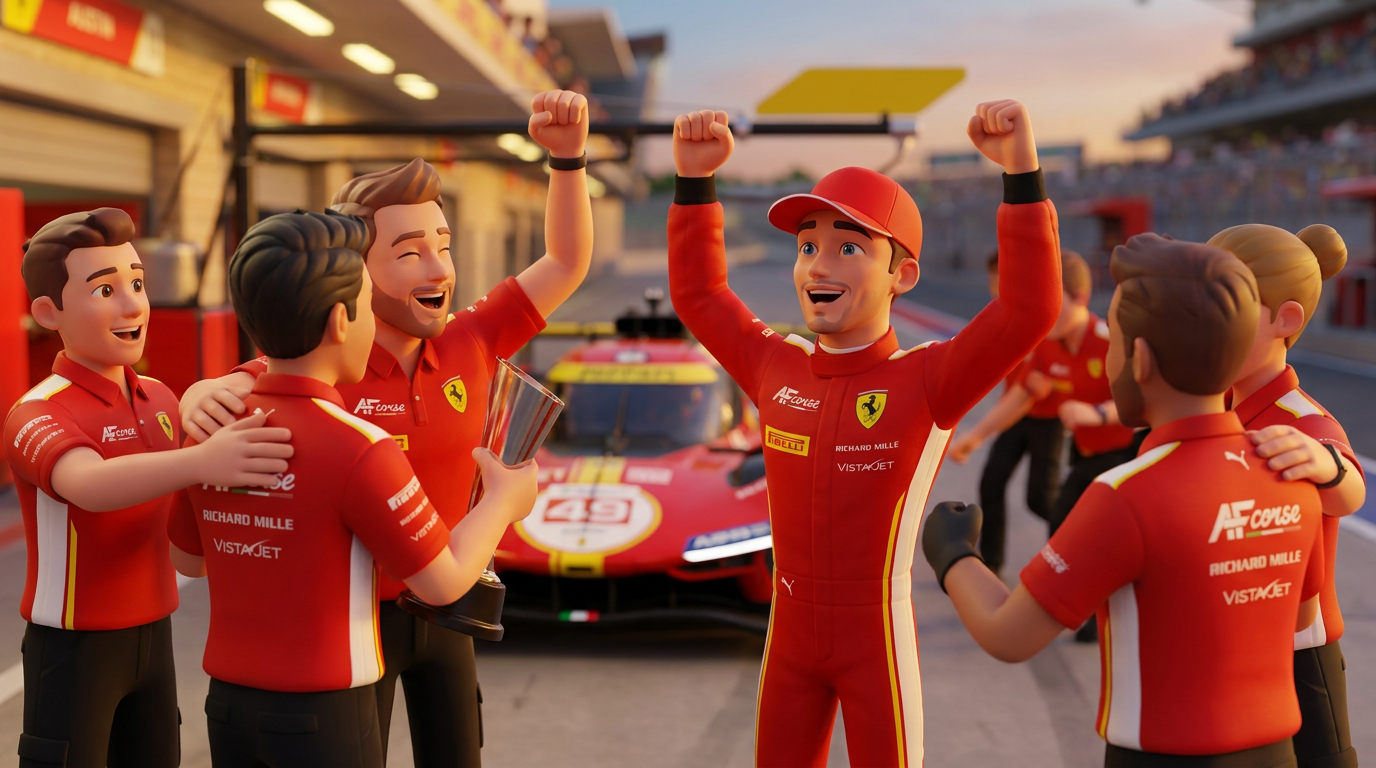
Ferrari won Lone Star Le Mans on September 6 after the #50 Ferrari AF Corse completed 167 laps and withstood six hours of pressure. Toyota’s #8 failed to do the same. That difference now shapes a WEC championship where outright speed counts for little if the hardware cannot finish the job.
Our verdict is firm. WEC should resist any push to manipulate this fight further in the name of balance. Austin delivered a gripping finish through mechanical jeopardy and sustained competition, exactly what endurance racing should reward.
Ferrari seized its opening
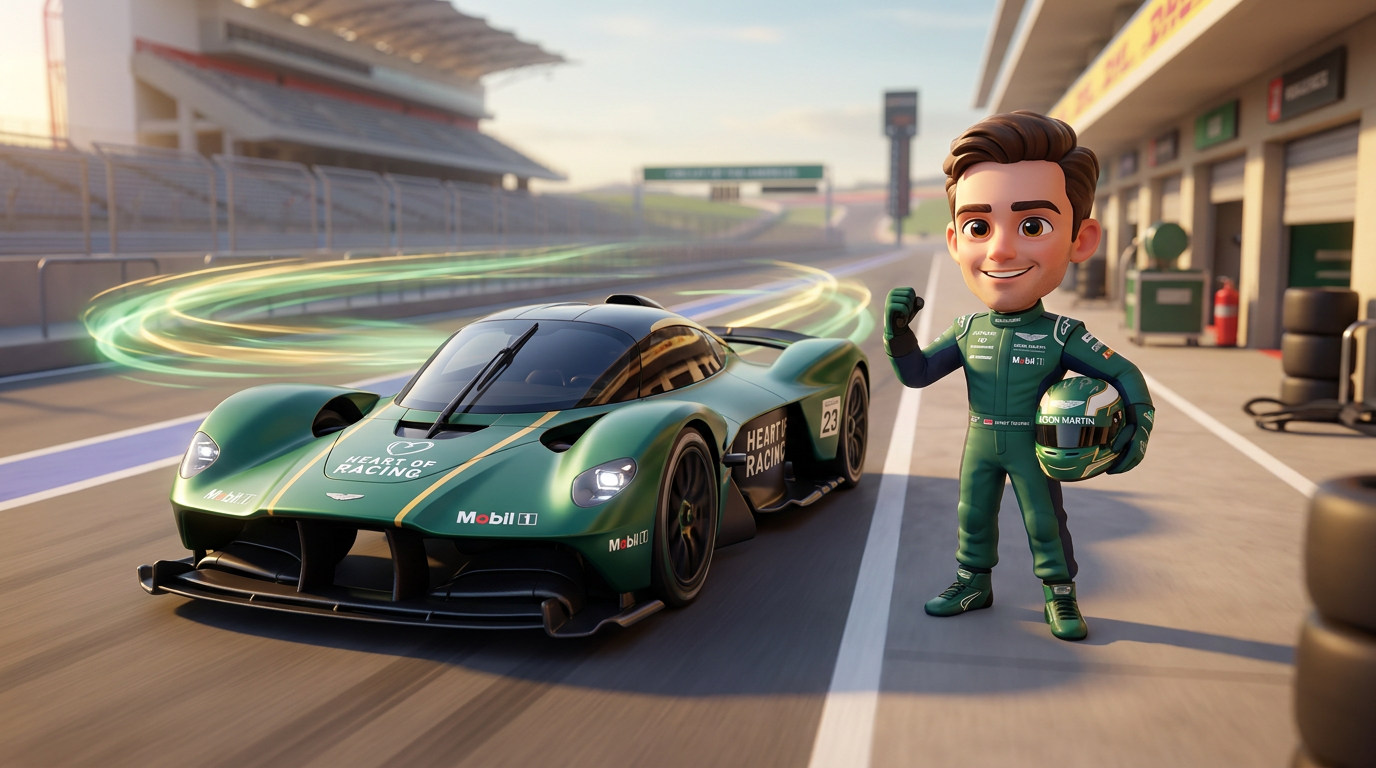
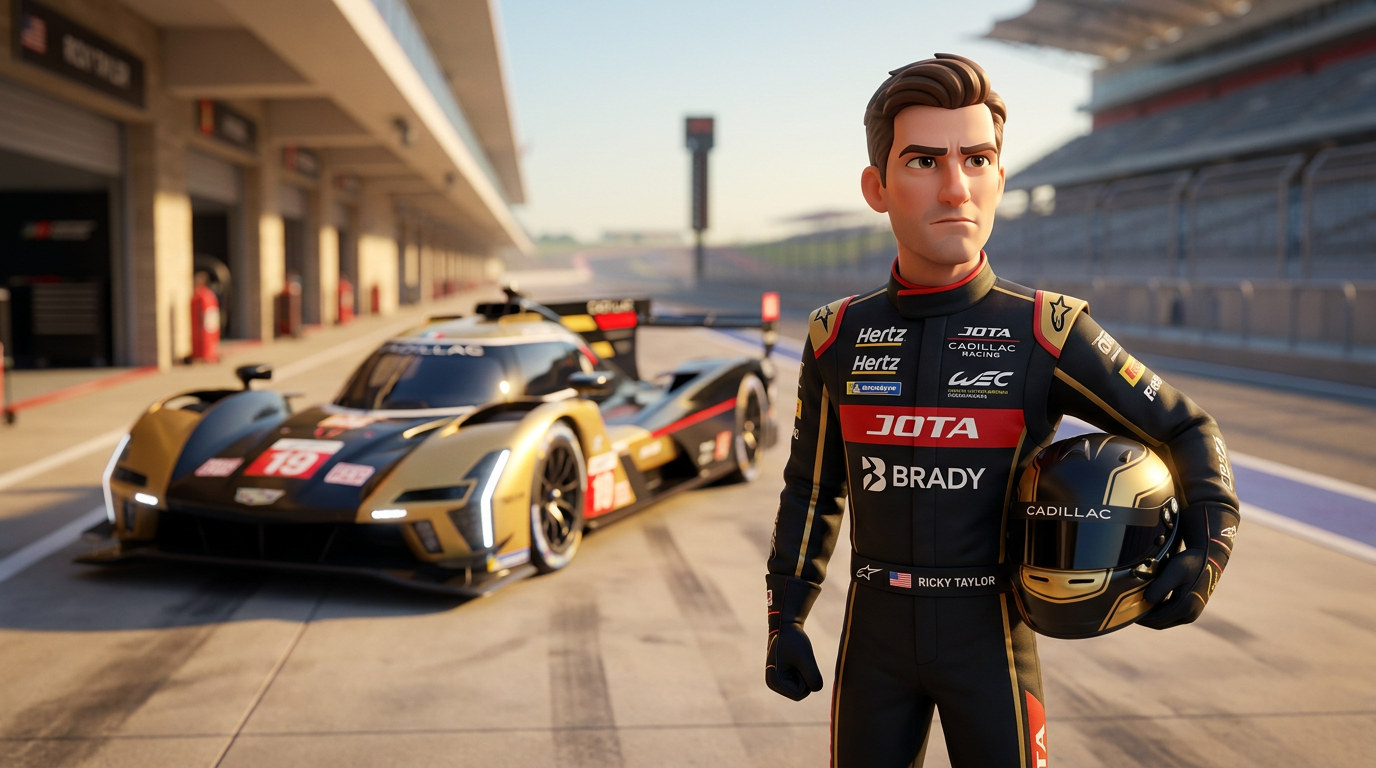
The winning Ferrari crossed the line in 6:00:07.219, just 4.471 seconds ahead of the #38 Cadillac Hertz Team JOTA. The #35 Alpine Endurance Team finished third, 6.116 seconds behind.
This wasn't a victory built on a dominant edge. Ferrari had displayed its pace by leading a 1-2 in the opening practice session, but the race became a matter of staying close enough to capitalize when Toyota suffered its late mechanical problem.
The #50 crew delivered.
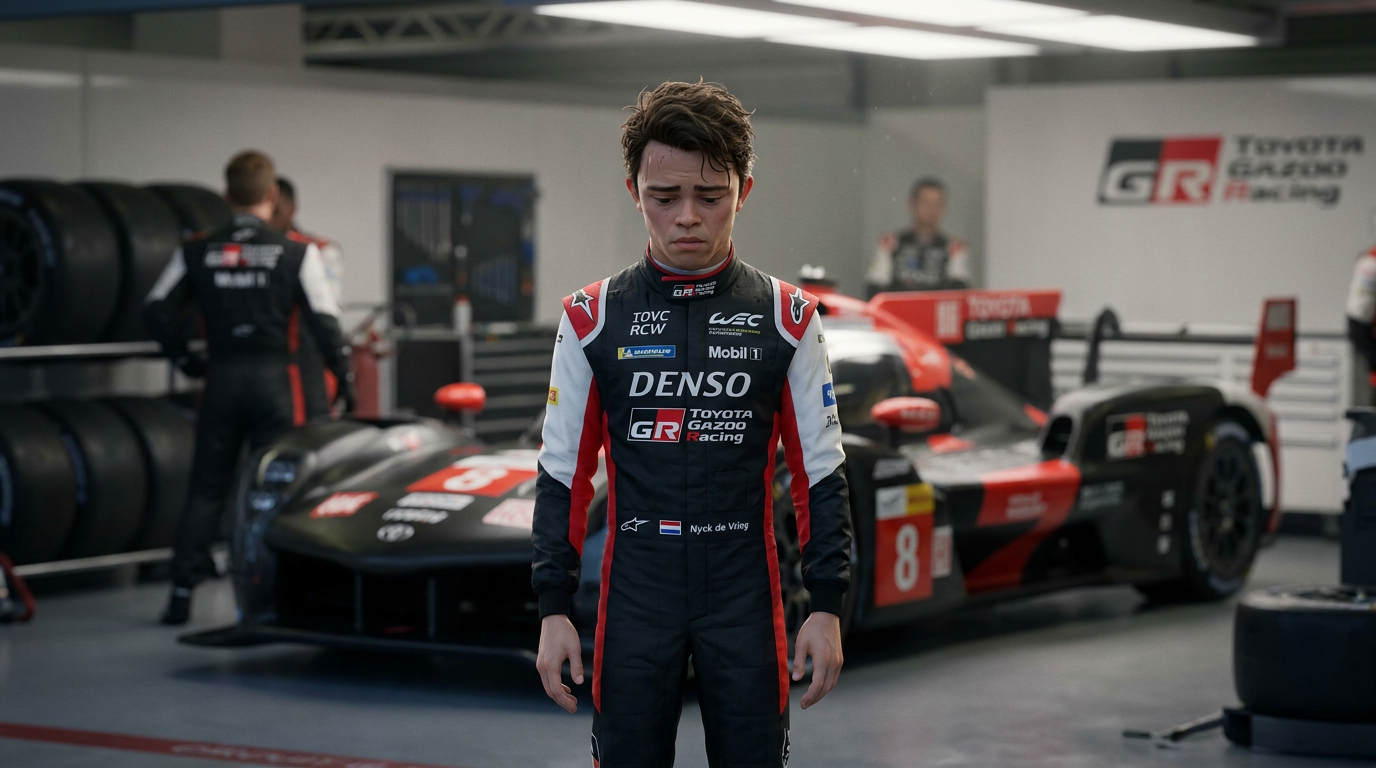
Toyota's Nyck de Vries looked set for victory before the failure struck. Instead, the #8 came home sixth, 21.389 seconds behind Ferrari. The narrow advantage over Cadillac meant Ferrari couldn't waste a single lap while waiting for its chance.
Toyota lost the result that counted
Describing Toyota as unlucky is too generous. Reliability is part of performance in WEC, particularly after nearly six hours of racing. A car that leads late in an endurance event before breaking has not completed the competitive task.
Toyota arrived at COTA atop the manufacturers' standings with 132 points after four rounds. BMW held 127, with Ferrari third on 88. The drivers' championship was tied at the top on 75 points between Toyota's trio and a BMW entry.
That made the #8's failure particularly costly. Sixth place still provided a classified finish, but a likely win became an opening for Ferrari to return to the title conversation with momentum.
Close racing needs no added theater
A tight championship can create pressure to keep adjusting the competitive order. Austin showed why that isn't necessary.
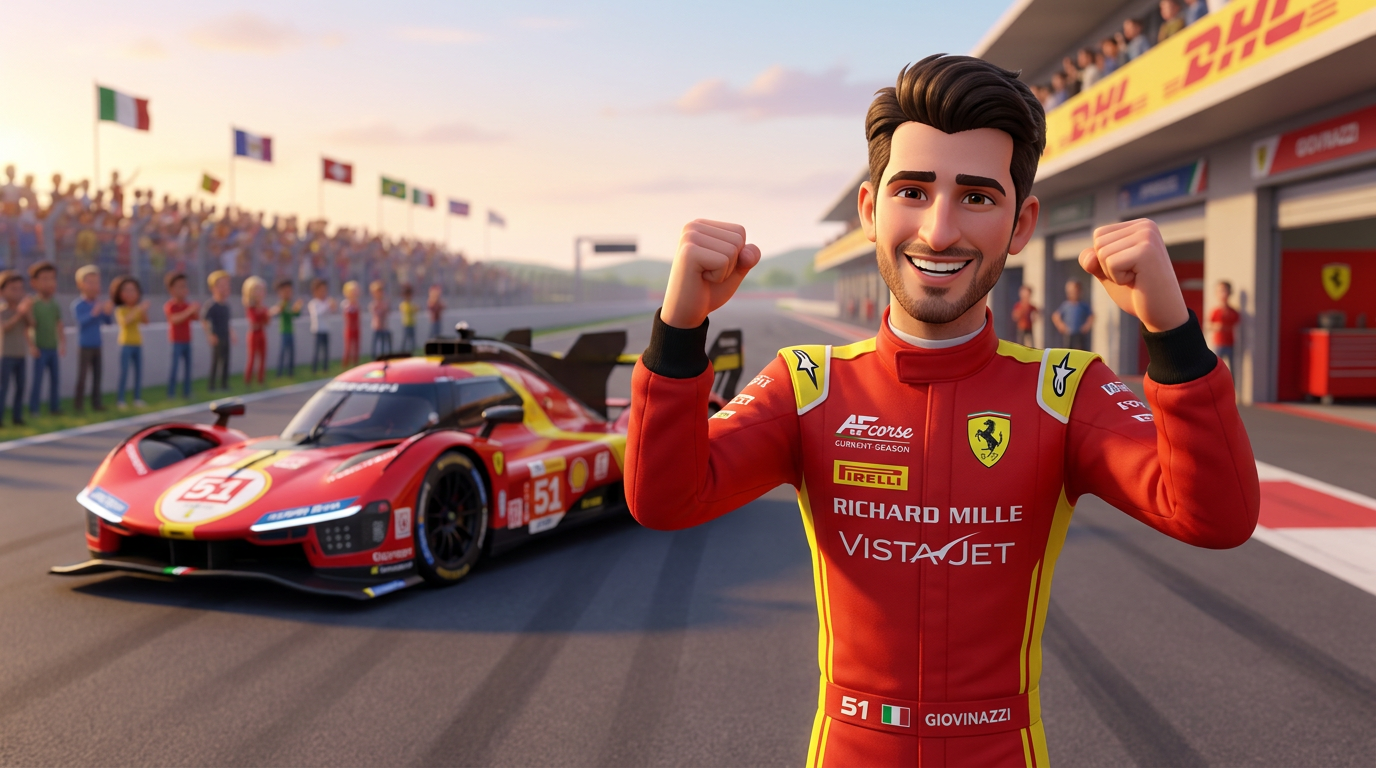
Cadillac ended the 167-lap race 4.471 seconds short of victory. Alpine followed another 1.645 seconds behind. Toyota recovered to sixth, while the #51 Ferrari finished 11th. Several manufacturers had a genuine path to the podium without a manufactured late reset.
We reject the idea that a mechanical failure weakens the legitimacy of this contest. Endurance racing tests components as well as drivers and strategy. Toyota's breakdown hurt, but genuine jeopardy is better than artificial intervention every time.
WEC owes fans clearer answers
That doesn't clear WEC of every regulatory concern. The championship can better explain decisive failures and penalties, especially with the points fight this close. Fans should get a prompt and specific account of what failed on the #8 and how Toyota diagnosed it, within legitimate technical confidentiality.
Safety rules also require scrutiny. Cockpit temperature limits and related penalties are enforced, yet live biometric monitoring isn't permitted in WEC. Driver cooling systems remain disputed. A championship holding six-hour races in the Austin heat needs safety policy built on usable data instead of incomplete visibility.
No emergency regulation change followed COTA, and the sporting result needs no repair. WEC should focus on transparent enforcement, clearer technical communication and consistent application of the current rules.
Fuji will test Toyota’s response
Ferrari departs Texas with the victory, but the other car's 11th-place finish shows how quickly a promising weekend can diverge within one garage. BMW also remains central to the title fight after arriving in Austin five points behind Toyota in the manufacturers' standings.
The next round takes place at Fuji from September 25 to 27. Toyota has a home race to show that Austin was an isolated failure, while Ferrari gets less than three weeks to convert one expertly seized opportunity into sustained championship pressure.