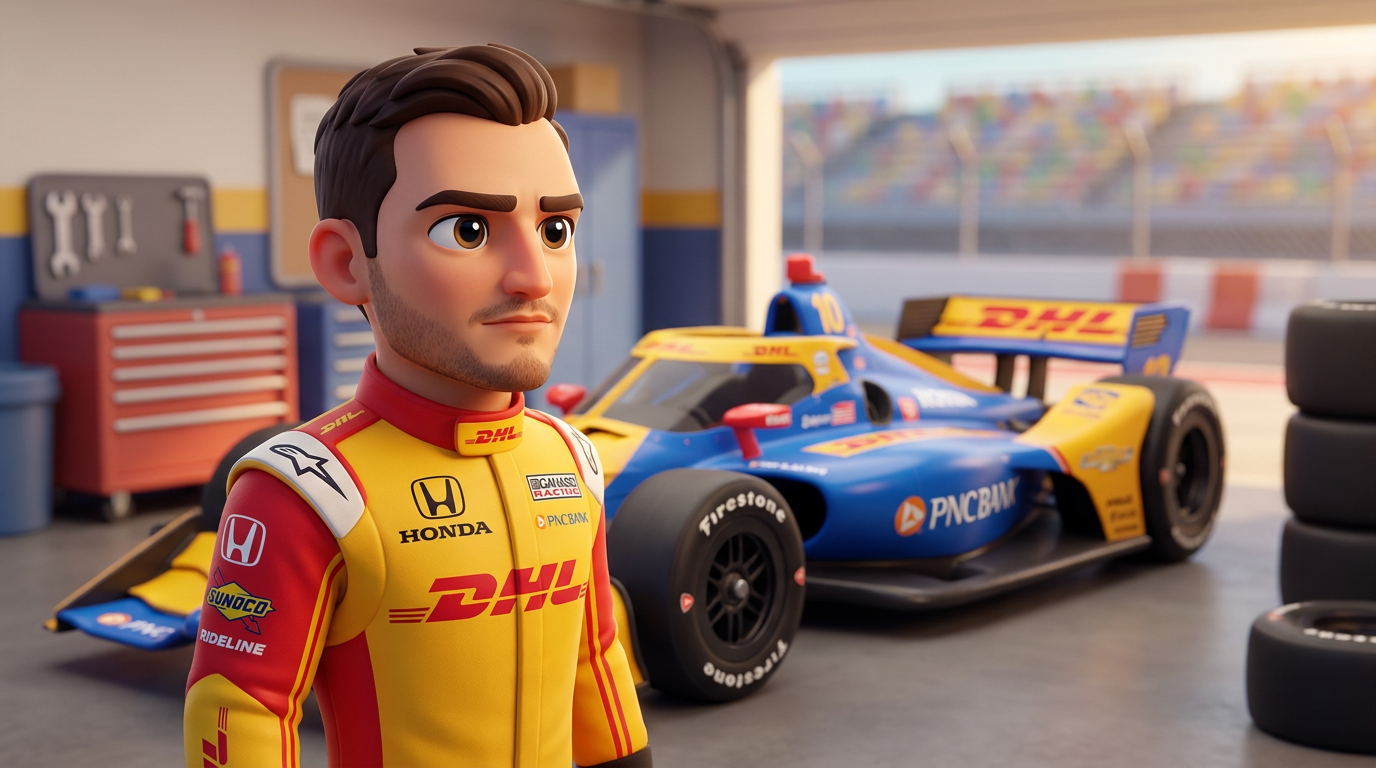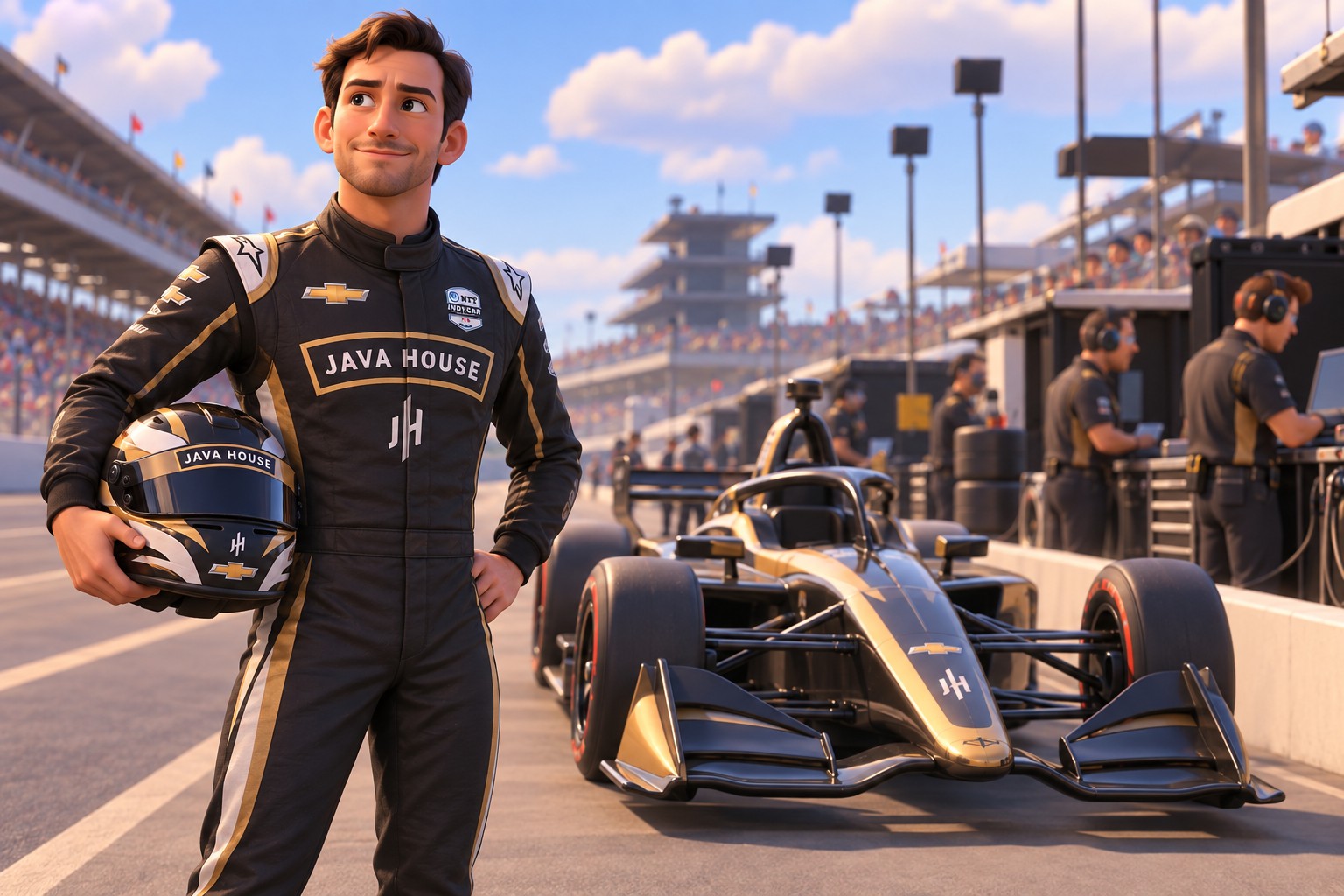
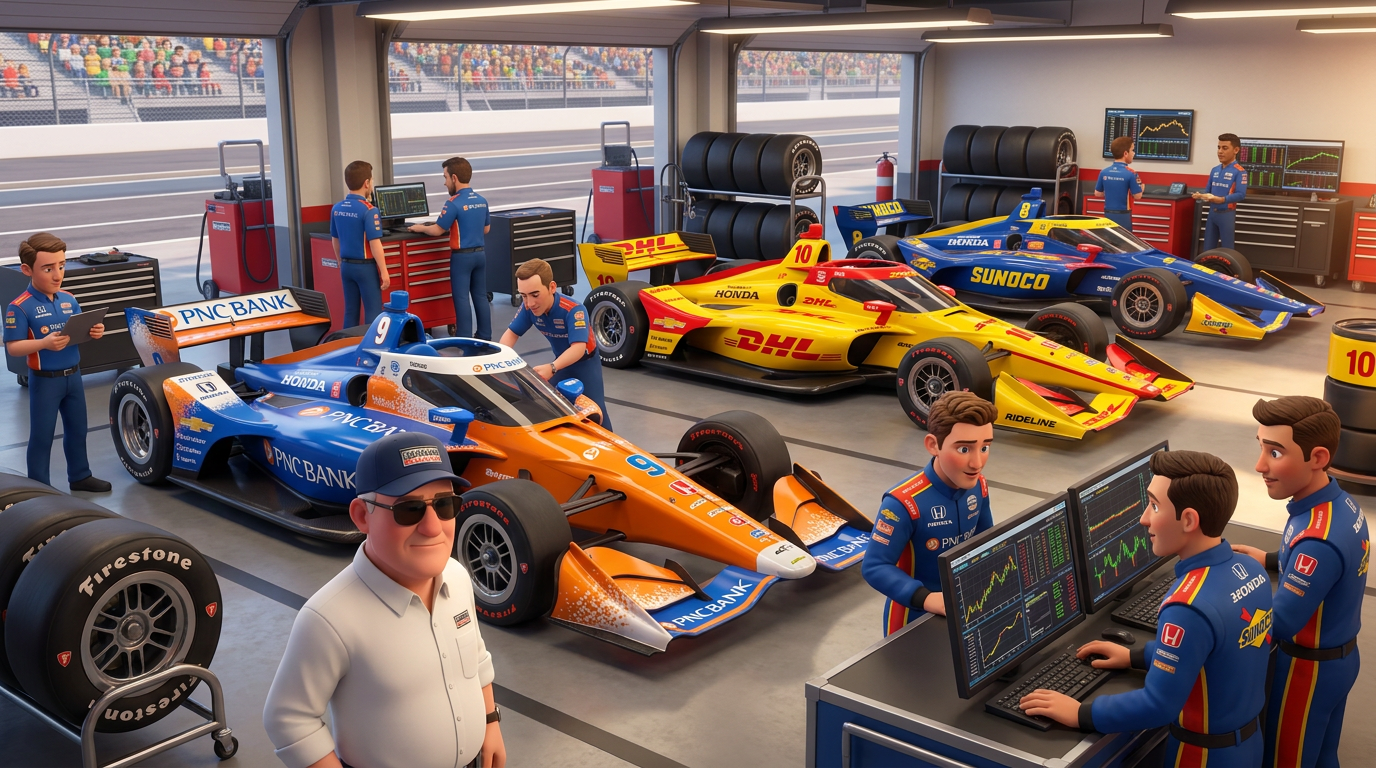
IndyCar racing, renowned for its diversity in racetrack experiences and engineering innovation, consistently challenges teams to push the boundaries of technology and strategy.
The 2027 season presents a pivotal moment as new developments in engineering become crucial in the pursuit of competitive advantages. This article delves into the engineering choices that will shape the performance landscape of IndyCar, with a spotlight on aerodynamics, tire technology, and the strategic incorporation of AI.
The focal question here is how engineering developments affect competitiveness in the evolving world of IndyCar. By dissecting aspects such as aerodynamics, tire performance, and the role of real-time data, this article explores the craft intricacies that could define success in future seasons.
Chasing Adaptability: The Next Engineering Frontier
In light of engine capacity regulations, IndyCar teams are shifting their focus to aerodynamic innovations. With limits on engine modifications due to homologation rules, optimization of aerodynamic packages is crucial for gaining speed, particularly on varied tracks. This necessitates meticulous attention from technical directors to enhance airflow efficiency and reduce aerodynamic drag uniquely suited for different track types—be it high-speed ovals or the tighter confines of street circuits.
Engineering teams thrive on fine-tuning these setups, balancing between the downforce required for curvy tracks and the top-speed potential needed on straights. This trade-off is essential, influencing how vehicles handle corners compared to long straight sections. Here, precision in engineering choices proves crucial.
Tire Technology and Degradation
Tire management is integral to race strategy, often determining the outcome of high-stakes competitions. The move toward softer compound tires provides immediate grip advantages but also raises the risk of rapid degradation during longer stints.
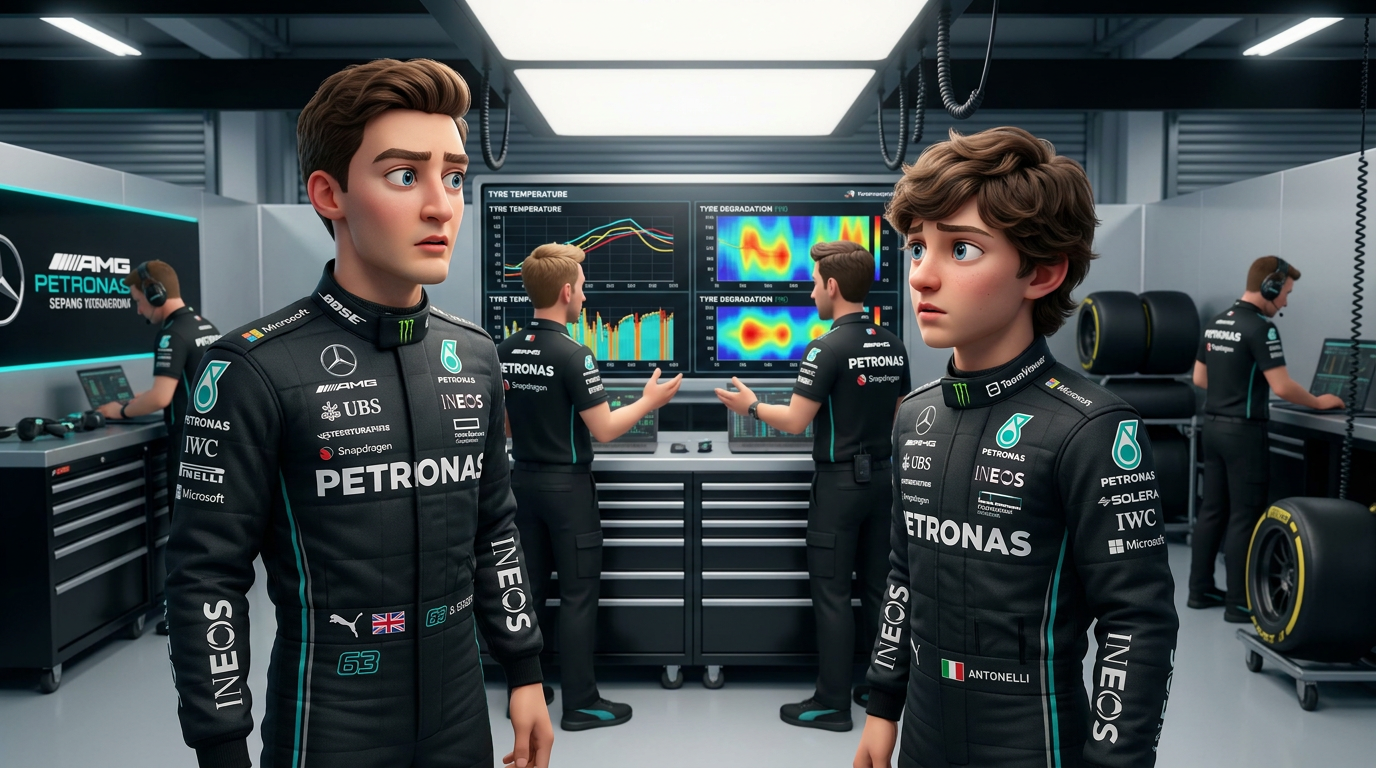
Tire manufacturers are under constant pressure to innovate, striking a delicate balance between grip and endurance. Advanced simulations help model tire wear across various circuits, directly informing pit stop strategies. Teams heavily invest in studying tire wear interactive effects with car setups, aiming to optimize performance while preserving durability over race distances.
Fuel and Brake Management: Cost Efficiencies
Fuel efficiency and brake reliability frequently determine race results, necessitating considerable attention from engineers aiming to provide strategic advantages throughout the race. With fuel flow regulation in place, optimizing fuel intake systems and managing energy use allows teams to mount aggressive drives without jeopardizing race completion.
Meanwhile, brake systems are constantly evolving to keep pace with the increasing demands of car speeds and safety requirements. The integration of heat-resistant materials and advanced cooling systems becomes critical, especially on circuits demanding frequent, intense braking.
Pace and Sector Analysis
Performance assessments in IndyCar extend beyond sheer speed, with sector time analyses revealing how cars handle specific track segments. Teams use this data to translate simulated gains into tangible on-track improvements, particularly during qualifying sessions where precision matters the most.
Insights garnered from speed-trap and sector data inform teams about vehicle behavior under various conditions, identifying potential areas for improvement and allowing the development of tailored strategies that play to each car's strengths.
The Future: Integration of Real-Time Data and AI
With an eye on unmatched performance, teams are increasingly employing AI to analyze real-time data, dynamically altering strategies based on live inputs. This evolving technological edge is set to refine decision-making processes during races, influencing pit stop calculations, tire selections, and other strategic considerations.
As such, the integration of AI platforms is not only anticipated to enhance immediate race tactics but also to make post-race analyses richer, establishing new standards in competitive indy car racing dynamics.
Conclusion: Navigating the 2027 Engineering Tapestry
As IndyCar inches closer to 2027, the fusion between engineering acumen and strategic prowess is expected to define the competitive landscape. The relentless quest for technological superiority ensures that engineering innovation remains at the heart of racing, creating a vivid spectacle for competitors and fans alike.
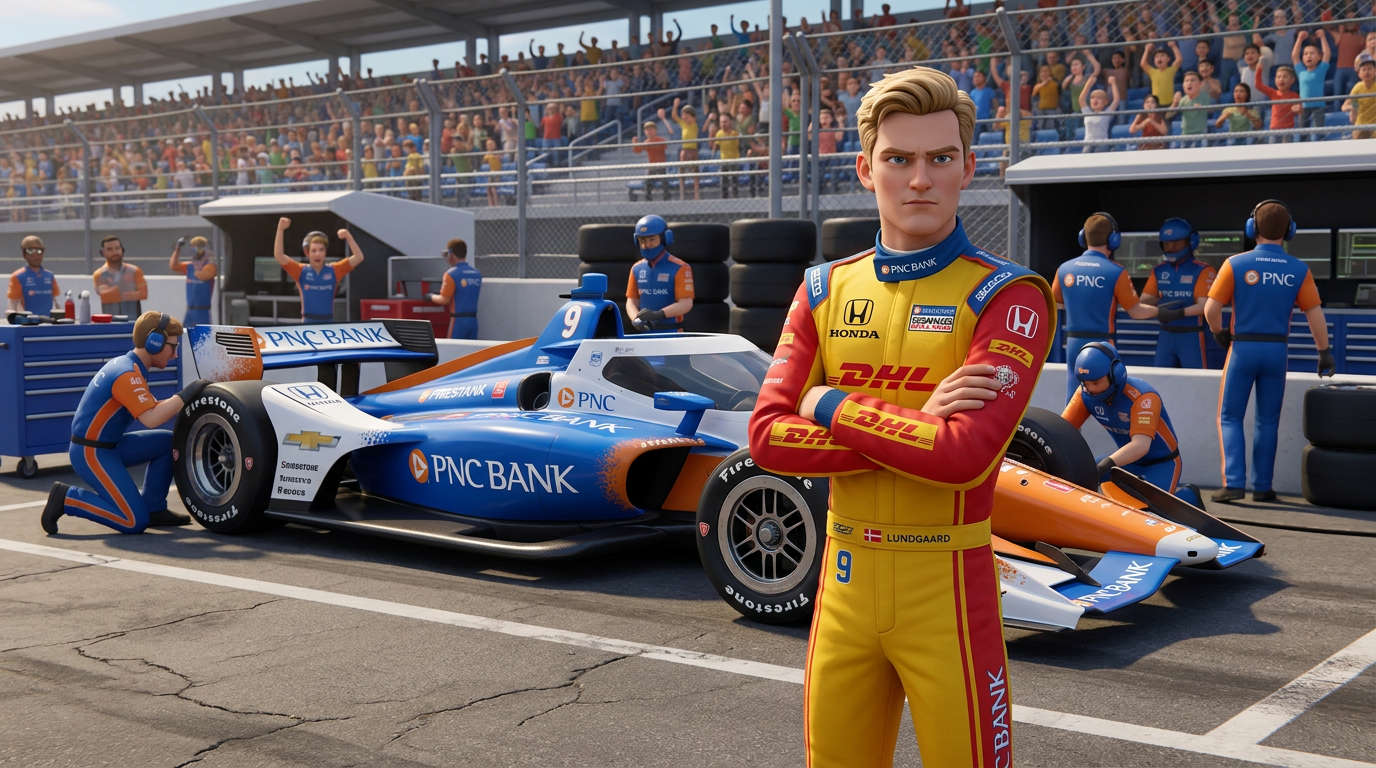
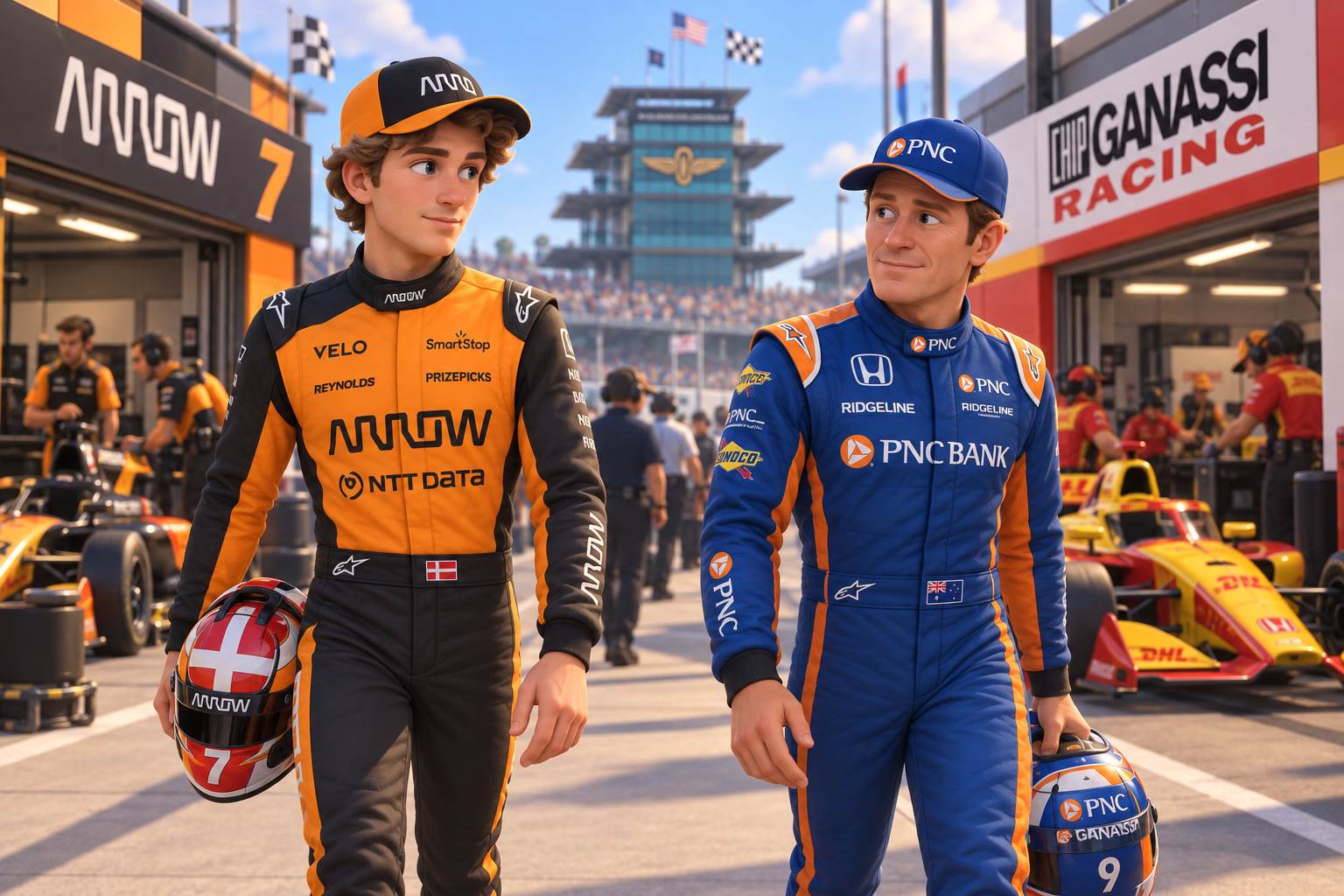
With independent officiating continuing to mature and driver talent, such as Christian Lundgaard's appointment with Chip Ganassi Racing, the stage is set for a season where engineering excellence and strategic cunning are indispensable forces. The coming years imply a tightening grid, where wins may increasingly depend on who best harnesses the evolving engineering horizon.