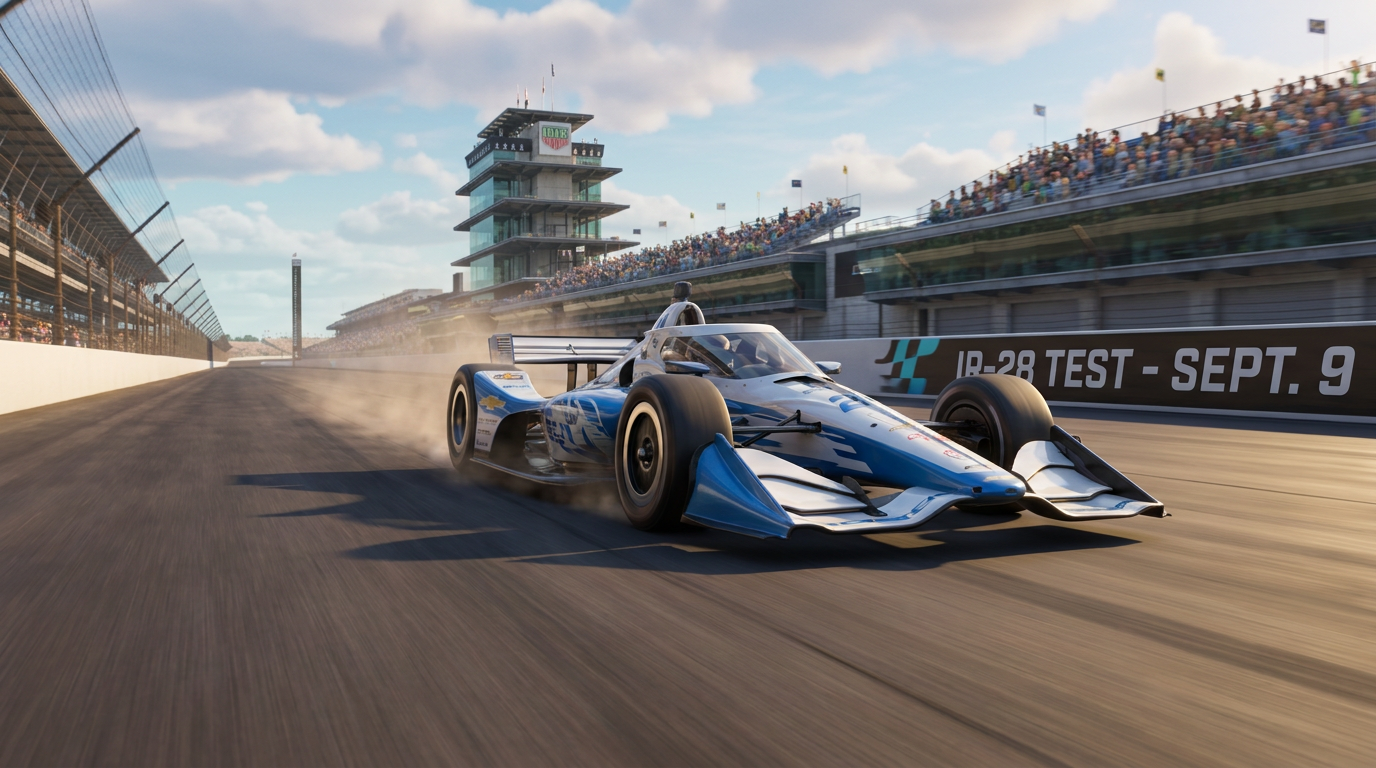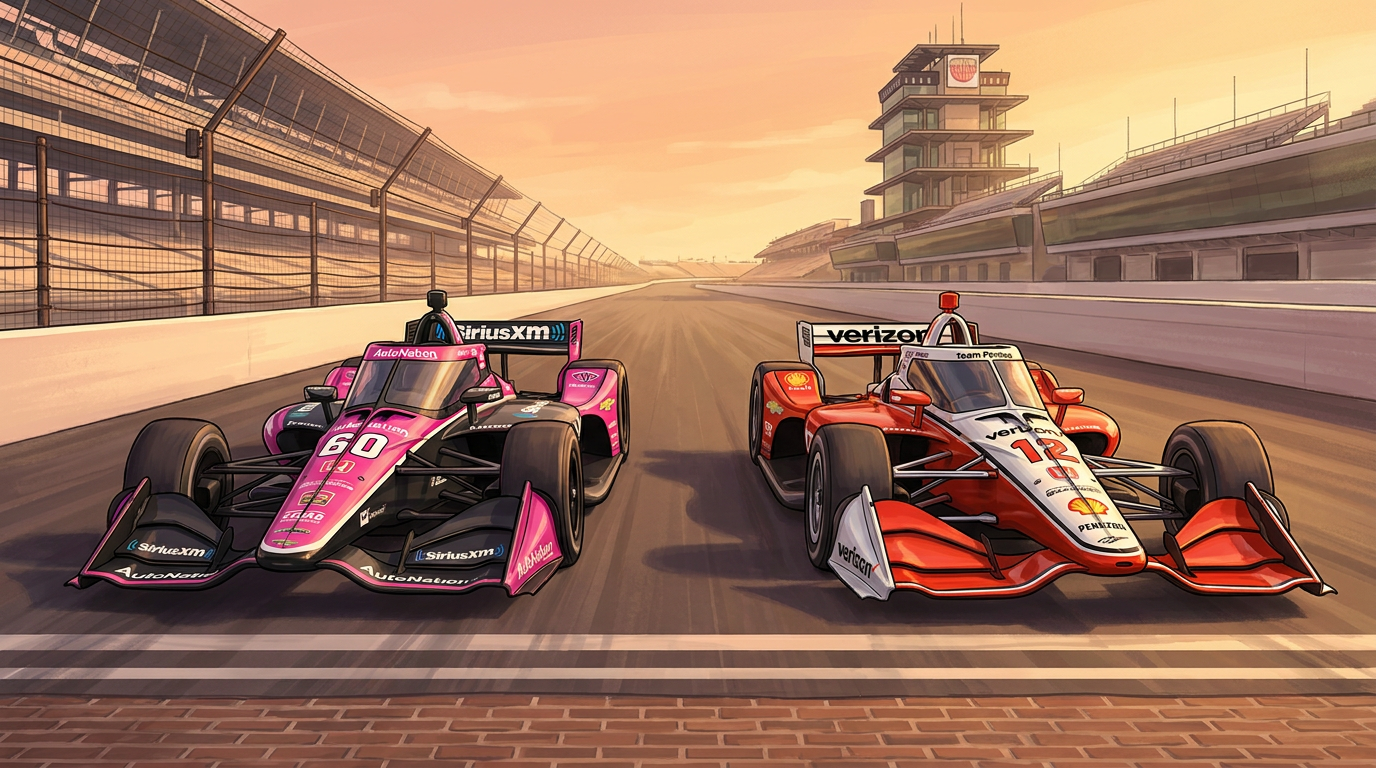
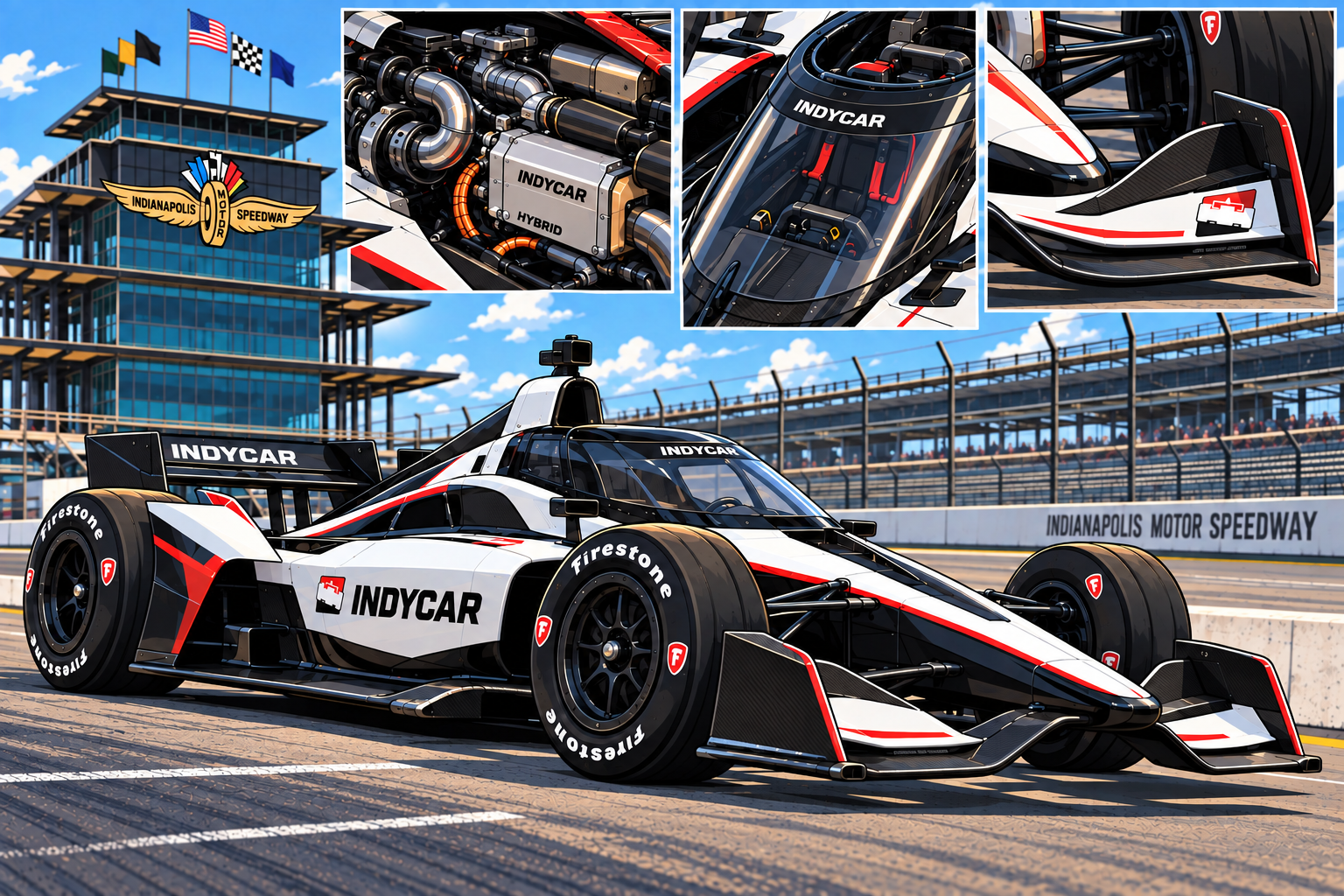
IndyCar's introduction of the IR-28 chassis in 2028 reflects significant advancements in car design and technology. The series is focusing on reducing car weight and incorporating hybrid power, aiming to enhance the competitive aspect of the sport. However, there are substantial challenges to address before these changes reach their full potential.
IR-28: A Lighter, Greener Future
The IR-28 will be about 100 pounds lighter than its predecessor, potentially making it faster and more agile. This is achieved through advancements in materials and design, aligning with eco-friendly engineering trends. The car will feature a 2.4-liter twin-turbo V6 engine combined with a new hybrid energy storage setup, offering up to 760 horsepower and a significant increase in energy storage capacity. This technological leap may lead to more strategic racing, requiring drivers to manage both fuel and energy deployment effectively.
Aero and Safety Improvements
The new aero package is designed to support closer racing and reduce turbulence. Enhanced safety features include a redesigned aeroscreen and an expanded cockpit. Driver controls have been updated with steering wheel-integrated adjustments, potentially improving responsiveness during races.
The Challenge of Integration
Despite the impressive specifications, integrating these advancements into the current racing framework is challenging. The transition requires thorough planning to ensure it doesn't affect race integrity or safety. Recent testing at Indianapolis and other tracks has revealed typical early-stage issues, indicating the need for further development with input from teams and drivers.
Key Concerns and Potential Roadblocks
Adaptability is a concern, especially for teams with fewer resources. The financial strain from adopting the new technology might increase the performance gap between larger and smaller teams. Coordination among engine suppliers like Chevrolet and Honda is crucial, as they balance collaborative development against competitive goals.
Looking Forward
The IR-28's successful launch could signify a new era of technological progress for IndyCar. The governing bodies need to enforce regulations consistently to prevent disparities that could disrupt competition. Although the chassis is set to debut in 2028, extensive simulations, real-world testing, and regulatory tweaks are necessary steps forward. Improved communication with teams and ongoing test monitoring will be vital to overcoming technical and logistical barriers.
While the IR-28 promises a bright future, its implementation will require comprehensive effort from all stakeholders to enhance the racing experience while maintaining IndyCar's competitive integrity. This transition presents an opportunity for innovation, alongside a need for strategic planning and collaboration.