IndyCar confirmed one day ago that its 2026 season posted growth in television viewership, attendance, digital engagement and merchandise sales. FOX coverage drew an audience 23 percent larger than in 2025. Our verdict is straightforward: the broadcast strategy delivered, but the series now needs a calendar and offseason plan that can preserve that progress.
The 18-race season concluded September 6 at WeatherTech Raceway Laguna Seca. IndyCar was then left without live championship competition during a valuable period when its expanded audience needed another reason to come back.
The growth is genuine
A 23 percent year-over-year increase in television viewers is a significant result. It validates the decision to make IndyCar easier to find while giving teams, drivers and event promoters a stronger commercial platform.
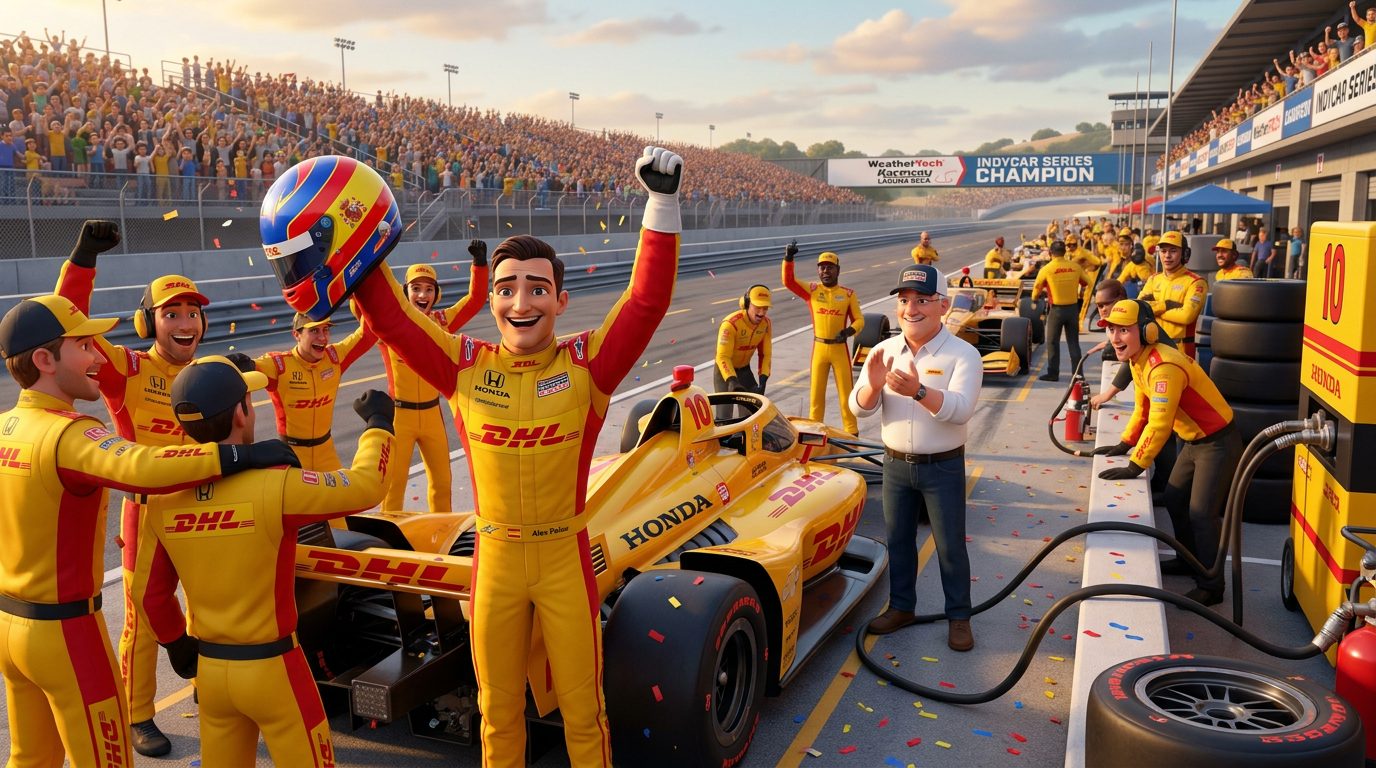
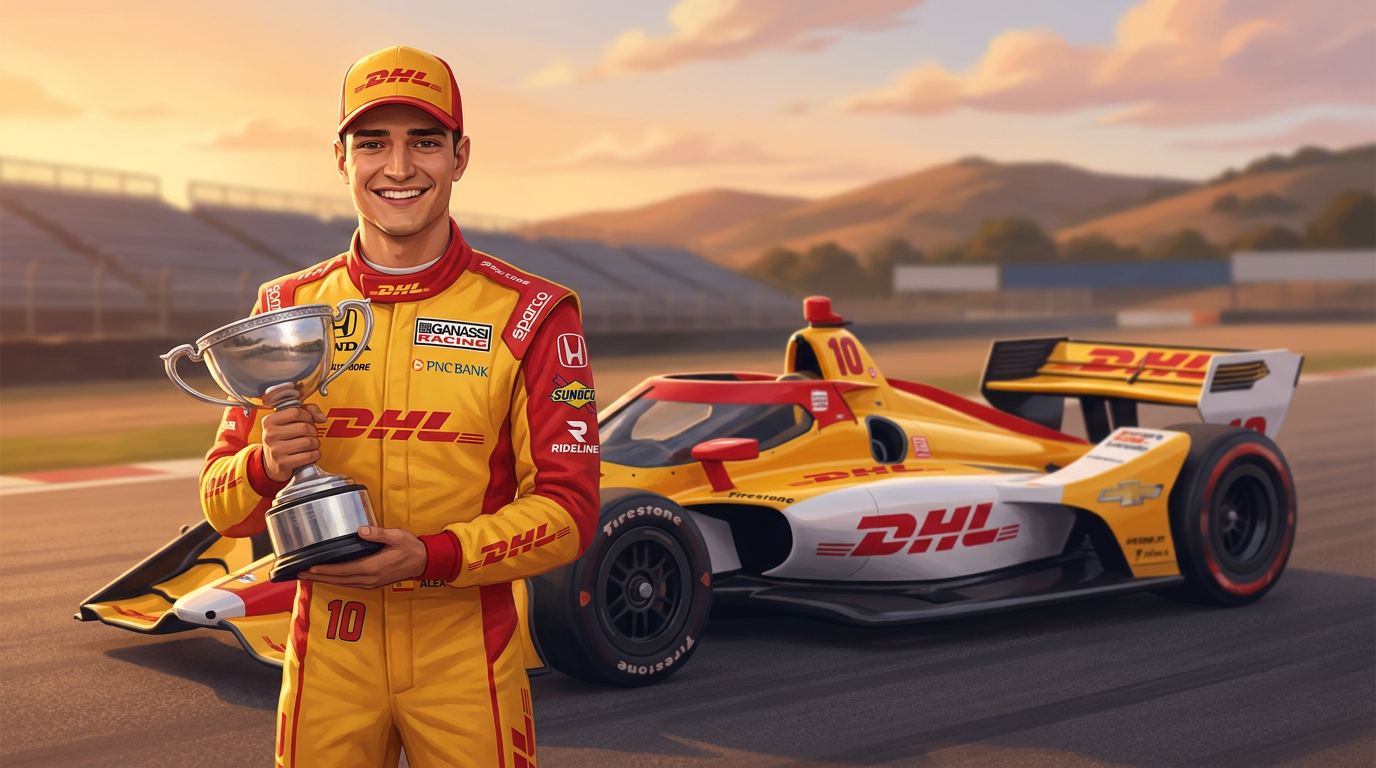
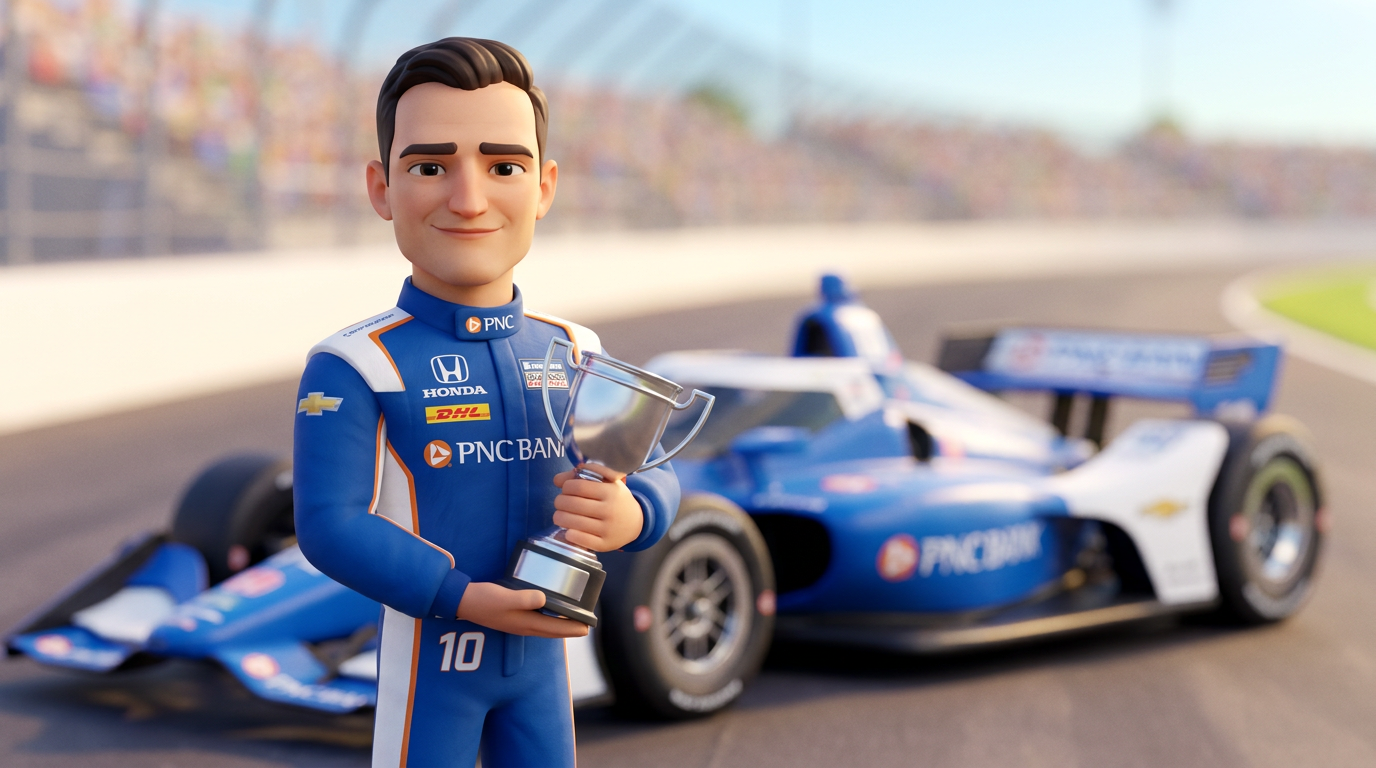
The racing delivered plenty of substance. Alex Palou became a five-time champion with 631 points from 18 starts, winning six races, taking eight poles and leading 673 laps. Felix Rosenqvist defeated David Malukas in the closest Indianapolis 500 finish in history. Scott McLaughlin then ended the season by leading 87 of 95 laps at Laguna Seca.
Those accomplishments gave viewers clear stories to follow.
IndyCar should celebrate these gains, but it cannot treat them as a completed recovery. Audience growth brings a responsibility to provide consistent access, clear information and a persuasive reason for viewers to stay invested after the checkered flag.
An early finale squanders valuable attention
McLaughlin produced a commanding performance at Laguna Seca on September 6. It was his first win since September 2024 at the Milwaukee Mile and ended a 36-race winless stretch. Once that story faded, however, the series went straight into an offseason lasting several months.
We think that break is too abrupt.
A later finale would keep IndyCar relevant for longer, provided the series can find a suitable date without hurting event attendance. If that option is impractical, IndyCar needs a structured offseason program with genuine sporting value. Confirmed tests and technical briefings, along with scheduled team announcements, would offer fans reliable points of interest instead of sporadic updates.
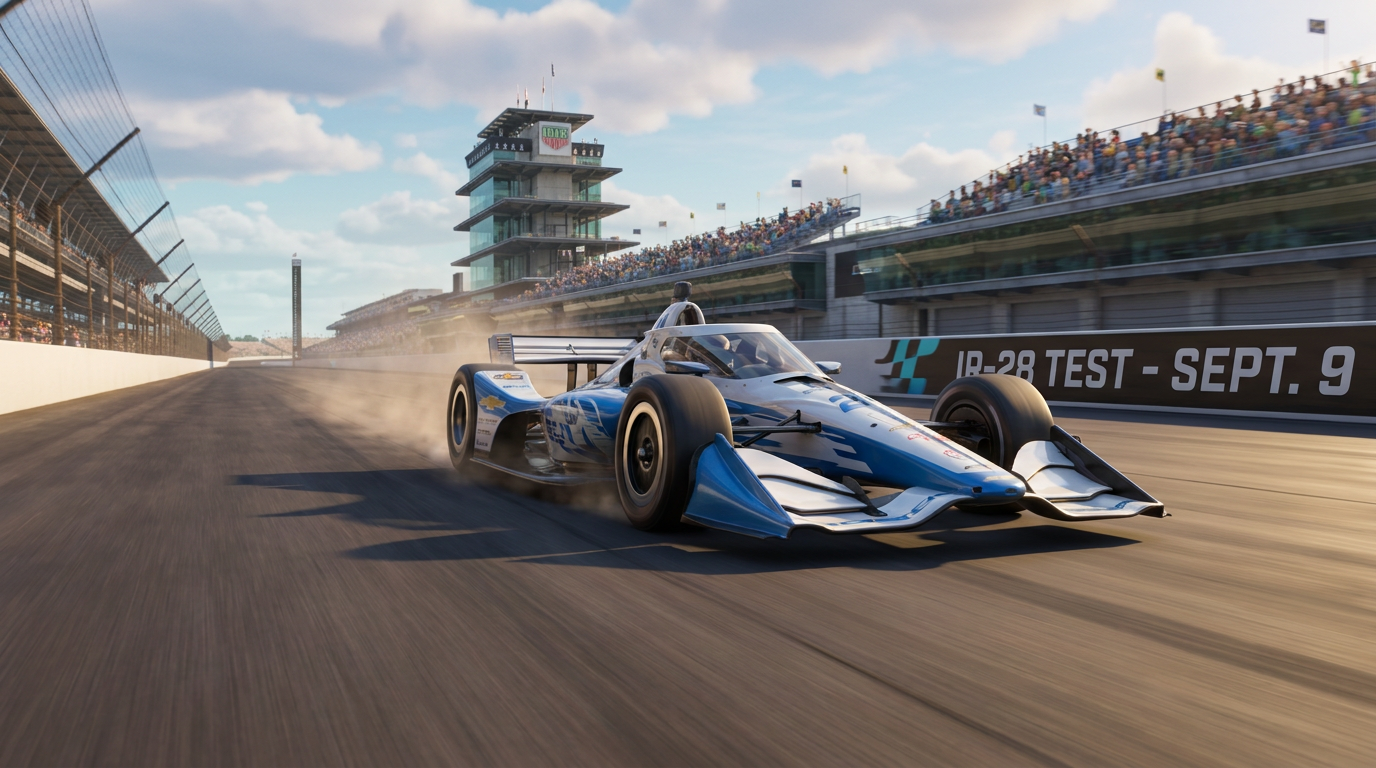
The IR-28 provides a template. Alexander Rossi completed its first superspeedway test at Indianapolis Motor Speedway on September 9, with Palou following on September 10. The chassis is due to race in 2028. IndyCar should make future development milestones easier to track by publishing dates and defined objectives in advance whenever competitive confidentiality permits.
Palou’s rivals need higher standards
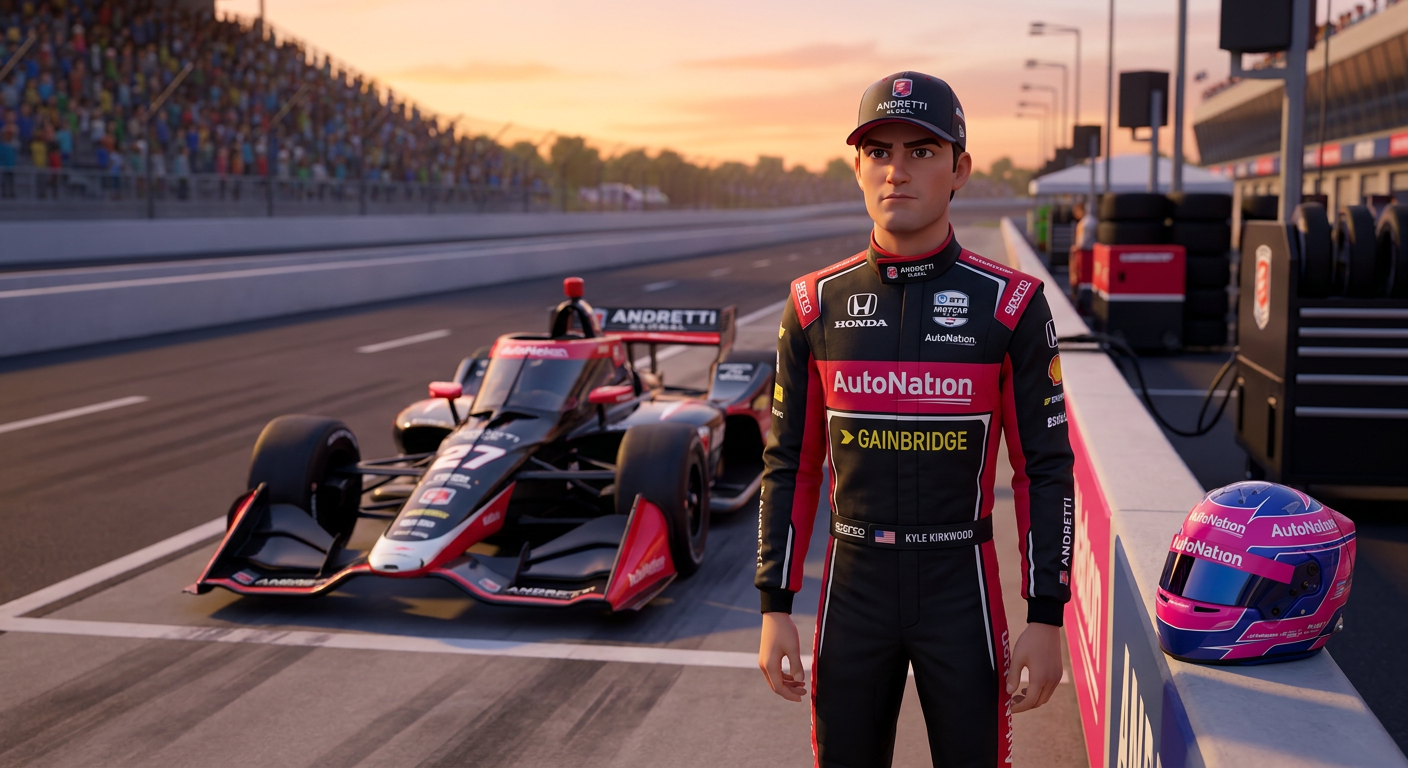
The final standings also show why audience growth cannot carry the championship by itself. Palou finished 86 points ahead of Kyle Kirkwood. Christian Lundgaard was 96 behind, Pato O’Ward trailed by 109 and Malukas ended the season 117 back.
Kirkwood secured a career-best second place with two wins, 10 top-five finishes and 15 top-10 results. Lundgaard also won twice and finished just 10 points behind him. O’Ward claimed three victories, including both Milwaukee races on August 30. Malukas led 282 laps and finished as Team Penske’s highest-ranked driver despite going winless.
The fight for second was fierce. The title race was not sustained.
Responsibility falls on the teams. IndyCar does not need to alter its scoring system to hold Palou back. His rivals must match the week-to-week execution that delivered 12 top-five finishes and 15 top-10s. Chip Ganassi Racing and strategist Barry Wanser, who has guided all five of Palou’s championship campaigns, have set the benchmark. The opposition must reach it.
Expansion must come with transparency
IndyCar awards points for race results, poles, laps led and other factors. As its digital reach grows, the series should explain those mechanisms more clearly during race weekends, particularly as a title battle takes shape.
Fans should receive immediate access to updated points scenarios and plain-language explanations of penalties. Technical failures affecting contenders also warrant prompt clarification. Greater transparency would not end debate. It would give that debate better information.
The same standard should apply to manufacturer competition. IndyCar should regularly explain how it assesses performance between Chevrolet and Honda while protecting confidential engineering information. Earned dominance is legitimate. A lack of communication about parity creates needless suspicion.
Build a calendar that retains its audience
IndyCar enters the 2027 offseason with a five-time champion, an emerging challenger in Kirkwood and rookie winner Dennis Hauger, who scored 228 points before securing the No. 14 Homes For Our Troops Chevrolet at AJ Foyt Racing for 2027. Each offers a marketable storyline.
The series should publish a defined schedule of offseason events and provide its growing audience with regular, substantive updates. The next confirmed milestone is already set: the IR-28 will make its competition debut at the start of the 2028 IndyCar season.