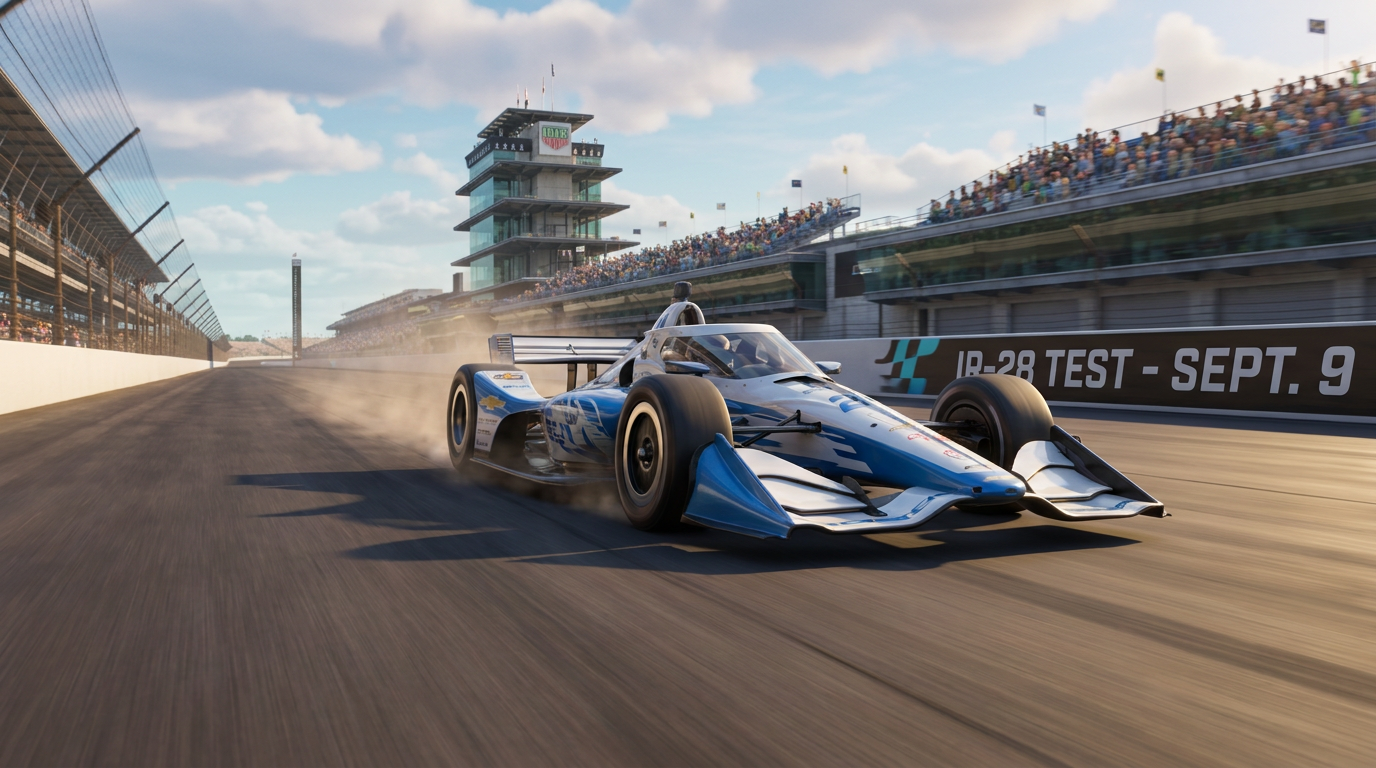
IndyCar's first IR-28 oval test at Indianapolis must start a development program focused on closer racing, multiple lines and manufacturer parity.
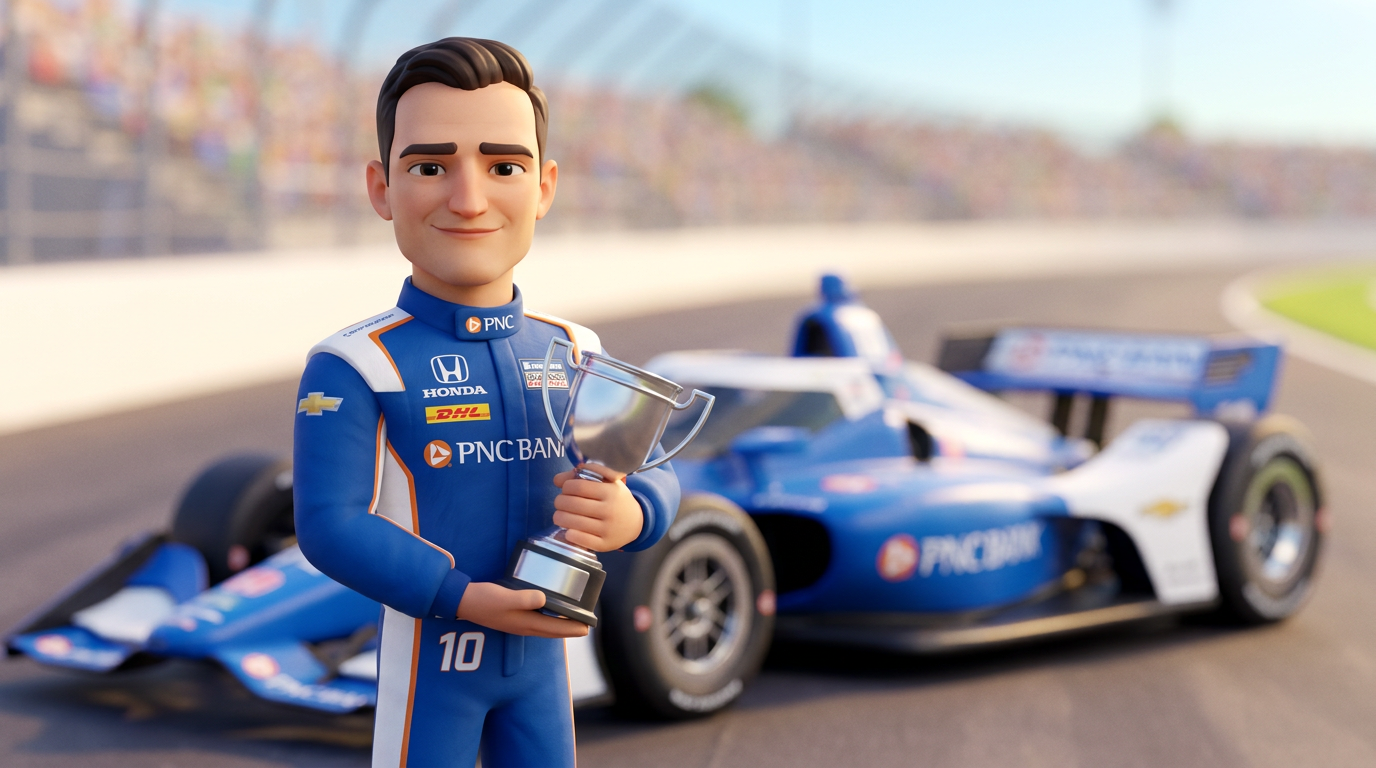
IndyCar gave IR-28 its first Indianapolis Motor Speedway oval test on Wednesday, Sept. 9, with Alexander Rossi driving for Chevrolet before five-time champion Alex Palou handled Honda duties Thursday. Those laps must launch a racing-first development program, with every major choice measured by what fans see on track.
The target must be measurable
A new chassis won't improve IndyCar simply by looking different. IR-28 must reduce aerodynamic wake, support multiple oval lines and allow drivers to attack braking zones without immediately overheating the tires.
IndyCar should set out clear development priorities before the next major test. Green-flag passes, lead changes and the ability to follow closely would give fans practical measures of progress. Technical milestones matter, but they don't show whether the car creates better racing.
Better competition must be the mission.
Laguna Seca revealed the opportunity
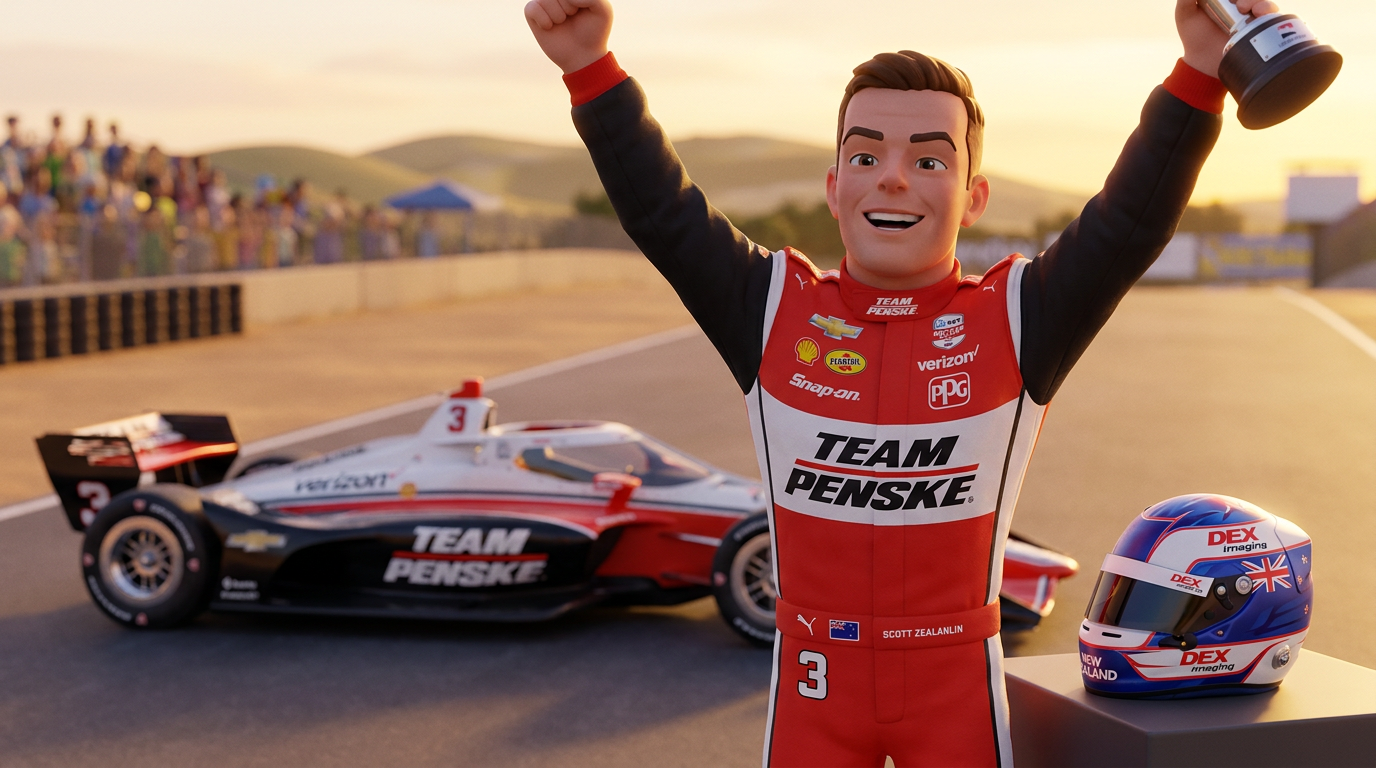
Sunday's season finale showed the competitive depth already present in IndyCar. Scott McLaughlin led all 95 laps from pole and won in 1:59'29.6163 at an average speed of 106.756 mph. Kyle Kirkwood finished 1.3739 seconds behind to secure second in the championship, while Rossi earned his only podium of 2026.
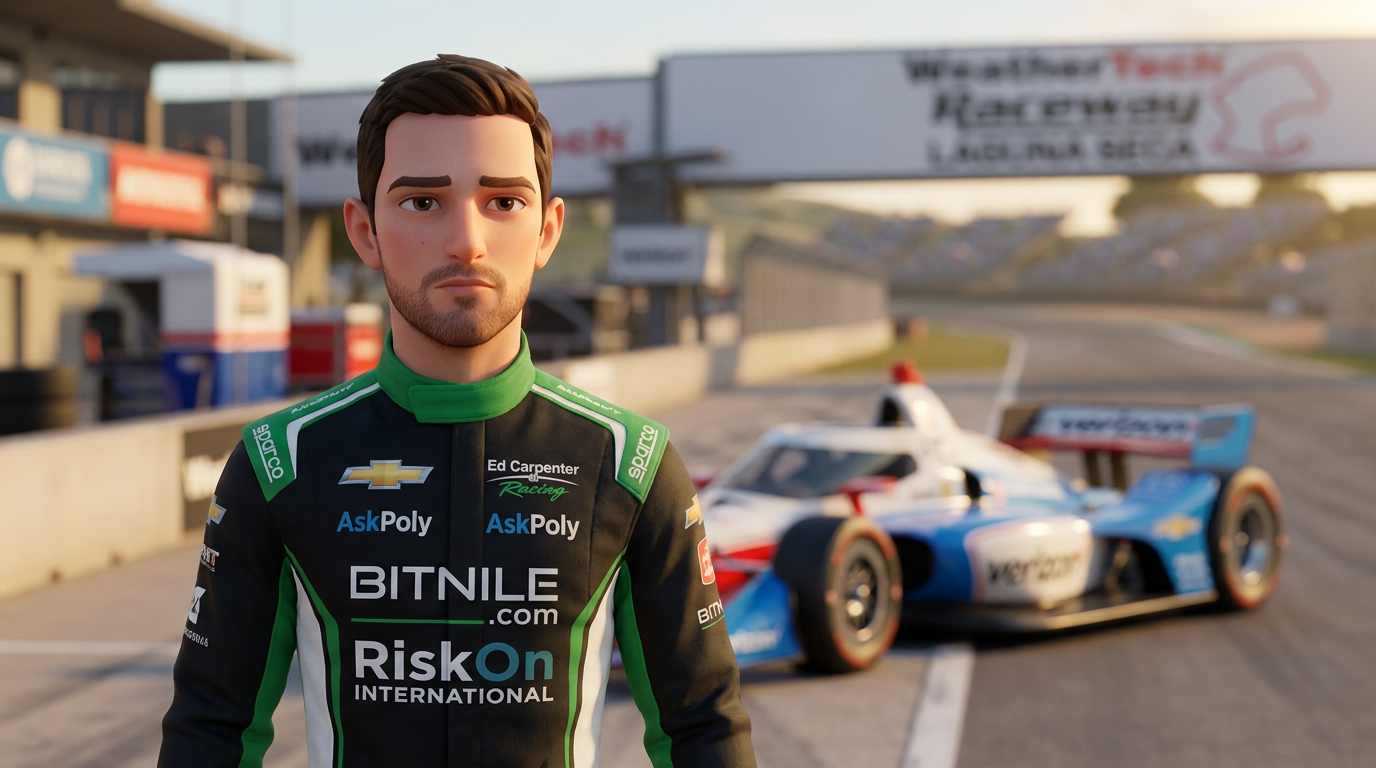
Felix Rosenqvist finished fourth, 5.2886 seconds behind McLaughlin. David Malukas followed in fifth to complete a run of three consecutive top-five finishes. That group gives IndyCar several credible stories beyond Palou, who placed eighth after securing his fifth title at Milwaukee.
IR-28 must make that depth easier to see during races. A field packed with capable drivers loses value when dirty air or narrow setup windows limit direct battles.
Oval racing needs options, not artificial chaos
Milwaukee showed the appeal and the problem. Pato O'Ward swept the doubleheader, while Palou clinched the championship in Race 2 despite finishing 10th. Ovals can reward precision and tire management without depending on tightly packed, high-risk racing.
IR-28 should be developed for multi-groove competition. That requires manageable tire loads and enough aerodynamic stability for drivers to use a second line, especially during long green-flag runs. IndyCar shouldn't pursue raw passing totals when those moves come from excessive drafting or artificial instability.
Manufacturer parity belongs in the brief
Honda won every IndyCar street race in 2026. Kirkwood completed the sweep in Washington by leading 128 of 147 laps, with Chevrolet drivers Christian Lundgaard and Will Power finishing second and third.
One manufacturer sweeping an entire circuit category is a warning. IndyCar doesn't need conventional balance-of-performance adjustments, but it needs tighter controls in areas where engine drivability, mapping or traction delivery produces a persistent advantage.
IR-28 testing must distinguish chassis improvements from powertrain differences. Rossi and Palou are logical development choices because both completed earlier road-course work, but IndyCar should explain what each test measures and how it compares the two manufacturers.
Rossi's role deserves context
Rossi's third place at Laguna Seca was his first top-three finish of the season, yet Chevrolet trusted him with the opening IMS oval session. That decision needs no apology. Development driving requires precise feedback and disciplined test execution, qualities that a championship position doesn't fully capture.
Transparency would still improve the program. Fans should be told why Rossi and Palou were chosen, which objectives they addressed and what changed from Wednesday to Thursday. Lap times can stay confidential while IndyCar makes the development logic public.
IndyCar must define success now
IR-28 will arrive in an era shaped by Palou's dominance, Kirkwood's rise and Team Penske's late rebound. McLaughlin ended a winless run dating to 2024 at Laguna Seca, while Malukas' closing stretch indicated Penske has another driver ready to contend.
IndyCar already has the talent. Its new chassis must allow those drivers to race in traffic, open alternative lines on ovals and create genuine passing opportunities on road and street circuits. After Palou completes Thursday's Honda running at Indianapolis, the next useful update should identify which racing problem IR-28 solved.