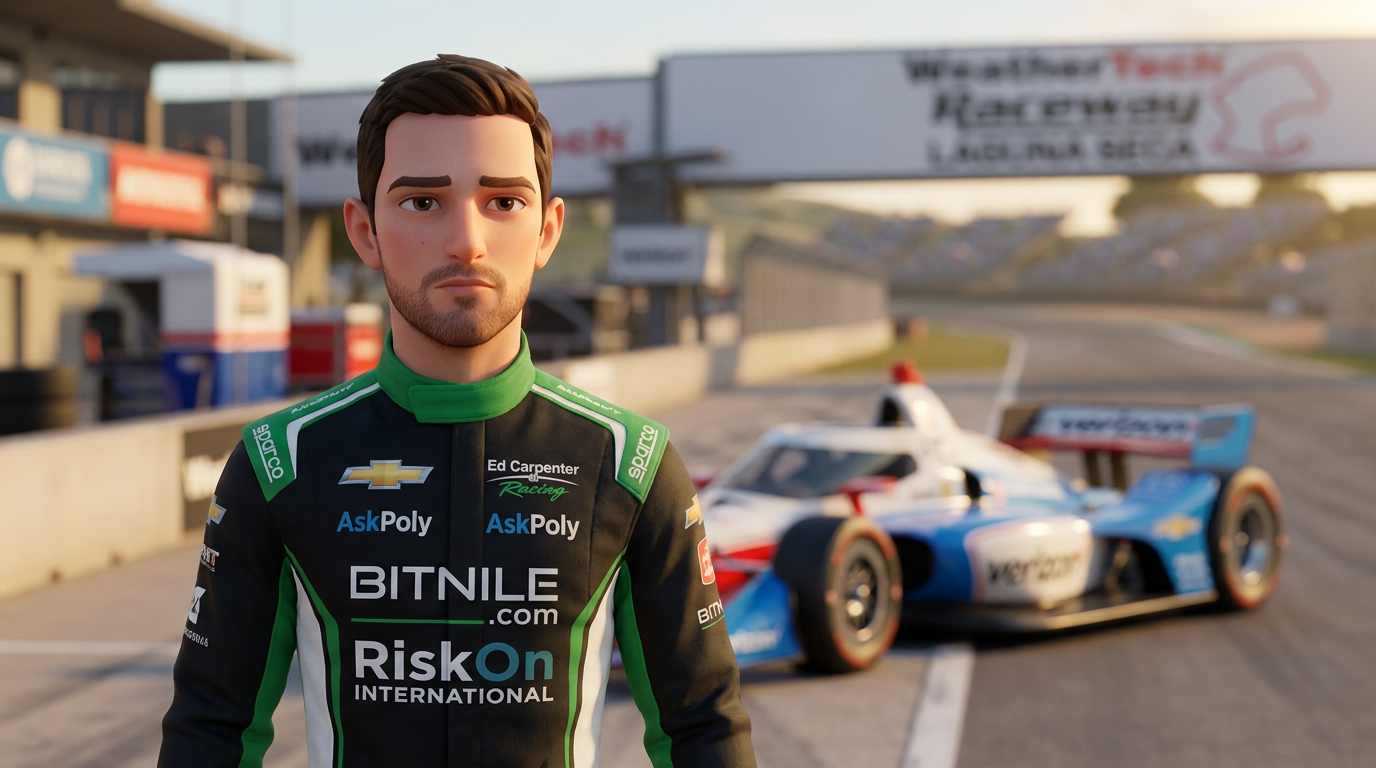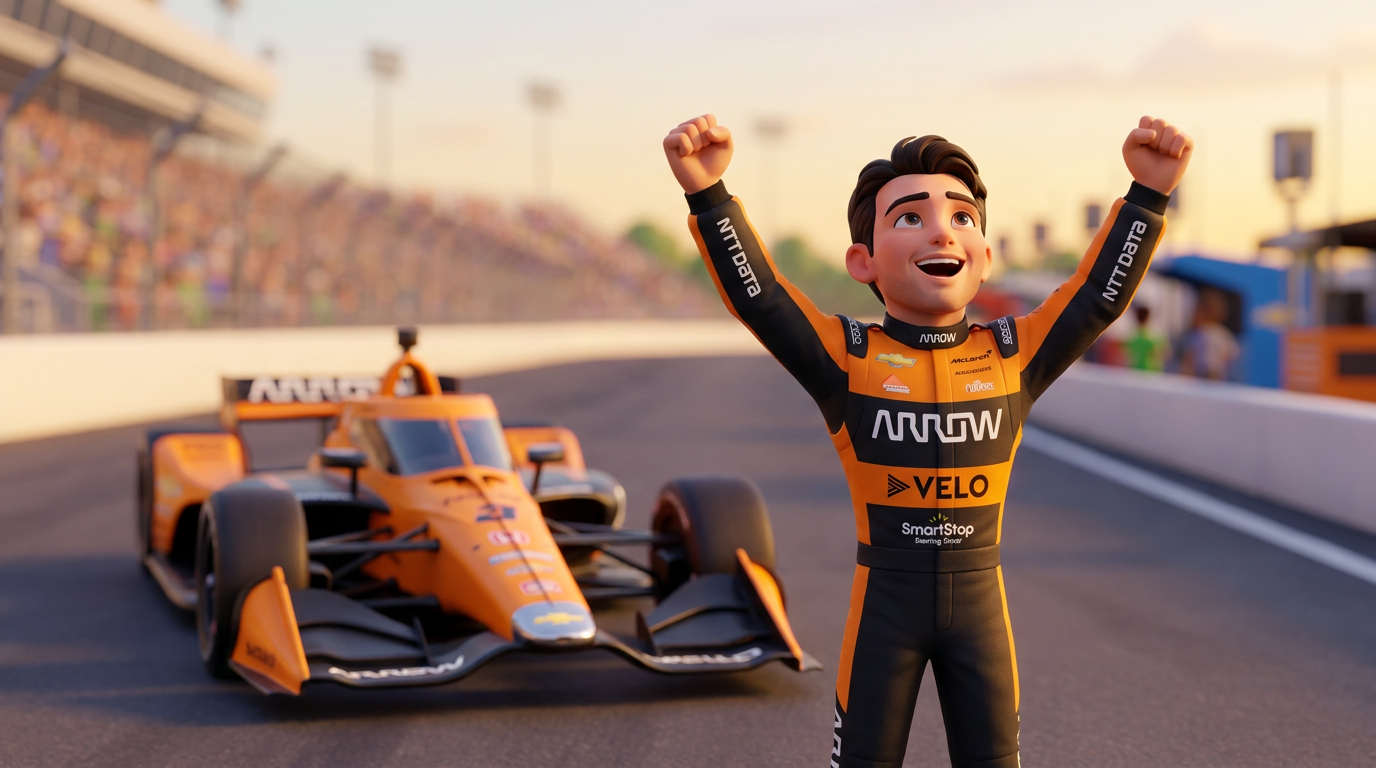
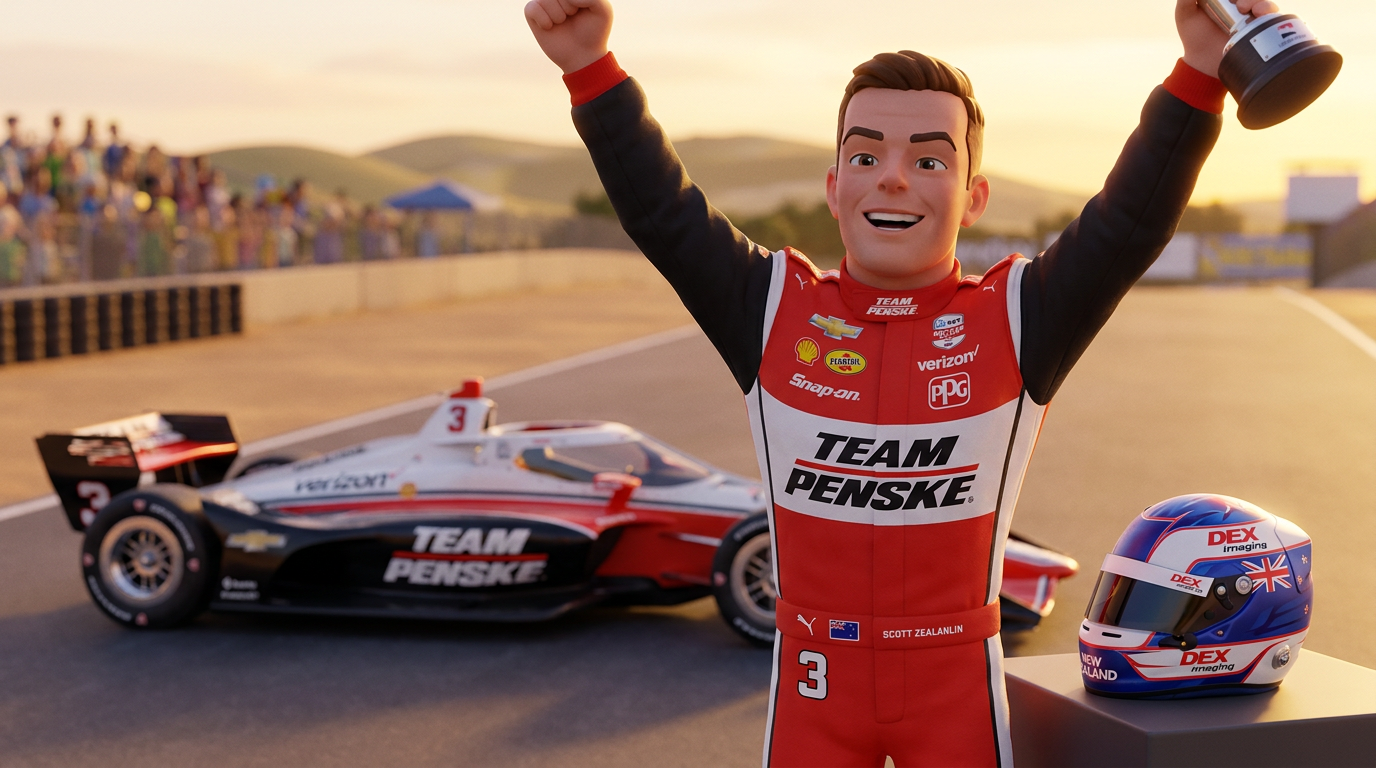
Scott McLaughlin’s dominant Laguna Seca win showed why IndyCar needs a secondary late-season prize without compromising the Astor Cup.
Scott McLaughlin led 87 of 95 laps at Laguna Seca on Sunday, September 6, ending a 36-race winless stretch with one of the season’s most emphatic performances. The verdict is clear. Once the championship is out of reach, IndyCar’s points system places too little value on late-season excellence.
A dominant drive deserved greater weight
McLaughlin took pole after beating Alex Palou by 0.0177 seconds in qualifying. He controlled the Mission Foods Grand Prix of Monterey from there, claiming his first victory since September 2024 at the Milwaukee Mile.
The result moved McLaughlin to sixth in the final standings with 482 points. It did little to affect the title picture, however, because Palou arrived as champion and ended the year with 631 points.
The race carried weight. The championship context didn’t.
IndyCar’s finale lacked a second prize
Four drivers entered the finale with a chance to finish second in the IndyCar standings. Kyle Kirkwood secured the spot by finishing runner-up at Laguna Seca, capping his best championship season with 545 points.
Christian Lundgaard finished third with 535, Pato O’Ward was fourth on 522 and David Malukas placed fifth with 514. Those gaps gave the finale a mathematical thread, but second place in the championship has limited public significance once the Astor Cup has been decided.
An artificial playoff isn’t the answer. An 18-race season should reward performance throughout all 18 events. IndyCar can give its finale greater meaning by adding a defined competitive reward for the fight behind the champion.
Reward the best late-season performers
The proposal is straightforward. IndyCar should establish a separate final-rounds award, scored over the closing part of the schedule, with prize money and a tangible sporting benefit that doesn’t distort the championship.
A guaranteed preseason test allocation is one option. Additional tire sets at selected tests offer another. Any reward must help teams prepare without altering race results or awarding bonus championship points.
McLaughlin’s season-ending victory supports the case. He closed the campaign with one victory, three poles, seven top-five results and 189 laps led. That record doesn’t represent championship form over a full season, but his late charge is exactly what the series should encourage and promote.
Keep the Astor Cup pure
Palou earned his fifth title with six wins, eight poles and 673 laps led. He beat Kirkwood by 86 points. No reset or playoff should wipe away that season-long record.
A separate late-season honor avoids that outcome. It gives fans another clear contest and teams outside the championship fight a concrete objective, while preserving the champion’s full-season achievement.
IndyCar already awards points for race finishes, poles and laps led. A secondary competition would turn those existing results into another clear storyline without manufacturing random drama.
Laguna Seca showed what is being wasted
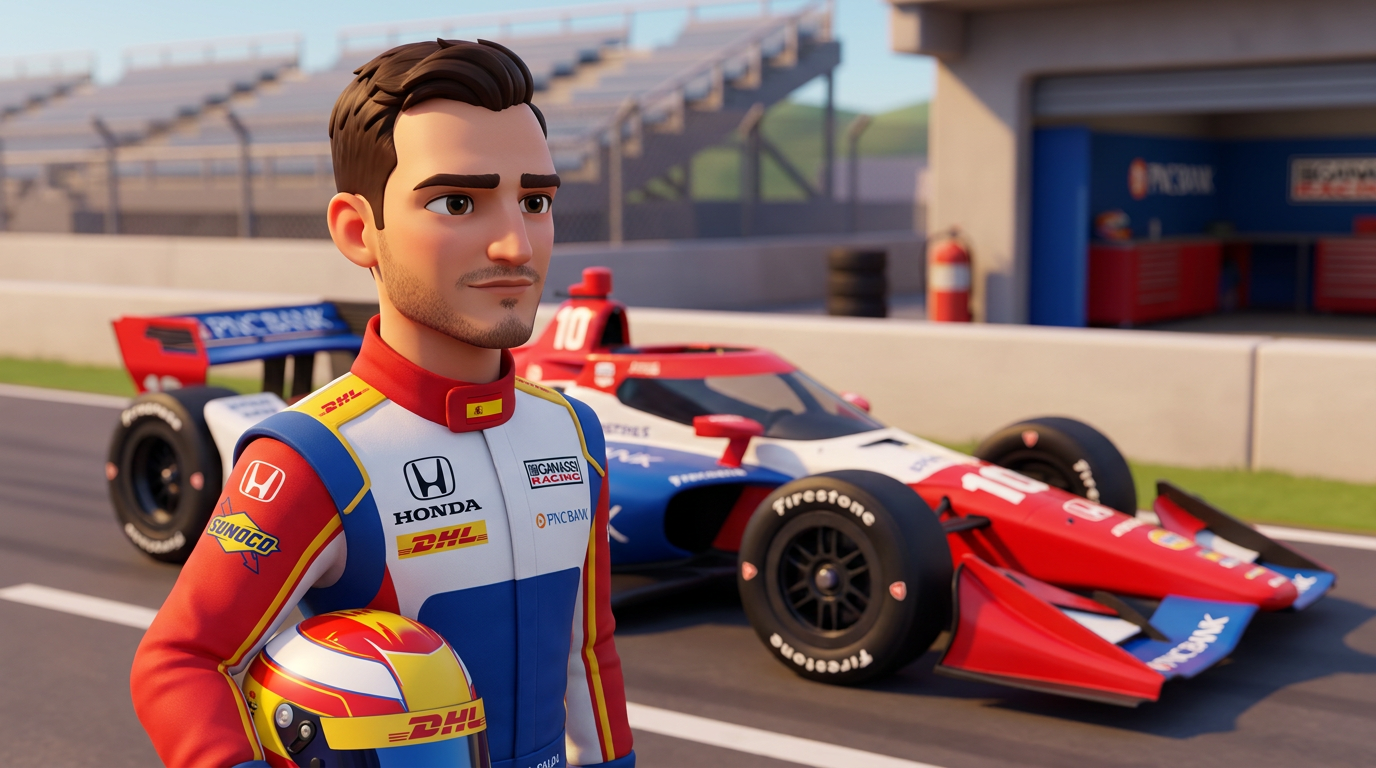
McLaughlin brought the speed and precision needed to end his long wait for victory. Alexander Rossi reached the podium after a difficult season, and Kirkwood secured second in the standings. The final race offered plenty worth rewarding.
IndyCar should formalize that value before next season starts. The 2027 campaign opens at St. Petersburg, leaving the series an offseason to create a late-season prize that gives the entire field something concrete to pursue through the final lap.