IndyCar’s tougher licensing rules are welcome, but funded drivers will keep blocking deserving talent unless the series creates a clearer route from Indy NXT.
IndyCar closed its 2026 season with a familiar divide. The championship rewarded sustained excellence, while the driver market renewed an uncomfortable question: Do talent and results carry enough weight in determining who reaches the grid?
Our verdict is clear. Stronger credential requirements are the right step, but IndyCar must go further. A series built around close competition cannot accept an opaque pathway where funding outweighs performance.
The licensing change is overdue
Under the tougher standard, a driver must contest at least 12 Indy NXT races before establishing eligibility through the ladder series. The Indy NXT champion, top three finishers and any driver with at least two victories during the previous 24 months will be designated “Competitively Qualified.”
That is progress.
The assessment can consider pace, consistency and car control. Racecraft, traffic management, procedural competence and communication with engineers also factor into the process. Those are sensible measures for deciding whether someone is ready for IndyCar, and they provide grounds to reject a well-funded applicant who hasn’t shown sufficient ability.
Discretion, however, requires transparency. IndyCar should publish a clear explanation whenever a driver qualifies through an evaluation instead of meeting the stated Indy NXT benchmarks. Fans and ladder competitors deserve to know how officials applied the standard.
The championship rewarded real performance
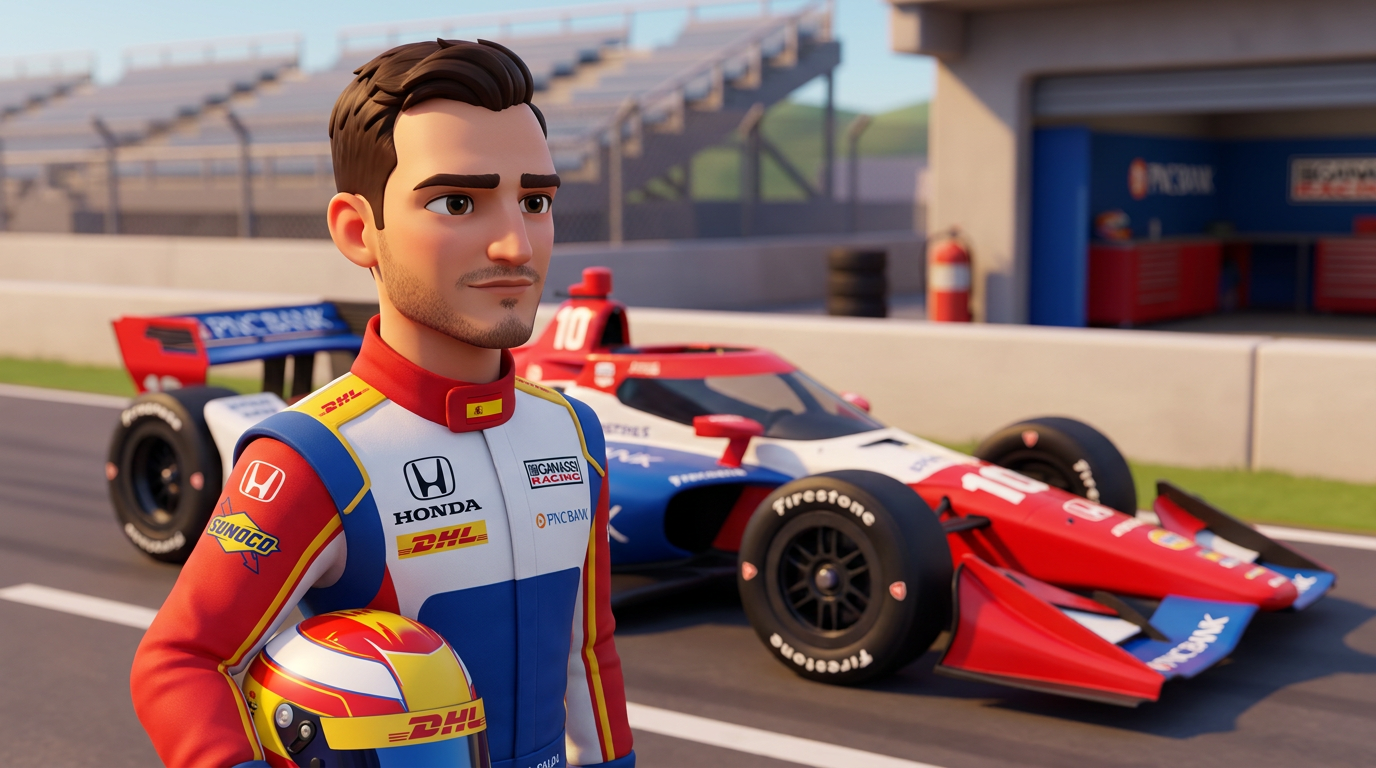
Alex Palou’s fifth championship, celebrated at Victory Lap on Sept. 7, provided a clear example of a merit-led order. His fourth consecutive crown tied the series record, while his 2026 campaign produced six wins and eight poles.
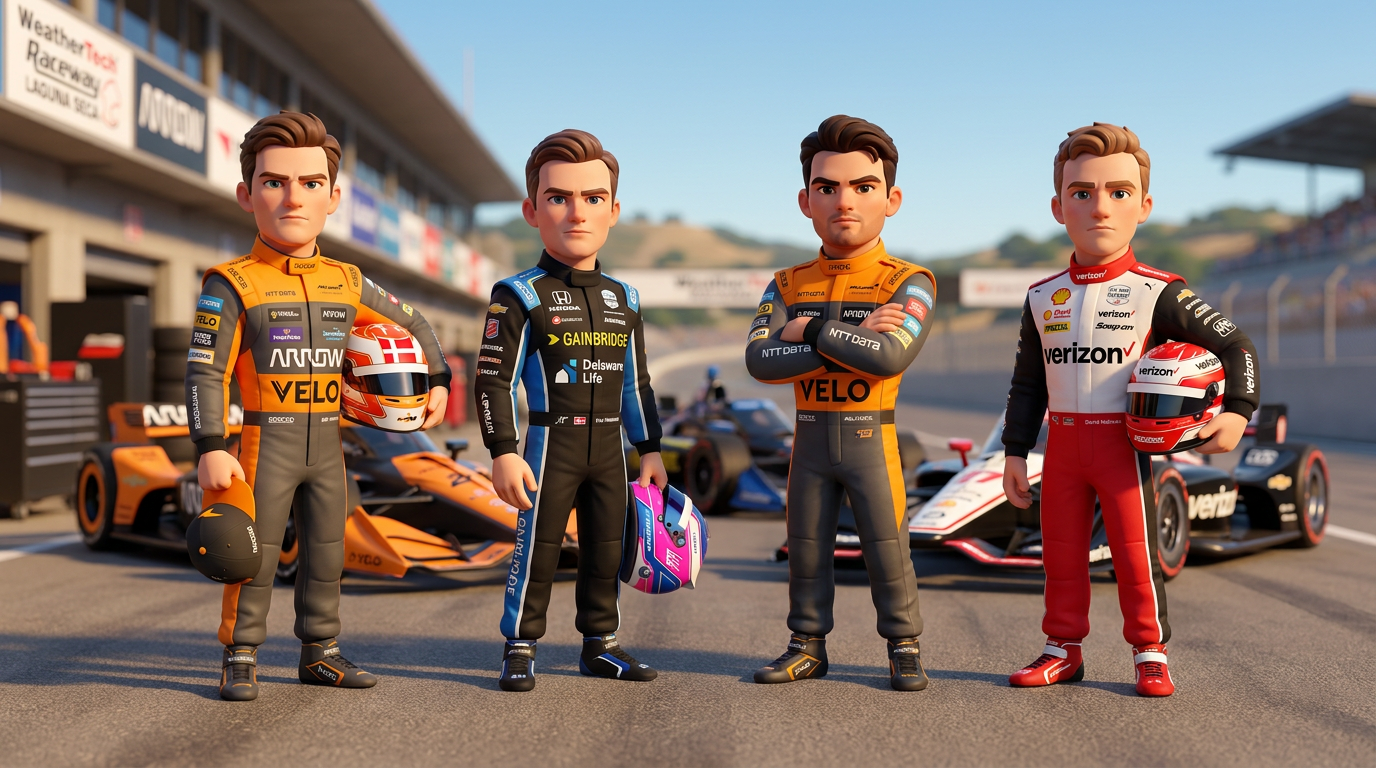
Palou finished 86 points ahead of Kyle Kirkwood. Christian Lundgaard, Pato O’Ward and David Malukas completed the top five. This was not a random order created by one chaotic afternoon. The leading positions reflected delivery across the season.
Honda secured the manufacturers’ championship, and Dennis Hauger earned Rookie of the Year honors. Both awards gave further examples of results determining recognition.
Penske’s finale exposed its inconsistency
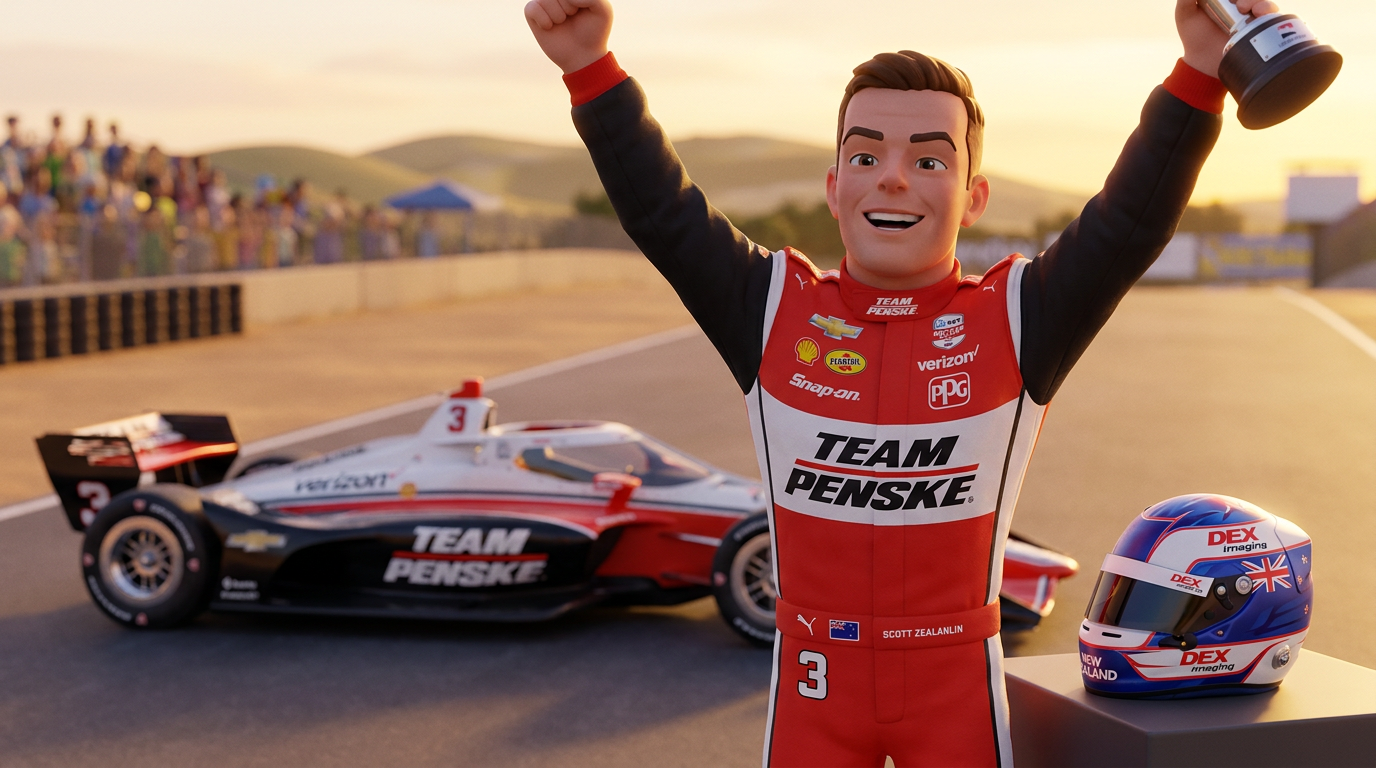
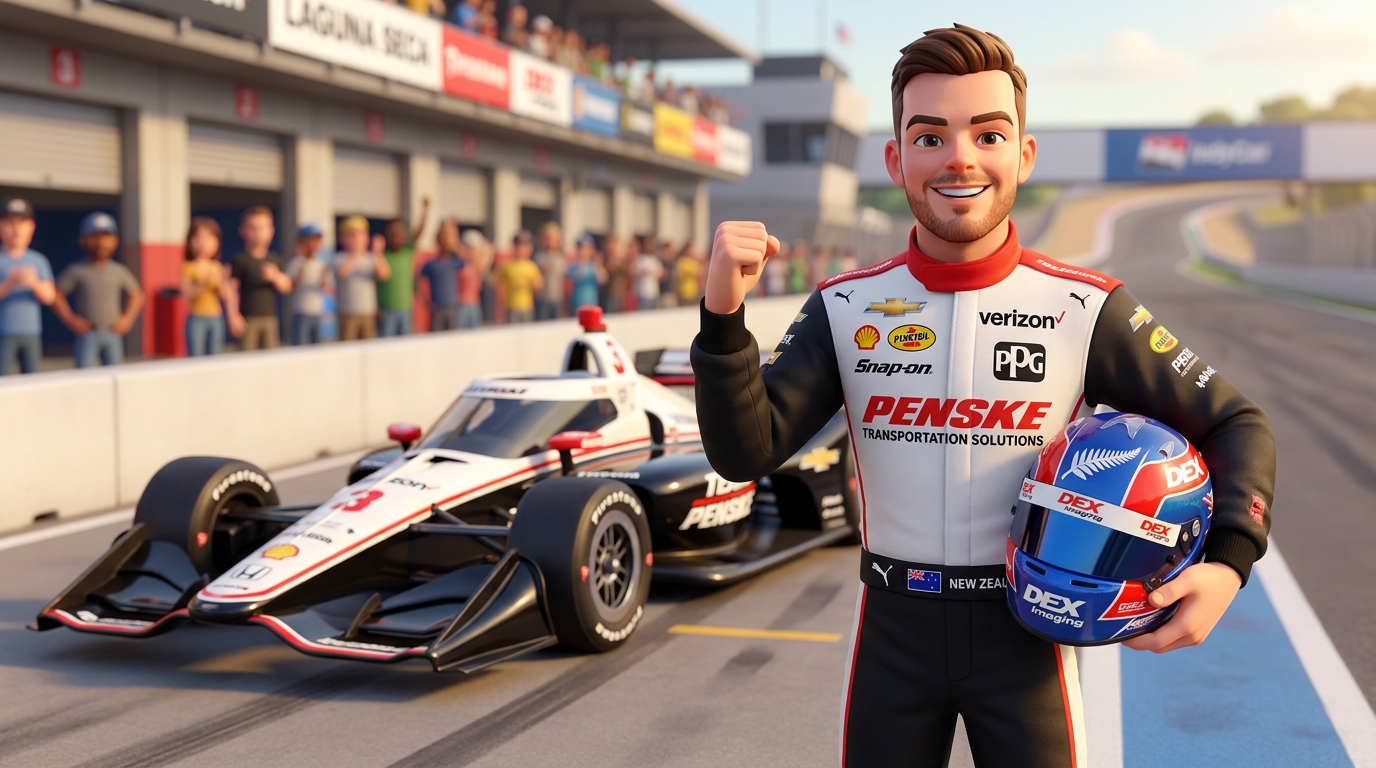
Scott McLaughlin started from pole and beat Kirkwood by 1.3739 seconds at Laguna Seca on Sept. 6. The victory ended a 36-race winless run and was the eighth of his IndyCar career.
It showed Team Penske’s ceiling. It did not wipe away the season that came before it.
McLaughlin finished sixth in the championship, one place behind teammate Malukas. The latter’s fifth place was a career best and made him Penske’s leading driver in the standings during his first year with the team. That result should carry significant weight in future lineup decisions.
A famous name or an established internal hierarchy cannot outrank the stopwatch. Penske should view Malukas’ result as proof that its competitive order is open, rather than as an inconvenience that needs managing.
Indy NXT needs a credible reward
The wider rookie results show why licensing rules alone cannot repair IndyCar’s pathway. The three rookies sat 22nd, 23rd and 24th in the standings entering Laguna Seca. That grouping says plenty about access to competitive equipment, as well as driver preparation.
IndyCar can certify an Indy NXT graduate as ready, but the designation carries little value if that driver cannot land a viable seat. The series needs a published ladder framework explaining how strong Indy NXT results lead to testing opportunities and serious consideration for full-time drives.
Teams will always take commercial backing into account. Racing costs money. Trouble starts when financial support replaces evidence of readiness instead of forming one part of a broader decision.
The 2027 market raises the pressure
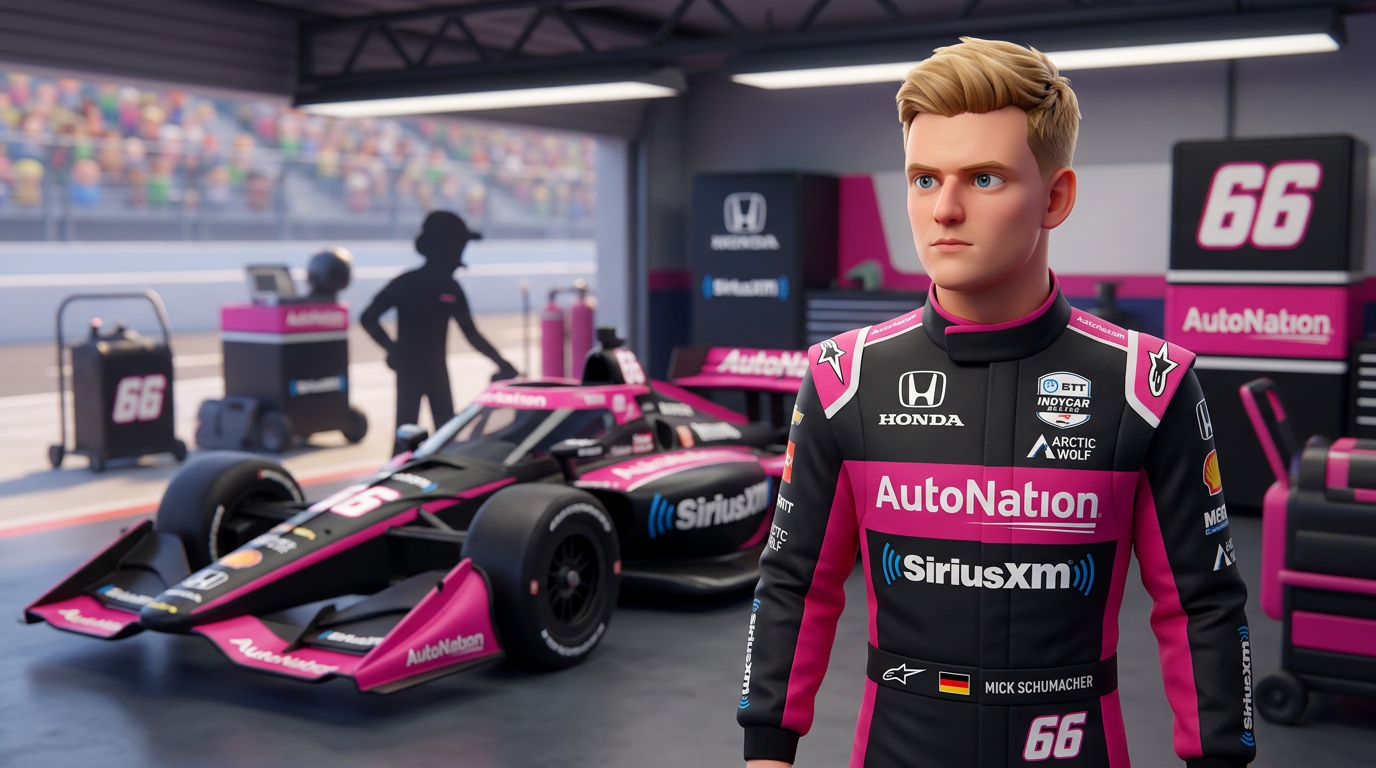
Mick Schumacher’s confirmed move to Meyer Shank Racing for 2027 brings another established name into an active driver market. His arrival puts greater pressure on IndyCar to demonstrate that its domestic ladder still leads to meaningful opportunities.
We support the new eligibility threshold because earning an IndyCar seat should be difficult. The series must now make its evaluations visible and link Indy NXT achievement to genuine opportunities, starting with the roster decisions teams make for 2027.