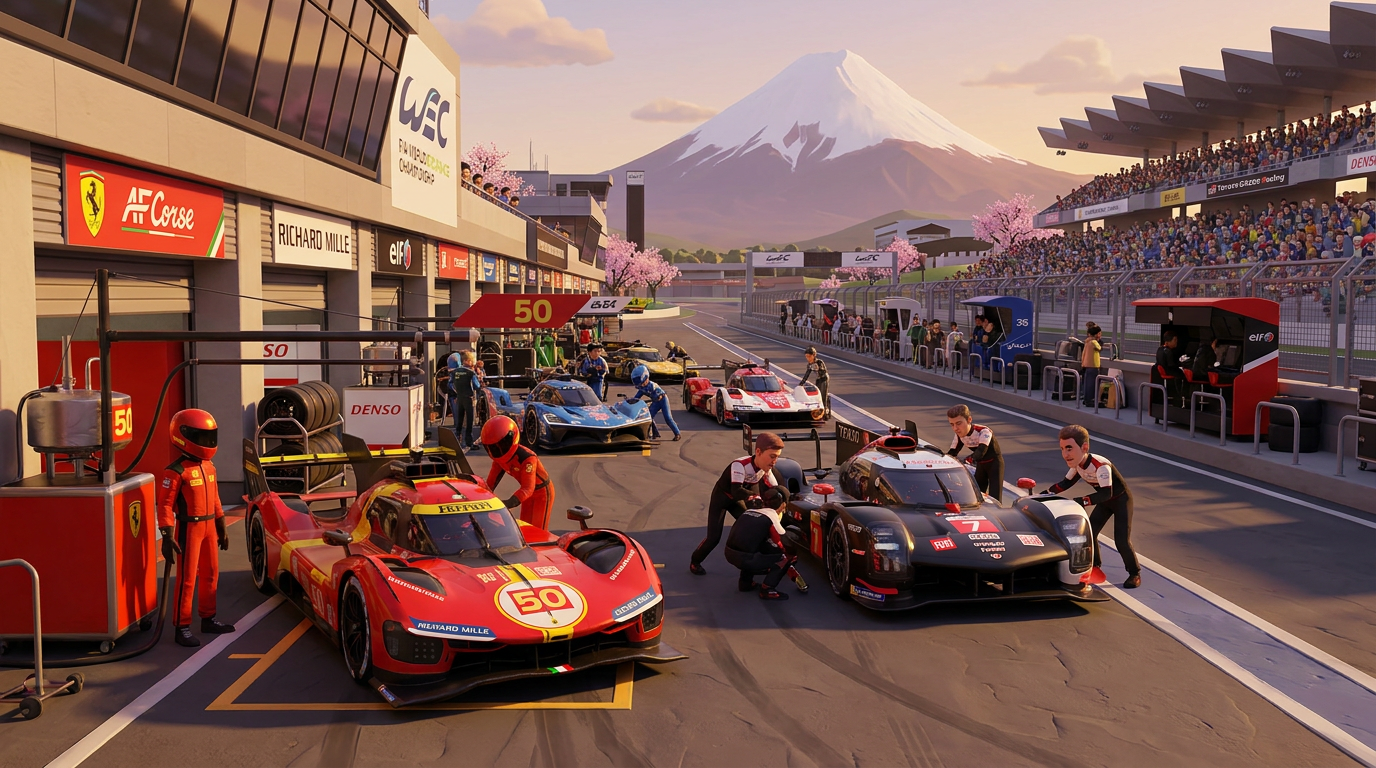
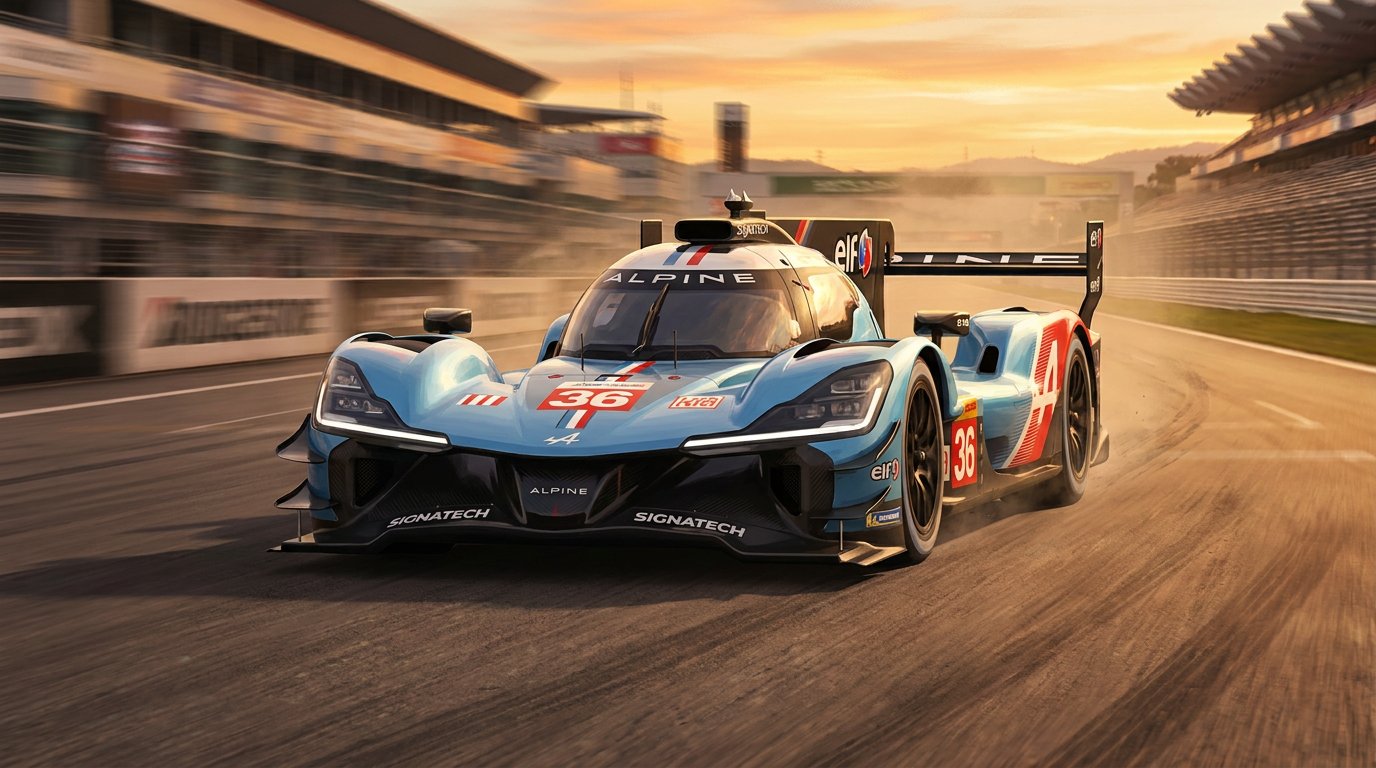
Alpine’s decision to protect both cars at Fuji cost its leading crew victory by 0.591 seconds, placing team orders and strategic risk at the center of the FIA World Endurance Championship run-in.
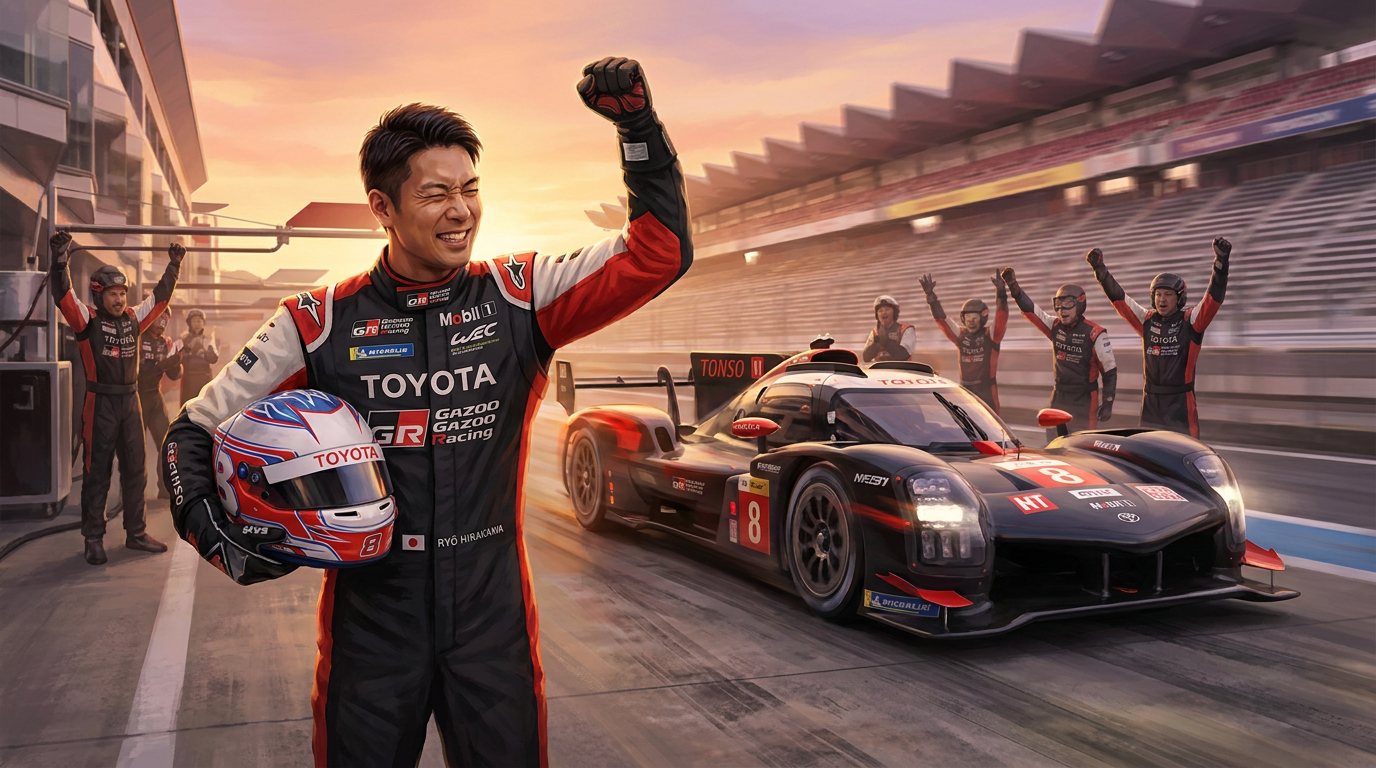
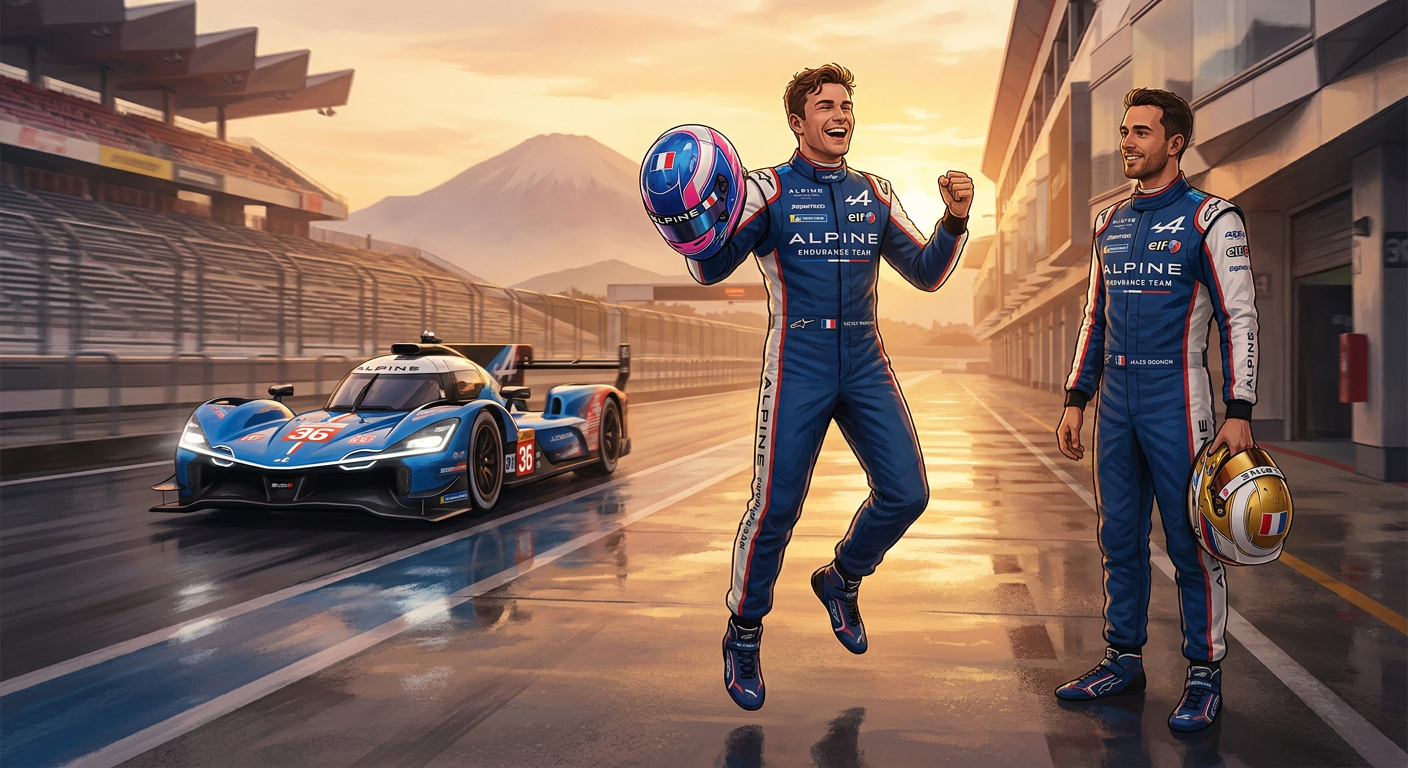
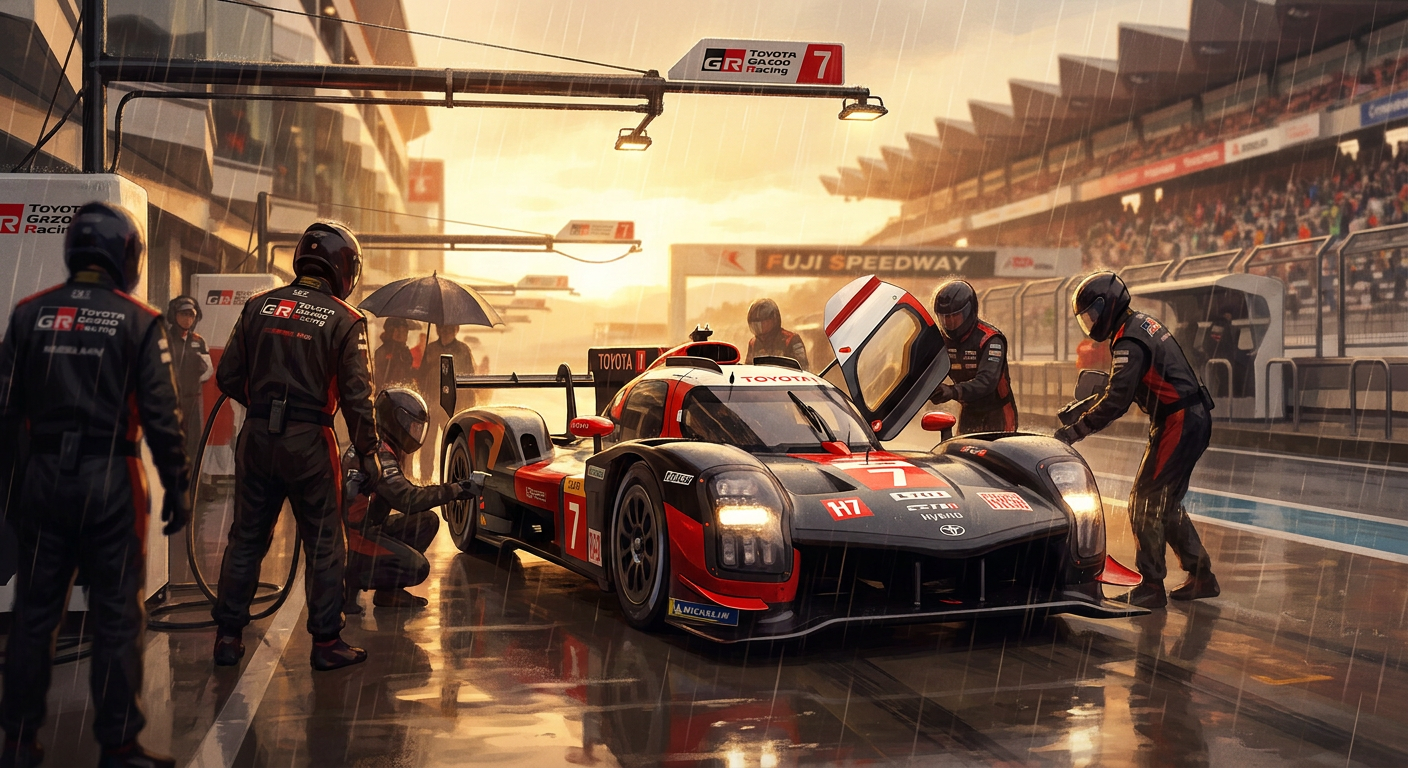
Toyota converted an informed late gamble into victory on Sunday, September 27, with Sébastien Buemi, Brendon Hartley and Ryo Hirakawa. Jules Gounon and Victor Martins finished second for Alpine, while Kevin Magnussen, Raffaele Marciello and Dries Vanthoor took third for BMW.
The finishing order is settled. The strategic tension now shifts to Barcelona on October 18, the first of two remaining 2026 rounds.
Alpine drew a firm line at Fuji
Alpine didn’t want to sacrifice a car during the closing phase at Fuji. That choice left Gounon and Martins exposed to Toyota’s alternative call as a late safety car changed the race.
The margin made every decision visible.
A manufacturer running two Hypercars can use one entry to support the other through pit timing, track position or a change in running order. Alpine declined to take that route in Japan, even with one crew positioned to win. Its approach preserved the prospects of both entries rather than committing the wider operation to one car’s result.
That position now carries directly into the final two races. The confirmed information does not include a numerical post-Fuji championship table, so no points lead or deficit can be assigned. What is clear is that a standard WEC victory pays 25 points, leaving substantial movement available at Barcelona and Monza.
Toyota chose risk over track position
Toyota’s winning decision followed an Austin setback that prompted reliability updates to its Hypercar before Fuji. At home, the No. 8 crew then used a different late strategy to overhaul Alpine after the safety car reset the contest.
That sequence gives Toyota a clear operational choice for the next round. It can split strategies again, creating separate pit windows for its cars, or prioritize the crew best placed in the drivers’ championship once the race develops.
Fuji showed the potential reward from staying out of sequence. An undercut requires a car to pit first and use fresher tires to gain time before a rival stops. An overcut keeps the car on track longer, seeking clean air, a tire-life advantage or intervention from a safety car. Toyota’s victory came from accepting the uncertainty around that late window rather than mirroring Alpine.
Barcelona will present the next test of that approach.
Ferrari has less room for disruption
Ferrari’s Fuji assessment was blunt: “Everything that could go wrong went wrong.”
The team now heads to Spain with fewer opportunities to recover from another compromised race. Barcelona on October 18 and Monza on November 8 are the only remaining events listed for the 2026 season, and both are standard six-hour rounds.
With 25 points attached to each race win, a contender cannot depend on an extended finale carrying the enhanced allocation used for an eight-hour or 10-hour event. The tactical emphasis therefore falls on maximizing each ordinary scoring opportunity.
For Ferrari, that places added importance on avoiding offset strategies that leave both cars vulnerable to the same caution period. Splitting pit windows can protect a manufacturer against changing race conditions, although it also risks putting one crew onto the slower plan. Any decision to consolidate behind one entry would depend on the confirmed standings and the running order during the race.
BMW’s podium adds another strategic variable
Magnussen, Marciello and Vanthoor’s third place kept BMW in the immediate Hypercar fight at Fuji. It also demonstrated how quickly a late neutralization can bring another manufacturer into podium range.
BMW now has reason to retain strategic flexibility rather than copy the leaders. An early stop can secure an undercut if tire performance drops, while extending a stint can preserve fuel options for the final hour. Neither route is guaranteed, especially when a safety car compresses the field.
Team WRT also won LMGT3 at Fuji with its No. 32 BMW. Augusto Farfus, Darren Leung and Sean Gelael collected the trophies, giving the operation a second set of strategic data from the same six-hour race.
Barcelona forces the team-order debate
The 6 Hours of Barcelona runs from October 16 through October 18 and will be the first WEC round held in Spain. It arrives three weeks after Fuji, followed by the Monza finale on November 8.
That short schedule gives teams two remaining chances to decide whether equal treatment still offers the best return. If one car loses time early in Barcelona, it can be moved onto an alternate tire or fuel sequence. If the other is fighting for victory, holding position may no longer be enough.
Alpine’s Fuji policy protected two results and missed one win by 0.591 seconds. The next call comes at Barcelona, where the first pit cycle will begin defining how long each manufacturer can keep both cars in play.