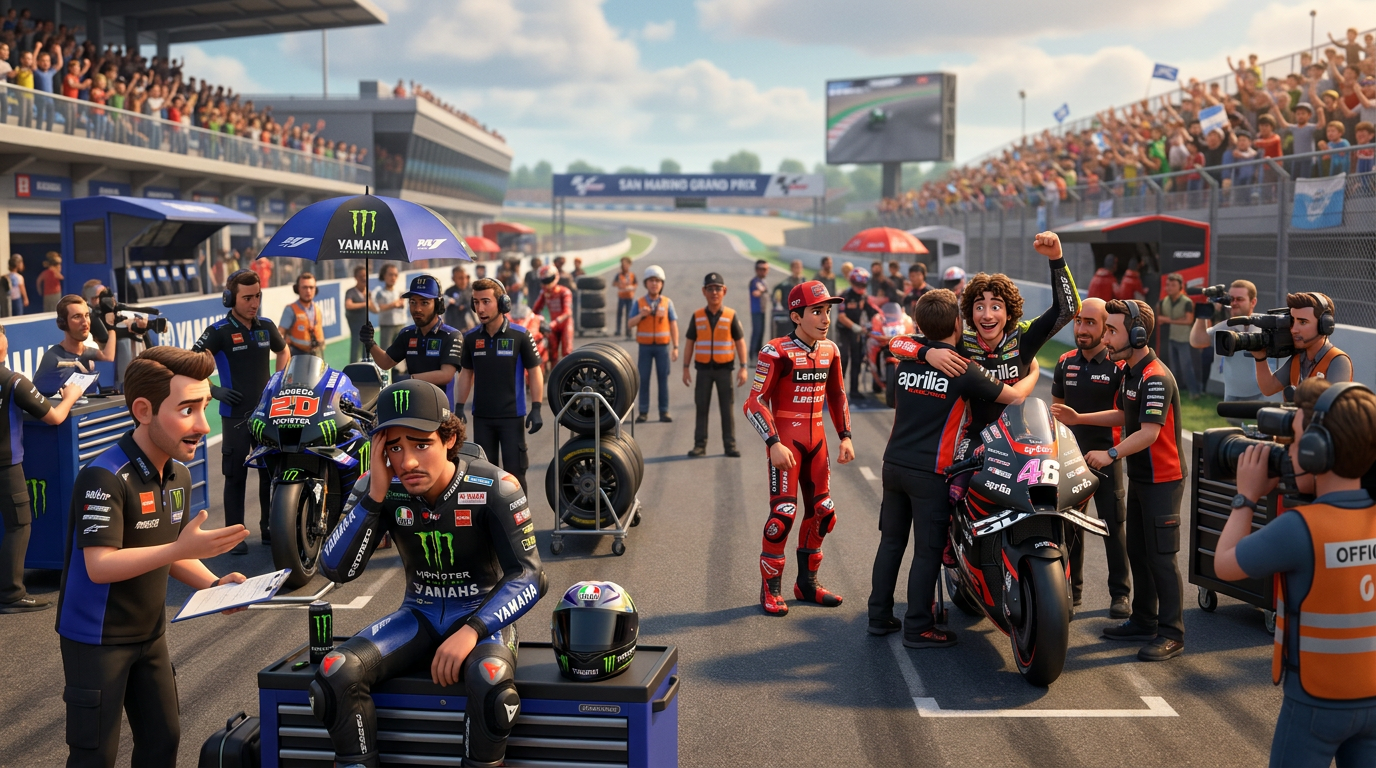
Bezzecchi’s record Misano pole displayed MotoGP’s speed, but Morbidelli’s 14 warnings and penalties show why stewarding reform must come first.
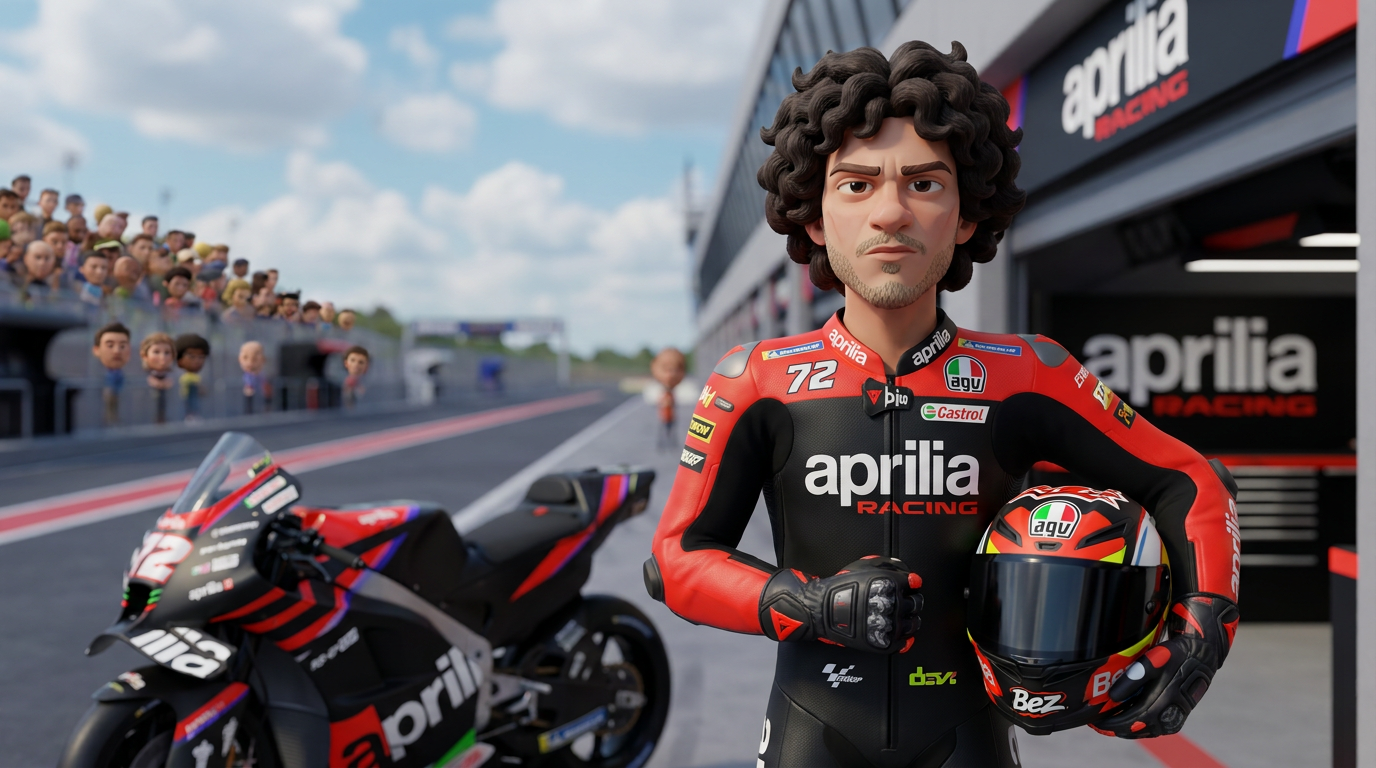
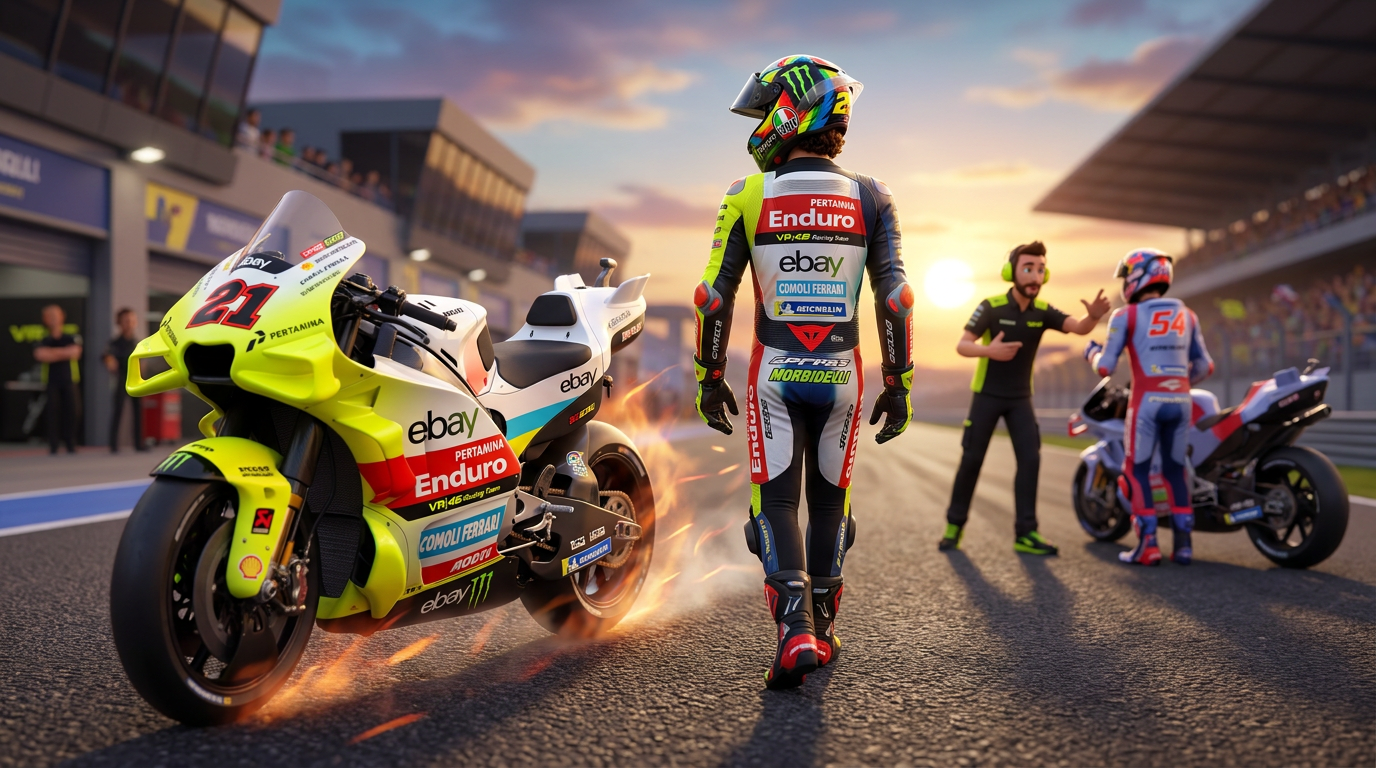
Marco Bezzecchi became the first MotoGP rider to lap Misano in under 1:30 during qualifying for the 2026 San Marino Grand Prix. That should define Saturday. Instead, another figure captures the regulatory issue threatening racing at this level of performance: Franco Morbidelli has received 14 warnings and penalties across two MotoGP seasons.
Our verdict is straightforward. MotoGP must fix its penalty system before considering whether the bikes need further restraint.
Bezzecchi shows what MotoGP already has
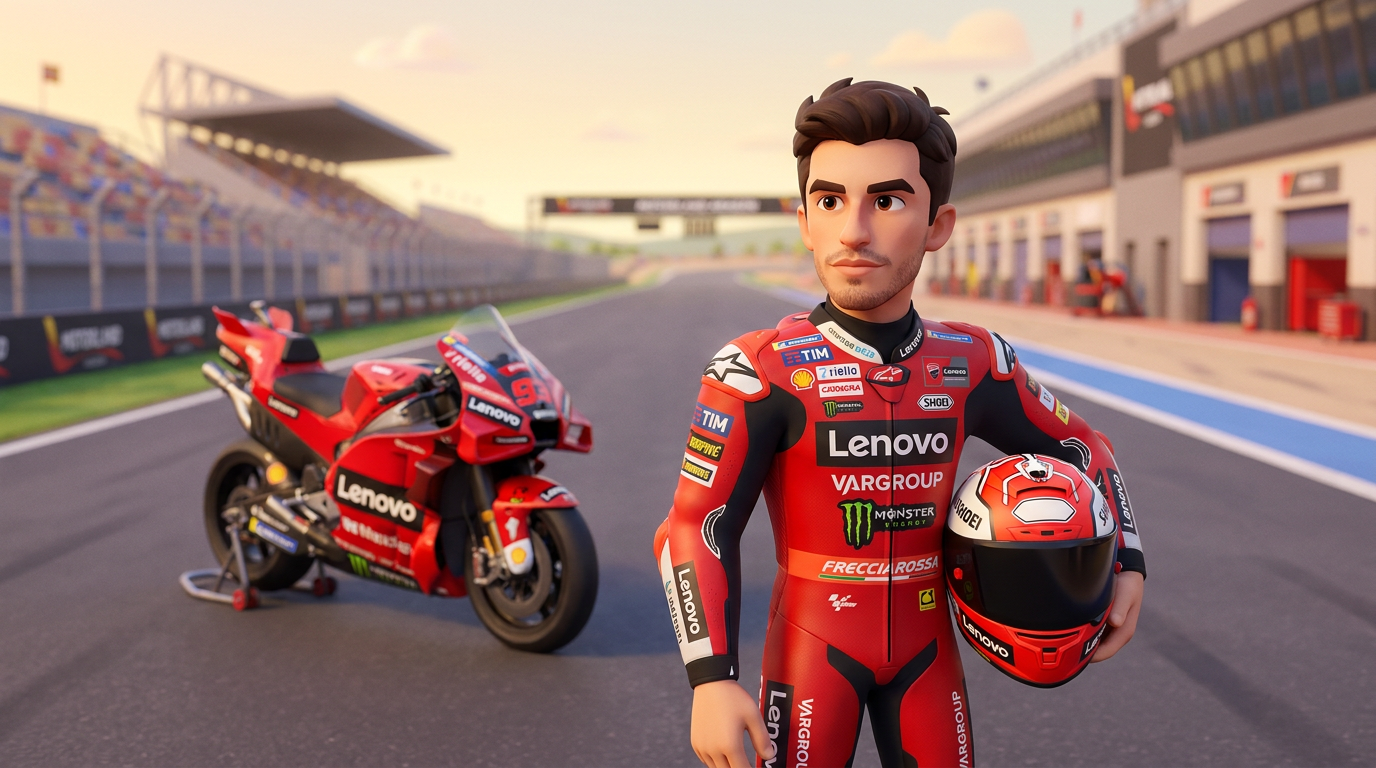
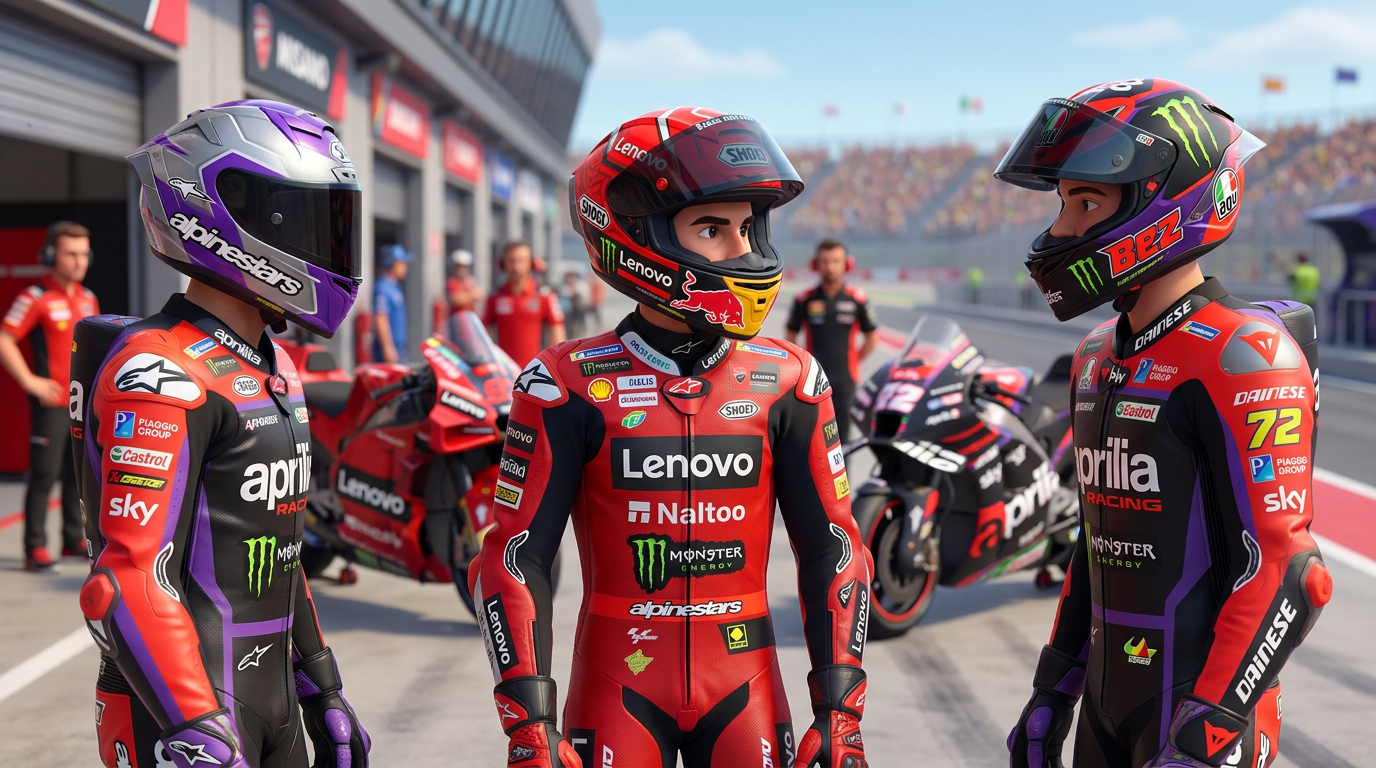
Bezzecchi put Aprilia Racing ahead of Marc Márquez and the Ducati Lenovo Team in Friday practice, reigniting the pair’s Misano duel from 2025. He followed that by breaking the circuit record in qualifying, while Márquez wrestled his Ducati onto the front row.
That battle needs no sales pitch.
A 4.2-kilometer circuit, a home rider aboard an Aprilia and a benchmark champion riding a factory Ducati generated genuine tension without intervention. The machinery produced the speed. Bezzecchi and Márquez created the contest, and MotoGP shouldn’t let an unpredictable disciplinary structure interfere with battles like this.
Morbidelli’s total demands attention
Morbidelli’s 14 warnings and penalties in two seasons reflect a system that too often turns accumulated infractions into a continuing subplot. This isn’t about claiming every decision involving Morbidelli was wrong. Viewers need to know whether contact will be treated as a racing incident or punished.
That uncertainty erodes trust.
Modern MotoGP funnels riders into narrow braking zones, while aerodynamic wake complicates corner entry and overtaking. A long lap penalty can remove a rider from the group entirely, trading a live fight for a sanction whose impact changes with each circuit layout.
Misano increases the exposure
Saturday’s sprint is scheduled for 15:00 local time and covers 13 laps. Around a 4.2-kilometer track, that amounts to approximately 54.6 kilometers of aggressive racing before Sunday’s grand prix.
Each additional start brings another opening lap. Every short race adds urgency because riders have less time to recover. That doesn’t excuse avoidable contact, but the rulebook must account for the format MotoGP created.
We don’t support reopening the entire sprint debate here. The immediate answer sits in race control, where sanctions should separate a genuine gain or consequential collision from marginal mistakes made during close combat.
A simpler ladder would improve racing
MotoGP should use long lap penalties and position drops for clear avoidable contact with consequences, or repeated track-limit violations that deliver a meaningful advantage.
Marginal track-limit offenses should bring post-race time additions. The penalty would still apply to a rider who crossed the defined boundary, while the active battle could continue. Officials should also publish a fixed warning reset mechanism after a specified run of clean events so old incidents don’t follow riders indefinitely.
That structure would be easier to understand and harder to dispute. It would also prevent the punishment from overshadowing the offense.
Speed is not Saturday’s enemy
Bezzecchi’s sub-1:30 lap will revive concerns about aero development and ride-height technology. Those rules warrant close scrutiny, particularly where dirty air limits overtaking, but outright pace isn’t the first problem to solve.
Qualifying produced an Aprilia against a Ducati, with Bezzecchi facing Márquez. The competition worked. Regulators should first make sure Sunday’s racing can play out without marginal calls tearing apart the fights created by record speed.
The next test comes immediately
The 13-lap Misano sprint will send the front row into Turn 1 with points on offer and little time for patience. Bezzecchi and Márquez have already made the contest compelling. At 15:00, race control must punish unmistakable wrongdoing, then let them race.