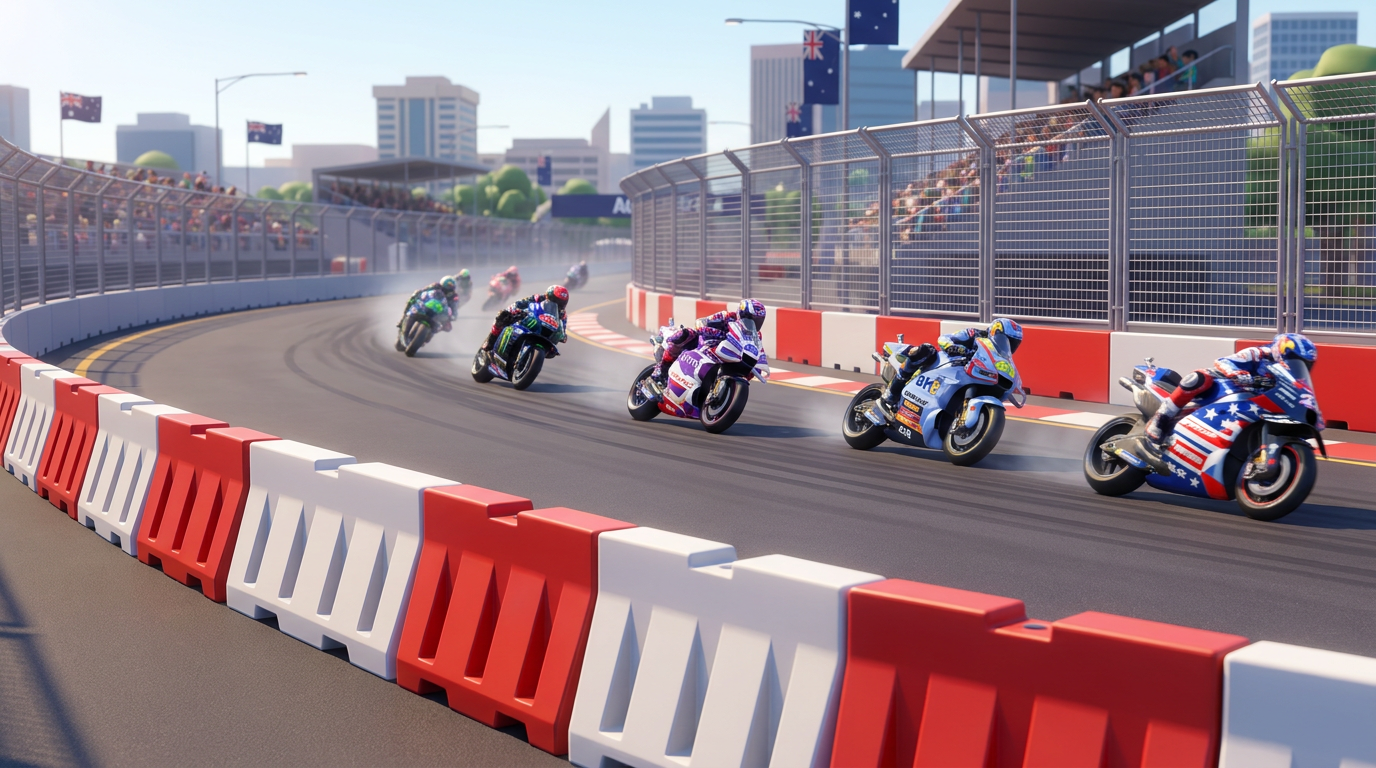
MotoGP should keep sprint racing, but fewer Saturday events and a smaller points allocation would protect riders and restore Sunday’s championship weight.
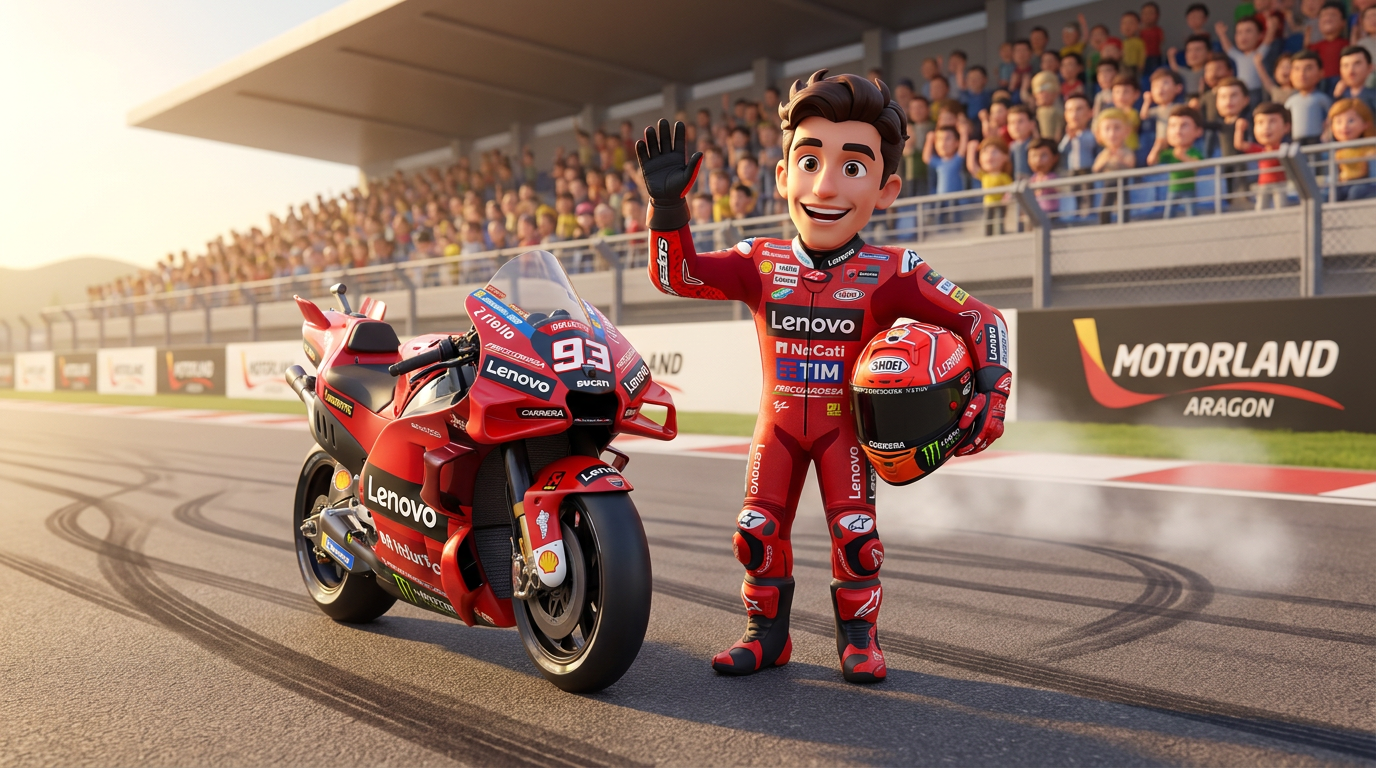
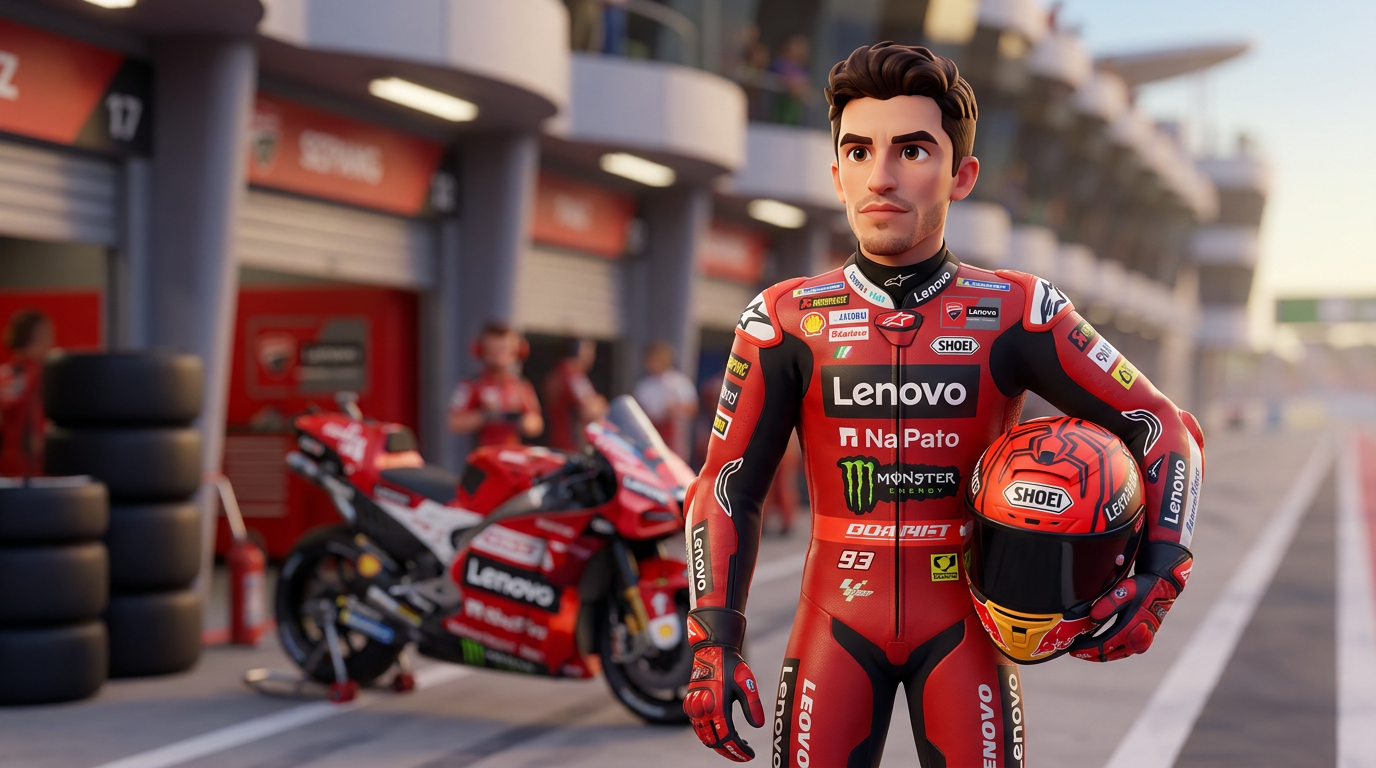
Marc Márquez took his record 20th MotoGP sprint victory at MotorLand Aragón on August 29, reinforcing our belief that Saturday racing now carries too much influence. Sprints should remain. They should not run at every Grand Prix with so much championship value attached.
The format is shaping the title
Márquez’s Aragón sprint victory left him 19 points behind championship leader Jorge Martín, who departed the event with 256. Marco Bezzecchi trailed Márquez by another five points, while Fabio Di Giannantonio stood 48 points behind the leader.
Every Saturday is decisive with gaps that tight.
The format creates urgency, but it also tilts the championship toward short-distance qualities, including qualifying performance, immediate tire response and aggression on the opening laps. Grand Prix racing should continue to reward riders and motorcycles capable of delivering over Sunday’s longer distance.
Saturday is exposing the competitive split
Aprilia and Ducati thrive in the sprint format because they already have MotoGP’s strongest packages. After Aragón, Aprilia led the constructors’ standings with 390 points, ahead of Ducati on 375. KTM had 231, with Honda on 129 and Yamaha on 78.
We don’t believe the schedule should make up for poor engineering. Even so, using a format that amplifies grid position and immediate performance at every round leaves struggling factories with fewer chances to alter the order through strategy or long-run development.
Aprilia Racing’s 488 team points and Trackhouse’s 389 demonstrate the effectiveness of the RS-GP26 platform across factory and customer entries. Ducati Lenovo had 380. Sprints let the best-developed bikes turn that advantage into results twice each weekend.
Rider workload cannot be background noise
Johann Zarco reported “no pain” following his physical issues, though he also acknowledged “a few cramps.” Ai Ogura, fifth in the standings with 203 points, missed Aragón after a training crash in Japan led to hand surgery.
Ogura was not injured during a sprint, so the format cannot be blamed. His absence does illustrate how little margin riders have in a compressed championship, where missing a round now costs two scoring opportunities before Sunday evening.
At every stop, MotoGP requires riders to qualify at full intensity, race on Saturday and then return for the main event. Repeating that schedule throughout the season turns an added attraction into a constant physical burden.
Keep the spectacle, cut the saturation
We favor a selective sprint calendar. MotoGP should identify a limited number of suitable venues, announce them before the season and turn those Saturdays into distinct occasions.
The points allocation also needs to shrink. A top-three bonus system would maintain the battle for victory without allowing Saturday results to reshape the full standings. Excellence would still earn a reward, while Sunday retained its place as the central competitive test.
At rounds without sprints, teams would gain additional practice time. That would matter for KTM, Honda and Yamaha, whose constructors’ totals show the scale of the development work ahead.
MotoGP must act before 850cc arrives
The upcoming 850cc regulations offer a natural opportunity to rebuild the weekend format. MotoGP is already preparing a technical reset, and taking the existing sprint structure into that era without a review would squander that chance.
Sprints should stay because Márquez’s record and his Aragón performance demonstrate their entertainment value. Restraint is still necessary. MotoGP can make Saturday special without allowing it to diminish Sunday or exhaust the people responsible for the show.
The next step should be a published sprint plan released alongside the 850cc sporting framework, confirming fewer events and a reduced points scale before teams finalize their preparations.