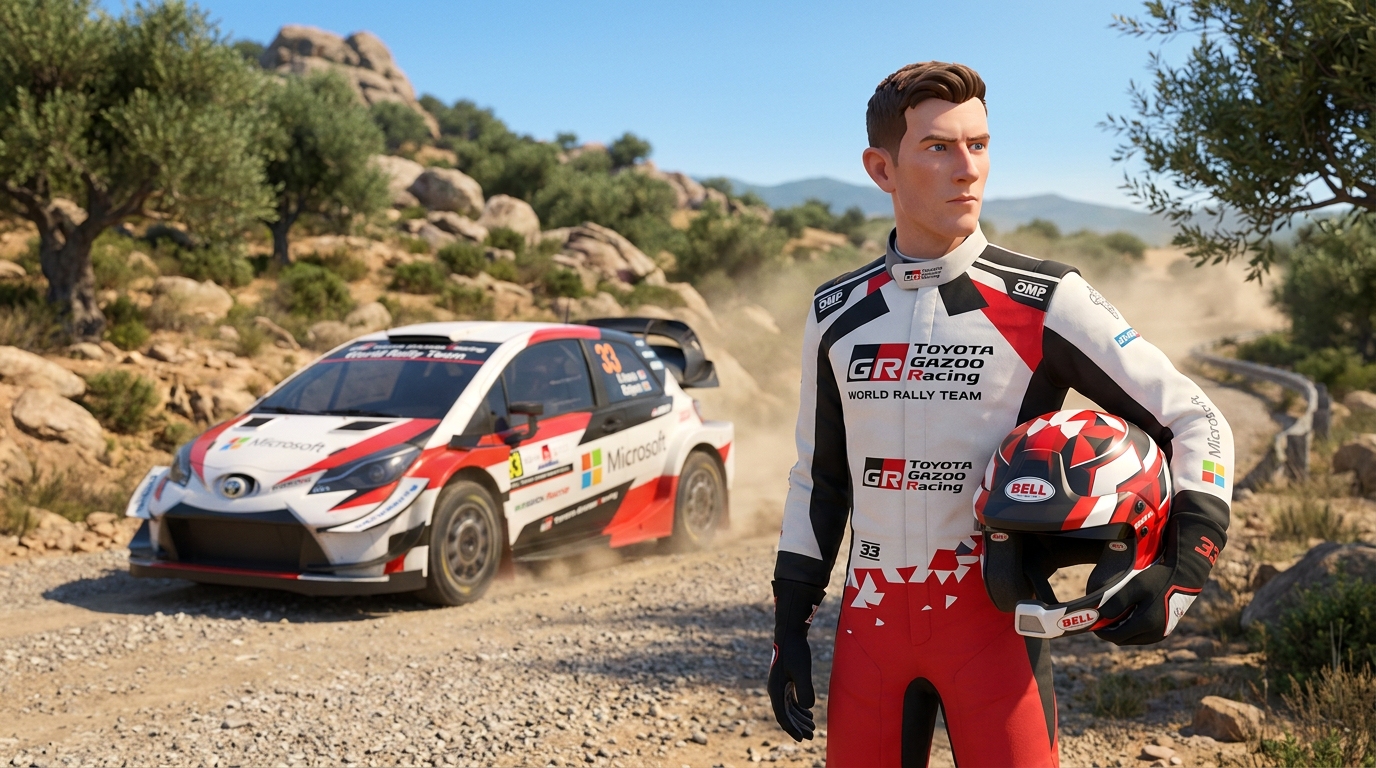

The World Rally Championship fans were taken by surprise with the announcement that Portugal will not be part of the 2027 WRC calendar.
This revelation came on September 29, 2026, and has significant implications for the championship, rally enthusiasts, and teams that have long seen Portugal as a key stage.
Although discussions are ongoing to potentially reintegrate the Vodafone Rally de Portugal in 2028, the immediate absent marks a shift in the WRC's strategy that opens doors for other global venues.
A pivotal change in the WRC schedule
Portugal's removal is a significant shake-up in the WRC schedule, considering the rally’s role as a founding event since 1973. It has only been absent from the calendar once between 2002 and 2006. The 2027 exclusion intends to enhance WRC's geographic diversity, broadening its reach on an intercontinental scale. This move aligns with WRC's strategic goal of expanding its global visibility, emphasizing the need for the sport to keep evolving and resonating with new audiences across different regions.
Organizers’ ambitions and future possibilities
The Automóvel Club de Portugal (ACP) is already in discussions with WRC promoters to explore the potential return of the Portuguese rally in 2028. According to the ACP, the talks focus on keeping Portugal’s rich rally tradition intact within the WRC fold. This development suggests a balancing act between honoring historically significant venues and the necessity for innovative outreach to new markets.
Calendar adjustments and speculation on new events
Though the full 2027 WRC calendar is yet to be disclosed, new venues such as Rome, Scotland, and the USA are emerging as potential candidates. This reshuffle hints at a strategic pivot to expand the championship’s global footprint, signifying an exciting yet uncertain future. With Portugal’s challenge now off the table, the tactical landscape for teams and drivers will change, forcing them to adapt to unfamiliar terrains and possibly extreme conditions.
The dynamics of strategic change
The removal of Rally de Portugal allows other new or less frequent rally locations to flourish, paving the way for fresh strategies, unique competitive challenges, and broader audience engagement. For instance, Rome's cityscape could provide an urban backdrop that contrasts with the traditional gravel pathways Portugal offered. Meanwhile, Scotland and the USA might introduce rugged landscapes and diverse weather conditions that could redefine competition dynamics.
The impact on teams and drivers
Teams that have historically excelled in Portugal may need to recalibrate their strategies. These gravel stages have been known for their complexity and variability, providing a unique test of skill and strategy. Their absence requires teams to pivot, exploring diverse setups and approaches to capitalize on the new rallies added to the calendar. This adjustment extends beyond tactical considerations to logistical challenges, including travel coordination to potentially more geographically dispersed locations.
Moreover, the pressure will mount on drivers accustomed to the Portuguese circuit’s rhythm and nuances. Adapting to new formats will test even the most seasoned competitors, potentially leveling the playing field. The coming years could see a rise in new talents making their mark as the championship ventures into uncharted territories.
Forward-looking calendar strategies
The WRC is clearly navigating a fine line between tradition and innovation, trying to maintain existing fan loyalties while simultaneously broadening its reach. Moving forward, the championship's success may hinge on its ability to execute this balance effectively, ensuring that long-standing rally venues continue to engage core supporters while new locations attract wider audiences.
The strategic reorientation suggests a measure of how well traditional venues can coexist with new challenges that appeal to global viewers. As the WRC enters this new chapter, the championship’s ongoing evolution will be closely observed, particularly how well it maintains its historical integrity while embracing global diversity.