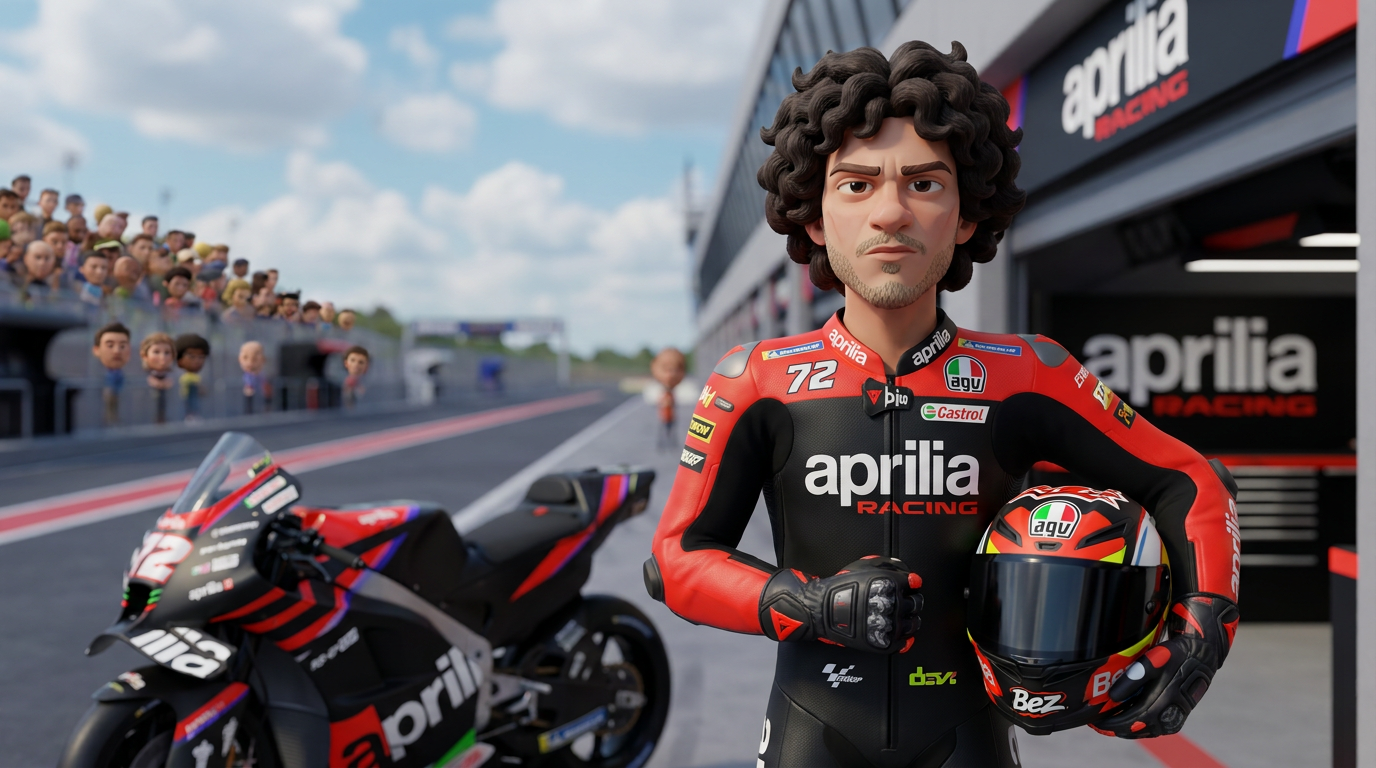
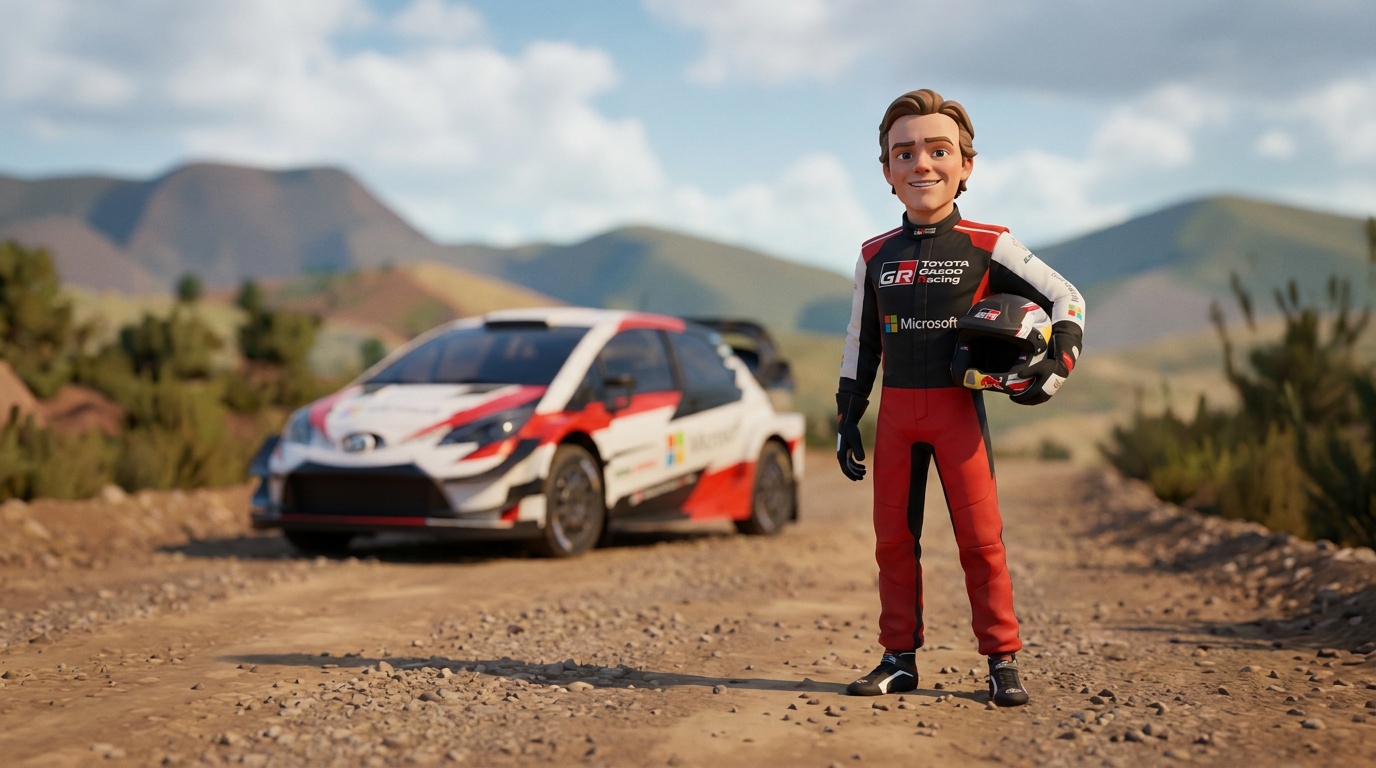
Solberg’s Chile victory tightened the WRC title fight, but Toyota’s 10th manufacturers’ crown showed why transparent concessions are needed.
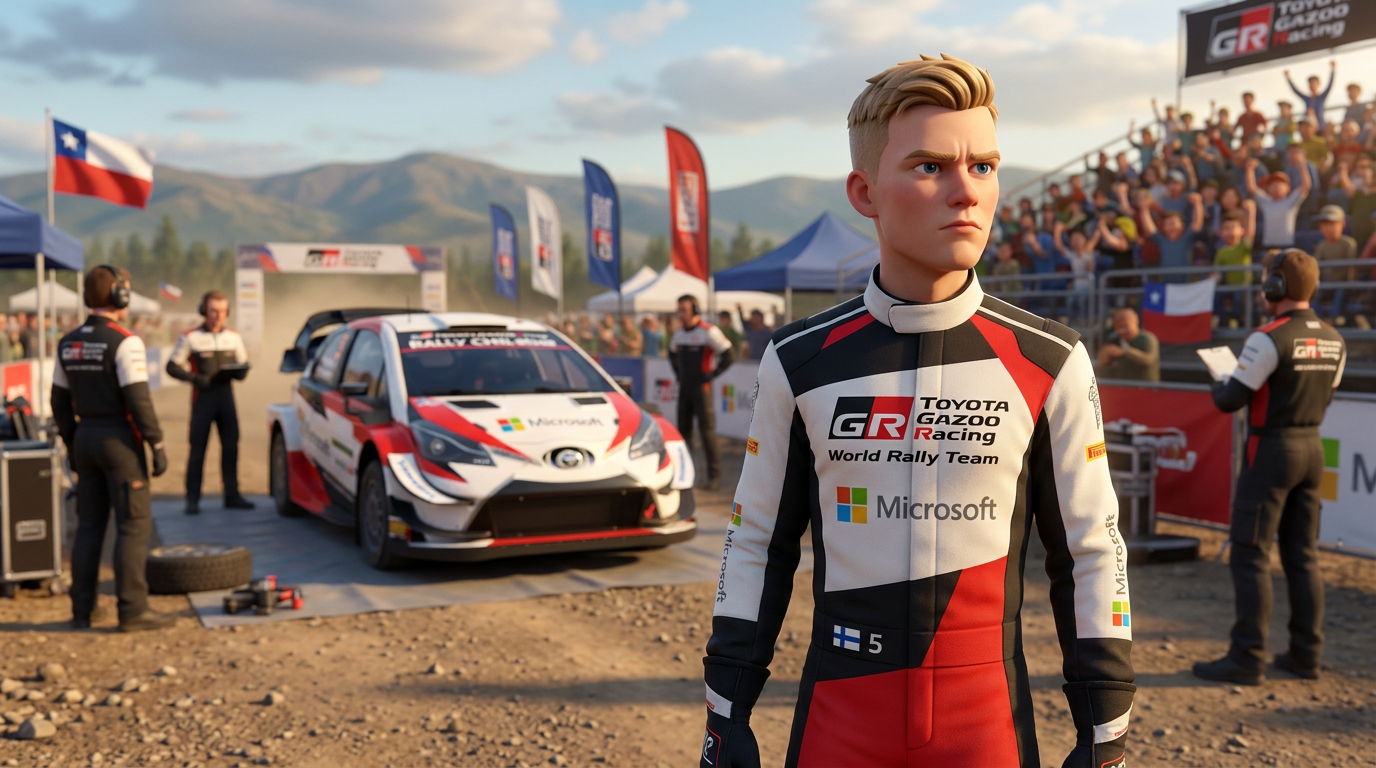
Oliver Solberg won Rally Chile Bío Bío on Sunday, September 13, returning to a three-driver title fight on the same weekend Toyota secured its 10th WRC manufacturers’ championship. The sporting tension was thrilling. The competitive structure behind it is far less convincing.
Toyota has earned every part of its success. But a championship cannot depend on teammates to produce every significant rivalry at the front, particularly when one rival manufacturer was already 173 points behind after round 11.
Great driving masks the imbalance
Elfyn Evans departed Rally Paraguay with 216 points, ahead of Sami Pajari on 196 and Solberg on 175. Pajari had claimed three straight rally wins, while Solberg’s performance in Chile brought his second victory of 2026.
It is a compelling fight.
It is also a contest within Toyota. Takamoto Katsuta held fourth on 160 points after Paraguay, and part-time entrant Sébastien Ogier was sixth with 148. Hyundai’s leading driver, Adrien Fourmaux, occupied fifth on 149, while Thierry Neuville was seventh on 129.
The drivers have made this a WRC season worth watching. The regulations, however, have created a field where Toyota can wrap up the manufacturers’ crown with two rounds remaining after Chile.
The manufacturers’ table reveals the problem
Toyota stood on 554 points after Paraguay. Hyundai had 381, and M-Sport Ford was marooned on 138.
Solberg’s round 12 victory secured Toyota’s 10th manufacturers’ title, equaling the championship record. That accomplishment merits respect. The figures also make the case for WRC action. Rally1 cannot thrive while one operation provides most of the title contenders and another sits far beyond the championship fight.
Crude success ballast, or regulations written to strip away Toyota’s advantage, are the wrong answers. Winning must keep its value. WRC instead needs a transparent concessions system that gives struggling manufacturers extra opportunities to reduce the deficit.
Concessions must reward commitment
WRC should grant additional test days and development allowances to manufacturers that fall below a defined performance threshold over a rolling sequence of events. Those concessions should end automatically as soon as the manufacturer achieves the required results.
The framework must be published before the season begins. There should be no private bargaining or discretionary changes following a dominant weekend.
Greater testing and homologation freedom would allow Hyundai and M-Sport Ford to address weak areas without loading Toyota with artificial weight. The exchange should be clear: any manufacturer receiving assistance must contest the full championship and enter a minimum number of cars.
That ties competitive support directly to investment. It also keeps the burden away from the drivers, who should decide rallies with pace instead of handicaps.
Chile showed what WRC already has
Chile featured 16 stages totaling 311.70 competitive kilometers around Concepción from September 10 through September 13. Solberg produced a near-clean rally. Evans sustained a late puncture, and Neuville rolled out of Saturday’s running.
The route delivered consequences without manufactured drama. Minor mistakes counted. Tire trouble changed the championship picture, while Solberg turned his speed into a maximum return and said he had “finally a bit of luck on my side.”
WRC must protect that product. A deeper field would allow those same roads to produce a Toyota versus Hyundai versus Ford contest, instead of relying on the Toyota garage to provide both sides of the rivalry.
WRC needs rivals, not punishment
Our verdict is straightforward: Toyota’s title should prompt reform rather than resentment. Its engineering depth and driver roster now define the standard. WRC must provide committed rivals with a credible path to reach that level.
Two rounds remain after Chile, with Evans, Pajari and Solberg taking Toyota’s internal title fight onward. Before finalizing the next rules package, WRC should publish a concessions framework built around objective entry, exit and full-season commitment criteria.