WRC’s 36-tire allocation for Rally1 crews in Chile is the right response to Paraguay, but the championship needs a permanent safety protocol.
Each Rally1 crew will have 36 tires available at Rally Chile Bio Bío from September 10 to 13, up from the 28 normally prescribed for a gravel rally. The FIA has made the right call. It has also exposed a deeper WRC failure.
The championship should have adapted its tire policy before a chaotic rally, public criticism from Sébastien Ogier and a violent accident forced the issue.
Paraguay demanded a response
Rally Paraguay, held from August 27 to 30, was marred by punctures and tire delaminations. Ogier described the situation as “a lottery” and “not of a world championship standard.” He later apologized to FIA President Mohammed Ben Sulayem and Paraguayan President Santiago Peña, calling his behavior “out of line.”
His conduct and his argument are separate matters. The apology dealt with the interaction. It did not reduce the competition’s exposure to tire failures.
Takamoto Katsuta and Aaron Johnston’s violent SS21 crash added a clear safety concern. Officials red-flagged and canceled the penultimate stage, while both crew members went to the hospital for precautionary checks. Toyota later confirmed they were OK.
Chile’s allocation is an emergency patch
The September 9 bulletin adds eight tires to the Rally1 allocation for Chile. Rally2 crews remain on 30. That difference confirms a targeted response, not a broad change to the event format.
Chile will provide a demanding test. Round 12 features 16 stages across 311.70 competitive kilometers, with 56 entries and 10 Rally1 crews. Over 40 percent of the route has changed.
The extra tires offer the leading crews more protection against attrition. They do not define what will happen at the next hot, abrasive gravel event.
WRC needs an automatic protocol
Our position is clear. WRC should publish a tire-risk protocol with defined criteria for increasing allocations or changing sporting arrangements before an event starts.
The criteria should cover expected heat and surface abrasion, along with evidence collected during reconnaissance. The governing process should also explain why Rally1 and Rally2 receive different allocations while competing on the same roads.
A predetermined system would help competitors plan and show fans why each decision was taken. It would also stop safety policy from appearing tied to the profile or force of a driver’s complaint.
A great title fight deserves better
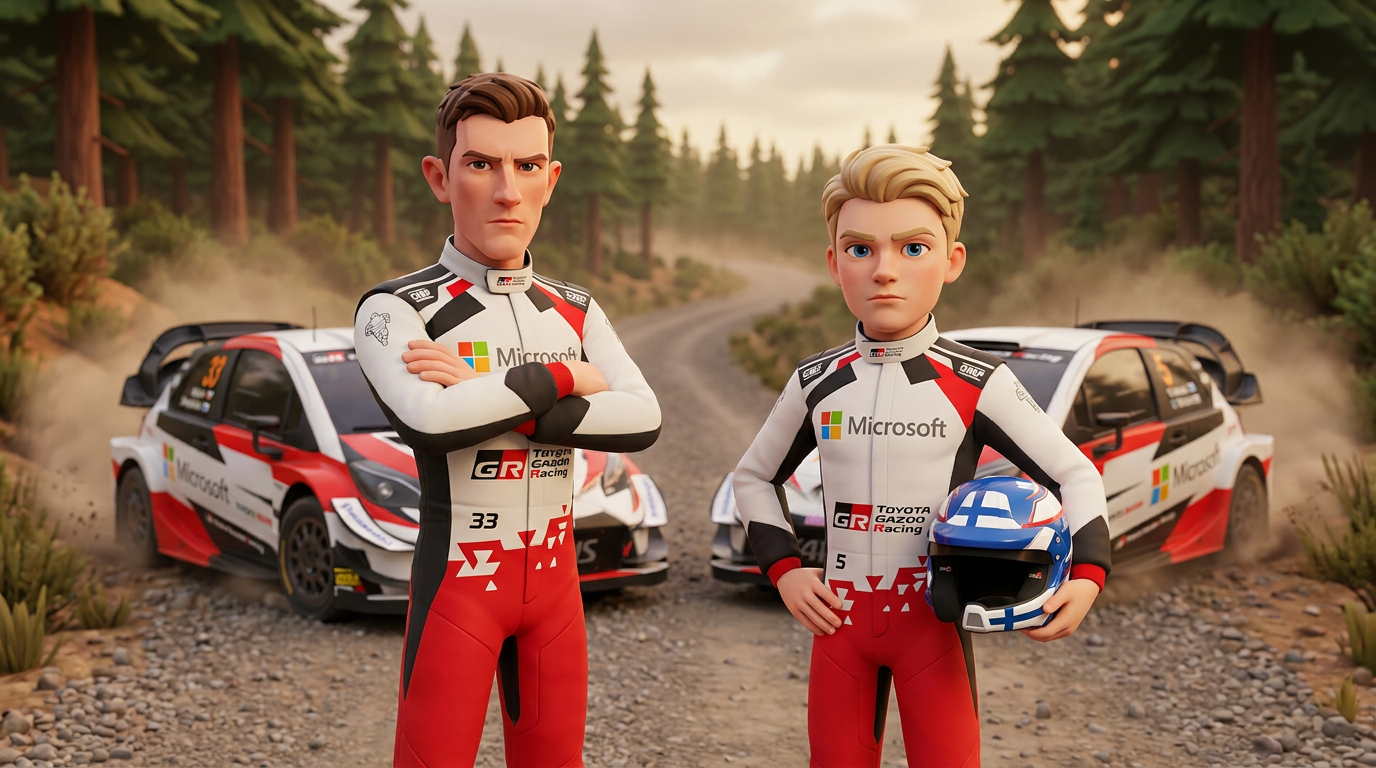
The sporting contest makes the frustration worse. Elfyn Evans leads Sami Pajari by 20 points, 216 to 196, after 11 of 14 rounds. Pajari heads to Chile after victories in Estonia, Finland and Paraguay, becoming the first WRC driver to claim his first three wins in consecutive rounds.
Toyota can secure the manufacturers’ championship in Chile. It leads Hyundai by 173 points, 554 to 381, and needs seven points with 180 still available across the final three rallies.
Those are compelling sporting narratives. Tire survival should not cloud them, especially with the title leader and the championship’s form driver in the same machinery, where every lost minute counts.
Chile must start a permanent change
Fans deserve competition settled by pace and judgment, with execution measured against clearly defined rules. Mechanical risk is part of rallying. A control-tire crisis, however, cannot be written off as routine unpredictability.
The 36-tire allowance is a necessary correction. It must be followed by a written framework, rather than quietly dropped after Chile.
Scrutineering begins the next test of that policy before 16 stages and 311.70 kilometers decide whether Evans keeps his lead or Pajari’s winning streak changes the championship again.