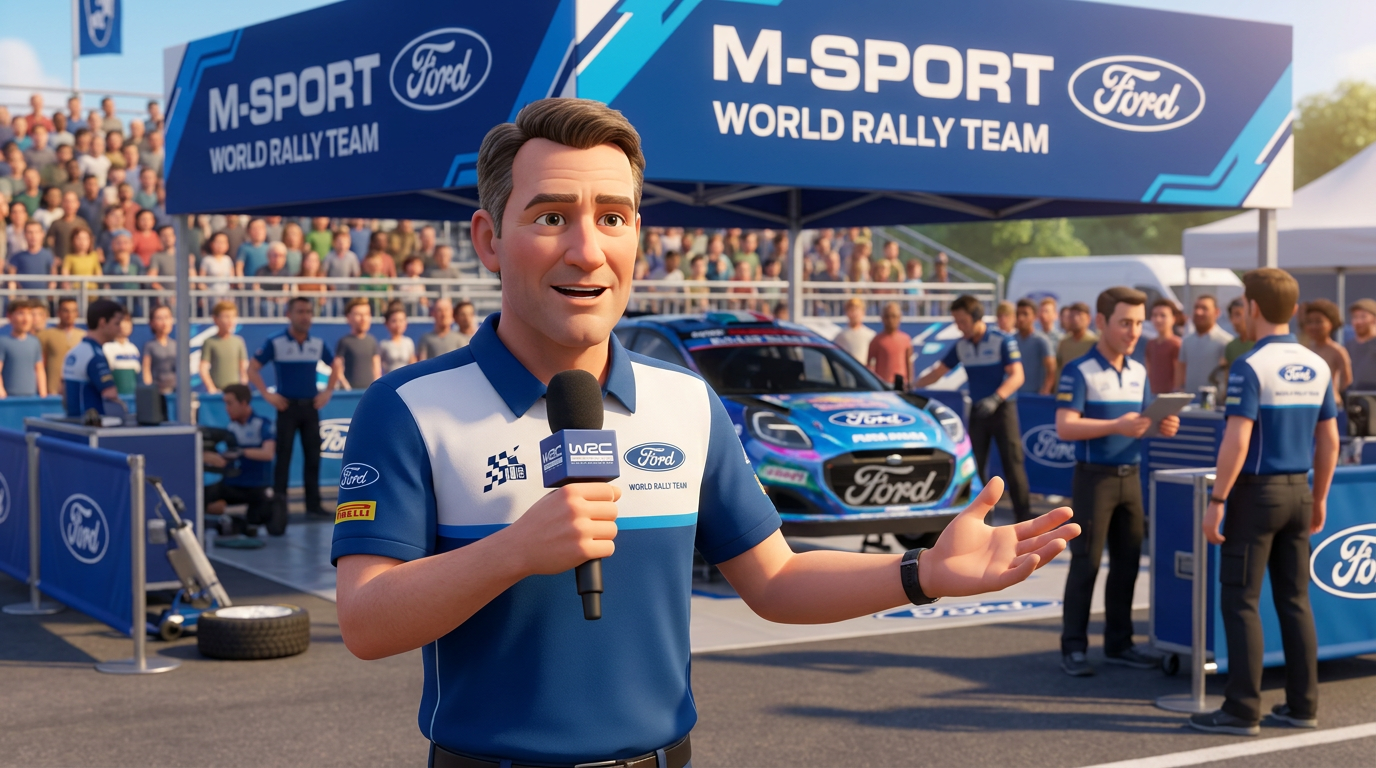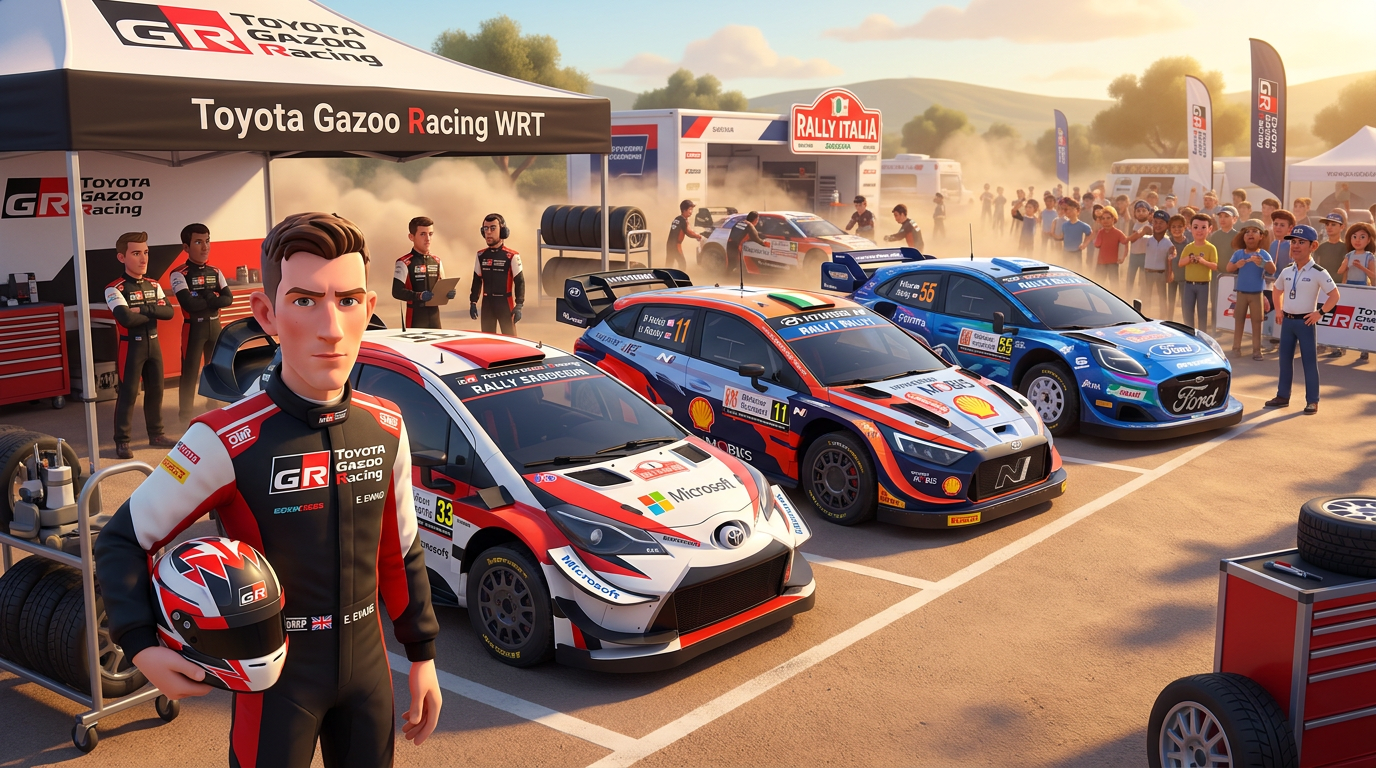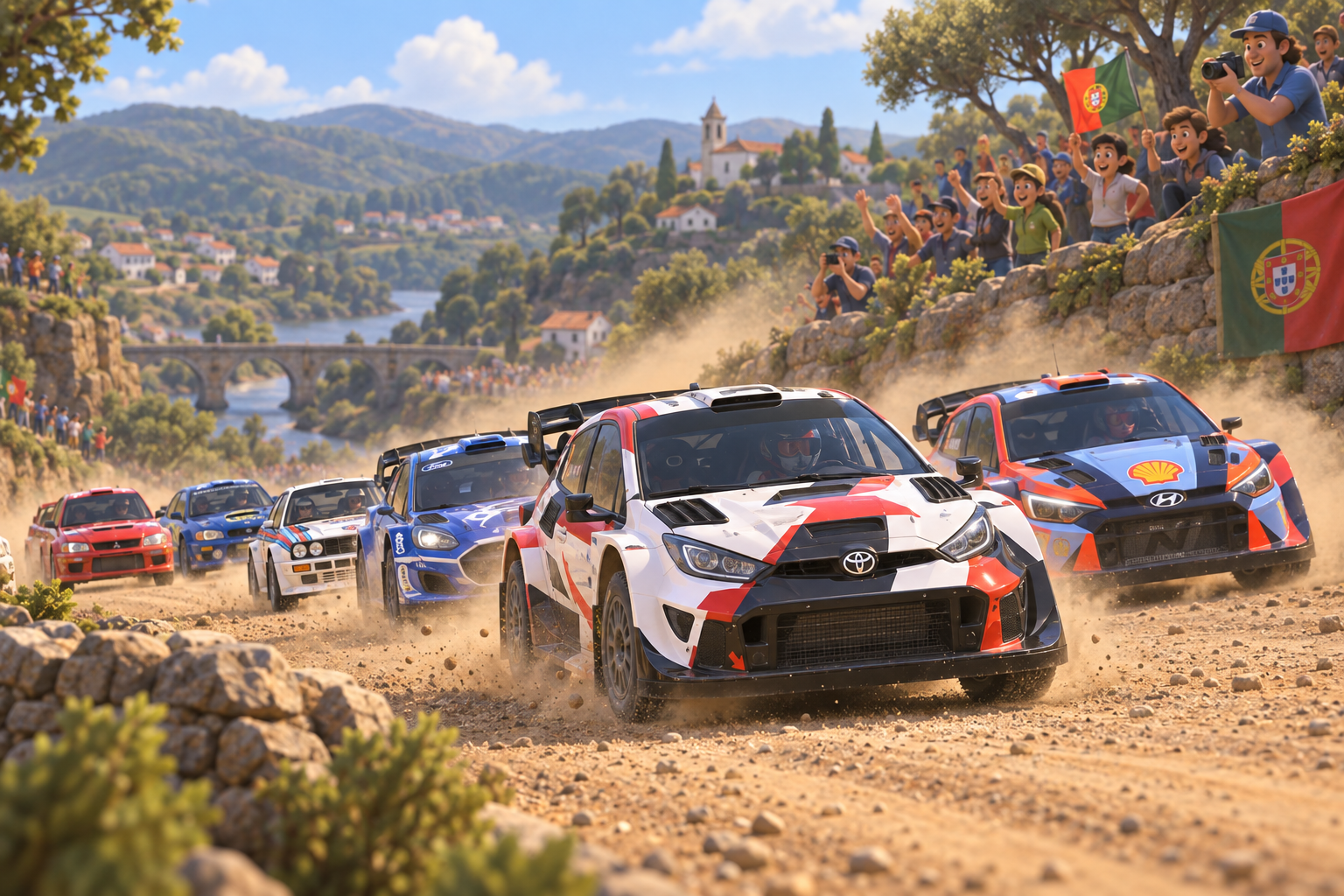
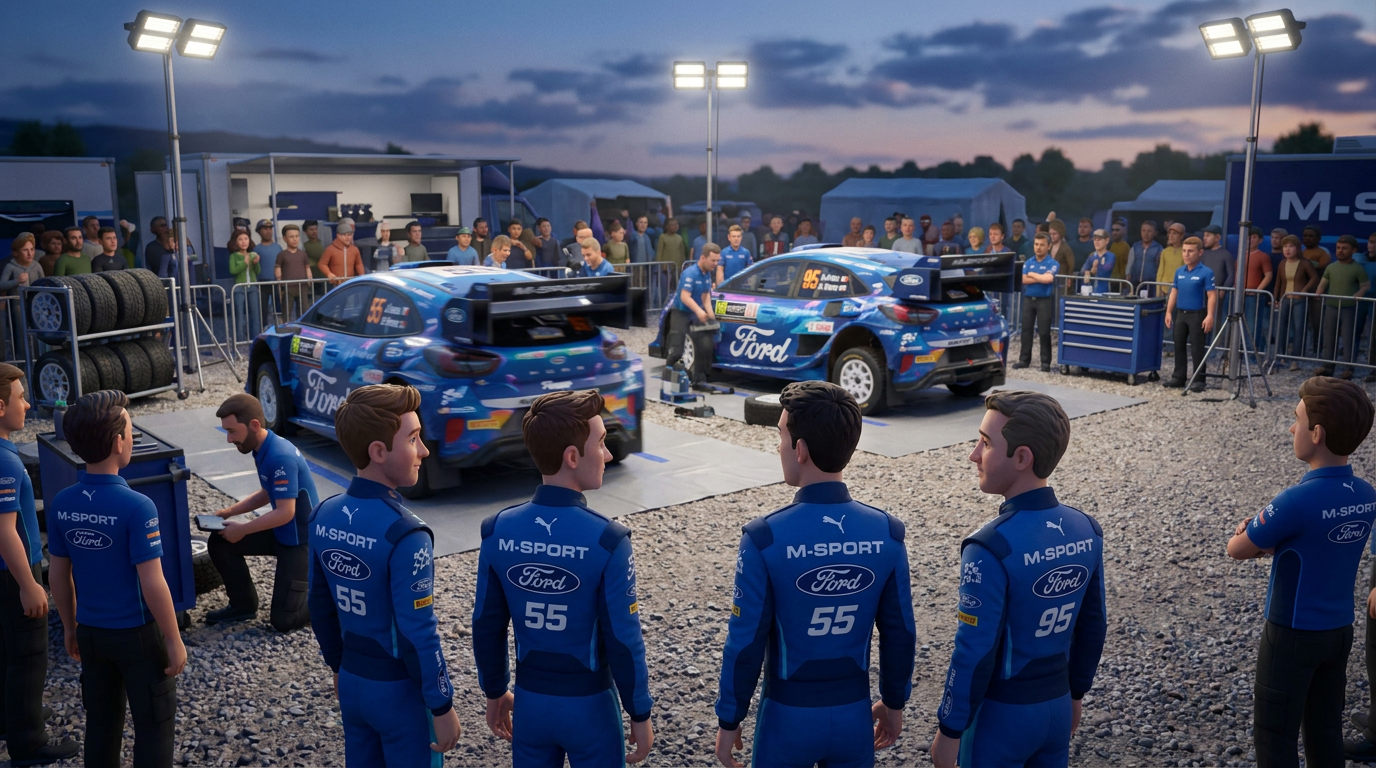
Ford’s return to the FIA World Rally Championship as a full factory manufacturer in 2028 matters for more than adding another badge to the service park.
There are three clear reasons for excitement: stronger support for M-Sport, greater manufacturer competition and an all-new car planned for 2029.
This is Paddock Buzz’s opinion: Ford’s staged comeback is the most encouraging kind of WRC announcement because it combines the manufacturer’s history with a credible plan for the future.
This is more than a familiar logo
Ford did not disappear completely after ending its previous full factory program following the 2012 season. M-Sport continued to represent the marque, while Ford was closely involved in developing the Puma Rally1 introduced in 2022. Sébastien Loeb and Isabelle Galmiche won the car’s first WRC event in Monte Carlo.
The difference now is the scale of Ford’s commitment. The FIA listed Ford Racing’s return from 2028 on October 1, 2026, while Motorsport.com and Autosport reported that M-Sport will run the effort. Ford global motorsport director Mark Rushbrook told Motorsport.com that stronger internal support, new technical regulations and a change in the championship’s promoter made the comeback a “fairly easy decision.”
That assessment is significant. M-Sport has already shown what it can achieve without the full resources of a factory program. Ford’s direct involvement offers the prospect of greater engineering depth, development capacity and organizational stability, although the company has not detailed the program’s budget or staffing.
M-Sport finally gets the backing it deserves
M-Sport maintained Ford’s top-level rally presence throughout the manufacturer’s long factory absence. It also supplies Ford Fiesta Rally3 cars to Junior WRC, extending the partnership across the championship’s development ladder as well as its leading category.
That continuity makes M-Sport the logical operating partner. The organization already understands the demands of WRC, where events typically run for three or four days and feature 15 to 25 timed special stages across as much as 350 kilometers of closed roads.
Factory status does not guarantee victories, but it can provide a proven rally organization with better tools to pursue them. For supporters who have watched M-Sport compete against better-resourced manufacturer operations, that alone is a compelling reason to welcome the announcement.
The patient rollout makes sense
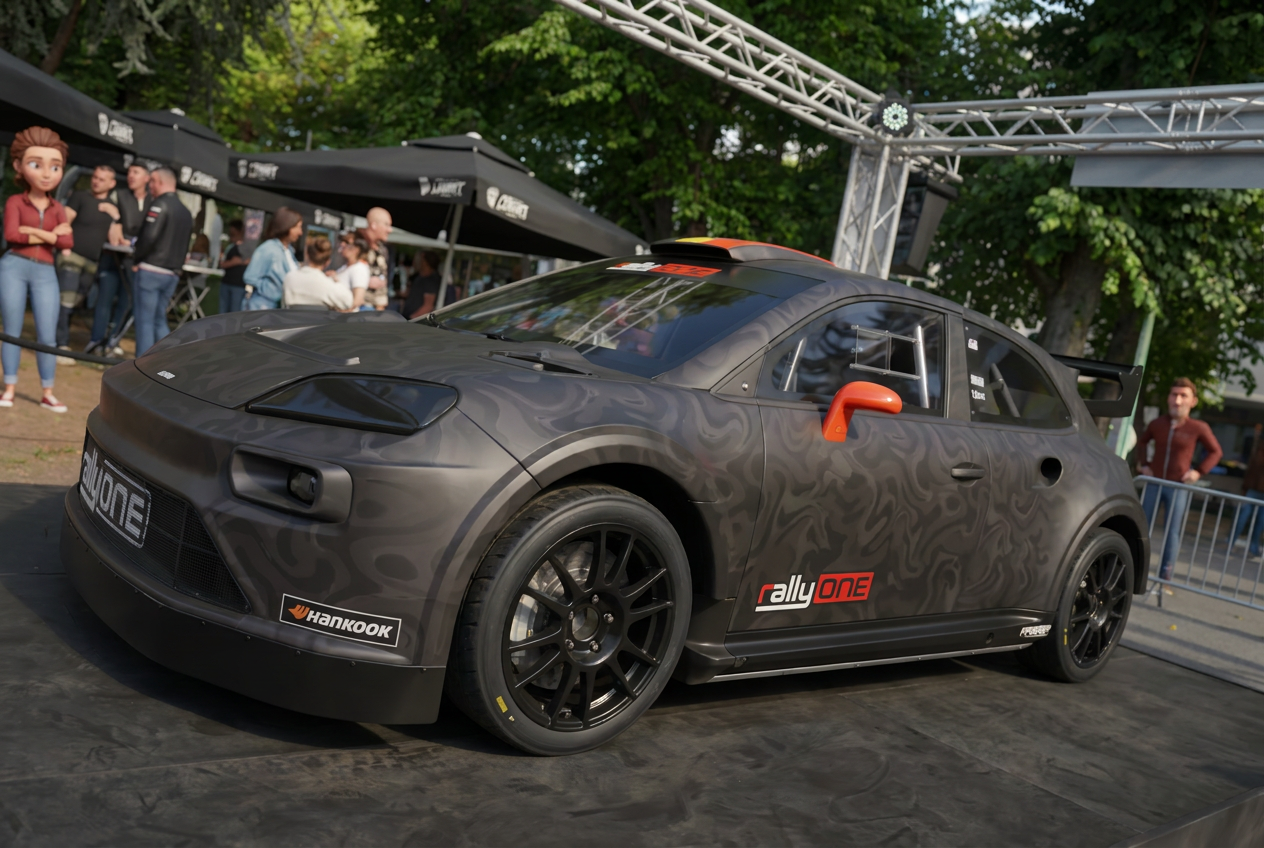
Ford is not presenting 2028 as the finished product. The supplied reporting says the opening phase will use an upgraded Fiesta Rally2-based car adapted through a homologated kit. Ford and M-Sport will then introduce an all-new Rally1 machine under the incoming WRC27 regulations in 2029.
That sequence should keep expectations measured for the first season. The interim car will face established opposition, and Ford has not announced its drivers. The true measure of the project will be the purpose-built 2029 challenger.
Even so, the bridge season is a sensible approach. M-Sport can strengthen its operation and gather data before the new car arrives, while Ford can design the model around the incoming regulations rather than forcing a clean-sheet project into the closing stages of the present cycle. Rushbrook said the company expected development of the new car to take the next two to three years.
WRC needs meaningful manufacturer rivalry
Toyota secured the 2026 manufacturers’ championship at Rally Chile and matched Lancia’s record as WRC’s most successful manufacturer, according to Autosport and Motorsport.com. Ford’s return raises the possibility of a deeper contest instead of leaving the existing manufacturers to define the competition among themselves.
That possibility matters because manufacturers must register for the title and contest every rally with eligible top-category cars. A factory entry therefore amounts to a season-long commitment rather than an occasional promotional appearance.
More credible contenders should also provide more opportunities for drivers, co-drivers and engineers. WRC awards separate titles in all three competitive areas, and another properly funded operation can expand the group of people capable of competing near the front.
A global opportunity, with one caveat
Motorsport.com reported that a United States WRC round was likely for 2027, which would make it the country’s first championship event since 1988. Rushbrook said such a rally was not decisive in Ford’s return, although he described the prospect as significant for a company that identifies itself as America’s race team.
The distinction remains important: the supplied reporting described the event as likely, not confirmed. Even without it, an American manufacturer entering an international championship highlights WRC’s global potential. If the US round does materialize, Ford would offer an obvious connection for domestic audiences.
Excitement should come with expectations
Ford’s announcement does not prove that the 2029 car will win, and it does not answer questions about drivers, funding or the final shape of WRC27. Those unknowns are important. A famous name cannot replace speed, reliability and sustained investment.
Rally fans still have tangible reasons for optimism. Ford has committed to factory status, retained an experienced partner and outlined a route toward a new-generation car. The next tests are clear: complete the 2028 transition, disclose the driver lineup and develop the 2029 project into a genuine threat. If Ford follows through, WRC will gain more than another entrant. It will gain a rivalry worth watching.