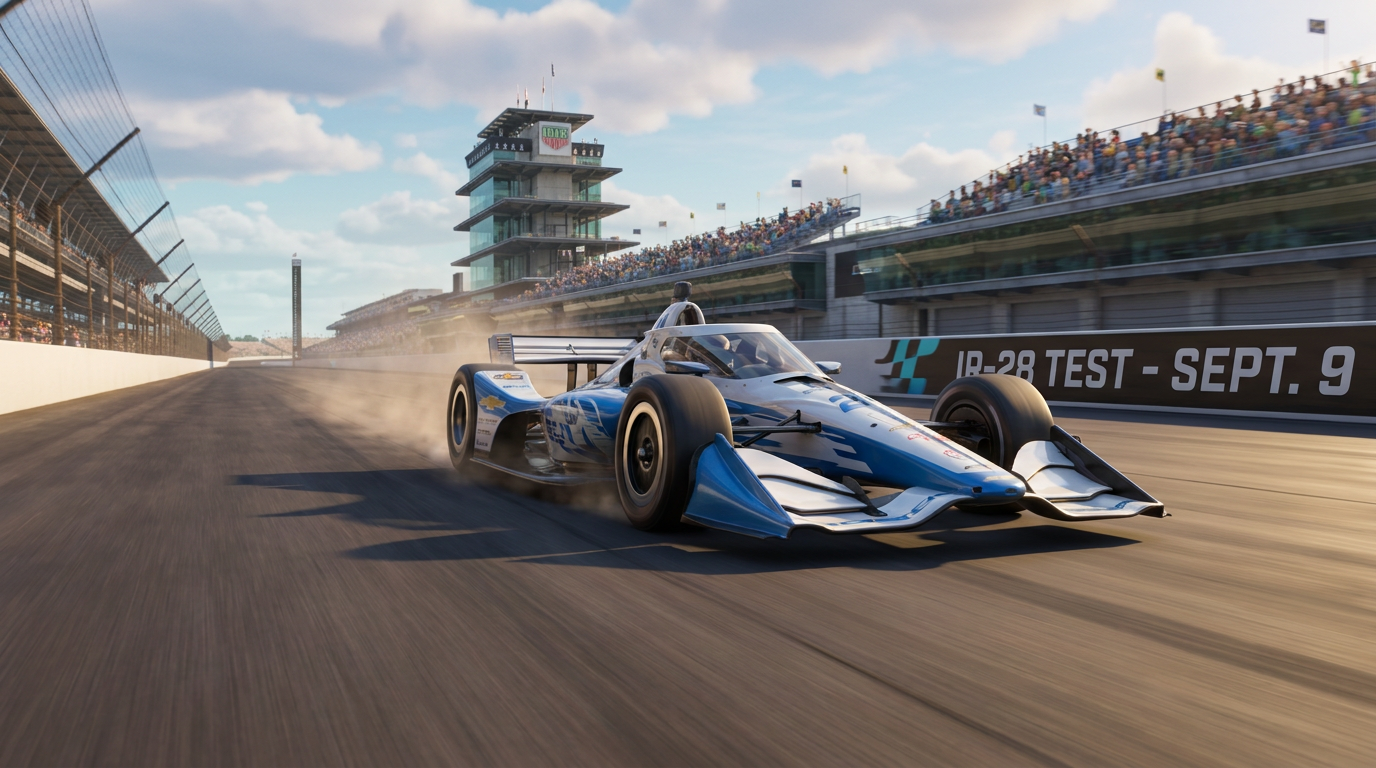

A. J. Foyt’s 67 victories, seven championships and four Indianapolis 500 wins give him IndyCar’s strongest all-era statistical case.
A. J. Foyt has the strongest answer to IndyCar’s toughest historical debate. Through changing sanctioning bodies and dramatically different competitive eras, his 67 race wins, seven season titles and four Indianapolis 500 victories create a complete record no rival can match.
The numbers that separate Foyt
Foyt’s seven championships remain the series record. He won them in 1960, 1961, 1963, 1964, 1967, 1975 and 1979, giving him a title-winning span of 19 years.
His 67 victories lead the all-time table, too. Mario Andretti ranks next with 52, while Scott Dixon had reached 58 by June 2, 2024.
Foyt’s case is built on completeness, rather than one dominant specialty. Andretti holds the qualifying benchmark. Dixon sets the modern standard. Foyt tops both in championships while sharing Indianapolis’ most important record.
Indianapolis strengthens the verdict
Foyt shares the Indianapolis 500 record of four victories with Al Unser, Rick Mears and Hélio Castroneves. None of those three combines that achievement with seven championship crowns and 67 career wins.
His longevity adds weight to the argument. Foyt made a record 35 Indianapolis 500 starts and completed 12,272.5 miles in the race, over 1,300 more than Unser.
Dixon’s Indianapolis record tells a different story. His 665 laps led are the modern benchmark in the supplied historical record, but he has one victory instead of four. Sustained pace at the 500 and converting that pace into wins require separate judgments.
Andretti leads the speed argument
Mario Andretti’s 67 career poles remain the all-time standard, with 40 on ovals and 27 on road or street courses.
That range earns Andretti a place beside Foyt. He scored 52 wins and four championships, taking titles in 1965, 1966, 1969 and 1984. One analytical measure, True Number of Leads, credits Andretti with 59 race-winning performances compared with Foyt’s 57.
Foyt, however, turned his opportunities into 15 more victories, three additional championships and three more Indianapolis 500 wins. Andretti has the stronger case on poles and underlying performance. Foyt has the greater Indy car résumé.
Dixon owns the modern-era case
Dixon’s 58 victories as of June 2, 2024 included one in CART and 57 in IndyCar. He stood nine short of Foyt and six ahead of Andretti’s career total.
A 2016 career snapshot already ranked Dixon fifth in starts with 317, sixth in poles with 32, third in top-three finishes with 100 and third in laps led with 6,607. Those numbers are dated, but they show how his case grew through consistent performance instead of a short peak.
Dixon is the best measuring stick for the unified era that began in 2008. Indianapolis is the obstacle in an all-time comparison, where one win puts him behind the four-time winners despite his 665 laps led.
Peak seasons cannot settle the debate
Al Unser’s 1970 campaign provides the strongest single-season challenge to Foyt. Unser led 1,527 of 2,287 laps, a 66.8 percent share, and won 10 races. Eight of those victories came from pole.
Foyt also won 10 races in his 1964 championship season. Andretti recorded nine in 1969, while Michael Andretti reached eight in 1991 and Sebastien Bourdais matched that total in 2007.
Those peaks explain why comparisons between eras resist a single formula. Schedules changed, as did surfaces and opportunities to win. Foyt’s 67 career victories and seven championships remain the next fixed targets for every future contender.