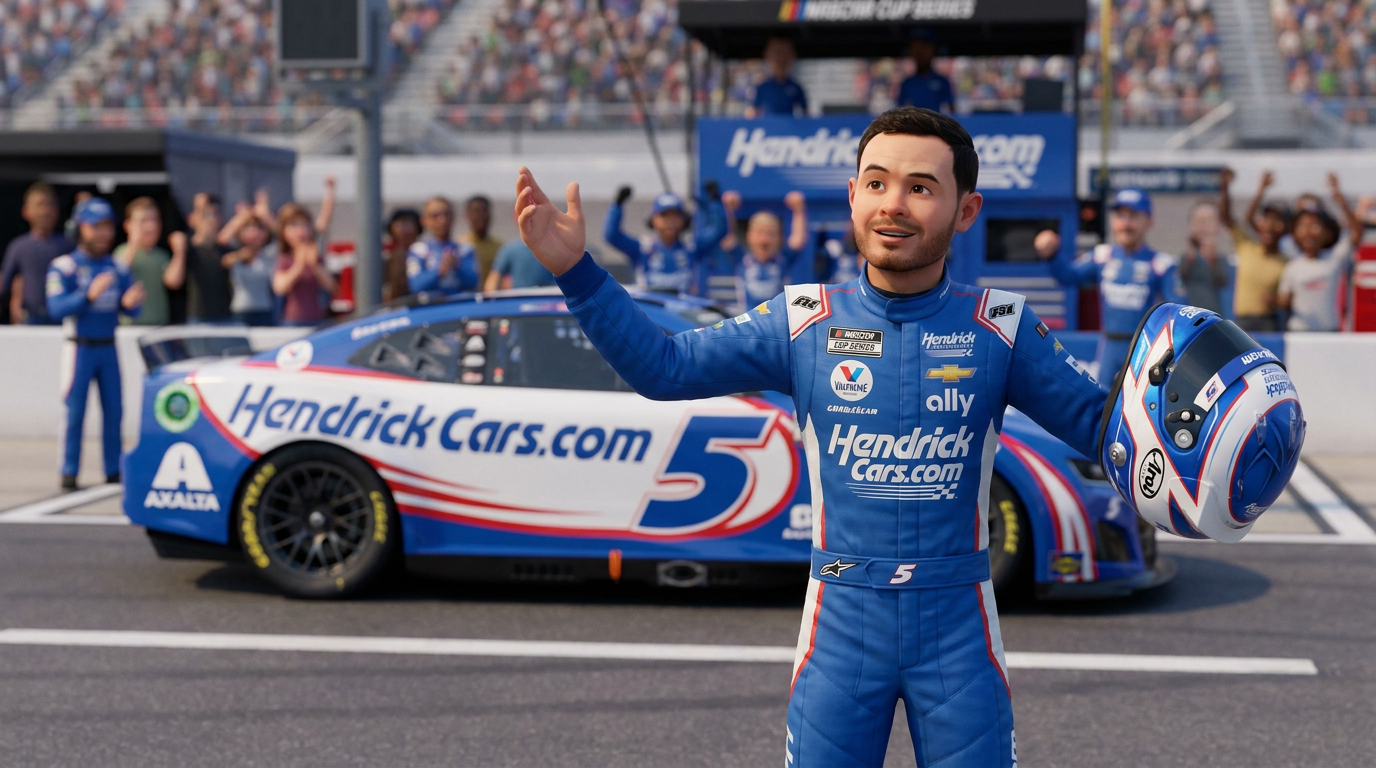
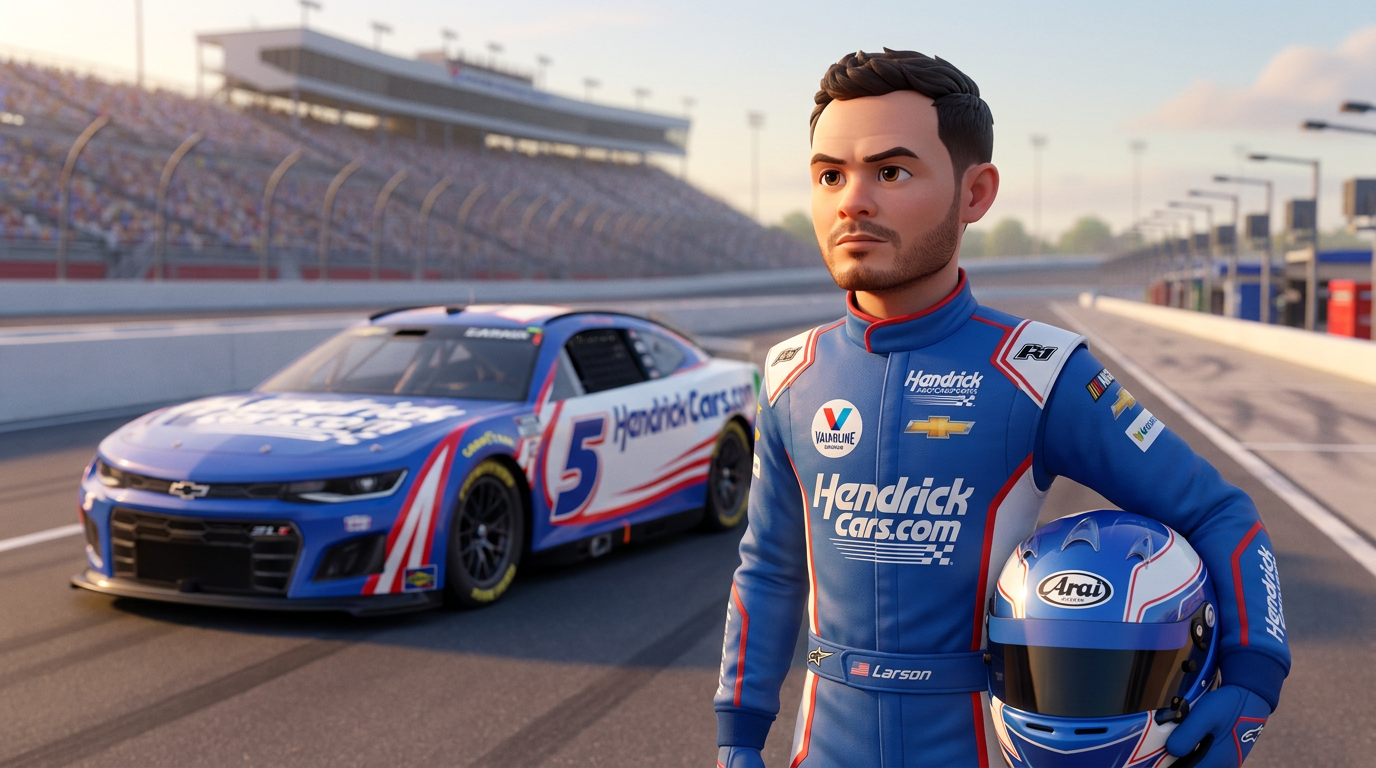
Kyle Larson ended a 51-race Cup drought at Gateway, adding another resilience marker to a career shaped by versatility and wins under pressure.
Kyle Larson snapped a 51-race NASCAR Cup Series winless streak on September 13, 2026, defeating Hendrick Motorsports teammate Alex Bowman in overtime at World Wide Technology Raceway. His first victory in 16 months does not, on its own, place him in NASCAR’s traditional G. O. A. T. tier. It does bring the historical standard he is pursuing into clearer focus.
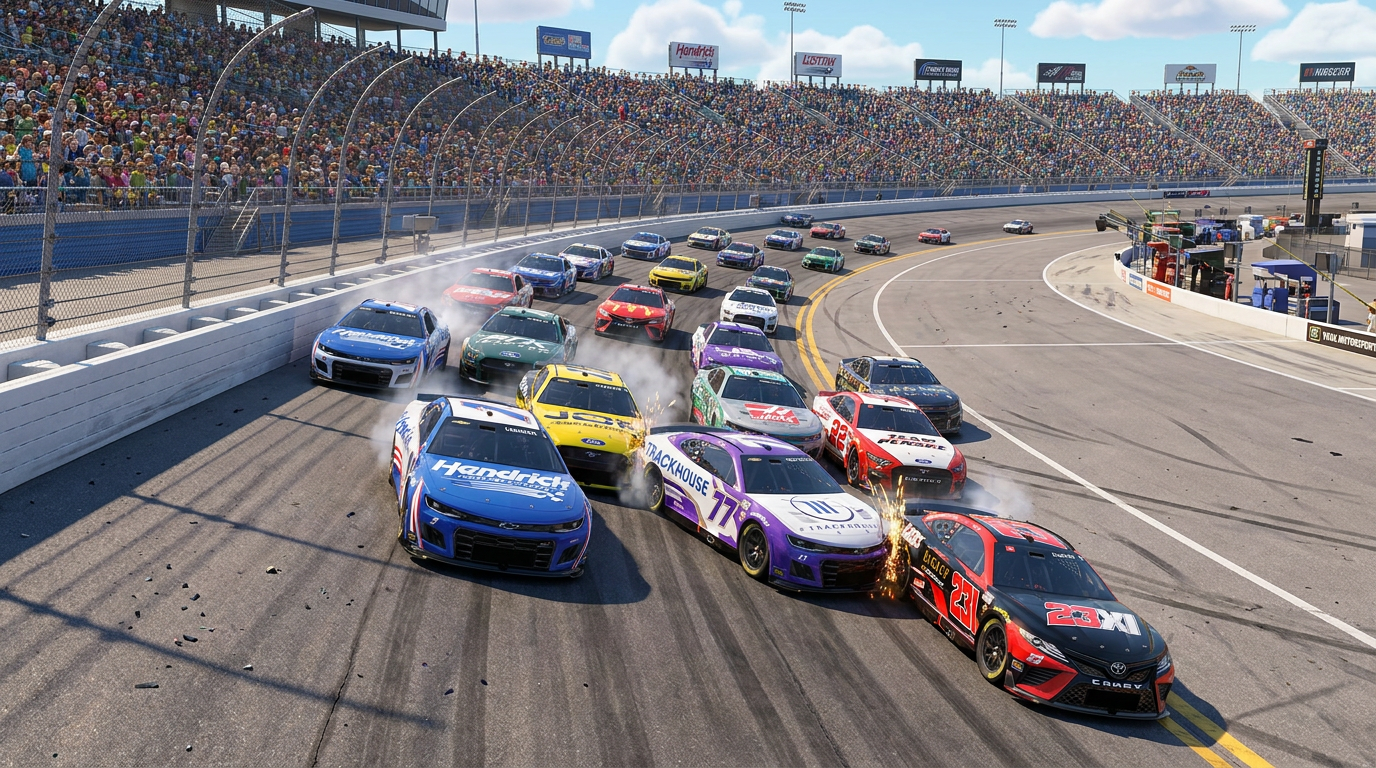
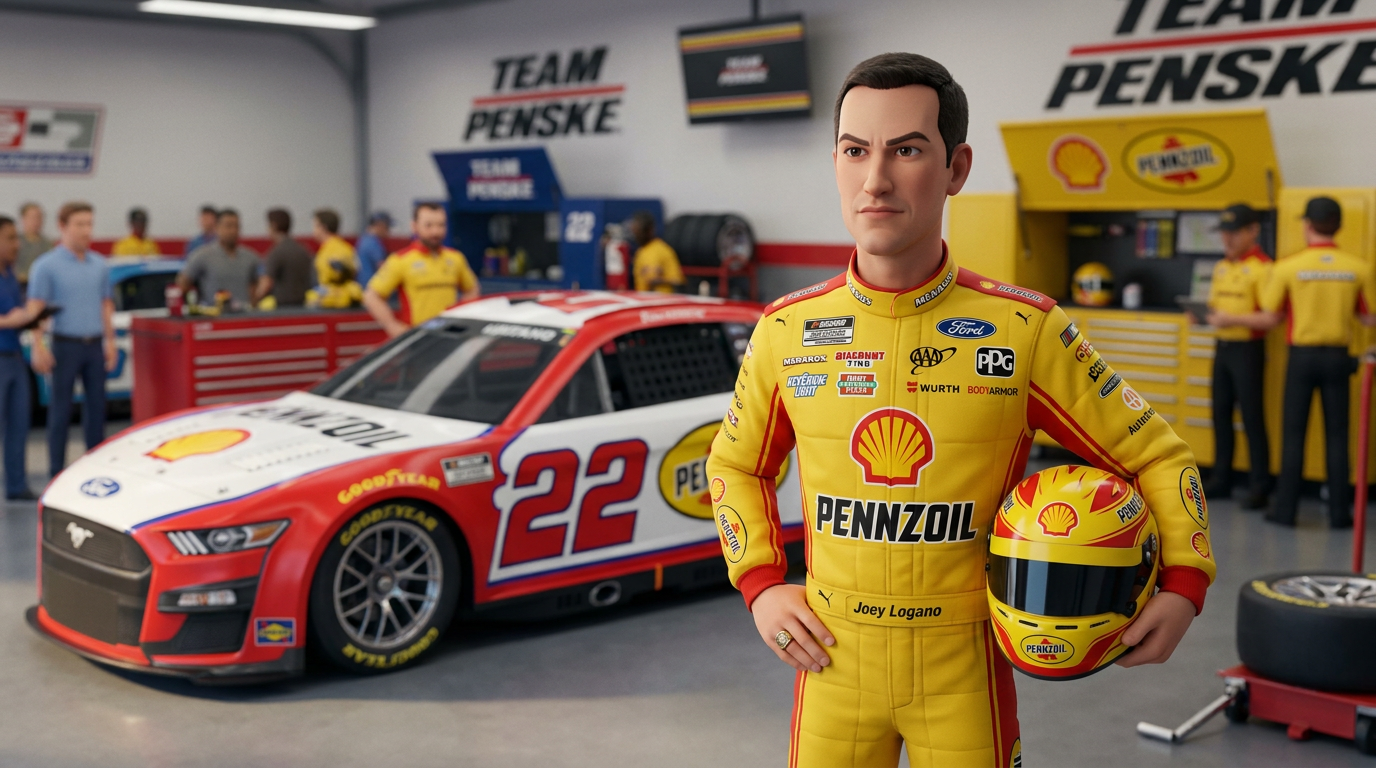
Larson earned the Gateway result in punishing conditions. The race featured a track-record 18 cautions, two red flags and double overtime. He scored 63 points, while runner-up Bowman collected 38 and third-place Joey Logano earned 45.
Gateway matters because it revived Larson’s strongest historical argument: he can make disorder work in his favor.
A win with unusual weight
Greatness rankings often reduce every victory to the same column. Context tells a different story. Winning routinely with a dominant car does not demand the same qualities as surviving repeated restarts, strategy interruptions and overtime.
Gateway belonged squarely in the second category.
Larson had gone 51 Cup races without a victory, a long enough drought to raise a fair question about whether his best performances were behind him. He answered during the second race of the 10-race Chase, with 16 drivers fighting for the championship.
The timing adds value. Christopher Bell opened the Chase by winning the Southern 500, his first victory of the 2026 season for Joe Gibbs Racing. One race later, Larson responded by leading a Hendrick one-two finish.
Larson’s drought now looks like a run of unconverted opportunities, rather than a permanent decline in his ability to win. Gateway allowed almost no margin for error. In double overtime, he was still the driver in position to capitalize.
Where Larson ranks among the giants
The established Cup standard is daunting. Richard Petty has 200 victories and seven championships. Dale Earnhardt won 76 races and seven titles. Jimmie Johnson combined 83 victories with seven championships, including five straight crowns from 2006 through 2010.
Larson cannot equal that championship volume in 2026.
His historical case starts with versatility. His Cup résumé features the 2021 championship, while success outside stock cars also supports his reputation. In a Cup-only ranking, however, achievements elsewhere can help measure talent, but they cannot substitute for Cup victories and titles.
That distinction matters. Kyle Busch faces a similar issue in all-time debates. His national-series record covers Cup, Xfinity and Trucks, yet the best Cup cases still belong to drivers with greater top-level victory and championship totals.
Larson currently sits in a different category. He ranks among the defining drivers of this era, alongside Logano, Denny Hamlin and Ryan Blaney, but reaching the highest historical tier requires more championships.
Hendrick’s internal standard
Larson also competes for the organization that produced the clearest modern-era comparison between elite drivers. Jeff Gordon captured 93 Cup victories and four championships. Johnson earned 83 wins and seven titles. Their careers overlapped at Hendrick Motorsports, limiting some of the equipment differences that complicate comparisons across decades.
Johnson’s championship advantage gives him the stronger GOAT case. Gordon’s 10-win edge maintains his place among NASCAR’s most prolific modern winners.
Larson carries that history into every weekend. His Gateway victory ended his personal drought and delivered another Hendrick one-two, with Bowman pressuring him through the overtime finish.
Hendrick gives Larson an opportunity and a burden. He drives for a team with a record of sustaining championship careers, while every season invites comparison with Gordon and Johnson. Sporadic brilliance will not erase that gap.
Gateway revealed the Chase’s volatility
The race also demonstrated why championship formats must be compared carefully. Petty and Earnhardt claimed titles under full-season points systems. Johnson assembled his seven-title record in the Chase era, when late-season execution took on greater importance.
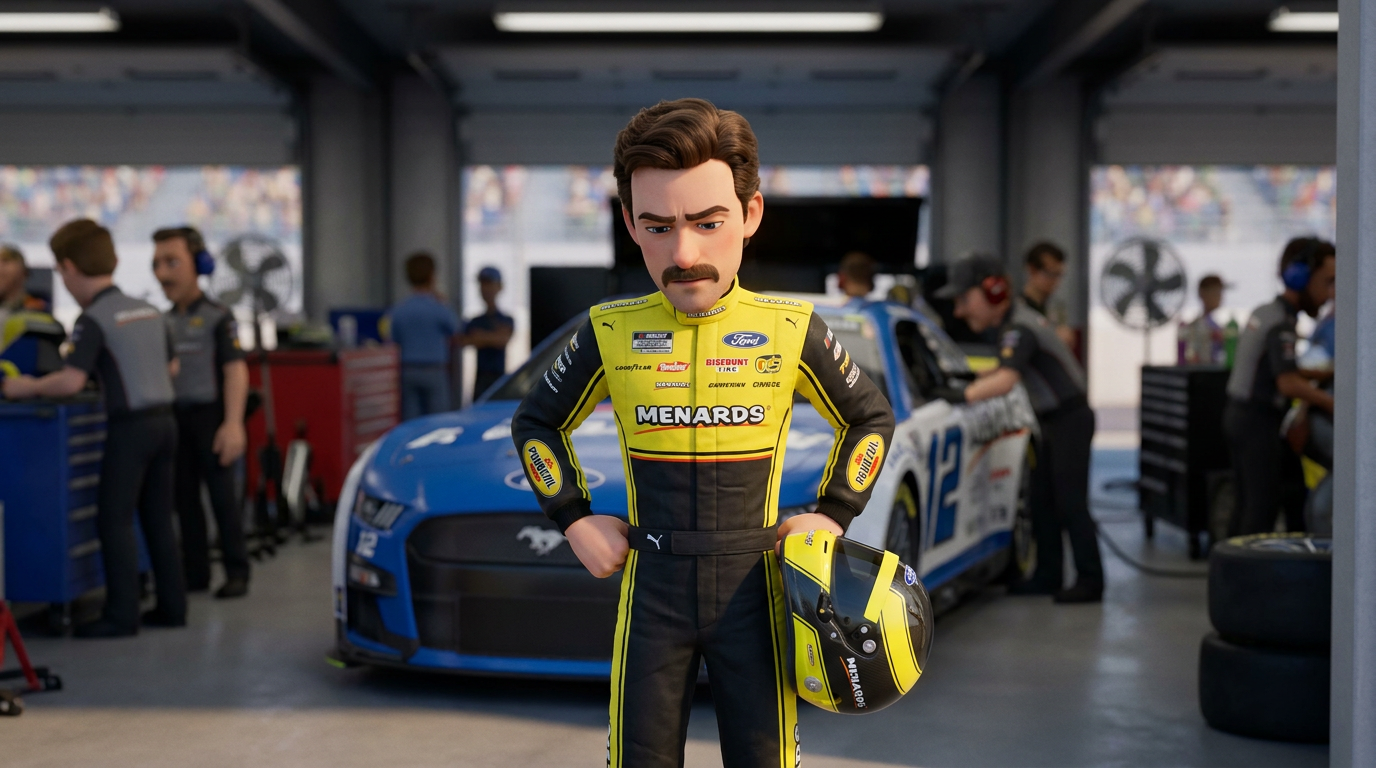
Larson is competing under a 2026 format with 16 contenders across the final 10 races. A single mechanical failure can wipe out weeks of progress. Blaney was sixth at Gateway when the brakes failed on his No. 12 Team Penske Ford.
Following Gateway, Hamlin topped the displayed Cup standings with 1,062 points. Blaney was next with 982, and Tyler Reddick held third with 940. Those totals reflect season-long performance, while Larson’s 63-point race shows how sharply one event can shift momentum.
Modern greatness requires two types of excellence. A driver must produce speed throughout the year, then deliver repeatedly in a compressed championship run. Johnson turned that combination into his defining skill.
The next step is converting championships
Gateway improves Larson’s standing without resolving his place in history. Breaking a 51-race drought during a track-record 18-caution race demonstrates resilience. A Hendrick one-two adds organizational significance. Winning in the Chase makes the result relevant to the championship.
The historical ladder is still unforgiving. Petty, Earnhardt and Johnson each won seven titles. Gordon earned four. Larson’s next meaningful advance will be measured in championships, rather than another standalone win-column entry.
The Cup Series moves to Bristol from September 17 through September 19, where Larson’s renewed momentum faces its next test in the 10-race championship run.