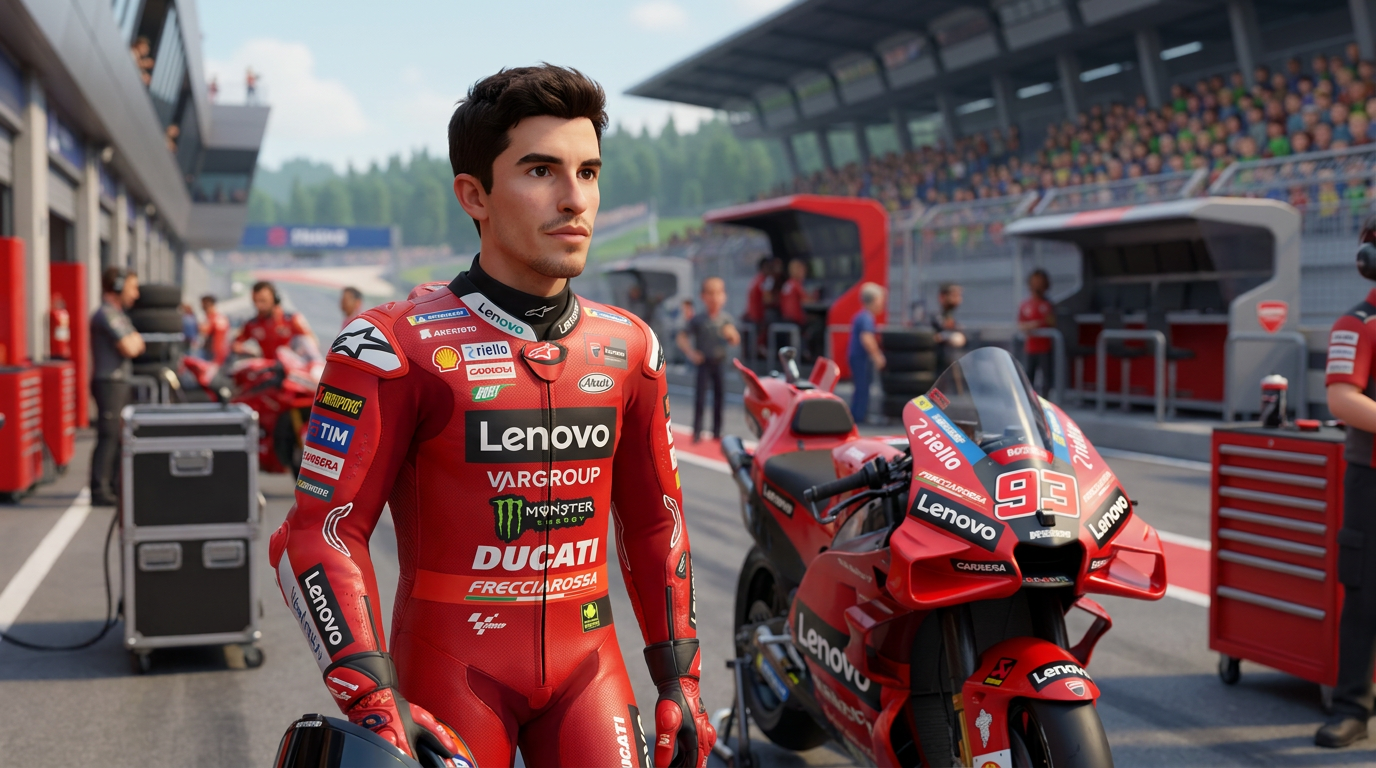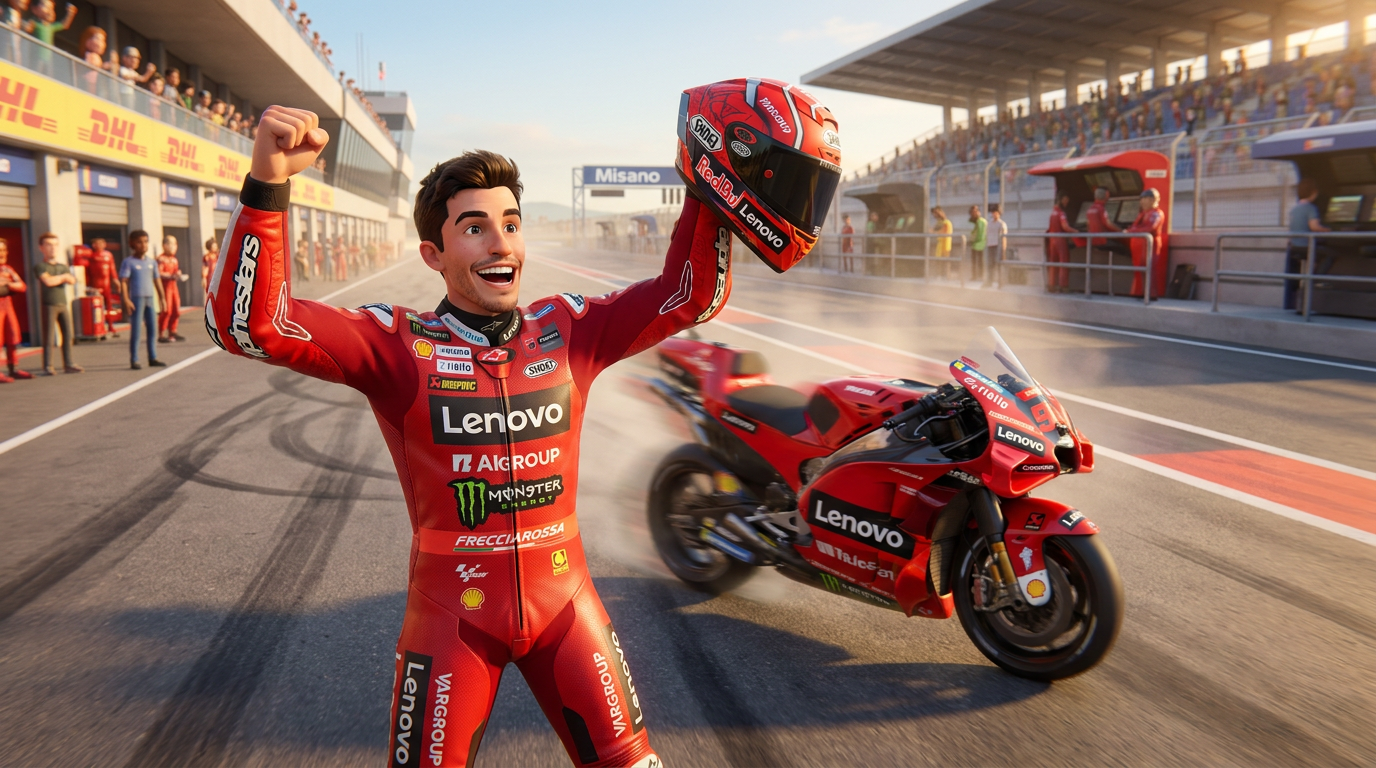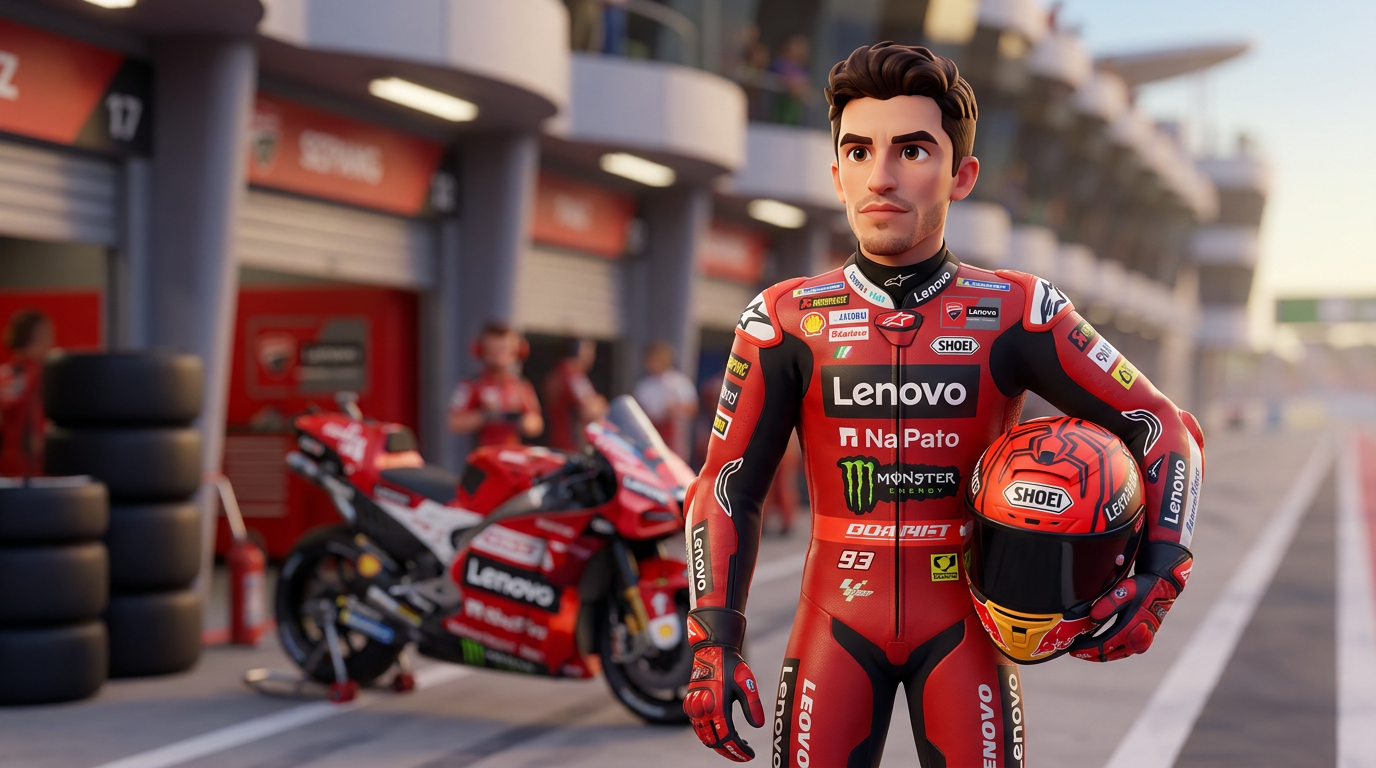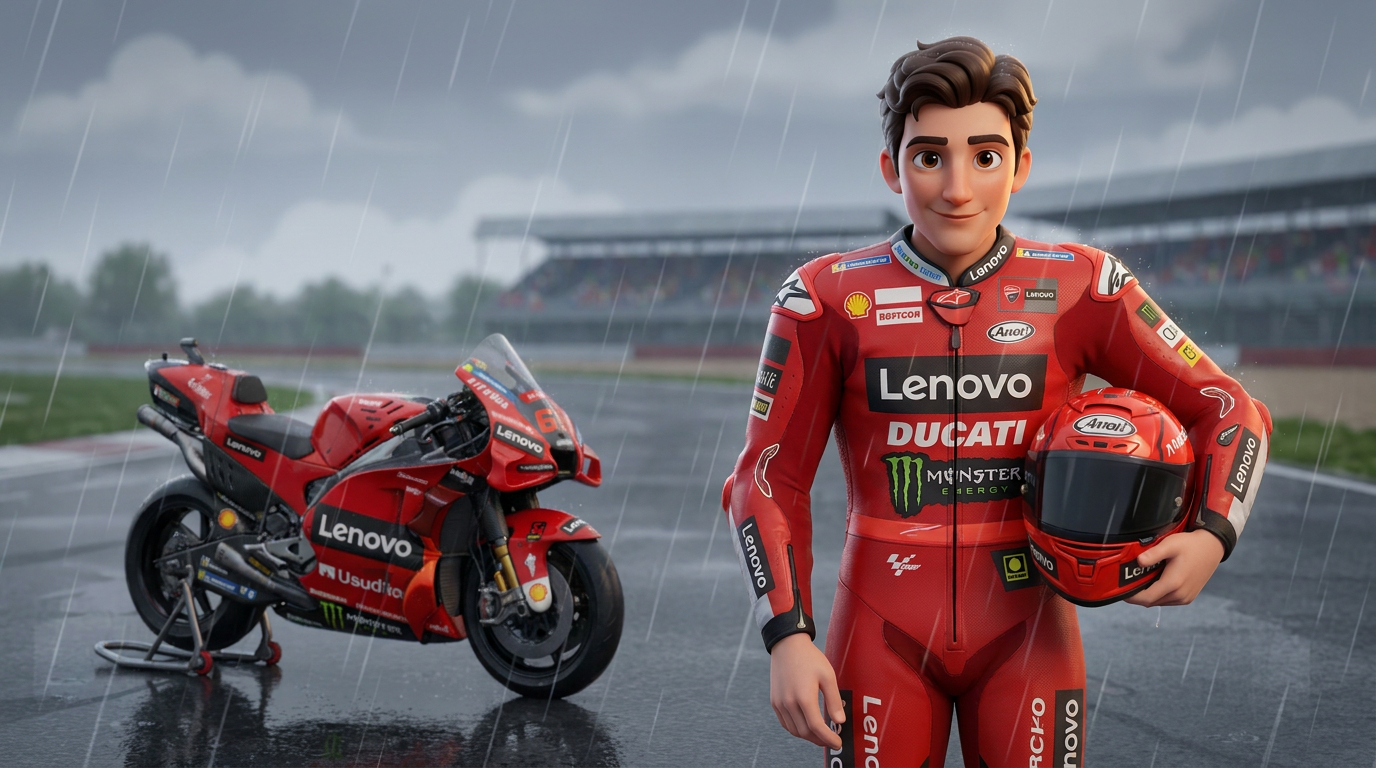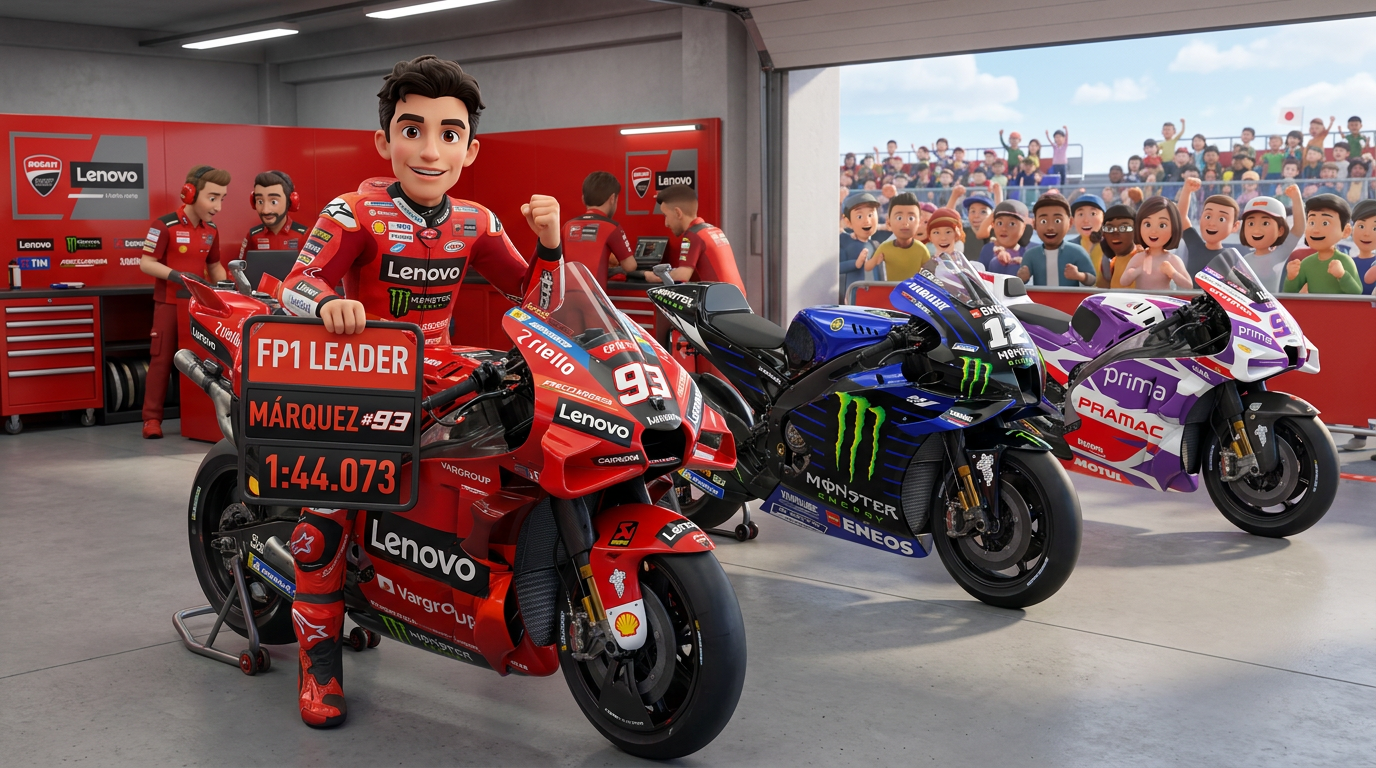
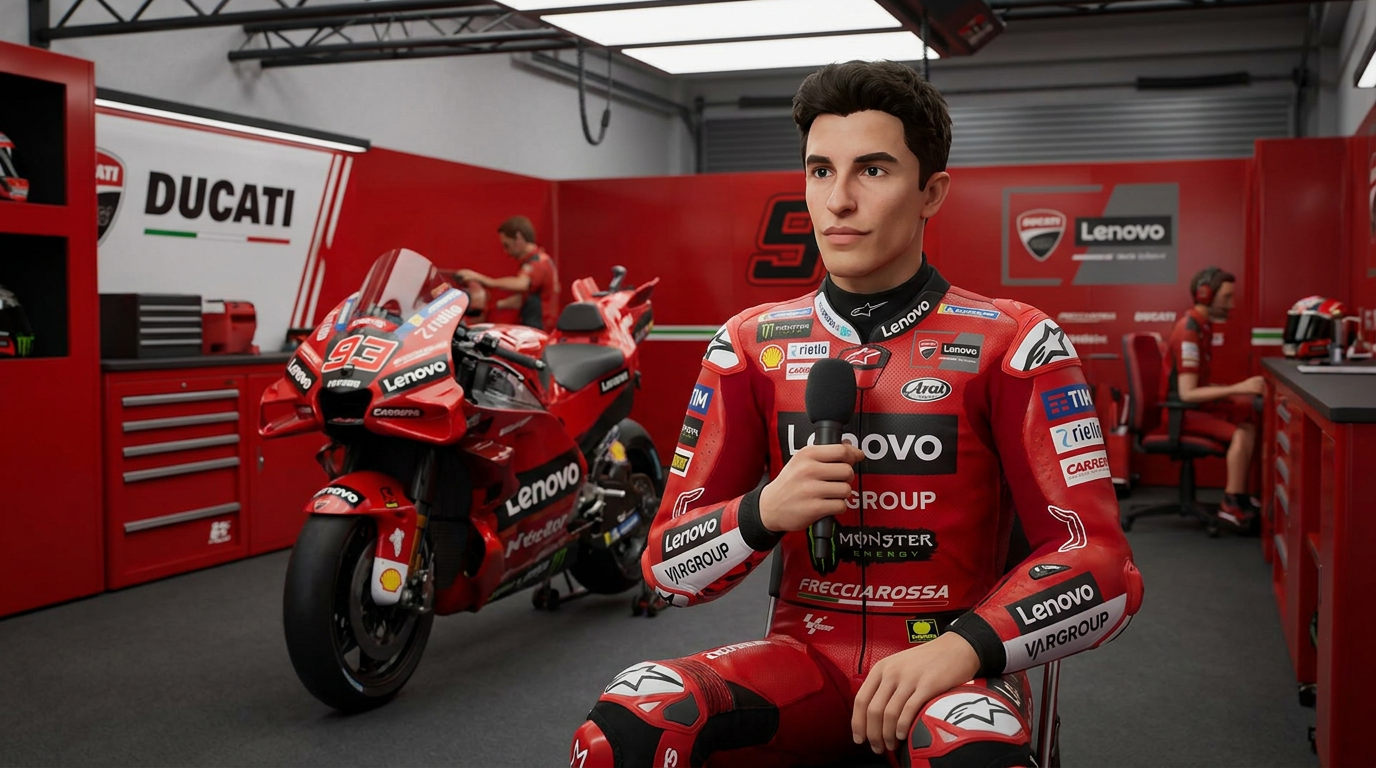
The extension of Marc Márquez's contract with Ducati until 2028 marks a significant shift not only in his career but also in the broader MotoGP landscape.
As the reigning MotoGP World Champion, Márquez's ongoing partnership with Ducati raises significant questions: How will this extension affect the championship dynamics? What strategic edge does Márquez bring to Ducati? How will the new contract impact Márquez's performance and recovery strategy?
Marc Márquez's Extension with Ducati
Márquez's initial contract with Ducati, slated to end in 2026, has now been extended for two more years, ensuring his involvement with the Italian manufacturer until 2028. This agreement signals Ducati’s commitment to leveraging Márquez’s skills and strategic racing acumen. According to Autosport, the new contract includes a significant salary boost, indicating Márquez’s indispensable role in Ducati's competitive strategy. Inside sources indicate that although Márquez secured better terms, the contract remains within reasonable limits compared to previous MotoGP deals.
Impact on Championship Dynamics
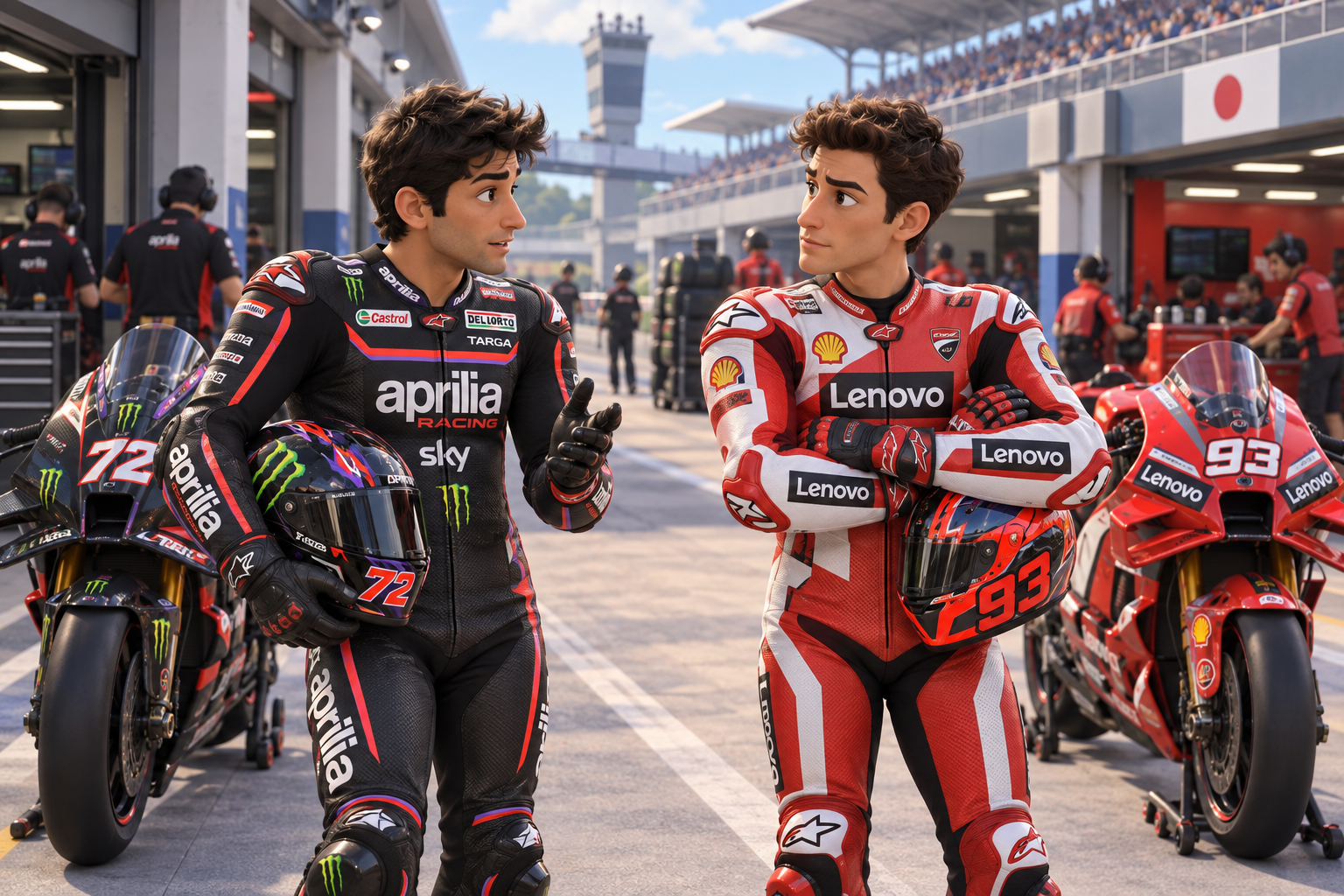
As the current season progresses, Márquez holds a pivotal position at the top of the standings, tied with Jorge Martín at 274 points. This neck-and-neck competition emphasizes the importance of Márquez's presence at Ducati, not only in maintaining their competitive edge but also in potentially determining the championship's outcome. His strategic prowess and race experience provide Ducati with the stability needed to fend off contenders like Aprilia and KTM, both of whom are also vying for top positions.
Márquez’s extension aligns with Ducati's strategic focus on stabilizing their rider lineup, thus reinforcing their position against formidable opponents. It also underscores Ducati’s confidence in Márquez’s leadership on the track, given his seven MotoGP titles and his resurgence after numerous physical setbacks.
Strategic Decisions and Team Dynamics
Ducati’s decision to retain Márquez not only rewards his proven track record but also aligns with a broader strategic goal of maintaining a stable, experienced team. This continuity in team composition is pivotal as they battle strong competitors. Márquez's relationship with Ducati is mutually beneficial; while Ducati gains from his experience, Márquez continues to refine his strategies and adapt to evolving competitive scenarios.
Beyond contractual details, Ducati's approach reflects a deeper strategic alignment, focusing on building long-term success by capitalizing on Márquez’s unique strengths, particularly his adaptability and tactical racing insights.
Márquez's Recovery and Performance Strategy
While Márquez’s contractual engagements are crucial, his personal strategy for health and performance is significant. Post-2020, Márquez has focused on recovery from injuries, especially considering the six surgeries on his right shoulder following his 2020 crash at Jerez. This personal commitment to recovery is evident in his methods, such as opting out of promotional events to concentrate on recuperation.
Innovative measures like workload monitoring have been integrated into his routine, allowing him to manage his physical condition meticulously. This aspect of his strategy is as vital as his tactical acumen on the track, ensuring his ability to consistently perform at peak levels.
The Road Ahead for Márquez and Ducati
Moving forward, Márquez’s presence at Ducati not only influences the present championship race but also sets the stage for long-term strategic positioning in MotoGP. As both he and Ducati navigate the future, their collaboration highlights a shared emphasis on adaptability and sustained competitive excellence. Márquez’s ability to draw from his vast experience and leverage his recovery strategy will be crucial in maintaining Ducati’s edge.
The extended contract is not just about maintaining competitive dominance but reflects a shared vision centered on resilience and innovation, vital for navigating the unpredictable trajectory of MotoGP seasons.