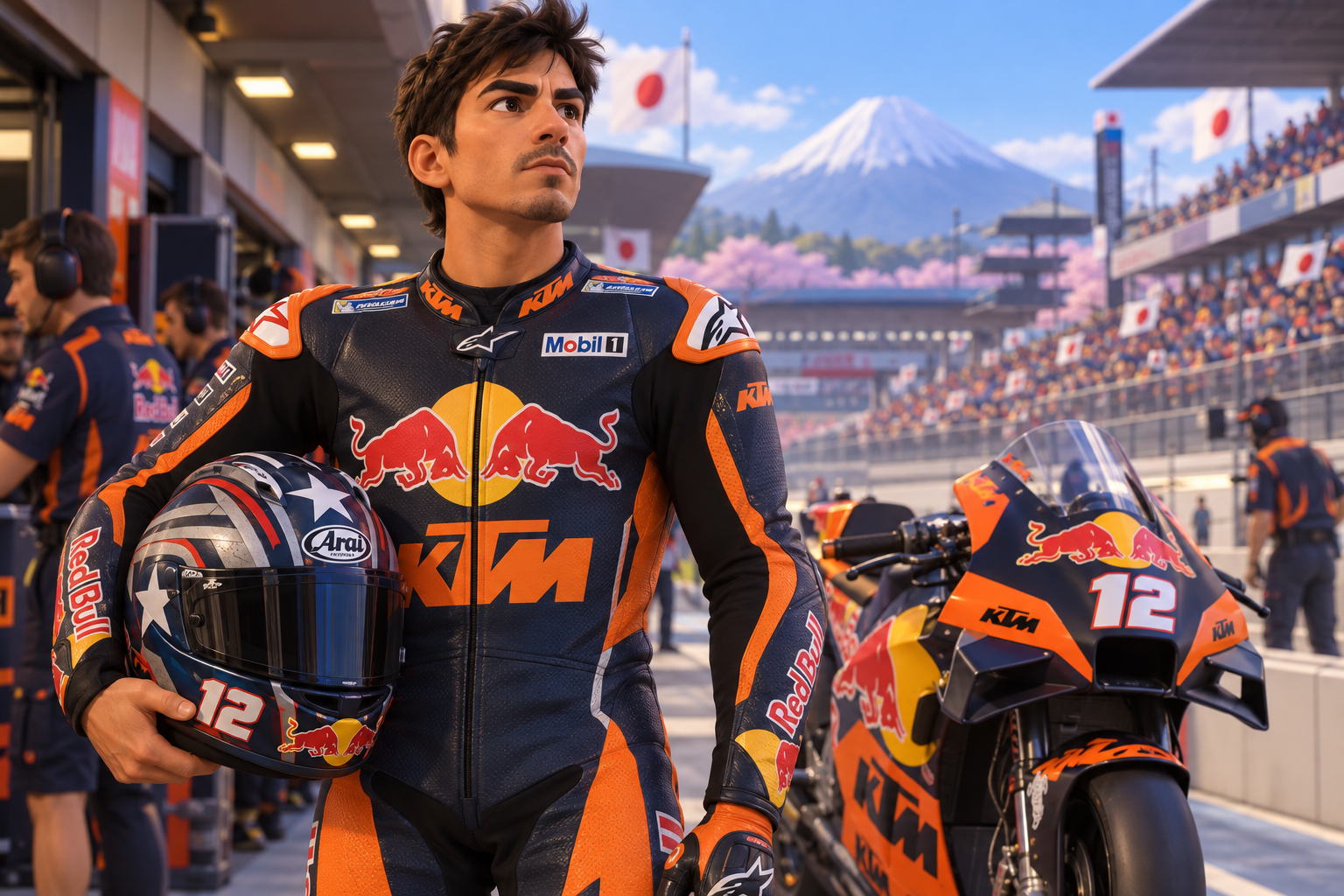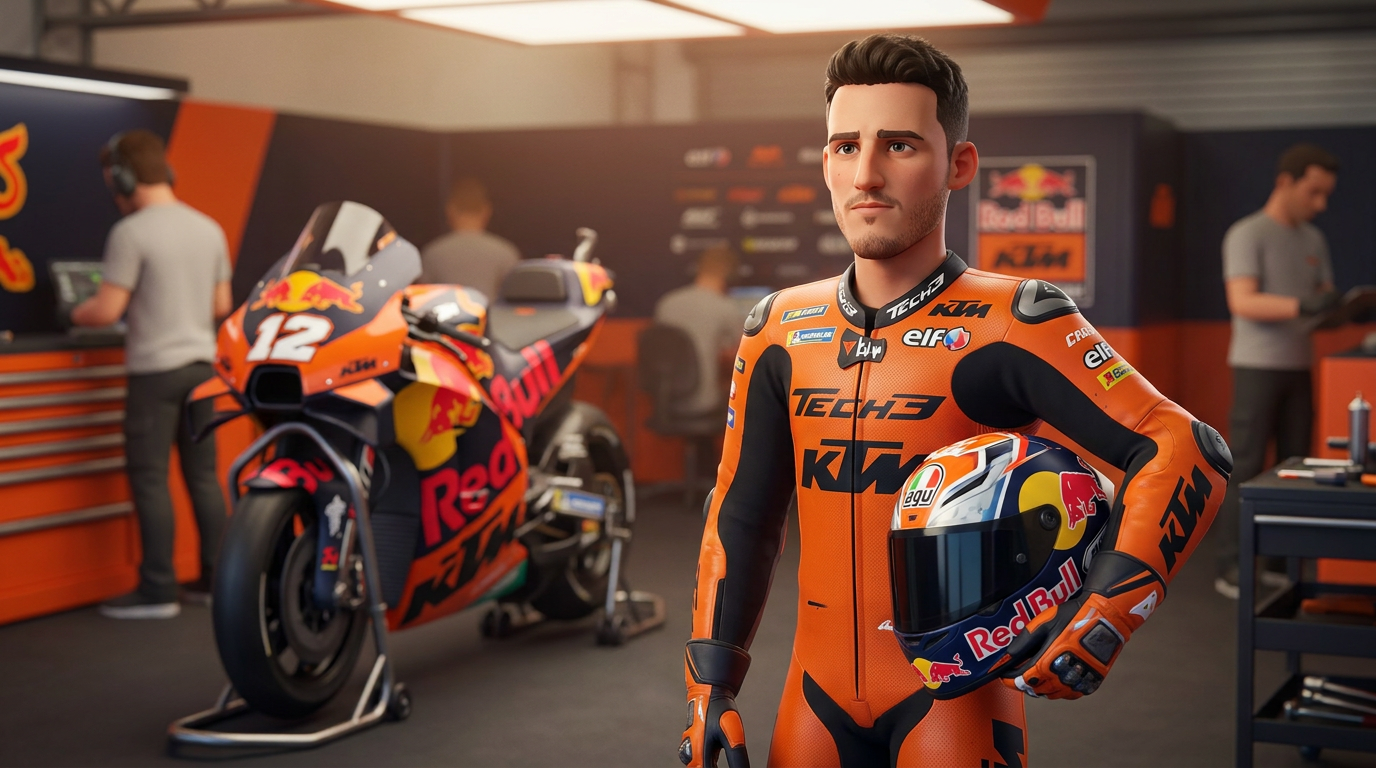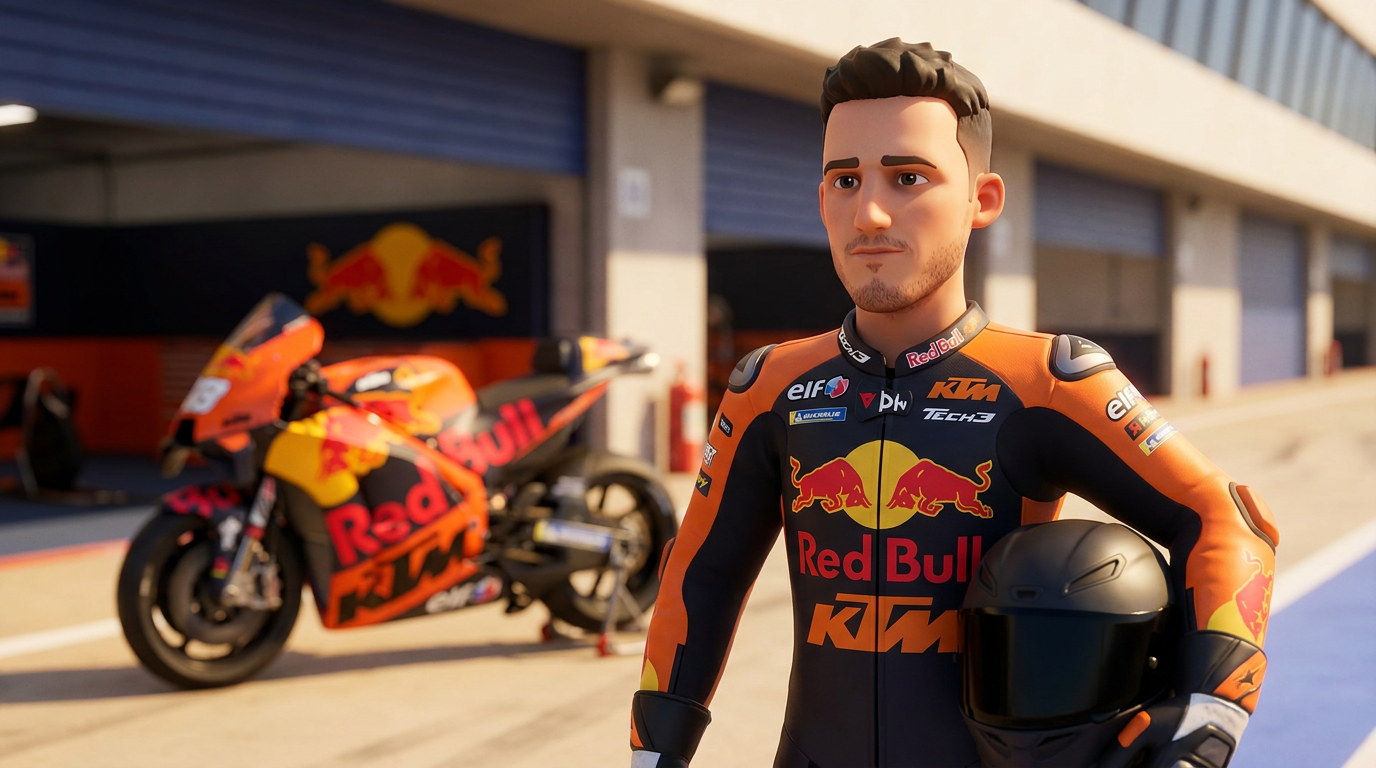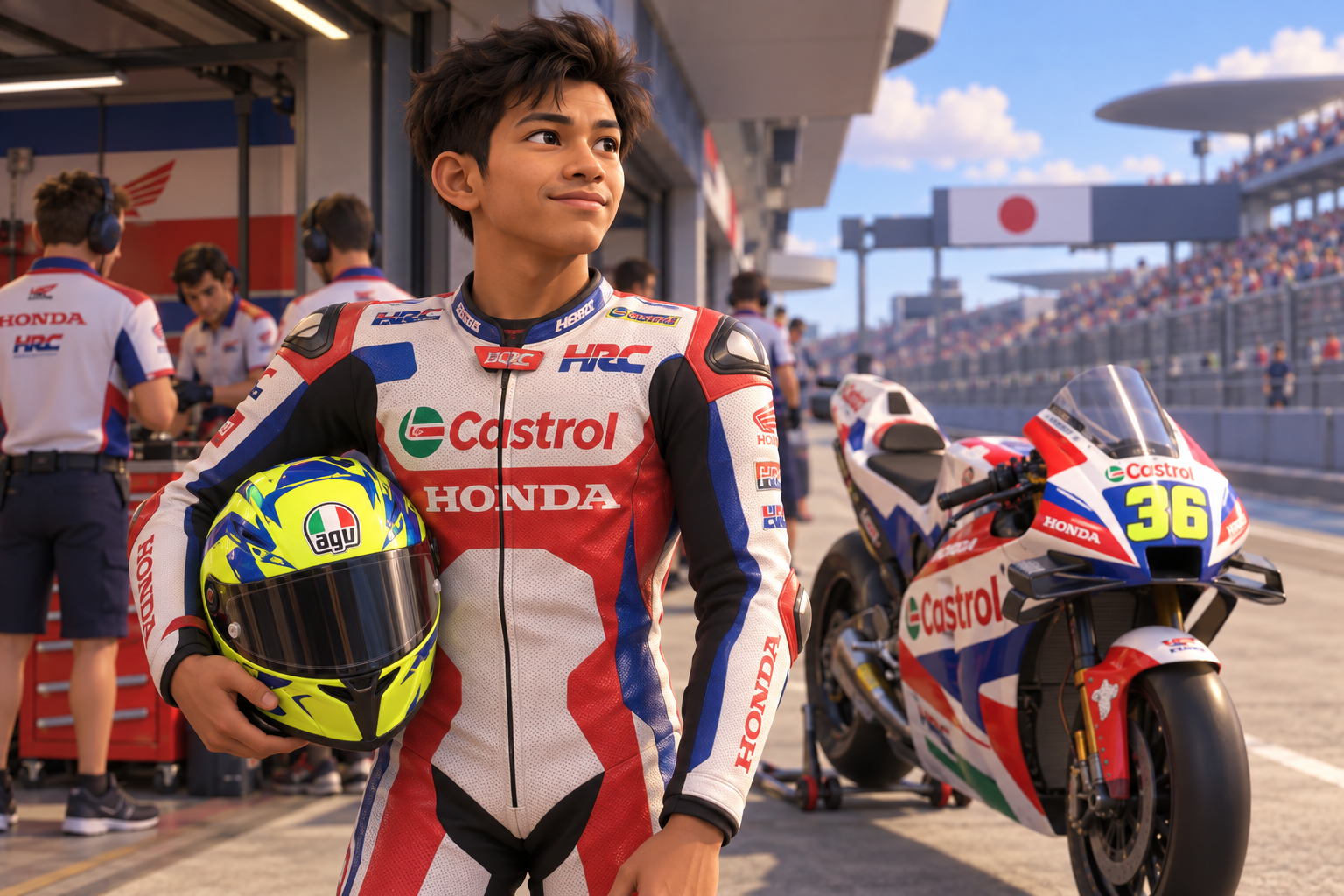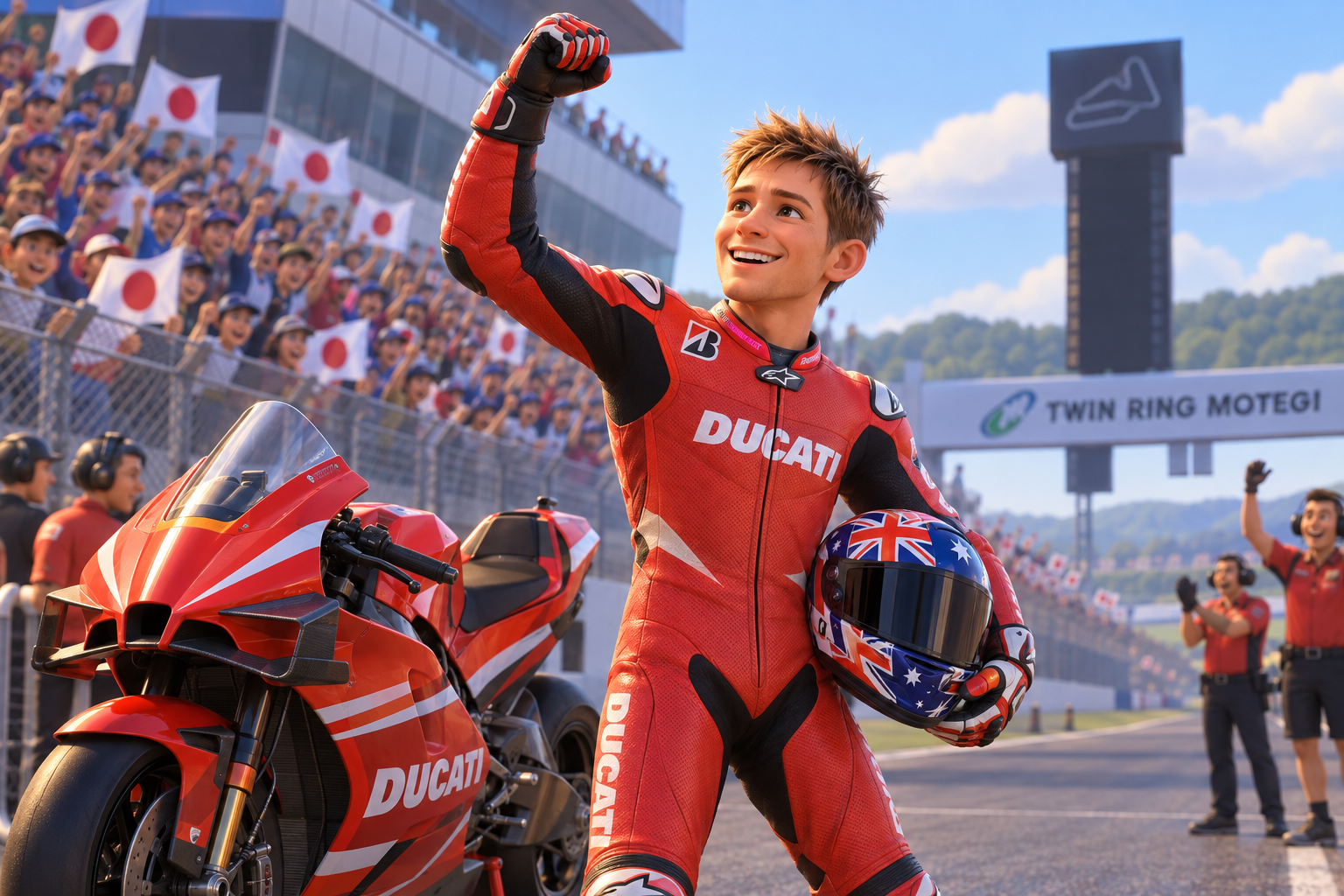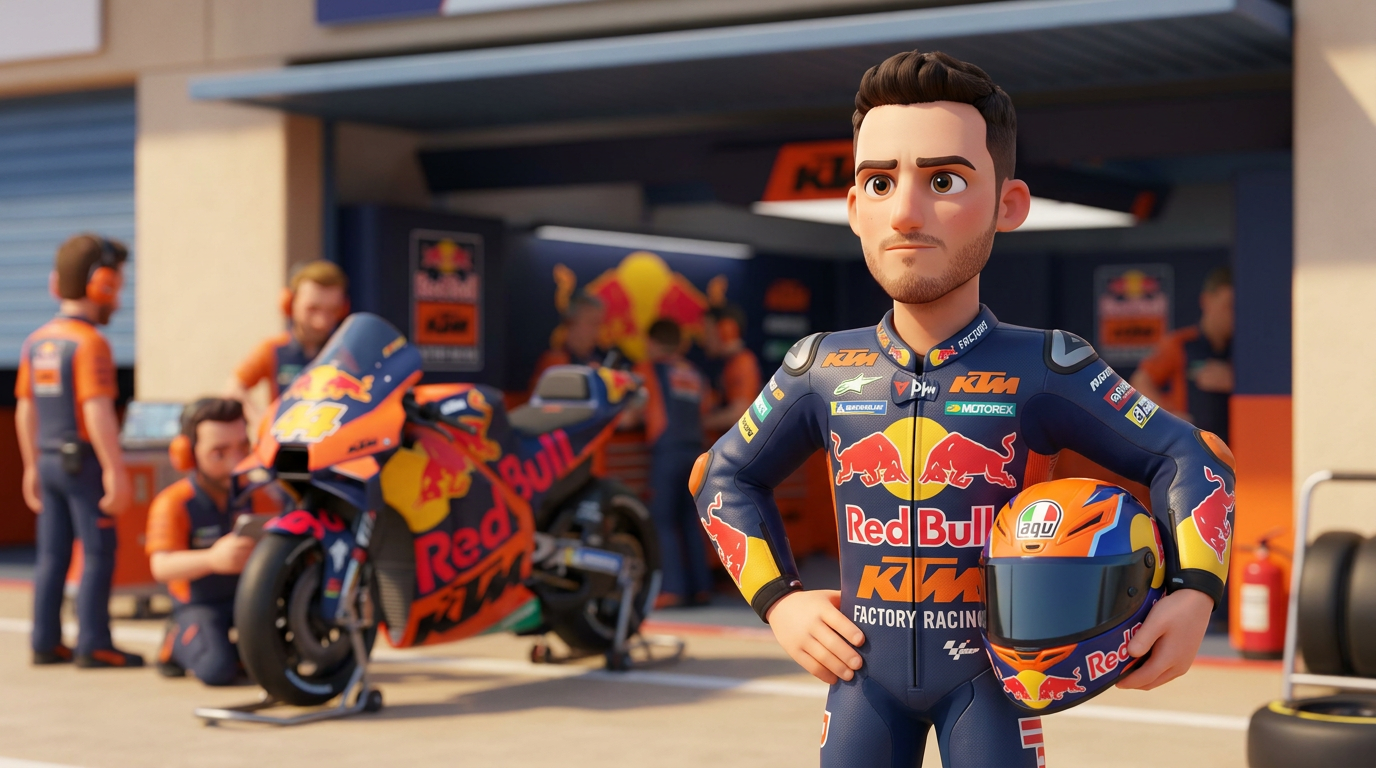
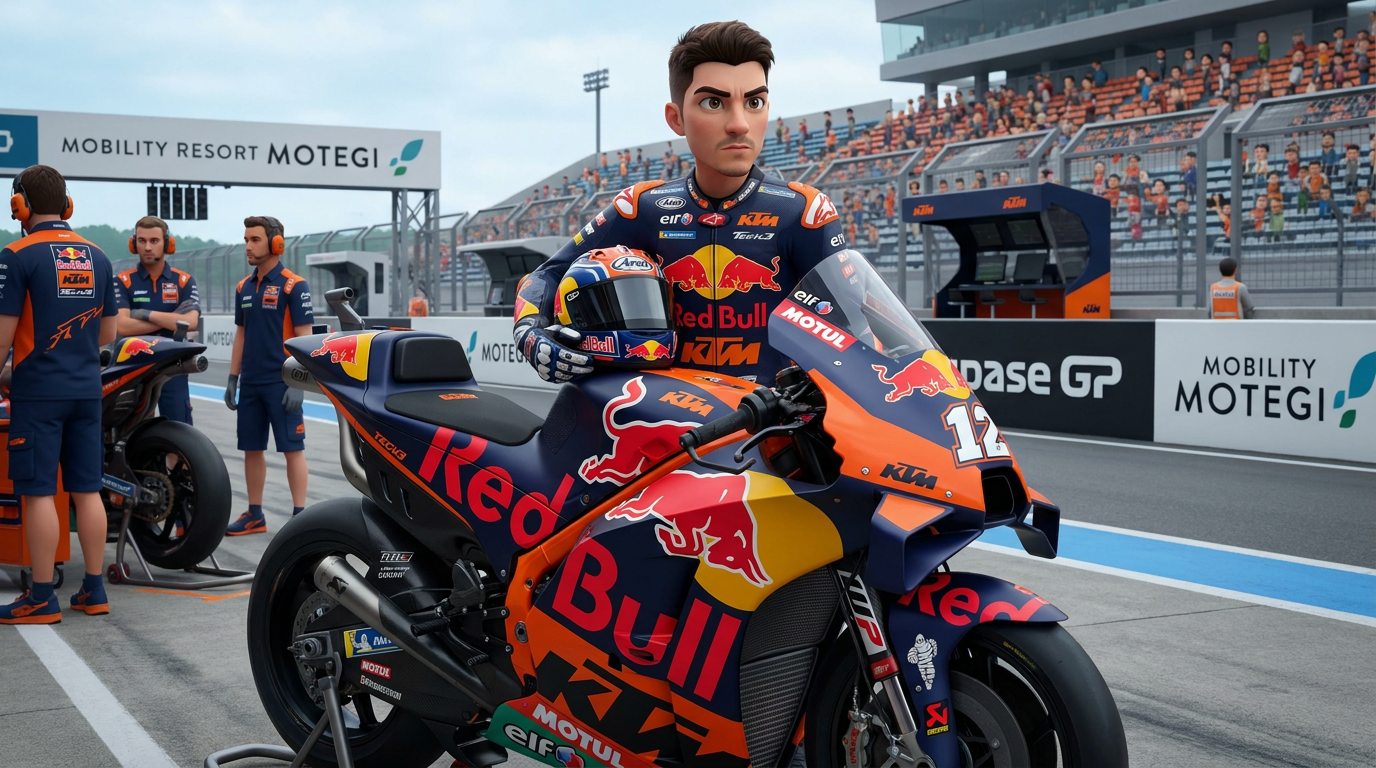
Maverick Viñales’ return to the MotoGP grid at the Motegi Grand Prix with Red Bull KTM Tech3 is a significant development that adds intrigue not only to the title contest but also to the strategic and technical maneuvers undertaken by his team.
Having missed the last five races due to a shoulder injury, Viñales now faces the challenge of a newly resurfaced Motegi circuit. This change in track surface requires newly optimized setups and technical tweaks to ensure he can compete effectively upon his return.
Setup and Aero Developments
Adapting to the resurfaced Mobility Resort Motegi track poses unique challenges, prompting the Tech3 team to make substantial adaptations to their setups. This involves focusing on grip levels, tire performance, and suspension tuning. Recent test data suggests that aerodynamic packages are being fine-tuned for maximum downforce while minimizing drag penalties. Such alterations are crucial in allowing Viñales to handle the track’s mix of tight corners and long straights effectively.
Tech3's initiatives include modifications to wing configurations and bike angles. These changes aim to provide Viñales with a blend of stability and agility—a necessity for maintaining high-speed efficiency on straights and maneuverability in slower sections. The success of these aerodynamic modifications will not only impact Viñales' performance but could offer viable insights for future races.
Tire Behavior and Management
With the reworked track surface at Motegi, potential tire degradation is a concern. The team's analysis suggests prioritizing medium and hard compound tires for Viñales, paralleling strategies likely to emerge from other teams. The focus remains on optimizing compound endurance and ensuring consistent performance across race distances. This strategy is tightly integrated with their pit strategy and in-race decision-making, making tire management a pivotal factor for success.
Fuel and Brake Management Techniques
Motegi's demanding circuit—with its combination of high-speed acceleration and frequent braking zones—necessitates advanced strategies in fuel and brake management. Viñales and his team are refining past race data to optimize electronic and power delivery settings. This fine-tuning aims to curtail fuel consumption while maintaining competitiveness.
Similarly, brake system modifications, such as adjustments to caliper pressure and rotor materials, are being optimized to enhance efficiency and reliability. Maintaining brake integrity and reducing thermal stress are crucial, especially given that extended races will test the limits of material performance.
Sector-Specific Strategies
Utilizing data analytics, Tech3 has developed a sector-specific approach, identifying areas of the track where particular improvements can yield significant gains. Viñales' track familiarity and updated telemetry provide valuable feedback on how these changes impact performance. This data-driven strategy aims to enhance lap times through precise, sector-focused adjustments.
Sector-specific strategies are essential because they allow the team to target energy management challenges directly, optimizing bike performance in various track segments. This could provide a competitive edge not just for Viñales, but potentially for other Tech3 riders in future races.
Broader Championship Perspective
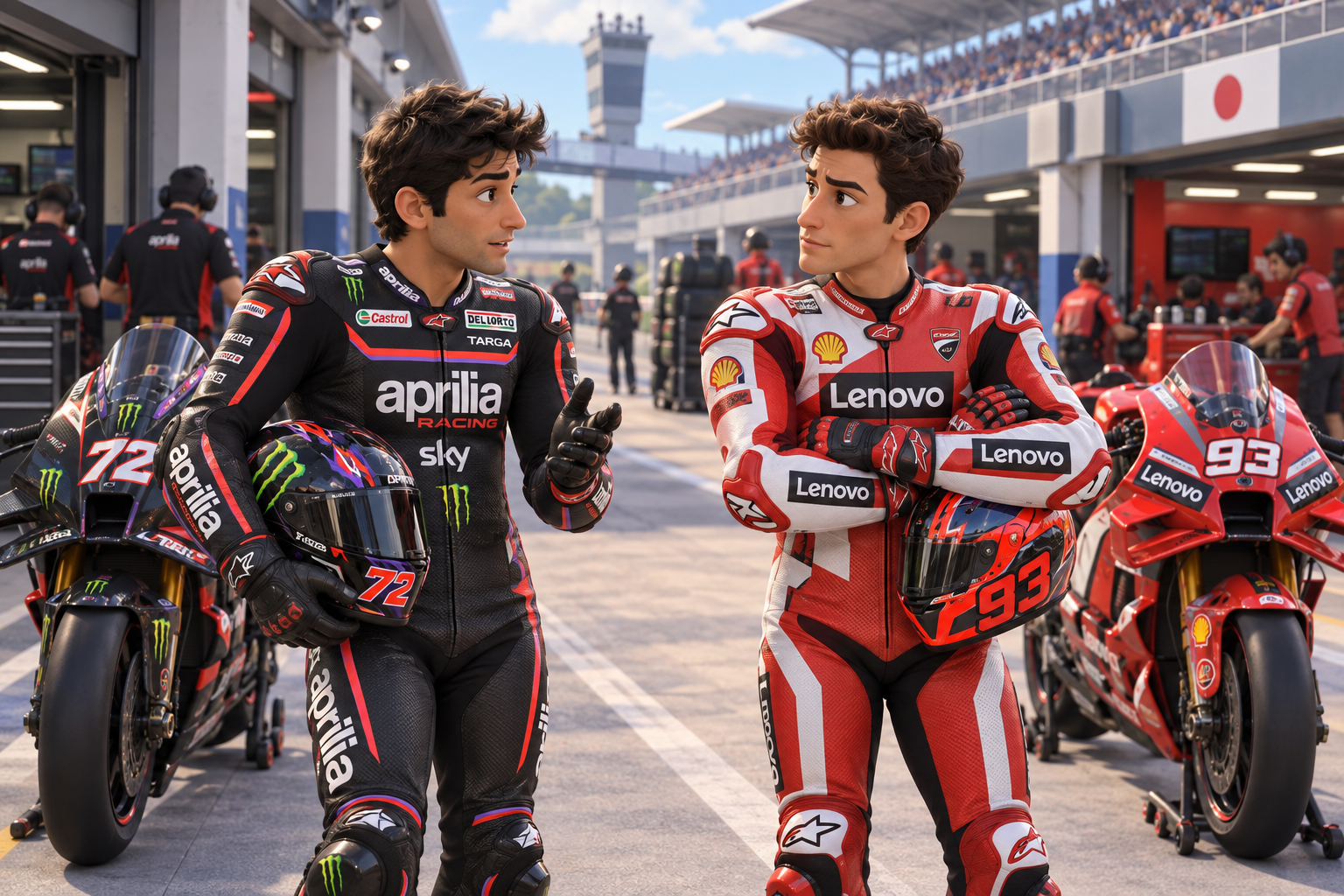
The return of Maverick Viñales at the Japanese Grand Prix does more than add another name to the race lineup. It injects new possibilities into the ongoing championship battles. For instance, Marco Bezzecchi is 42 points adrift of leader Jorge Martín, while Marc Marquez is just 12 points behind. As the MotoGP season progresses towards its climax, these discrepancies highlight the importance of every technical adjustment and strategic decision.
With Ai Ogura ranked 6th in the World Championship standings and expected to perform well on home soil at Motegi, his role promises excitement for the Japanese circuit, which continues to capture significant audience interest. Last year's Grand Prix exceeded a 90,000 spectator turnout, underscoring the event's high stakes and appeal.
The Road Ahead
As Viñales integrates back into the fast-paced world of MotoGP, the efficacy of these technical strategies will undergo rigorous testing. The focus on converting technical theory into competitive advantage sets the stage for the team’s performance on the resurfaced Motegi track. Upcoming races will reveal the impact of these developments on the current season, with teams aiming to optimize their efforts in pursuit of championship success. There is a close watch on how these strategies might influence future races and the broader competitive landscape of MotoGP.