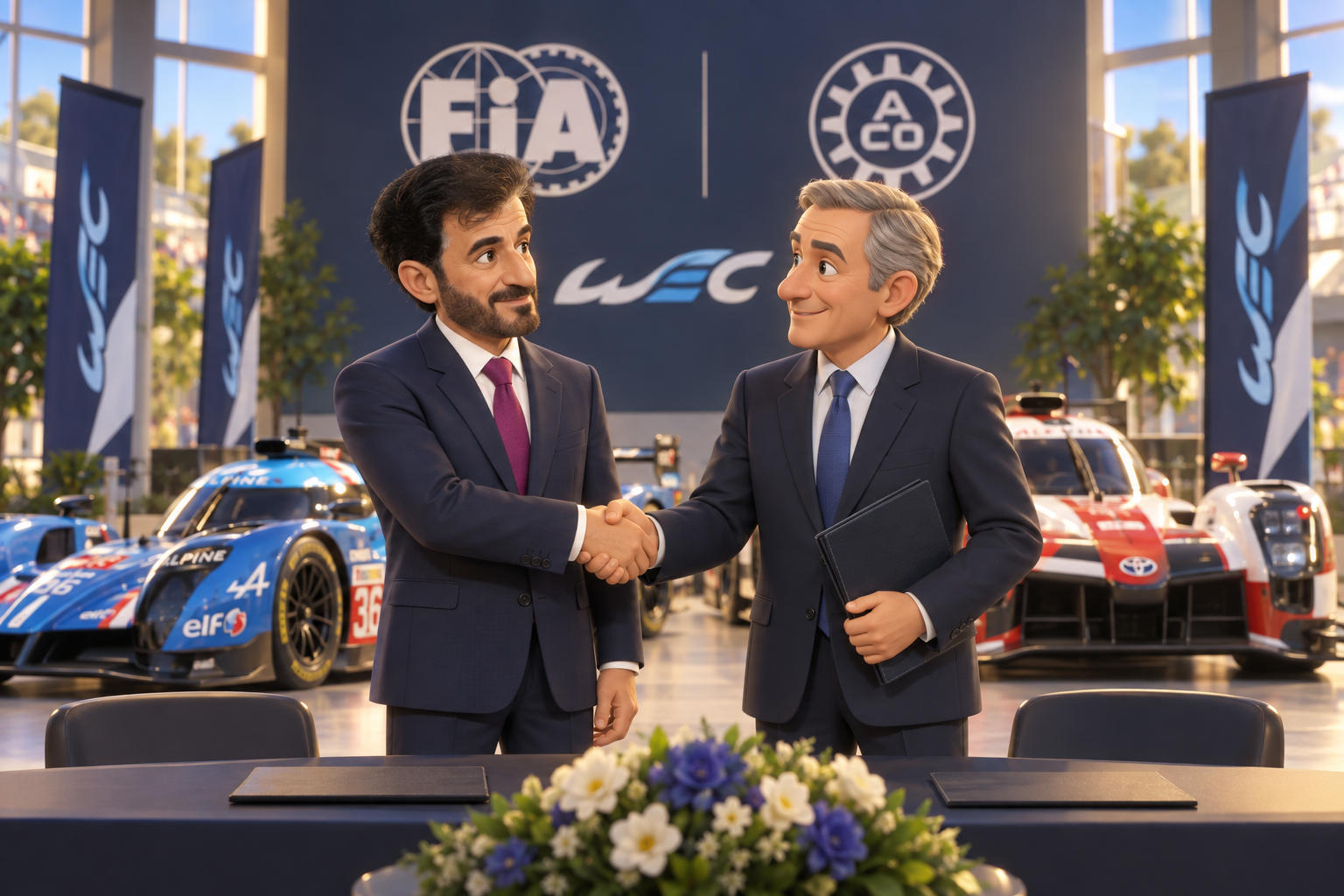
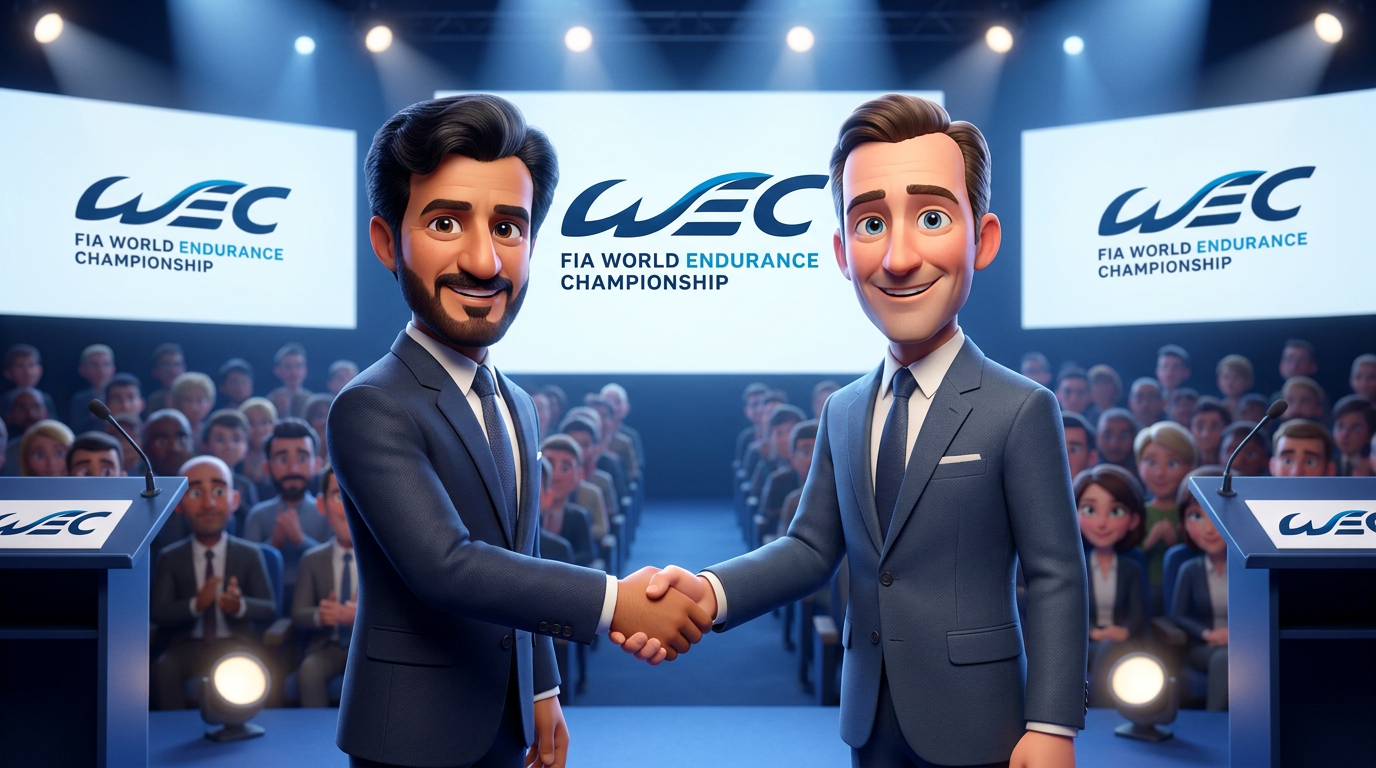
The recent announcement by the FIA and the Automobile Club de l’Ouest (ACO) of a 10-year extension to their partnership has set the stage for a pivotal period in endurance racing.
Scheduled to begin in 2028 and last until 2037, the extended agreement aims to provide a stable strategic framework that will drive both operational and commercial growth for the FIA World Endurance Championship (WEC).
Enhanced Regulatory Framework
Central to the new agreement is the bolstered role of the FIA in regulatory oversight, ensuring consistency across the championship. The FIA Endurance Commission and the FIA World Motor Sport Council will have final approval on all regulations, promoting a unified regulatory standard. The FIA and ACO will also collaborate on the homologation process for the Hypercar class, ensuring streamlined and consistent vehicle standards across all participating manufacturers. This new level of regulatory involvement is expected to enhance the integrity and fairness of the competition.
Commercial and Branding Expansion
The enhanced branding provisions are a major highlight of the agreement. Significant expansions of FIA branding across the championship—from parc fermé and podium to Safety Cars and broadcast coverage—are planned. This increased visibility is tailored to increase the championship's commercial appeal and engage a broader global audience. With a trackside audience growth of more than 8% in 2026 alone, the WEC is poised to leverage this growing interest. As stated by Mohammed ben Sulayem, FIA President, "This is a deal built for the future…one that strengthens the collaboration…and sets the championship up for a decade of record growth."
Demographic Shifts in Audience
The demographics of the FIA WEC audience are shifting toward a younger and more diverse base. In 2026, 44% of trackside attendees were aged 34 or younger, and 40% were attending their first WEC event. This shift demonstrates a successful outreach strategy towards new fans and highlights the importance of engaging younger audiences for the future sustainability of the sport. The data underscores a changing landscape where the WEC is not only retaining its traditional fan base but is also successfully expanding to include a new generation of fans.
Impact on Manufacturers
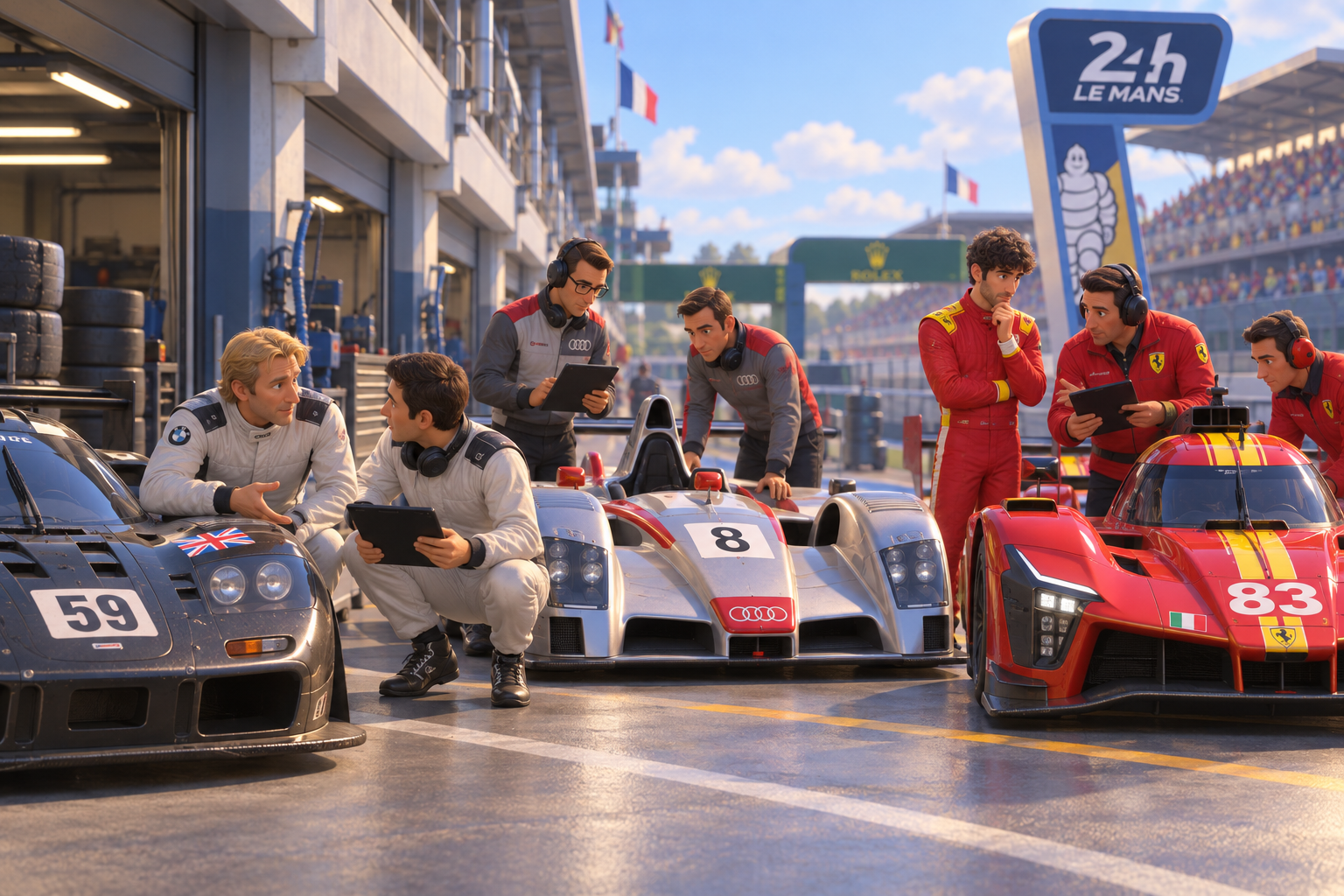
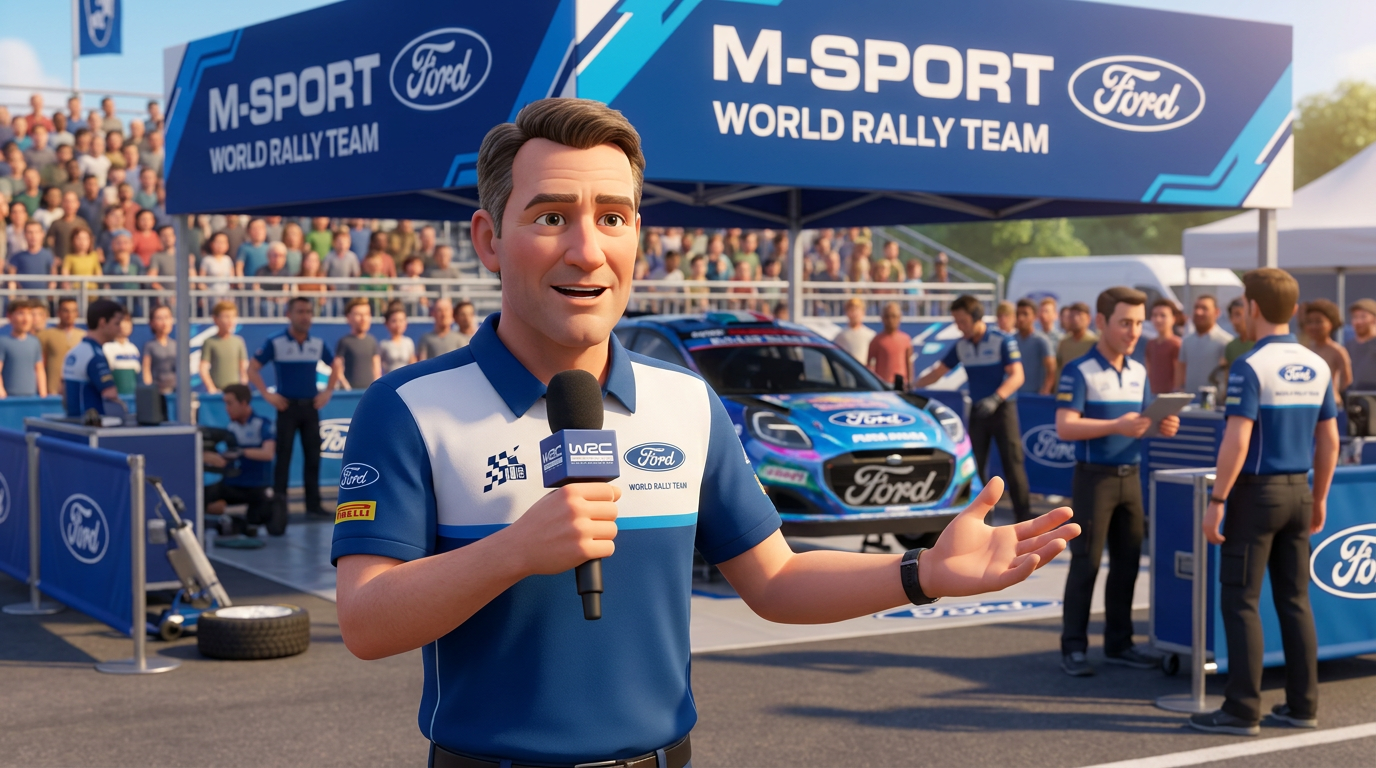
The FIA WEC is currently home to eight automotive manufacturers in the Hypercar class, with a total of 14 marques competing across all classes. The inclusion of new entrants Ford and McLaren into the Hypercar class by 2027 promises to shake up the competitive dynamics of the series. As Pierre Fillon, President of ACO, remarked, "We are delighted to see the agreement…extended…reinforcing…the strong…relationship…since its creation in 2012." The addition of these iconic brands is expected to create new riveting rivalries that could further elevate the profile of the championship.
Technological Advancements on the Horizon
The new agreement also underlines a commitment to technological innovation within the championship. The WEC’s historical role as a 'testbed' for cutting-edge automotive technologies will continue, particularly in the development of hydrogen powertrains. This ensures that the championship remains not only a thrilling motorsport series but also a leader in sustainable technology advancement. The long-term framework is designed to encourage innovation, offering manufacturers a viable platform to develop and showcase new technologies that could later transition from track to road.
The Road Ahead
As the FIA WEC gears up for another decade under this renewed agreement, the series is poised for substantial growth fueled by regulatory consistency, commercial expansions, and technological advancements. However, the extent to which these initiatives will translate into competitive parity and technological breakthroughs remains to be seen. The anticipation surrounding Ford and McLaren's entry into the championship adds another layer of intrigue as fans and manufacturers alike look forward to the possible transformations within the Hypercar class.