
WEC should use Hypercar’s planned 2030 refresh to give LMGT3 a stronger endurance identity while protecting customer teams and controlling costs.
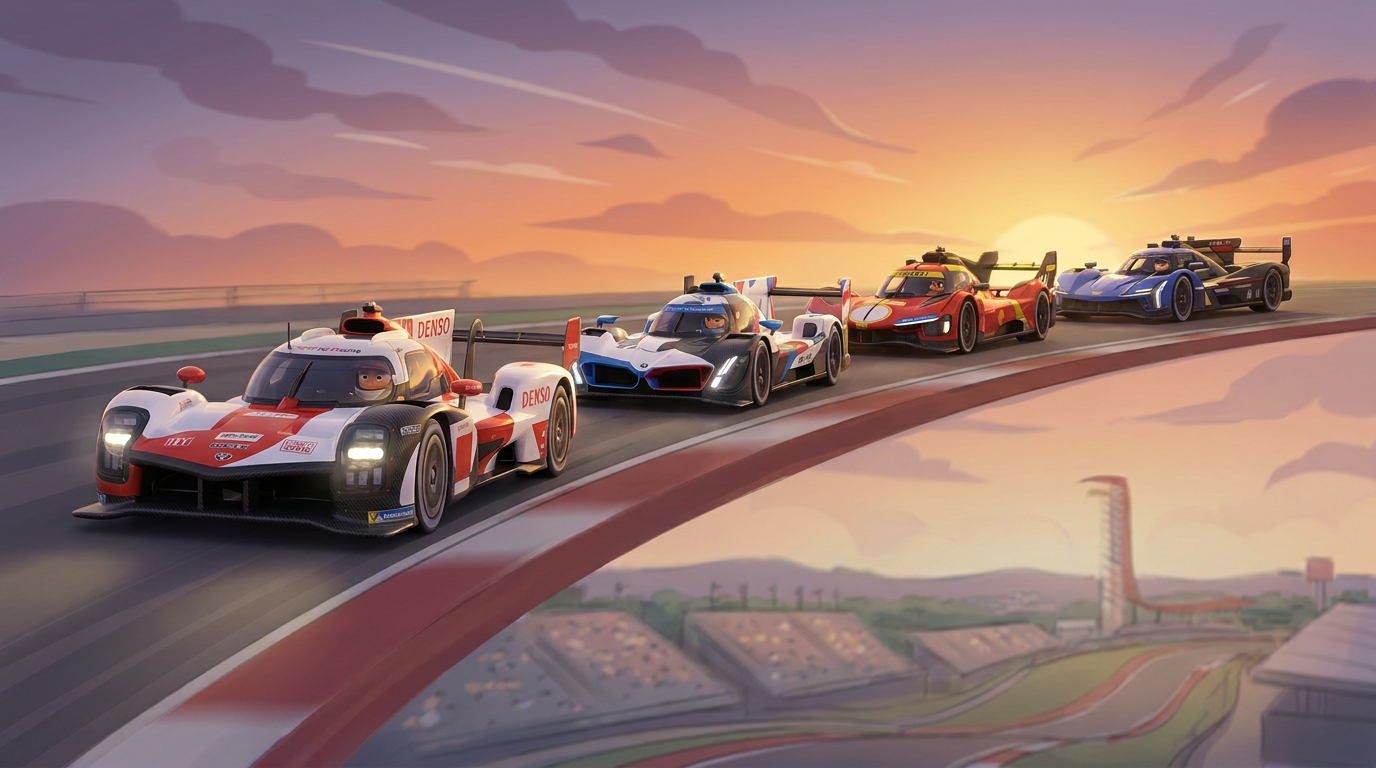
WEC currently features 14 manufacturers, Ford and McLaren are set to join Hypercar in 2027, and 350,105 fans attended this year’s 24 Hours of Le Mans. That boom brings an obligation to address LMGT3 before the class slips too far behind the championship’s prototype centerpiece.
The imbalance is getting harder to ignore
Recent reporting has raised the possibility that GT3 will need a rethink alongside WEC’s planned 2030 Hypercar refresh. That discussion should start now, before the next technical cycle is locked in.
LMGT3 still delivers close competition. The Corvette trio leads at midseason after winning Le Mans, while Manthey’s São Paulo podium put it firmly back in contention. Sporting drama is not the issue. The question is whether a widely used customer-racing platform remains the right long-term fit for a world championship with a top class that is advancing rapidly on the technical front.
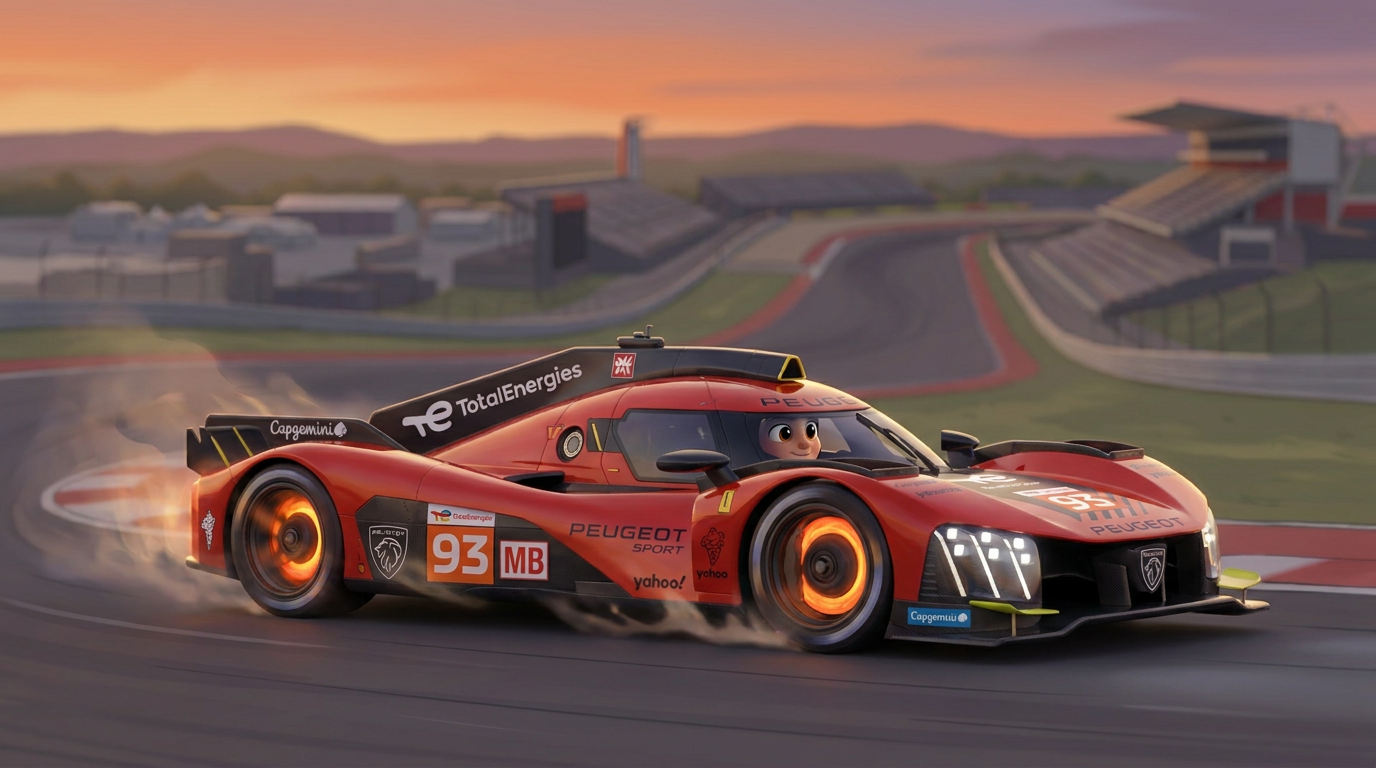
Hypercar increasingly gives manufacturers a distinct identity and a reason to develop cars specifically for endurance racing. LMGT3, by contrast, relies on machinery built to serve numerous championships, customers and performance windows. That practicality helps maintain healthy grids, but it restricts how closely WEC can tailor the cars to its own requirements.
Evolution is better than another costly reset
WEC should not abandon GT3. Replacing an accessible global formula with another costly technical arms race would put the private teams that give the class its value at risk.
Instead, the FIA and Automobile Club de l’Ouest should use 2030 to introduce an LMGT3 specification with a stronger endurance focus. The priorities should include:
- improved durability for long-distance racing;
- clearer technical freedom for endurance-specific development;
- controlled costs with continued customer availability;
- rules that retain recognizable production-car styling.
The goal should be evolution that keeps today’s teams involved. A phased transition, backed by firm cost limits and early consultation with manufacturers, would be more credible than allowing competitive or commercial pressure to trigger an abrupt change.
WEC should act from a position of strength
This is the right time for difficult decisions. WEC has manufacturer momentum, a Le Mans attendance of 350,105 and competitive fights in both classes. LMGT3 should retain a defined endurance identity rather than settle into life as a well-populated support category when Hypercar changes in 2030. Officials should begin shaping that future now, allowing GT racing to grow alongside WEC instead of simply following it.