Toyota’s No. 7 Le Mans victory strengthens its WEC legacy and sharpens the comparison between sustained success and Ferrari’s modern peak.
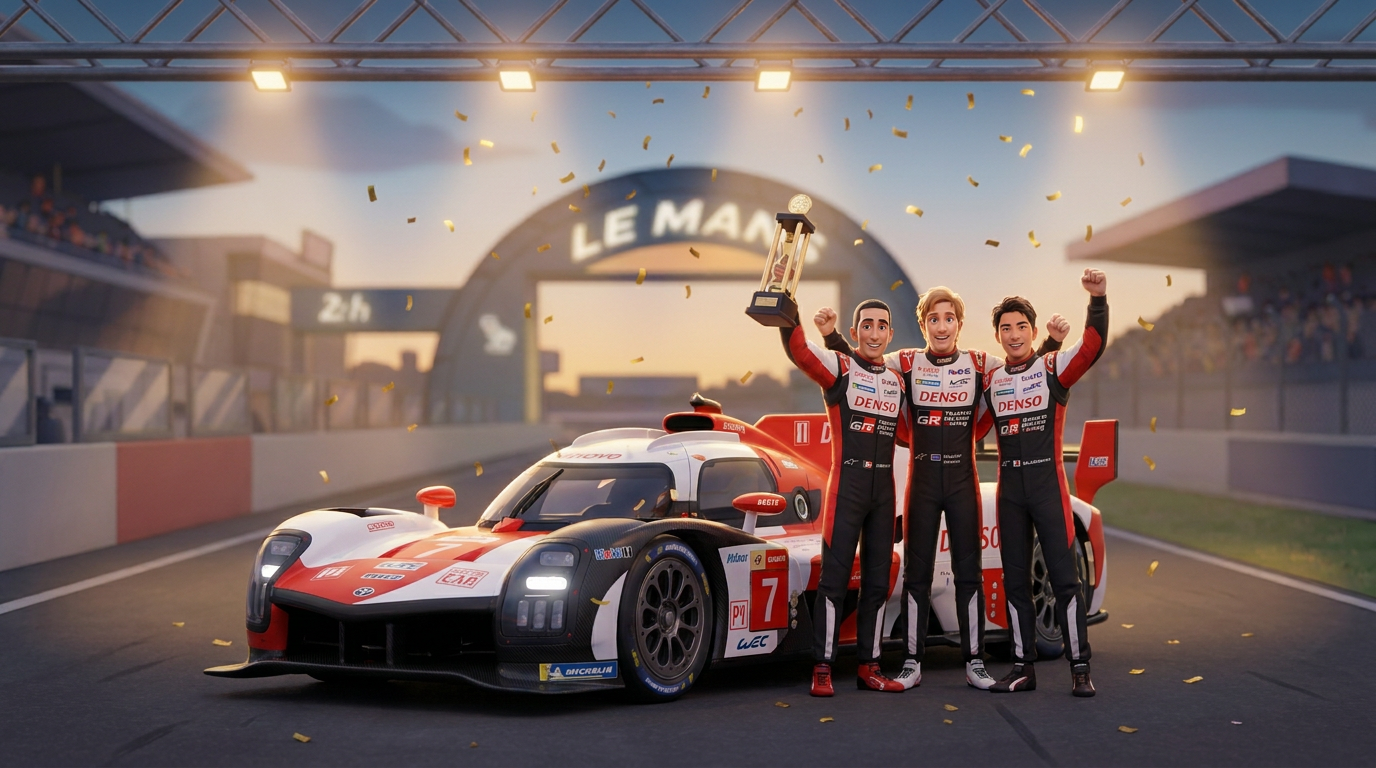
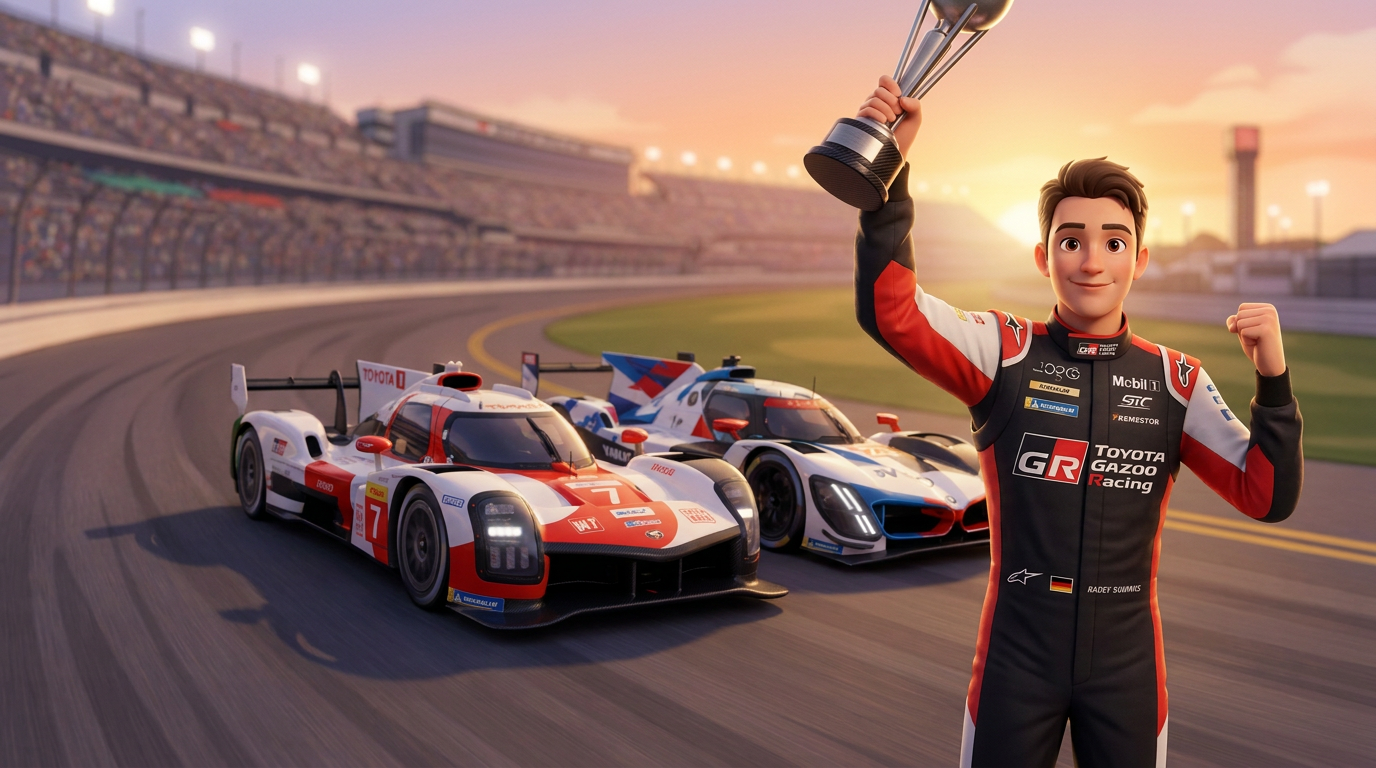
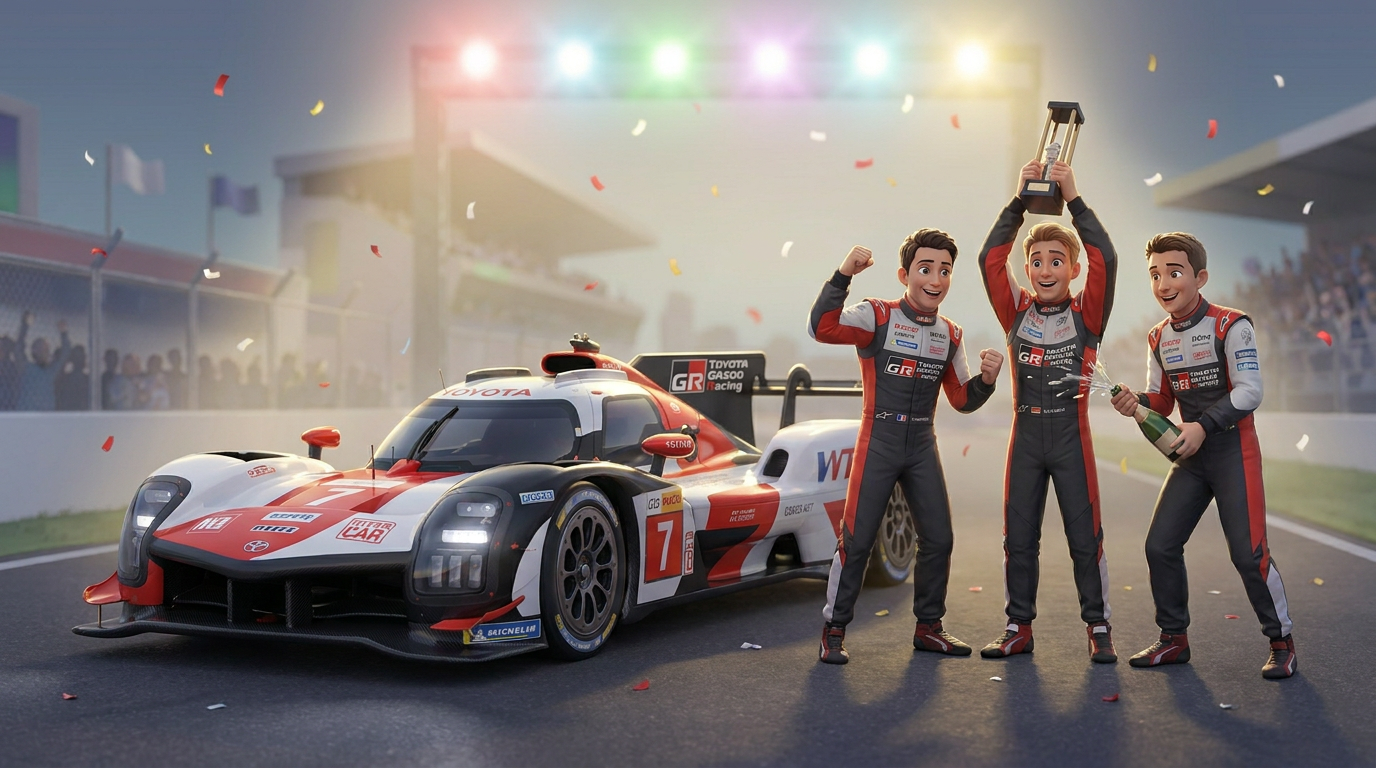
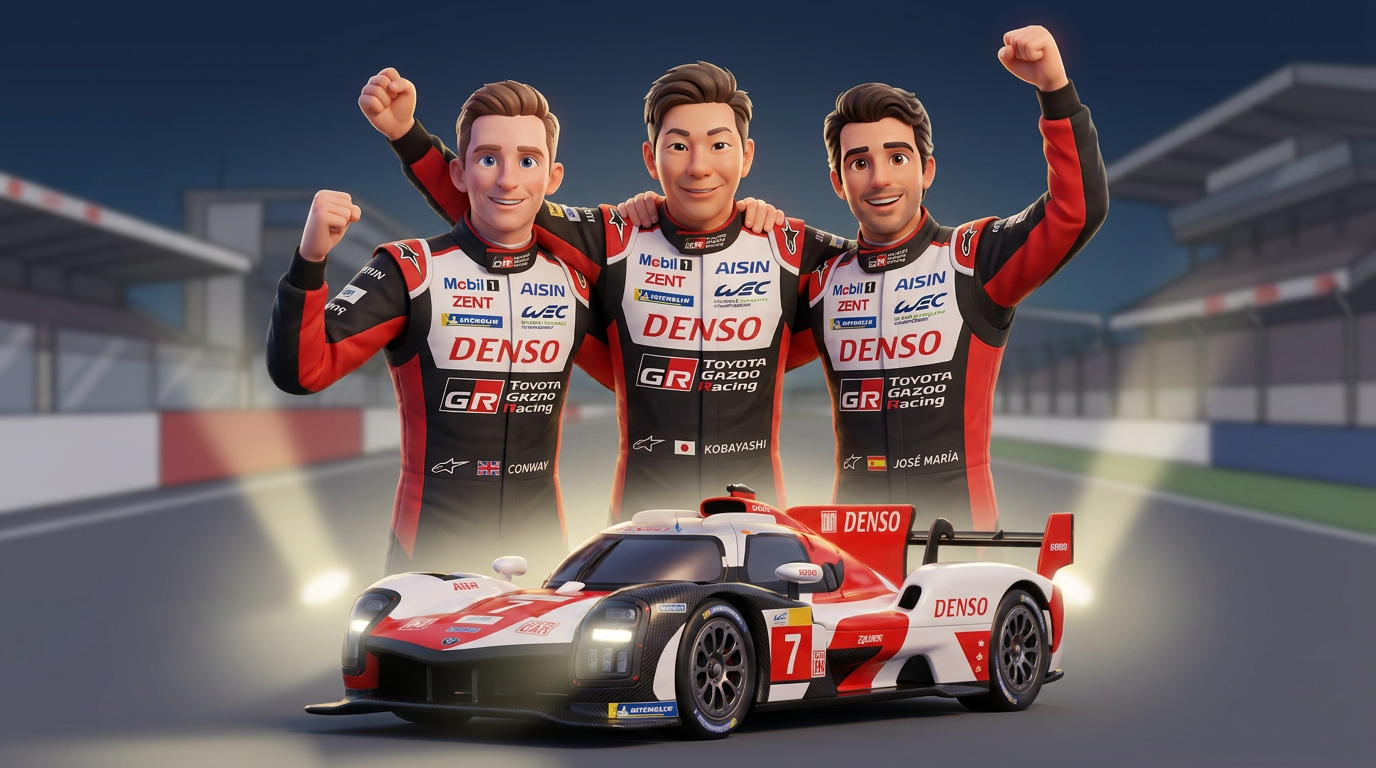
Toyota’s No. 7 victory at the 2026 24 Hours of Le Mans moved the manufacturer into the Hypercar championship lead. It also strengthened the historical standing of a car number long associated with near misses, resilience and elite endurance-driving lineups.
A crucial result for Toyota
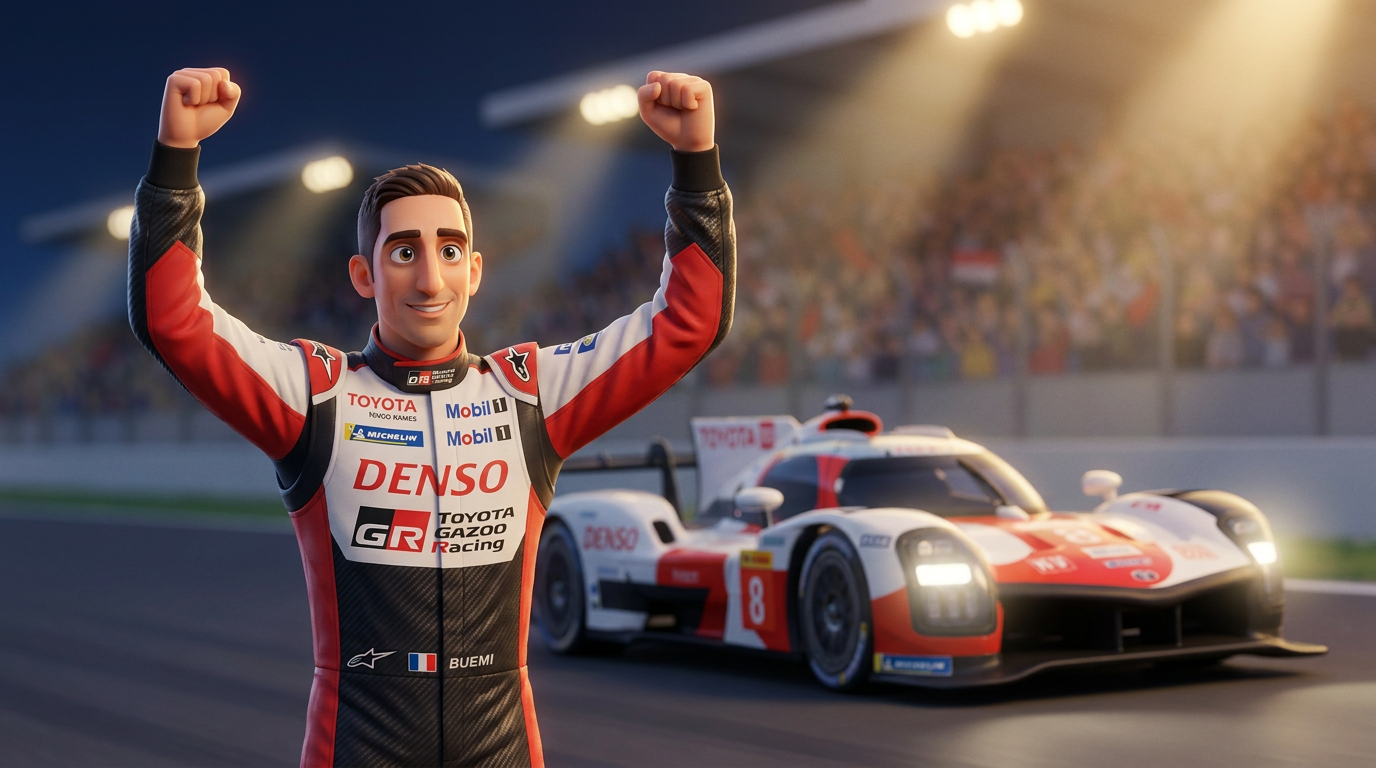
The official FIA World Endurance Championship midseason review has Toyota leading the Hypercar standings after three rounds. Victory at Le Mans for the No. 7 crew delivered the decisive result, while the No. 8 Toyota finished third.
That combination carries weight in any assessment of greatness. Le Mans holds enormous prestige, and Toyota put two cars on the podium while turning the championship’s defining event into the lead in the season-long contest.
No. 7 reaches another landmark
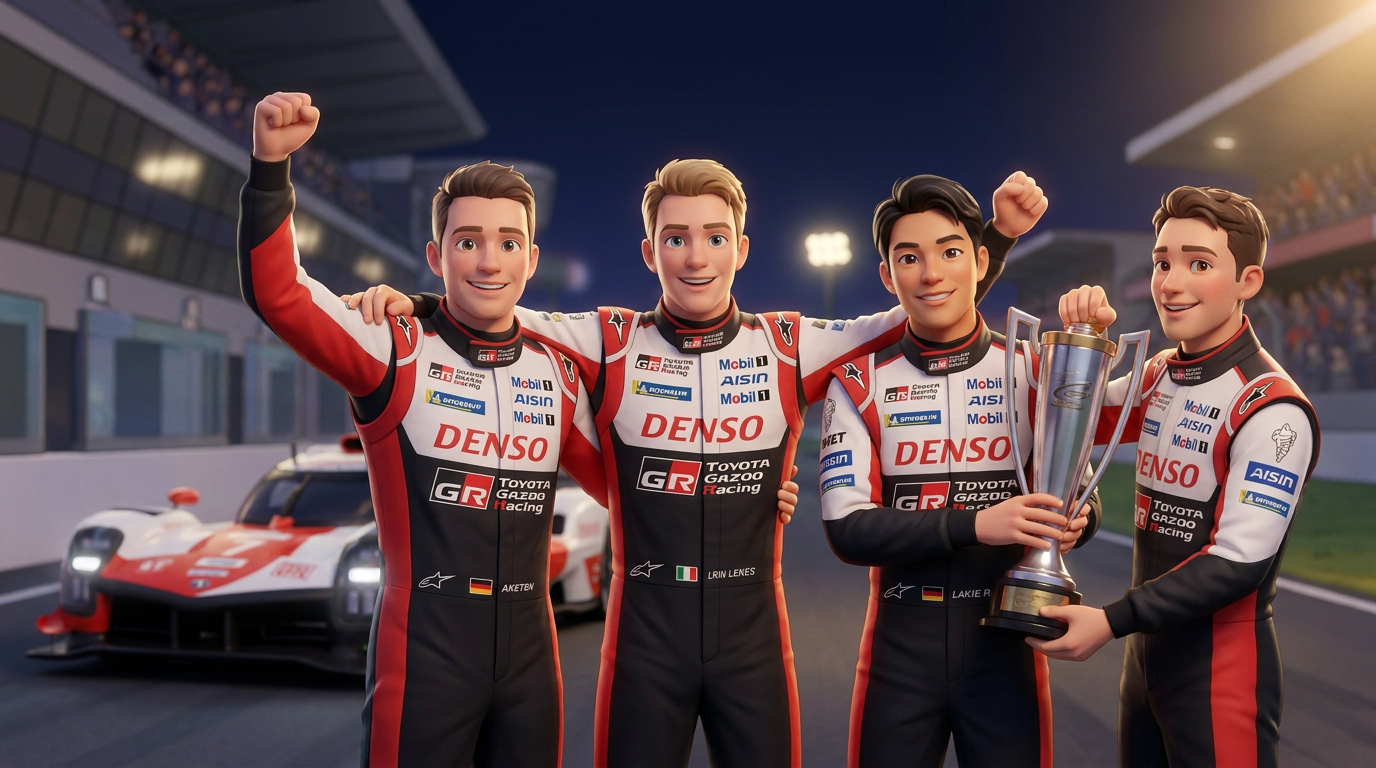
Toyota’s No. 7 lineage already featured the 2019-20 WEC drivers’ championship won by Mike Conway, Kamui Kobayashi and José María López. The trio followed that title by winning Le Mans in 2021, ending years of frustration after repeatedly showing front-running speed.
The 2026 triumph gives the number another cornerstone result, with its case built on success across different regulations, seasons and competitive cycles rather than one extraordinary weekend.
Comparing different eras
Raw totals cannot settle WEC’s all-time driver debate on their own. The championship began in 2012, but its schedule, points structure, class names and technical rules have changed substantially. Drivers have also shared results in two- or three-person crews, so individual comparisons differ from those in single-seat racing.
A stronger framework considers four elements:
- Le Mans victories, since the 24-hour race is still the championship’s most important event.
- World titles, rewarding performance over a complete campaign.
- Longevity, especially success under multiple technical formulas.
- Crew contribution, including consistency and the ability to perform within a shared entry.
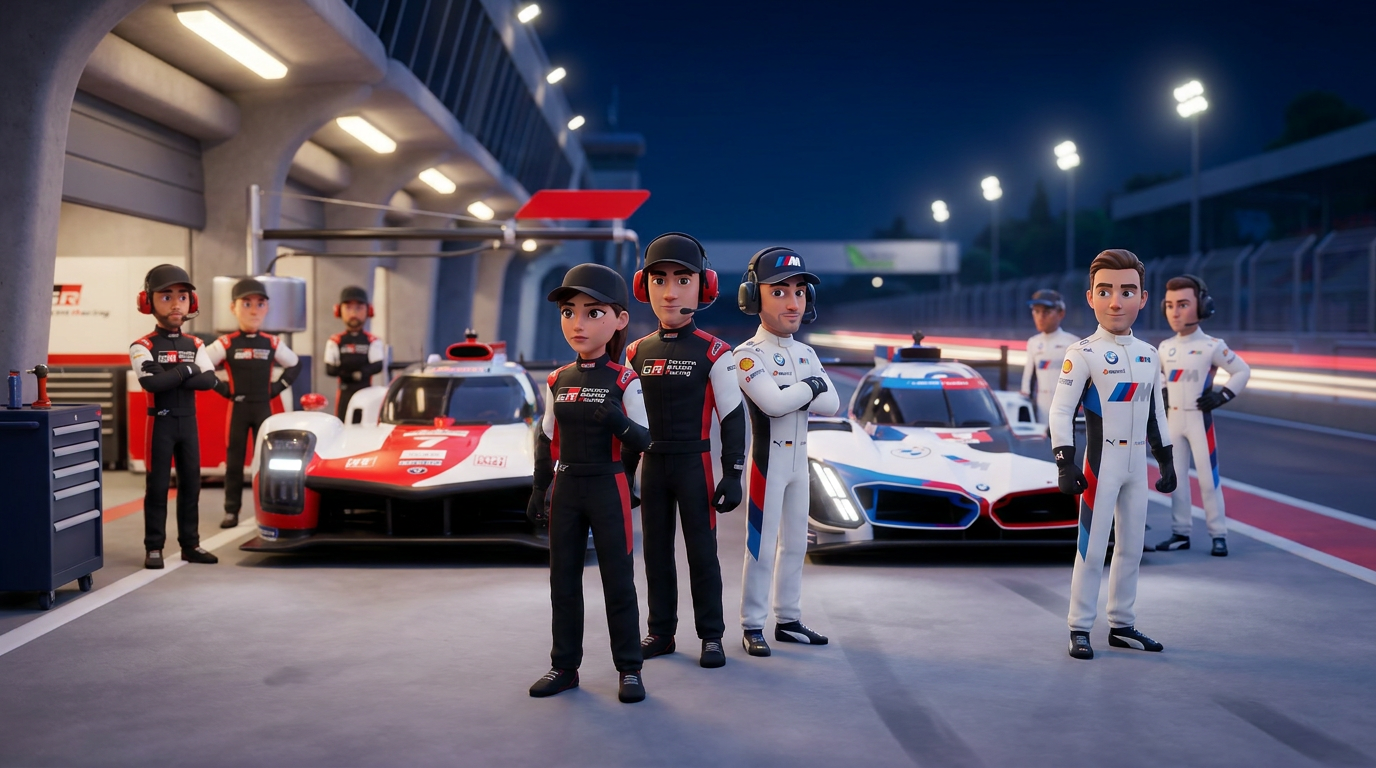
Toyota versus Ferrari
Toyota’s case is based on sustained WEC success. It competed through the LMP1 hybrid period and continued into Hypercar, developing its legacy across more than a decade.
Ferrari has a different profile, with a shorter top-class WEC tenure and an exceptionally concentrated peak. Its 499P program won Le Mans in 2023, 2024 and 2025, while Ferrari secured the 2025 manufacturers’ world championship. That is a formidable rate of return, though it has not faced the same test of longevity yet.
The difference sits at the heart of the G. O. A. T. discussion. Ferrari can cite a remarkable modern peak. Toyota can point to endurance across eras, strengthened by another No. 7 milestone.
The next test
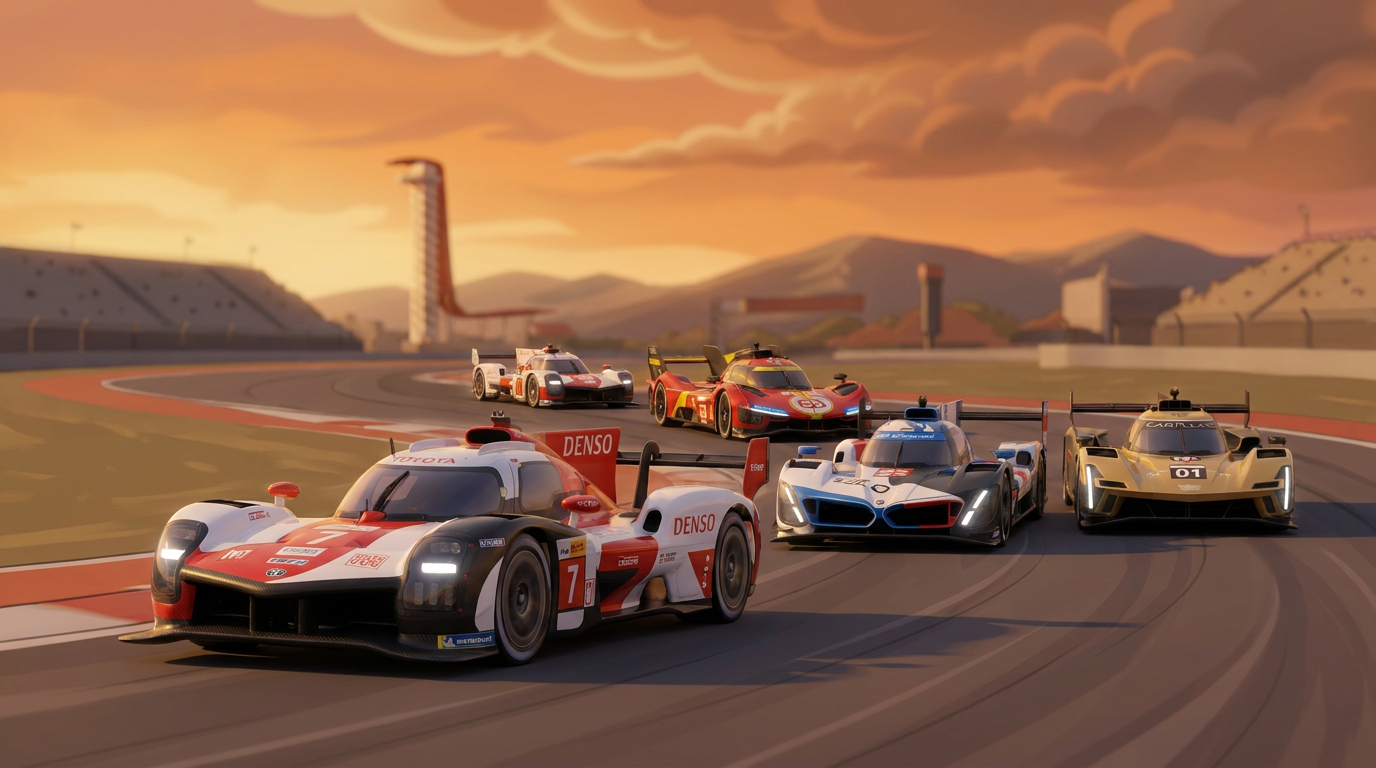
The 2026 season resumes at Circuit of The Americas from September 4-6, followed by visits to Fuji and Barcelona. If Toyota turns its midseason lead into another world championship, the No. 7 Le Mans victory will be remembered as redemption and as the result that linked another title campaign to one of WEC’s most consequential driver lineages.