WEC greatness spans repeat world champions, Le Mans legends and class standouts, leaving any all-time ranking dependent on which achievements carry the most weight.
FIA World Endurance Championship greatness depends on the criteria. Should world titles carry greater weight than victories at the 24 Hours of Le Mans? Does outright success rank above sustained excellence in a fiercely contested class? Factory-backed Hybrid and Hypercar programs also present a different challenge from privateer teams or drivers whose careers covered several technical eras.
No fresh event or announcement from the past 48 hours was supplied, so this G. O. A. T. assessment is historical analysis rather than breaking news. It draws on established championship history while accounting for changes in regulations, class structures and race calendars, since each season did not provide an identical test.
The first dividing line: WEC or world endurance history?
The modern FIA WEC started in 2012. The date sets an important boundary because the World Sportscar Championship and its various successors produced many of endurance racing’s defining names before the current series began. Jacky Ickx, Derek Bell and Tom Kristensen belong in every broader discussion of sportscar greatness, but their signature Le Mans achievements are not modern WEC championship records.
Kristensen still holds the benchmark of nine overall Le Mans victories. However, he competed only in the revived world championship’s early years, making him an endurance racing giant without automatically placing him first among modern WEC championship drivers.
Manufacturers require the same distinction. Porsche and Audi have immense Le Mans pedigrees, but any ranking limited to the championship from 2012 to the present must center on WEC results from that period. Historical reputation adds context. It does not replace championship evidence.
The strongest driver cases
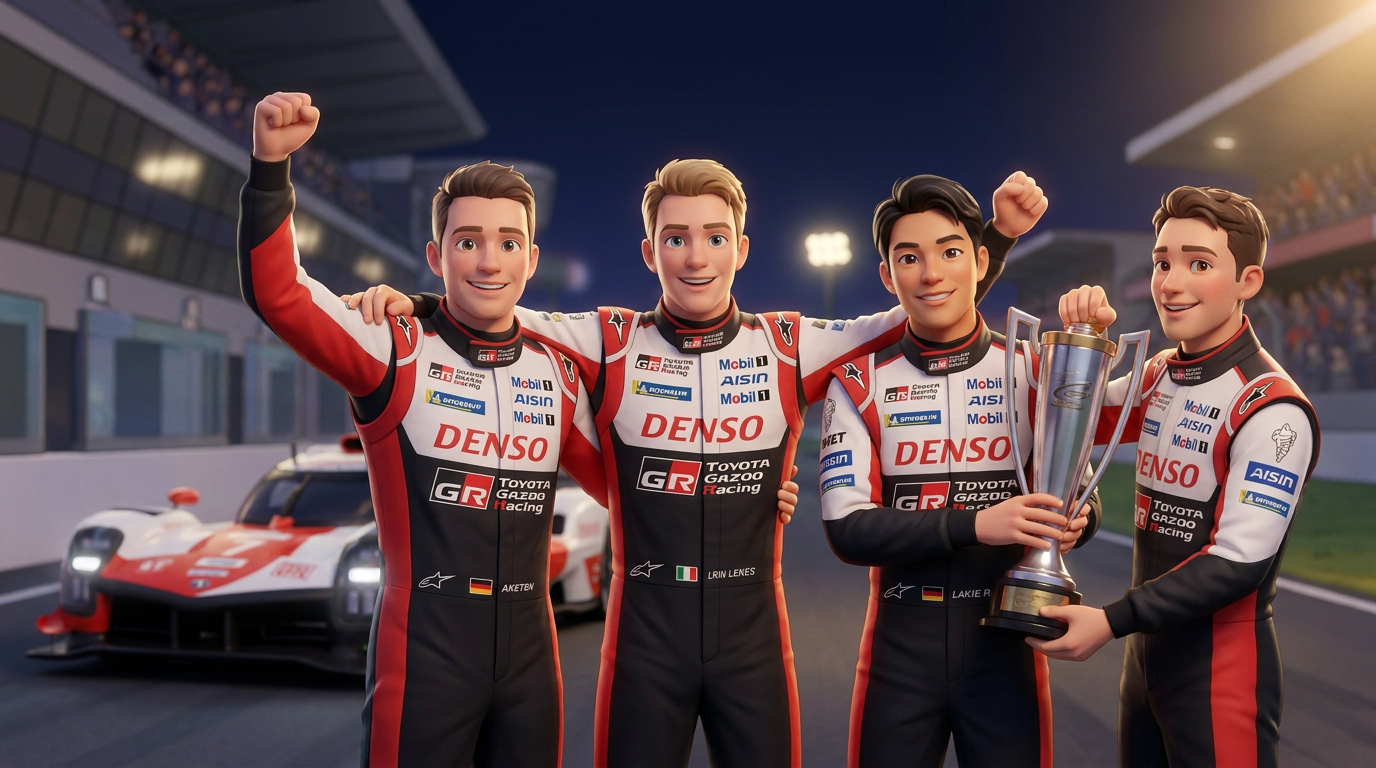
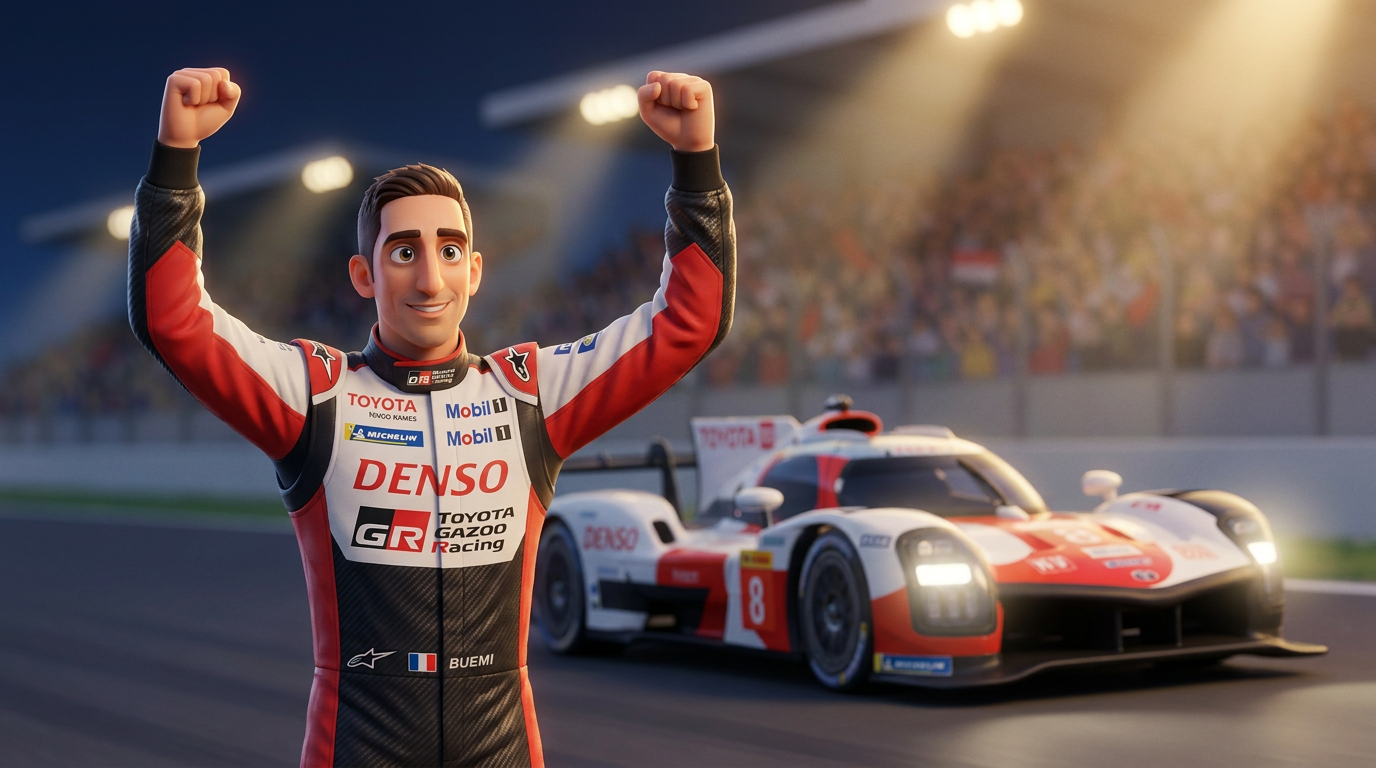
Sébastien Buemi owns one of modern WEC’s most complete résumés. He won Toyota’s top-class drivers’ world championship in 2014, then added the 2018-19 and 2022 titles while becoming a multiple overall Le Mans winner. His blend of championships, centerpiece victories and longevity across LMP1 and Hypercar gives him a compelling case.
Brendon Hartley has a similarly strong record. He secured championships with Porsche and Toyota, proving himself in two factory environments under different technical regulations. Hartley also has multiple overall Le Mans wins, a key distinction from drivers who collected championship points without repeatedly delivering at the season’s biggest race.
André Lotterer, Marcel Fässler and Benoît Tréluyer shaped Audi’s early era as one crew. All three arrived in the modern championship with established Le Mans credentials, then won the inaugural WEC drivers’ title together in 2012. Their standing reflects peak performance and their importance during an intensely competitive factory period, rather than the longest collection of modern titles.
Fernando Alonso makes a different case. He won the 2018-19 world championship and consecutive Le Mans races with Toyota, but spent far less time in the WEC. His conversion rate at his peak was exceptional, while his championship longevity did not match Buemi or Hartley. A balanced order can recognize Alonso’s impact without ranking a brief campaign above sustained success.
Why Toyota leads the modern team debate
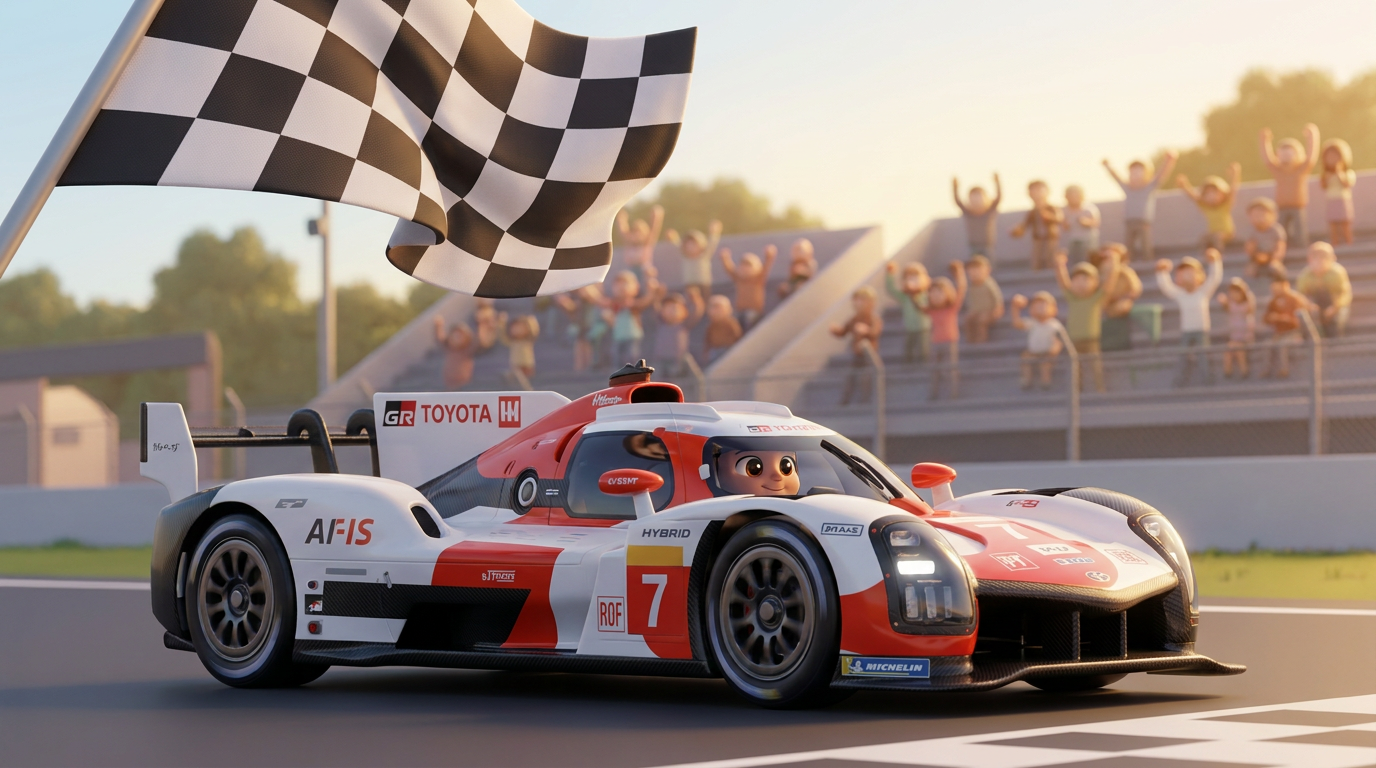
Toyota has the strongest claim to being modern WEC’s defining manufacturer. It joined during the inaugural 2012 season, earned its first manufacturers’ world title in 2014 and took control after Porsche and Audi ended their LMP1 programs. After years of frustration at Le Mans, Toyota claimed its first overall victory in 2018 and followed it with a sustained winning run.
The record covers multiple regulation cycles. Toyota won during the high-technology LMP1 Hybrid era and stayed at the front as the championship moved to Hypercar. That continuity carries considerable weight because endurance success relies on organizational resilience alongside outright speed.
Porsche’s LMP1 program from 2015-17 delivered perhaps the modern championship’s most concentrated peak. The 919 Hybrid won three consecutive Le Mans races and three straight manufacturers’ championships during that span. For the most dominant three-season run, Porsche presents a formidable case.
Audi’s modern WEC record is shorter than its wider endurance legacy might suggest. It claimed the first two manufacturers’ championships in 2012 and 2013, along with the first three Le Mans races staged as WEC rounds from 2012 through 2014. That early authority earns Audi a high place, although Toyota’s longer championship presence gives the Japanese manufacturer the stronger cumulative record.
Class greatness deserves its own ranking
An overall-only ranking overlooks a defining part of the WEC. The championship has always featured multiple classes, with professional and amateur crews on the same track but competing for separate titles. James Calado and Alessandro Pier Guidi established elite records for Ferrari in GTE Pro before becoming overall Le Mans winners in Hypercar. Their versatility adds weight to their historical standing.
AF Corse deserves a prominent position in any team ranking because its success covers Ferrari GT programs and the marque’s return to the top category. That record also explains why manufacturers and operating teams sometimes need separate assessments. The badge, engineering organization and race squad are not always the same competitive entity.
Jota warrants recognition as the privateer benchmark.
Its sustained prototype success, especially in LMP2, set the standard for teams working without the resources of the biggest factory programs. A direct comparison with Toyota based on outright trophies would distort the picture. Assessing execution against available resources and class competition is fairer.
A defensible all-time order
No table will resolve every version of the debate, but the evidence supports this framework:
- Best modern WEC driver résumé: Sébastien Buemi, based on multiple top-class world titles, multiple Le Mans victories and longevity.
- Closest all-era modern rival: Brendon Hartley, whose championships with Porsche and Toyota show unusual adaptability.
- Greatest short peak: Fernando Alonso, whose compact WEC program delivered a world title and two Le Mans wins.
- Defining modern manufacturer: Toyota, through sustained participation and success in LMP1 and Hypercar.
- Best concentrated team peak: Porsche’s 2015-17 LMP1 program, which secured three consecutive championship and Le Mans doubles.
- Early modern benchmark: Audi, champion in the WEC’s first two seasons and Le Mans winner in its first three.
Hypercar has added manufacturers and strengthened the competition, giving current drivers and teams a chance to rewrite the record book. Future titles secured against larger fields may carry exceptional weight, while longevity will continue to count. The WEC’s eventual G. O. A. T. will combine championships and Le Mans performance with adaptability and endurance across eras, rather than relying on one spectacular season.