Toyota leads Hypercar, BMW has broken through, and a revised European finale will put WEC’s defining teams and drivers through a fresh test.
Toyota leads Hypercar after three rounds, BMW has claimed a breakthrough victory and the revised 2026 FIA World Endurance Championship calendar now ends with a European finale. Those developments place a fresh premium on adaptation, the quality that defines endurance racing greatness alongside outright speed.
Toyota sets the benchmark
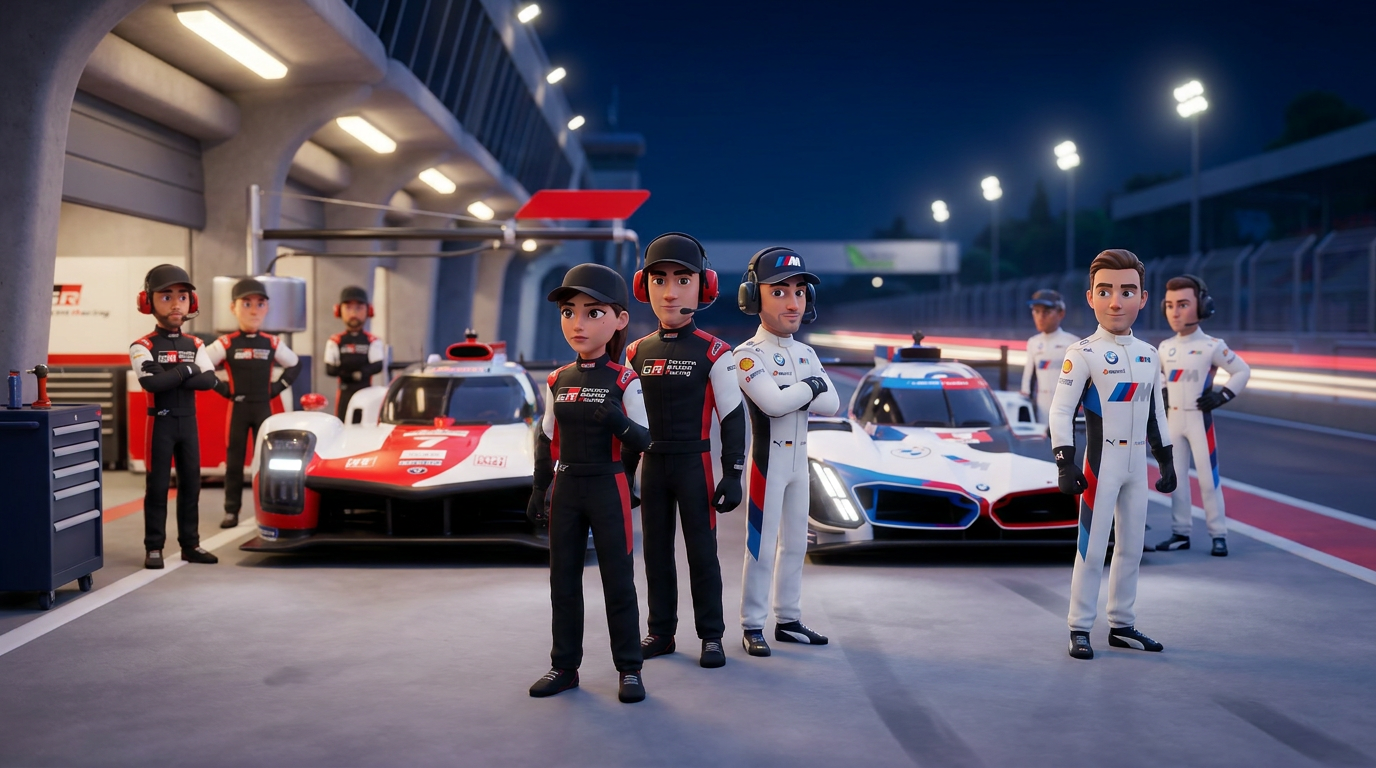
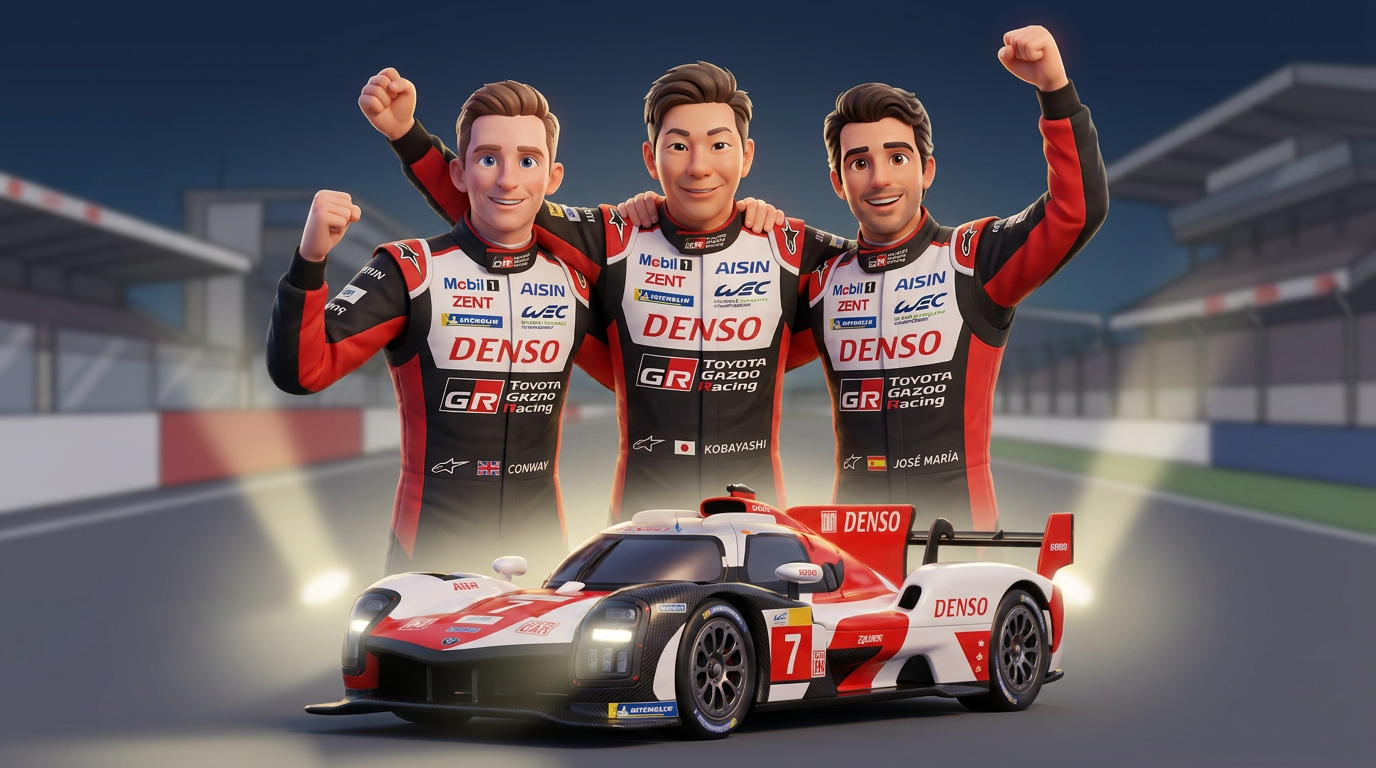
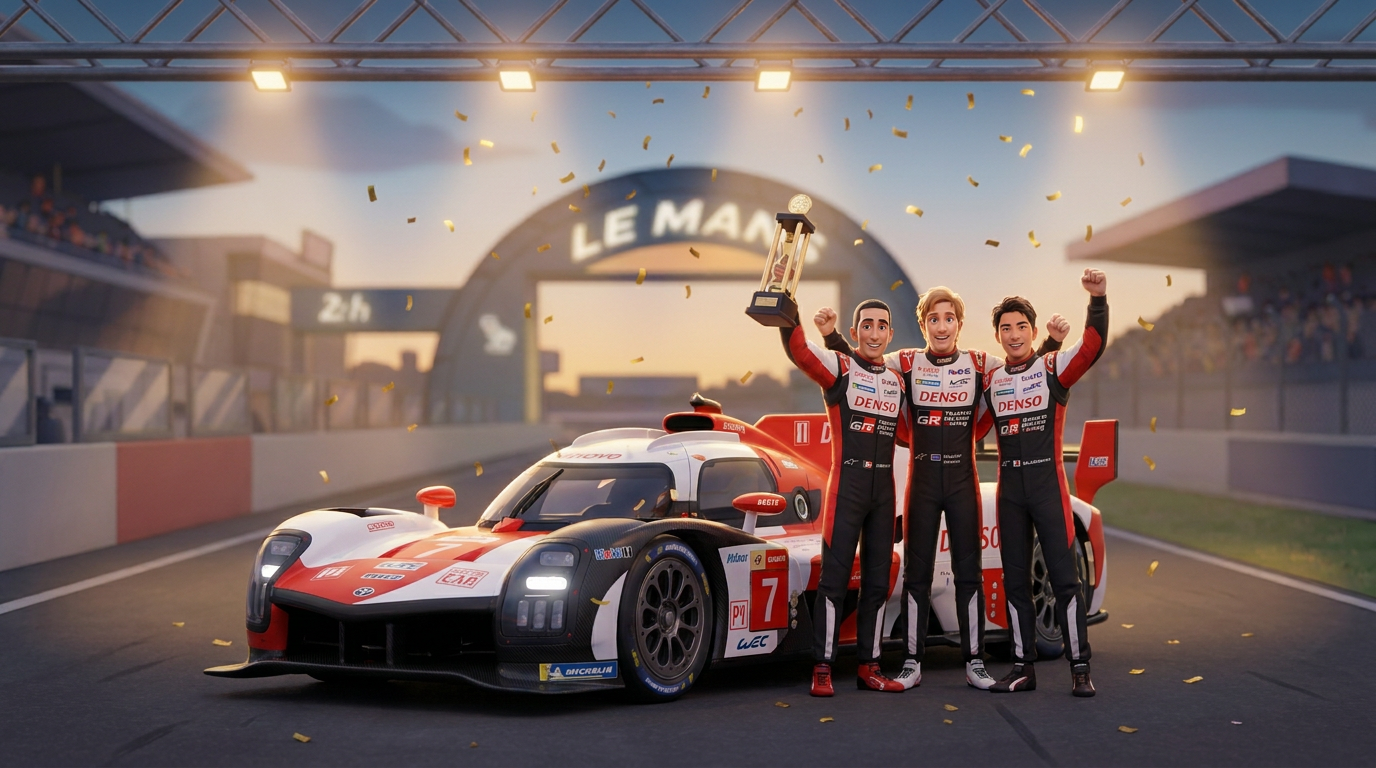
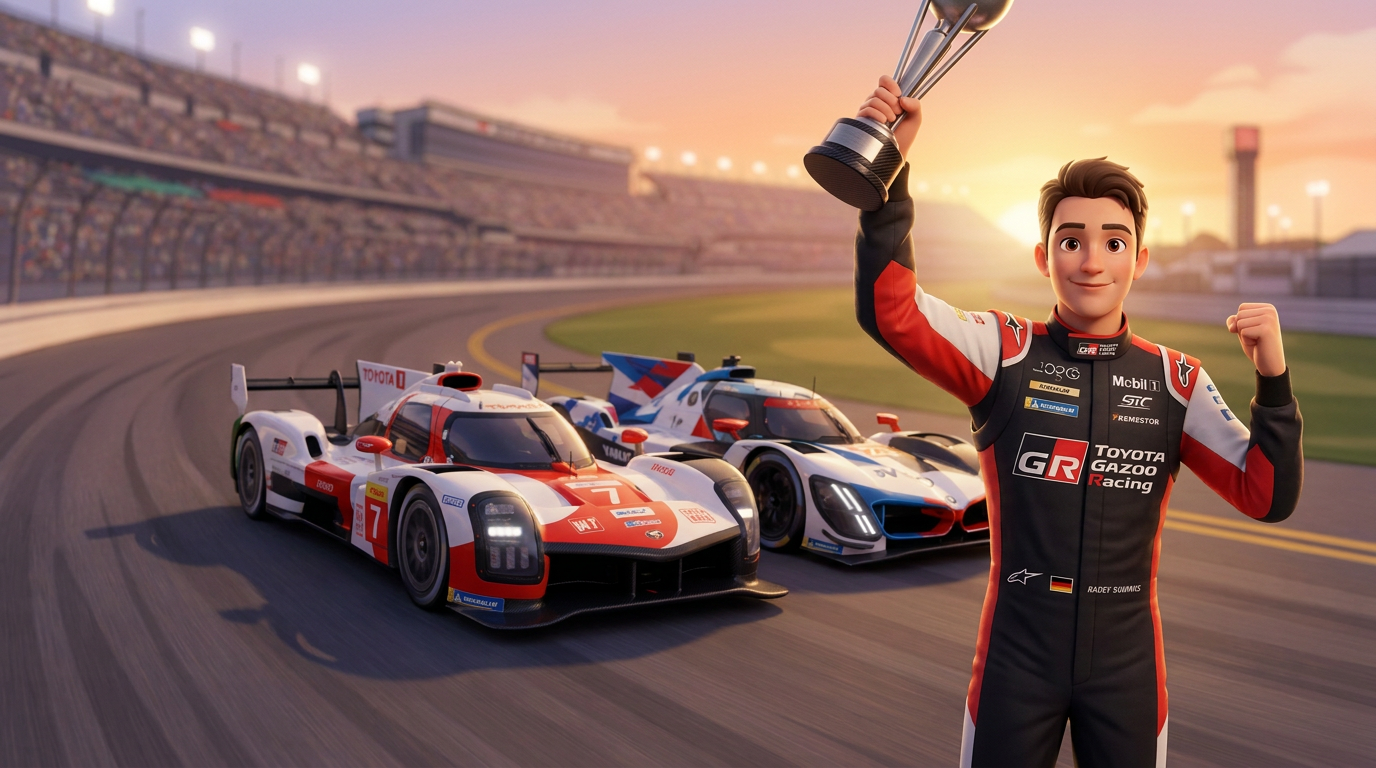
Toyota’s current position strengthens the standard used to judge the championship’s modern programs. The Japanese manufacturer moved to the top of the Hypercar standings after three rounds, powered by the No. 7 car’s Le Mans victory and a third-place finish for the No. 8 crew.
That pairing carries weight in a G. O. A. T. debate because it reflects two measures of endurance greatness: winning the championship’s defining 24-hour race and collecting points with both cars. Toyota has entered every WEC season since the series started in 2012, a record of continuity no current Hypercar rival can equal.
BMW emerges as a modern challenger
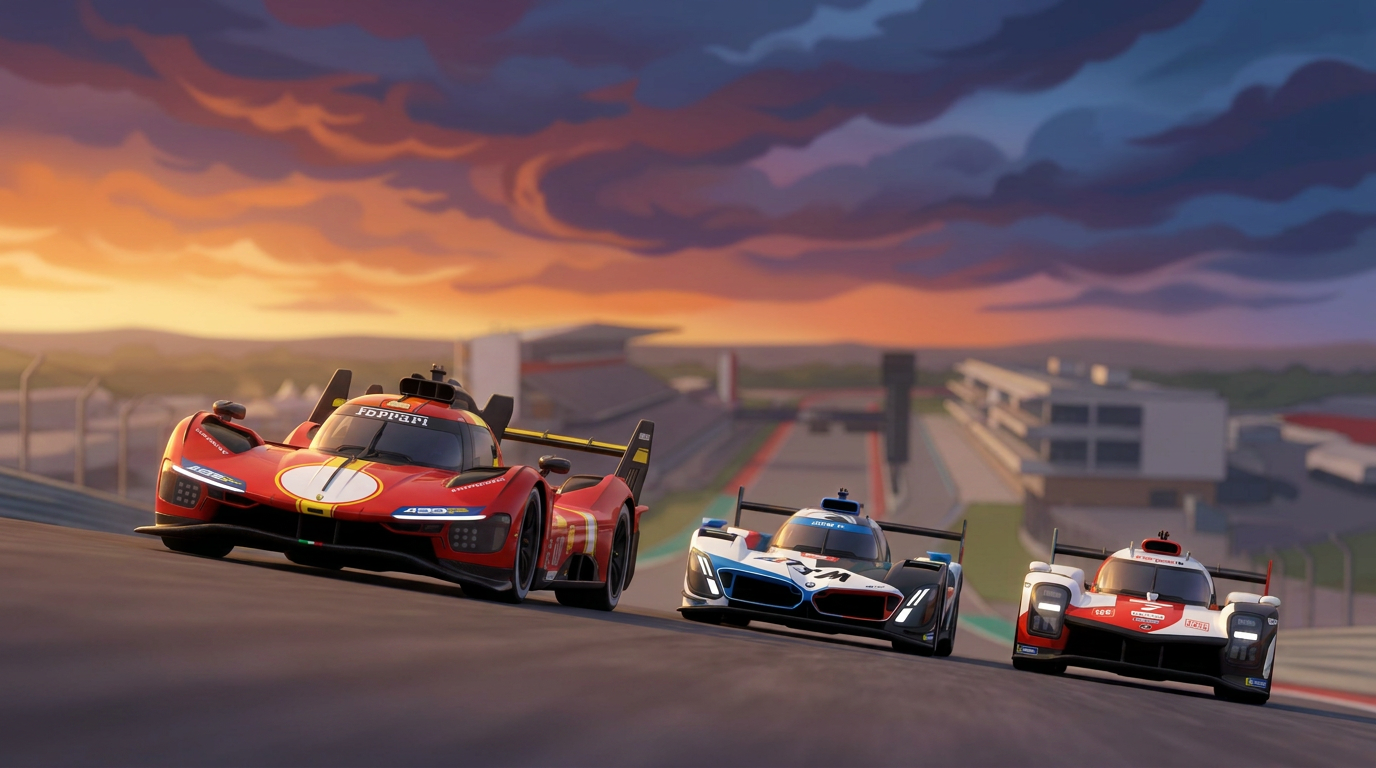
BMW’s victory at the 6 Hours of São Paulo reshaped the current comparison. Kevin Magnussen, René Rast and Dries Vanthoor earned 25 points at Interlagos, beating Ferrari’s Alessandro Pier Guidi, James Calado and Antonio Giovinazzi, who scored 18.
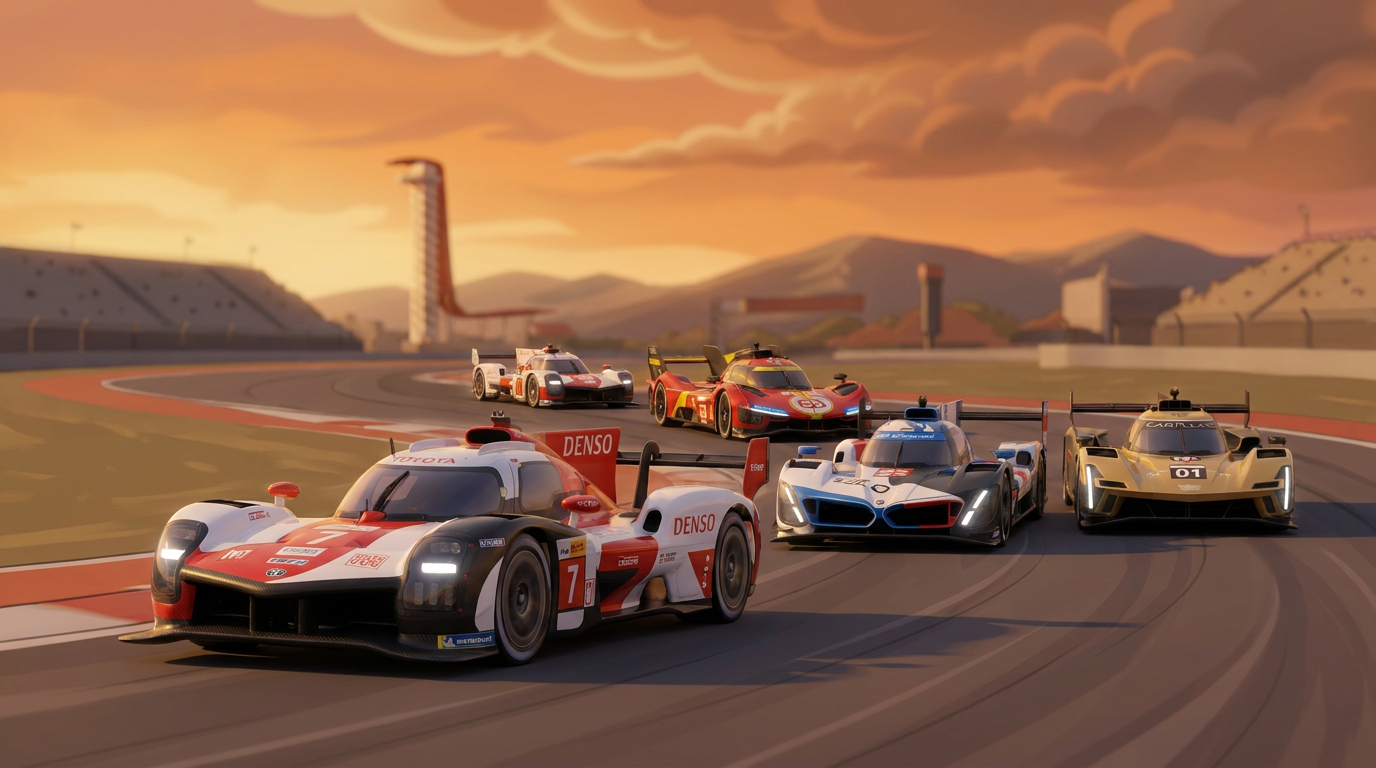
Will Stevens, Norman Nato and Louis Delétraz collected 16 points for Cadillac in third. The result showed the depth of the Hypercar era. Toyota owns the longest WEC record, while BMW, Ferrari and Cadillac are building meaningful head-to-head evidence within the same technical generation.
Different eras require different measures
Raw victory totals cannot settle an all-time WEC ranking by themselves. The championship has passed through LMP1 and the early hybrid years before reaching today’s Hypercar rules, with schedules and manufacturer participation changing substantially along the way.
- Longevity: Toyota’s uninterrupted participation since 2012 recognizes sustained excellence.
- Peak performance: Le Mans victories command exceptional weight during a WEC season.
- Depth: Scoring with two cars reflects organizational strength beyond a single crew.
- Competitive context: Results against the current manufacturer field indicate how difficult an achievement was.
A revised path to the title
Barcelona and Monza have been confirmed as the final two rounds of 2026, replacing the Middle Eastern events that previously held those calendar slots. Before the European finish, WEC is scheduled to race at Circuit of the Americas on September 6 and Fuji on September 27, then Barcelona on October 18 and Monza on November 8.
The revision adds another historical variable, requiring teams to perform in the Texas heat, through Fuji’s technical demands and at two European circuits instead of ending the campaign in the Middle East.
The hierarchy’s next chapter
Toyota has the strongest continuity case, BMW’s breakthrough provides new evidence for an emerging rival and Ferrari stays firmly in contention. Four rounds are listed after Interlagos. The 2026 finale will crown a champion and add a directly comparable chapter to WEC’s evolving all-time hierarchy, with the season ending at Monza on November 8.