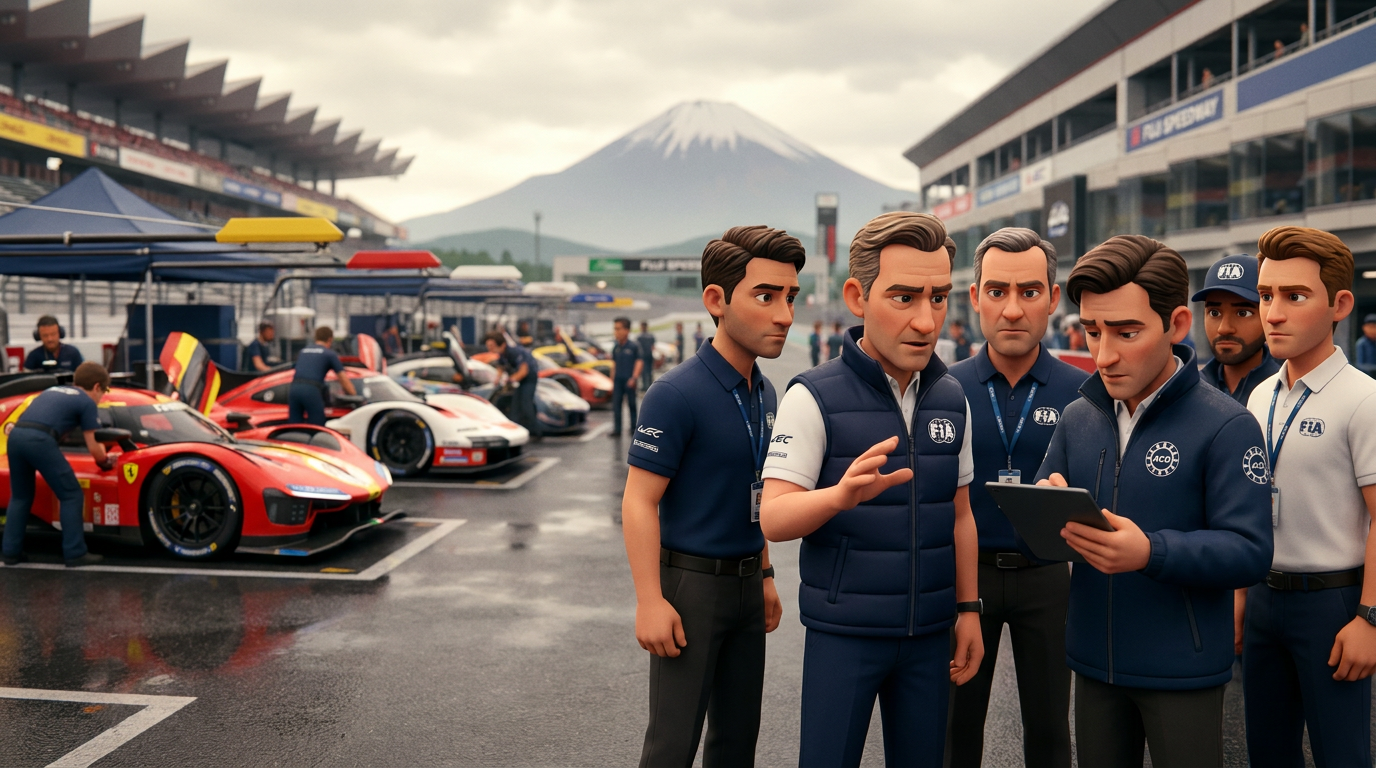
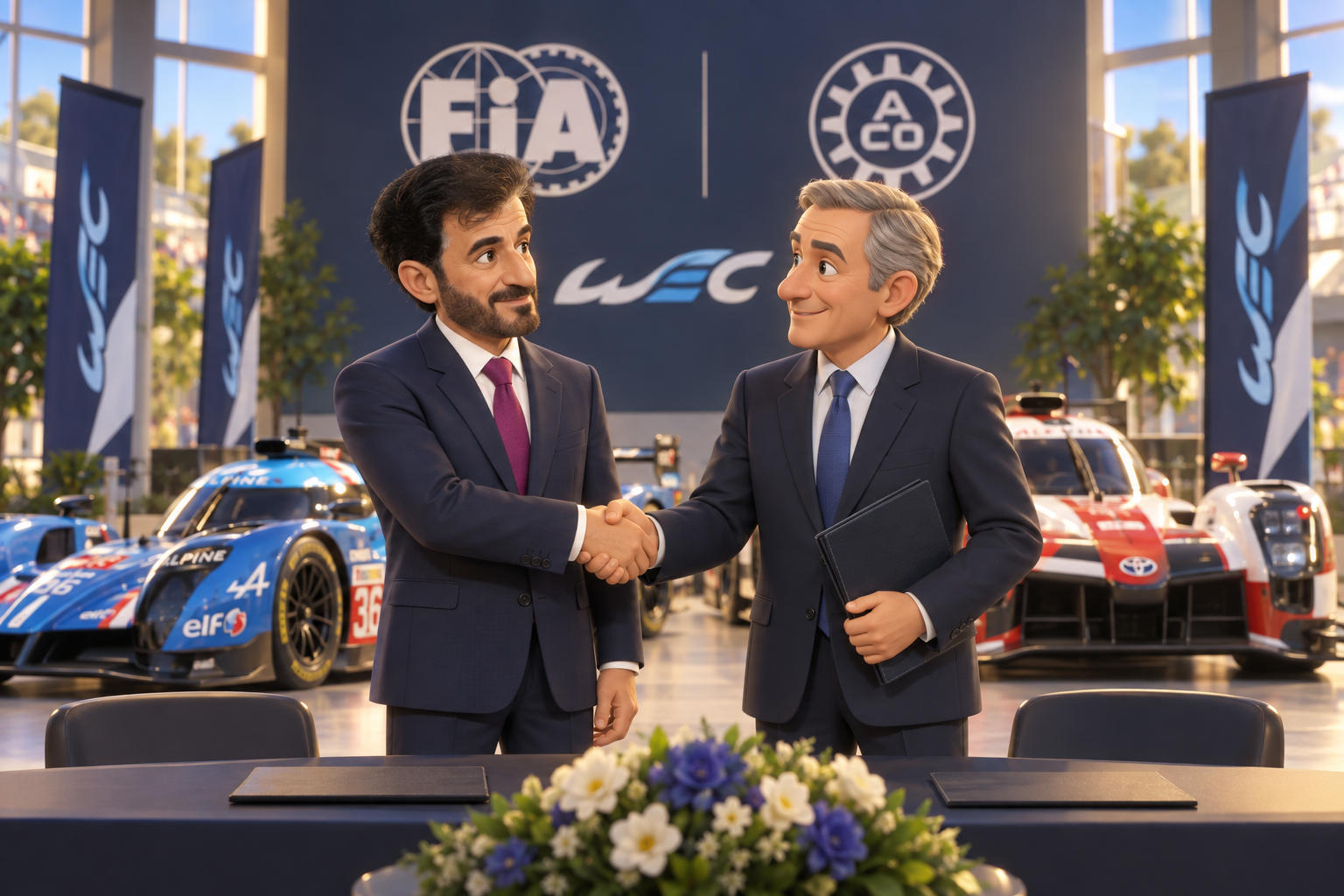
The recent announcement of a 10-year deal between the FIA and the Automobile Club de l’Ouest (ACO) to jointly promote the World Endurance Championship (WEC) through 2037 marks a significant shift in the motorsport landscape.
This agreement ends speculation about a potential split and alleviates concerns over the exclusion of landmark events like Le Mans from the Championship. However, this arrangement presents both opportunities and challenges, promising stability while potentially hindering innovation if not carefully managed.
What this means for teams and manufacturers
This long-term agreement provides manufacturers with a stable timeline that allows them to plan hypercar projects without anxiety over sudden regulatory changes. The joint oversight by FIA and ACO is likely to streamline homologation processes, protecting hypercar investments from becoming obsolete due to any regulatory upheaval.
For teams like Toyota, Alpine, and Peugeot, this introduces a layer of predictability, enabling them to allocate resources with greater confidence. However, the challenge will be to maintain a balance between fostering innovation and upholding tradition across the long span of the deal. The stability provided here is essential, but care must be taken not to stifle the competitive and innovative spirit that drives the sport.
Drivers: Navigating stability and predictability
For drivers, this new governance structure promises fewer unexpected changes, facilitating smoother career planning and contract negotiations. The predictability of regulations should support drivers in focusing on optimization and performance without the distraction of shifting administrative landscapes. However, the fusion of consistency with strategic freedom is crucial to keep the essence of endurance racing alive.
While regulatory consistency is beneficial, it is important that opportunities for tactical creativity remain. A strict regulatory regime could hamper the innovative strategies that make endurance racing so compelling.
Fans' perspective: A cautious optimism
The deal allays fears about the potential withdrawal of iconic events from the series, offering fans reassurance. Yet, fans continue to seek transparency, particularly concerning Balance of Performance (BoP) adjustments, which are criticized for their lack of clarity.
Fans also express a desire for varied race formats, advocating for the inclusion of longer races. This variety would not only challenge teams but also reinvigorate audience interest by diversifying the current reliance on 6-hour events.
Regulatory implications
This deal signals an enhanced role for the FIA within the WEC, underscoring an increased branding presence and a more prominent regulatory involvement. While this formalizes governance, it is critical to remain vigilant to preserve the sport’s rich heritage and cultural significance.
The agreement aims to ensure future hypercar regulations will satisfy both competitive fairness and stringent regulatory conditions. However, it is essential that this framework does not become overly restrictive, potentially hindering innovative advancements in car technology and design.
Needed: A roadmap to success
The FIA and ACO must develop a transparent and adaptable strategy to maintain flexibility within this stable framework. Clear regulations around emerging technologies and BoP, openly communicated to teams, drivers, and fans, are vital.
Moreover, the broader framework must respect and integrate cultural legacies and competitive fairness to ensure the long-term success of this initiative. Building this superstructure will foster a thriving legacy from the solid foundation of the agreement.
A tempered agreement
The agreement lays a solid foundation for the WEC's future, though it bears the tangible risk of over-dependence on bureaucracy. FIA and ACO must ensure their partnership evolves, retaining the unpredictability and allure of endurance racing. Open dialogue, race format diversity, and genuine fan engagement can transform this stabilizing policy into a vibrant future for the series.
As we move forward, it is essential to address the nuanced aspects of the agreement. Transparency around decision-making processes and adherence to the principles that have historically defined the WEC will be vital in maintaining and enhancing the championship in the eyes of fans, teams, and drivers alike. Ultimately, this agreement is not just about stability; it’s about forging a path that honors the past while embracing future possibilities with openness and integrity.