
MotoGP is considering controls on rider-market timing, but a formal transfer window would restrict careers without addressing the forces driving early deals.
MotoGP is considering a football-style rider transfer window after its 2026 market moved unusually quickly. The series should abandon the proposal before those talks produce regulations.
The comparison doesn't fit
Football clubs trade players during designated periods. MotoGP riders sign employment contracts with teams, while manufacturers oversee factory seats, satellite relationships and development plans.
That distinction matters.
A transfer window could dictate announcement dates, but it couldn't make every contract expire at the same time or stop negotiations behind closed doors. Unless MotoGP also limits when agreements can be signed, the rule would turn early announcements into months of paddock rumors and carefully worded denials.
Riders would carry the burden
Riders have the least security in the system. An injury or a struggling bike can reshape a career within weeks. So can a manufacturer changing direction. Blocking a rider from securing another contract would protect teams while penalizing the person accepting the physical risk.
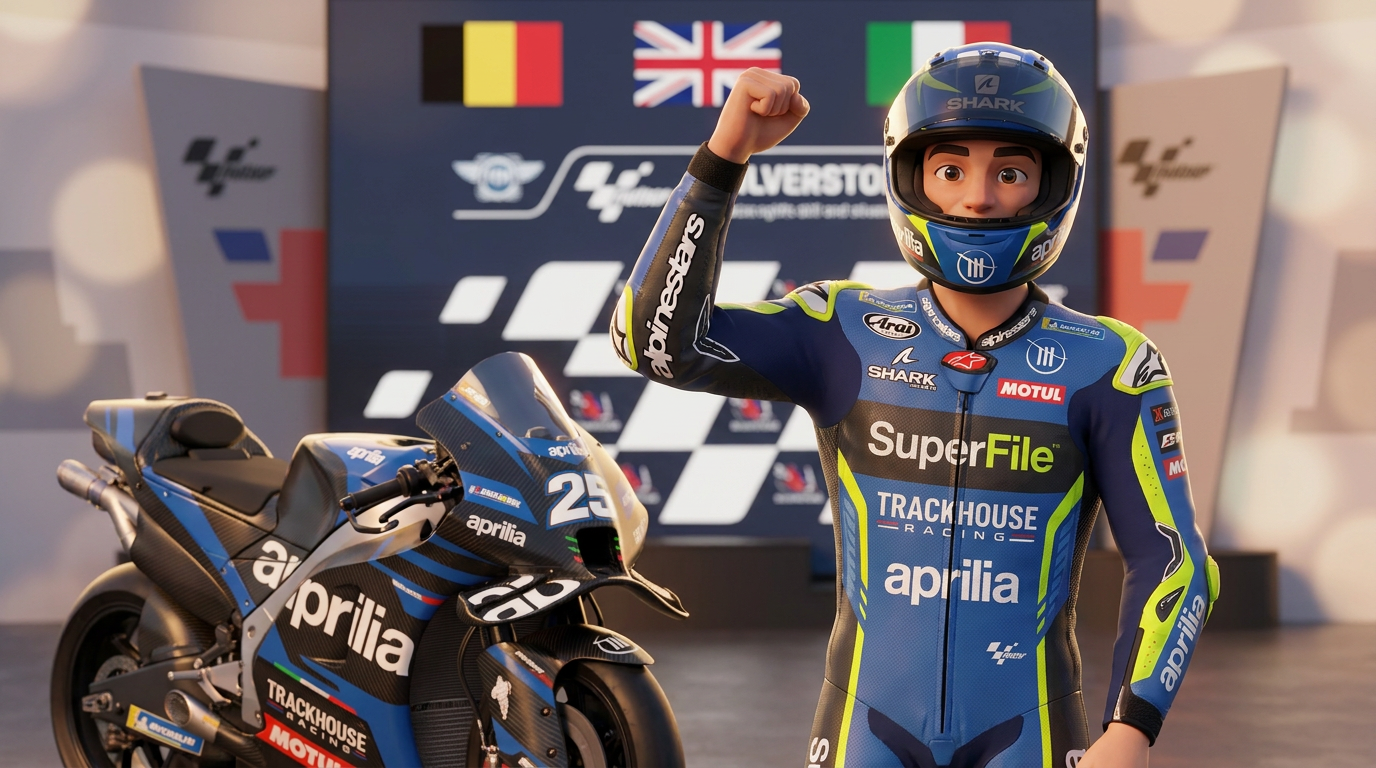
Raul Fernandez is a timely example. Trackhouse confirmed him for the 850cc era before he led every lap of the August 9 British Grand Prix and claimed his first victory of 2026. His future was settled before that breakthrough. Forcing him to wait for an approved negotiating period offers no sporting benefit.
Early deals have a real cost
The concern driving the proposal is legitimate. After a rider announces a departure, development information becomes sensitive and the working relationship can deteriorate. Fans also see future lineups forming while the current championship continues.
The calendar isn't causing that pressure. The 2027 technical reset is. MotoGP will switch to 850cc machinery, and factories want riders involved early enough to shape projects already under development.
Transparency is the better rule
A straightforward disclosure framework would work better. Every signed MotoGP rider contract should be registered with the series within a fixed period, perhaps seven days, then publicly announced by an agreed deadline. The contracts can stay confidential, but confirmed employment shouldn't be used as a weapon in a prolonged media game.
MotoGP could also ban performance penalties against riders who sign elsewhere, while letting teams protect genuinely confidential 2027 technical information. That targets the actual conflict without limiting job mobility.
Focus on the next era
MotoGP has produced eight different Silverstone polesitters across eight British Grands Prix, along with 12 different winners in the past 12 races there. Riders securing contracts early hasn't hurt competition.
The series should direct its regulatory effort toward making the 850cc era affordable and fair. Teams will keep building their 2027 projects now, and riders should stay free to choose where they fit.